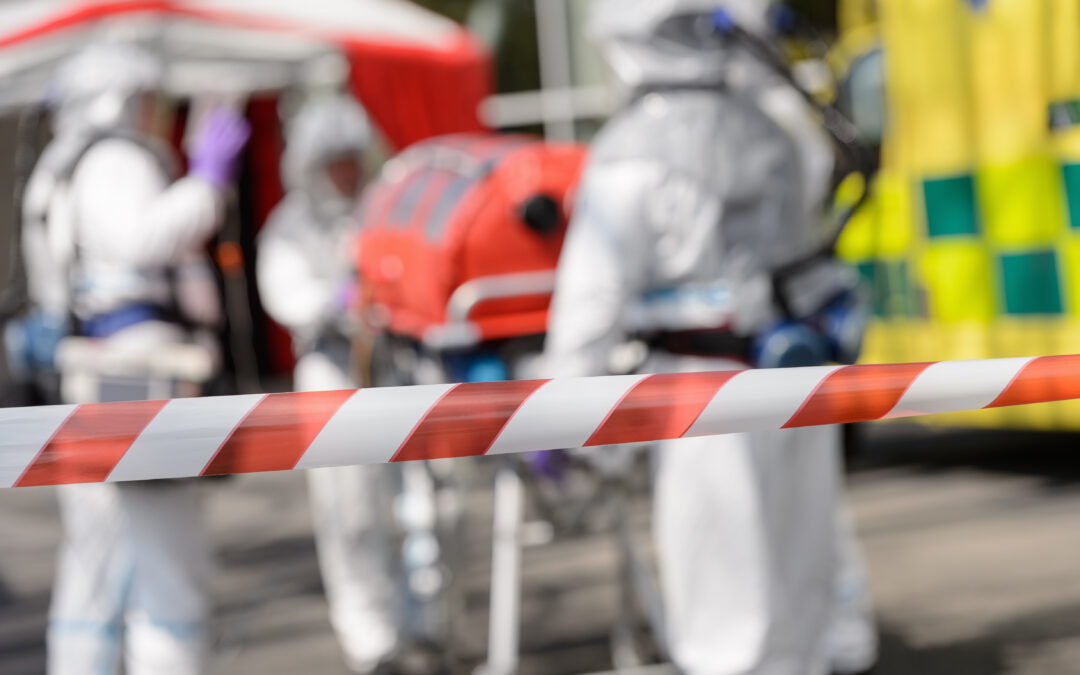
When disaster strikes, the stakes can be high. Whether it’s a natural calamity like a hurricane or an unexpected event such as a power outage, understanding the risks is your first step toward effective emergency preparedness. Acknowledging what could happen allows you to tailor your readiness efforts accordingly. Research local hazards—earthquakes, floods, wildfires—and assess how they might impact your home and community. This awareness not only equips you with knowledge but also fosters a proactive mindset.
Once you’ve grasped potential threats, it’s time to create a comprehensive emergency plan. This blueprint should map out what actions to take in various scenarios. Consider where you would go if you needed to evacuate and identify safe routes out of town. Designate a meeting point for family members in case you’re separated. It’s essential that everyone understands their roles; assign tasks based on age and capability so that each person knows what to do when the time comes. Document your plan clearly and ensure that every family member has access to it—this could save precious moments during a crisis.
Next comes the creation of an essential emergency kit, which serves as your lifeline when chaos unfolds. Start by gathering non-perishable food items such as canned goods and granola bars, enough to sustain each household member for at least three days. Don’t forget about water—aim for one gallon per person daily! Include medications, important documents (like IDs and insurance papers), first aid supplies, flashlights with extra batteries, and tools for communication like a battery-operated radio. Personalize this kit according to your family’s specific needs; toddlers may require diapers while elderly family members may need additional medical supplies.
In our fast-paced world inundated with information, staying informed is crucial during emergencies; hence effective communication plays a vital role in preparedness. Sign up for local alerts regarding weather updates or safety announcements from government agencies via smartphone apps or text messages. Establish group chats within your community or family networks so that everyone remains connected during crises—this can facilitate quick decision-making and resource sharing.
Lastly, practicing preparedness through drills ensures that everyone is ready when disaster strikes unexpectedly. Conduct fire drills at home or practice evacuation routes regularly—familiarity breeds confidence! You can even simulate other scenarios: What would you do in case of an earthquake? How would you respond if faced with severe flooding? Engage all family members in these exercises so they feel empowered rather than anxious about what lies ahead.
Emergency preparedness isn’t just about gathering supplies; it’s about cultivating resilience amid uncertainty. Equip yourself with knowledge about potential risks while crafting solid plans tailored to those situations—it transforms fear into readiness! As daunting as it might seem initially, taking small steps consistently will make all the difference when facing unforeseen challenges down the line.
So remember: Be prepared—not scared! Embrace this roadmap towards emergency readiness today!
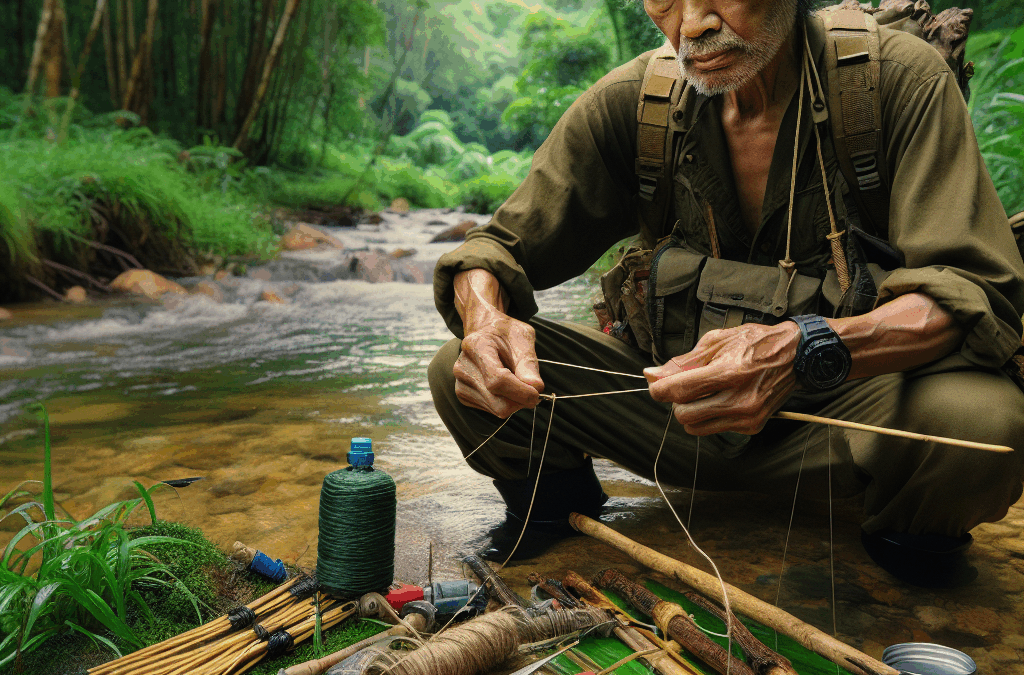
First things first, let’s talk about gear. I remember when I first got into survival fishing; walking into a tackle shop was like stepping into a candy store! But let’s keep it real—you don’t need a fancy rod and reel to catch dinner. A simple spinning rod is often the best bet for beginners. It’s versatile and easy to use, perfect for grabbing smaller fish like panfish or even larger ones.
When selecting a rod, I always suggest looking for one that feels comfortable in your hands. The reel should be smooth and easy to operate. I once spent a whole day wrestling with a sticky reel, and let me tell you, it almost ruined the experience for me. The right setup not only enhances your fishing effectiveness—it makes it fun too!
Don’t forget about line; a good fishing line can make or break your catch. I recommend monofilament line—it’s user-friendly and comes in various strengths. Just remember, the lighter the line, the more stealthy you’ll be in the water. It’s like a little ninja move for catching fish!
Selecting Bait: Natural vs. Artificial
Next up, let’s chat about bait. Deciding between natural and artificial bait can be quite the debate; I’ve had my own battles picking sides. Natural bait often gets the job done, especially if you’re fishing for species like catfish or trout. Worms, minnows, and even insects can be incredibly effective.
However, don’t underestimate artificial lures! A good spinner or crankbait has saved my bacon on more than one occasion. They can be excellent for catching predatory fish like bass. My trick is to match the lure color to the water clarity; muddy waters call for brighter colors, while clearer waters might require more natural tones.
Remember to also consider seasonal changes; what works in spring may not work in fall. I’ve learned through trial and error that being adaptable in my bait choices keeps the catch coming. Just pay attention to what’s swimming around in your area, and you’re golden!
Understanding Local Fishing Regulations
No one likes a ticket, right? Before you grab your gear and hit the water, it’s critical to check out local fishing regulations. When I first started, I didn’t think much of it—just assumed fishing was fair game everywhere. Spoiler alert: it’s not!
Every body of water can have its own rules regarding what species you can catch, bag limits, and even specific fishing seasons. Ignoring these can lead to hefty fines that’ll make you wish you’d just done your homework. Plus, it’s all about being a good steward of the environment; we want our fishing spots to be around for generations to come!
Another thing to check is the need for a fishing license. Some places require them, while in others it might be free. I’ve learned it’s always best to err on the side of caution and be properly licensed. It saves you the headache and lets you fish confidently!
Locating Fish in Different Environments
Freshwater Fishing Techniques
Now, let’s dive into where the fish are hiding. Freshwater fishing can be a blast, especially in lakes and rivers. I remember the first time I fished in a lake; it felt like a treasure hunt. Fish are typically near structures like rocks, submerged logs, or weed beds. If you know where the structure is, you’re halfway to a catch.
Time of day matters as well. Early morning and late evening usually see fish being more active. I’ve had my best luck during these ‘magic hours.’ They’re like the fish’s version of happy hour—you gotta be there to reap the benefits!
Understanding water temperature also helps; fish tend to prefer certain ranges depending on the season. I’ve found that in the summer months, early mornings are the best as the water is cooler. This is when they feel more comfortable coming out to play!
Saltwater Fishing Techniques
If you ever find yourself by the ocean, you’ve gotta give saltwater fishing a shot! It’s a whole different game compared to freshwater. The type of fish you can catch varies widely, from snook to grouper. Locating these fish can take a bit of local knowledge, so I always recommend talking to local anglers.
Consider fishing on the tides; low tide often reveals hidden spots that fish may use to hide. I’ve had great success casting my line near sandbars or jetties. There’s something incredibly exhilarating about the pull of ocean fish!
Don’t forget your gear! Saltwater can be tough on your equipment, so it’s best to use corrosion-resistant materials. I learned that the hard way after my first fishing trip when my fancy rod looked like a rusty relic just a few days later!
Ice Fishing Techniques
If you thought fishing was just a summer sport, think again—ice fishing is a thrilling way to catch fish in the colder months! There’s something peaceful about sitting on a frozen lake, surrounded by snow, and waiting for a bite. I know it sounds a bit crazy, but trust me, it’s relaxing.
A crucial step, though, is ensuring the ice is thick enough to support you. I usually wait until there’s at least four inches of solid ice. Then, I drill a hole in the ice using an auger and drop some bait down. Make sure you’re dressed warmly; being comfortable means you’ll enjoy it a lot more!
When the fish are biting, it’s like nothing else. I find that using small jigs tipped with bait works wonders. Be prepared to be patient, though. Ice fishing often requires a bit of finesse, as fish might nibble but not fully commit. Just sit back, enjoy the scenery, and wait for that sweet tug on your line!
Preparing Your Catch
Cleaning Fish: The Basics
Once you’ve landed a fish, the next step is cleaning it. This is a crucial step that can determine how much you enjoy your meal later! The first thing to remember is that it’s best to do this as soon as possible after catching it. Freshness matters, right?
I usually start by scaling the fish with a scaling knife, scraping from tail to head to get off those tough scales. It’s not glamorous, but someone’s gotta do it! After that, I’ll make a cut along the belly and remove the guts. Be sure to discard these properly to keep the area clean for the next adventurous angler.
Finally, rinse the fish in clean water. I often feel a sense of pride when I hold my freshly cleaned catch—it’s rewarding to know I’ve put in the work from fishing to table. Remember to keep everything cold until you’re ready to cook it, and you’ll have a fantastic meal ahead!
Cooking Your Fish
Now that you’ve got a clean catch, it’s time to cook! There are countless ways to prepare fish, but I usually opt for something simple like grilling or pan-frying. The key is to keep the seasoning light so that you can truly enjoy the flavor of the fish itself.
When grilling, I’ll sprinkle some salt, pepper, and maybe a squeeze of lemon. Wrapping the fish in foil can also keep it moist. I learned that grilling on high heat for a short duration usually yields the best results—just keep an eye on it so you don’t overcook it!
If frying is more your jam, a little oil in the pan can do wonders. I often add a bit of cornmeal or flour for a nice crispy crust. It’s like turning your fresh catch into a feast. You would not believe the satisfaction of sitting down to a meal you caught yourself!
Storing Leftovers
Okay, so you’ve caught and cooked your fish—now what if there are leftovers? Don’t worry; there are simple ways to store them for future culinary adventures. The first step is letting the fish come to room temperature before you put it away. I always make sure it’s cooled down, so it doesn’t mess with my fridge’s temp.
Then, I wrap it tightly in plastic wrap or foil, or store it in an airtight container. It’s crucial to label your storage container with the date to keep track of how fresh it is. Stored properly, it can last up to three days in the fridge!
For longer storage, consider freezing. I’ve had success freezing fish in vacuum-sealed bags. Just be sure to remove as much air as possible before sealing; this helps guard against freezer burn. You’ll thank yourself later when you can whip out that delicious frozen fish for a quick meal!
Safety and First Aid in Fishing
Staying Safe on the Water
Safety is paramount while you’re out fishing. No one wants a mishap to ruin their day. Wearing a life jacket is essential, especially if you’re out on a boat. I’ve seen too many accidents happen because someone thought they’d be fine without one.
Weather conditions can change quickly, so keep an eye on local forecasts. I learned this the hard way when a lovely sunny day turned into a thunderstorm during my fishing trip. I was soaked, scared, and wishing I had checked the weather before heading out!
Also, bring a first aid kit. I’ve had my fair share of small scrapes and cuts from fishing gear. Having basic supplies, like band-aids and antiseptic, can make a big difference. Safety and preparedness can keep your fishing experience enjoyable!
Handling Fish Responsibly
Being responsible about how we handle fish is just as important as catching them. Even if you plan to catch and release, ensuring the fish is handled gently is key. Using wet hands or wet gloves can minimize damage to its scales and slime coat, which is critical in the fish’s survival after release.
Fighting a fish too long can lead to fatigue and stress. I’ve learned to pay attention to the fish’s condition and to bring it in quickly if I’m planning to release it. A quick release can ensure the fish stands a better chance of survival.
Moreover, practicing selective harvest—meaning you keep certain species according to regulations—helps maintain healthy fish populations. We always want to fish responsibly, making sure our waters stay vibrant and full of life!
Basic First Aid for Fishing Injuries
Even with all the safety precautions, accidents can happen, especially when dealing with sharp hooks and fish spines. I’ve had my own run-ins, so it’s important to know a bit about first aid. Always keep a pair of tweezers handy for removing hooks from your skin, and never yank it out—it’ll only make it worse!
If you get a cut, clean it immediately and apply pressure to stop any bleeding. Most of the time, I just clean it and slap a band-aid on, but if it’s deep, seek medical help. In the great outdoors, minor injuries can be more serious than at home, so being prepared is vital!
That said, having a buddy with you while fishing can be a huge help. There’s strength in numbers, and it’s easier to manage injuries if someone else is around. Plus, you can trade off fishing duties while you care for each other!
Frequently Asked Questions
1. What are the best fishing techniques for beginners?
For beginners, I recommend starting with simple fishing gear, using natural bait, and practicing patience at different times of the day. Freshwater fishing is often easier to learn, so consider local lakes or rivers to start your fishing journey.
2. How can I tell if the fish are biting?
You’ll notice fish might nibble at the bait before fully committing. Keep an eye on your line; if it’s moving erratically or going slack, that’s a good sign there’s a fish down there. Experience helps you recognize these signs, so don’t be discouraged if it takes time!
3. How do I handle and release fish safely?
When handling fish, always use wet hands or gloves to protect their slime coat. If you’re planning to release them, keep them in the water as much as possible, and use a hook removal tool to reduce stress on the fish.
4. What should I bring for a day of fishing?
Essential gear includes your fishing rod, bait, and tackle. Don’t forget personal items like sunscreen, water, snacks, and a first aid kit. A fishing license, if required, should also be on your list. Always come prepared to maximize your experience!
5. What’s the best way to store fish after I’ve caught it?
After you’ve caught your fish, clean it as soon as possible and store it in a cold environment. If you plan to eat it soon, wrap it tightly in plastic or store it in an airtight container. For longer storage, freezing in vacuum-sealed bags is best.
When disaster strikes, the true test of your family’s readiness unfolds. Are you equipped to tackle emergencies that may arise? Understanding the types of disasters you could face is the first step in ensuring safety for yourself and your loved ones.
*Understanding the Threat: Types of Disasters You Need to Prepare For**
Disasters come in a myriad of forms, each presenting unique challenges. Natural calamities such as hurricanes, earthquakes, floods, and wildfires can wreak havoc without warning. On the other hand, human-made threats like chemical spills or terrorist attacks also loom large. Knowing which disasters are most likely to occur in your area can help you tailor your preparedness strategy effectively. Research local risks and understand their potential impact—this knowledge is power.
*Creating a Family Emergency Plan: Steps for Every Household**
Once you’ve grasped the threats that lie ahead, it’s time to take action by crafting a family emergency plan. Begin by designating a safe meeting place where everyone can regroup if separated during an emergency. Establish communication routes; set up a group chat or assign specific contacts outside your immediate area as points of reference. Additionally, ensure every family member knows basic information like home addresses and phone numbers. Familiarity with this plan boosts confidence when chaos reigns.
*Building Your Emergency Kit: Essential Supplies You Must Have**
A well-stocked emergency kit can make all the difference when calamity strikes. Start with essentials: water (one gallon per person per day for at least three days), non-perishable food items (think energy bars and canned goods), first aid supplies, flashlights with extra batteries, and essential medications. Don’t forget personal hygiene items and important documents—keeping these in waterproof containers is wise! Regularly check and replenish your kit every six months so that everything remains current.
*Staying Informed: Utilizing Technology and Resources for Alerts**
In today’s world, staying informed about impending disasters has never been easier thanks to technology. Download weather apps that provide real-time alerts tailored to your location. Sign up for notifications from local government agencies or community organizations—these resources often relay crucial updates regarding evacuations or shelters during crises. Social media platforms also serve as valuable tools for gathering information quickly; follow credible sources to stay ahead of potential dangers.
*Drills and Training: How to Practice Your Emergency Response**
Preparation doesn’t stop at planning—it requires practice too! Conduct regular drills with your family so everyone understands their roles during emergencies. Fire drills are essential but extend this concept to various scenarios including earthquake safety or severe weather protocols. Discuss what actions each family member should take based on different situations; practice makes perfect! Engaging children in these exercises fosters confidence while reinforcing vital skills they may need one day.
*Community Involvement: Why Your Neighborhood Matters During Disasters**
Lastly, remember that disaster preparedness extends beyond individual households—it encompasses entire communities! Engage with neighbors through workshops or local programs focused on emergency response training, sharing resources strengthens bonds within neighborhoods during challenging times. Create neighborhood watch groups dedicated to monitoring potential threats together; collective vigilance ensures everyone’s safety.
Ultimately, proactive measures pave the way toward resilience against unforeseen events—a secure future begins today! So ask yourself: is your family prepared? Let’s find out together!