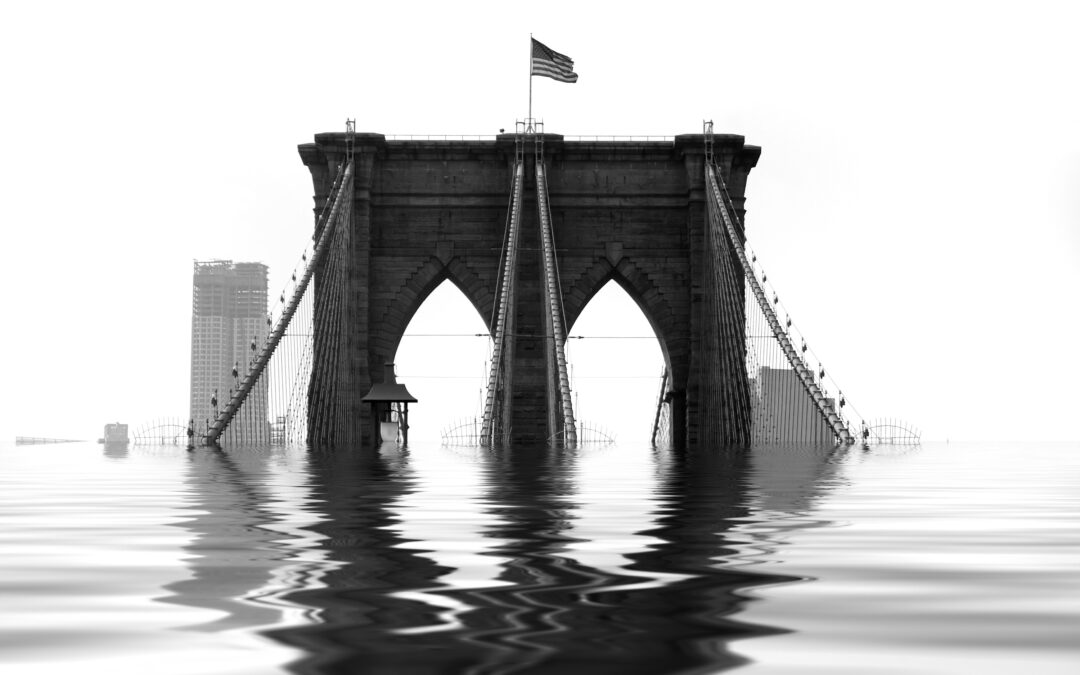
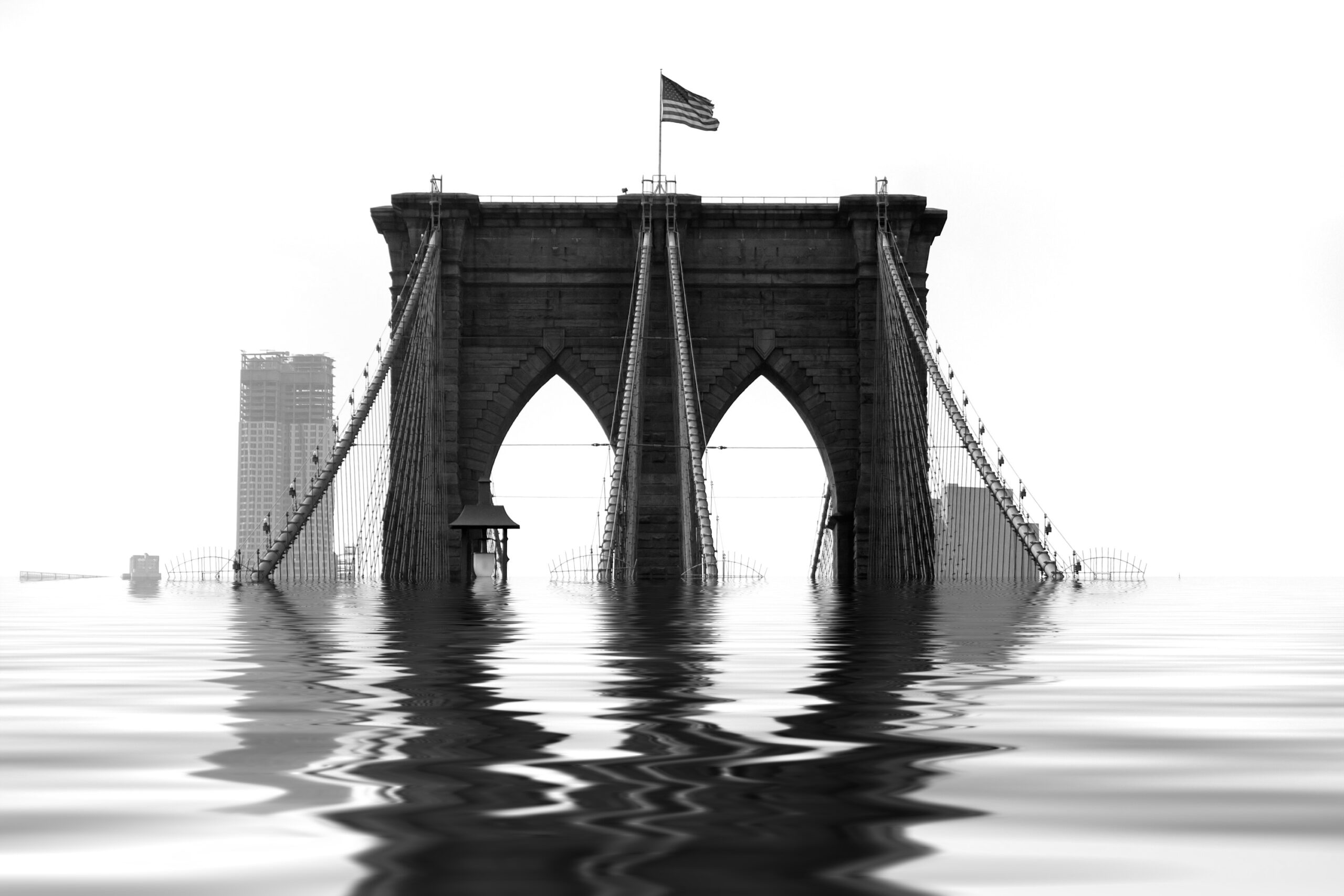
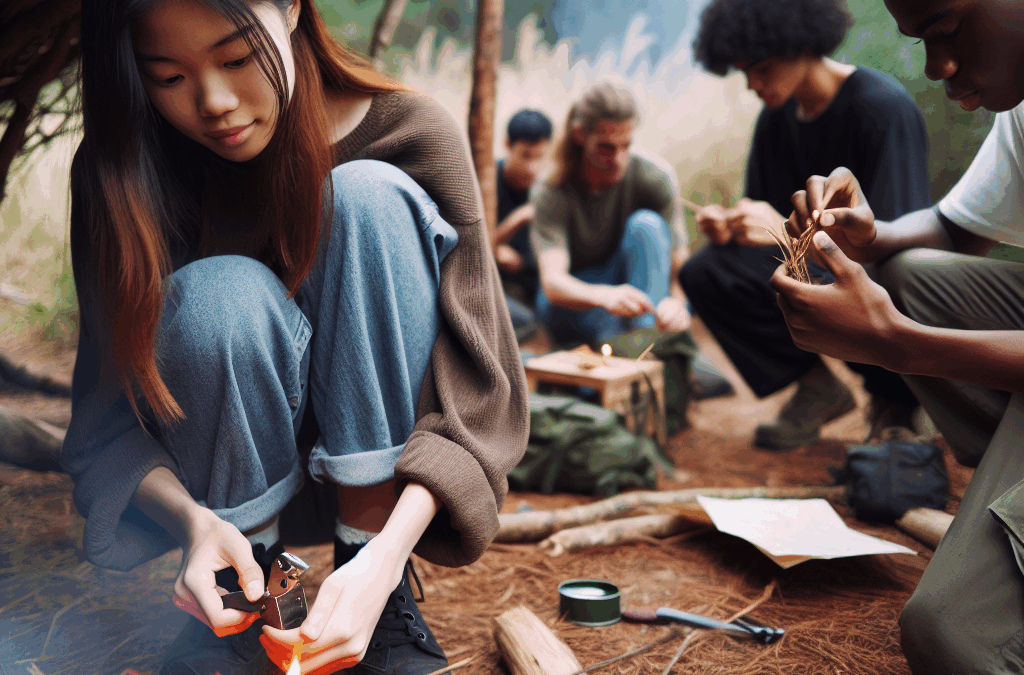
Natural disasters can strike with little warning, leaving devastation in their wake. Whether it’s hurricanes, earthquakes, wildfires, or floods, understanding the risks associated with these events is crucial for effective preparedness. Each type of disaster carries its own potential impact—hurricanes can lead to severe flooding and wind damage; earthquakes can cause structural failures and landslides; wildfires might consume entire communities in mere hours. By familiarizing yourself with these risks, you can develop a proactive mindset that emphasizes safety and resilience.
Once you grasp the potential dangers, it’s time to focus on preparation essentials. A well-stocked emergency kit is your first line of defense when disaster strikes. Begin by gathering items that ensure basic survival: non-perishable food supplies, clean water (at least one gallon per person per day), a flashlight with extra batteries, a first-aid kit, and essential medications. Don’t forget vital documents—insurance policies, IDs, and bank information should be stored in a waterproof container or digitally backed up. Consider adding personal touches like comfort items or games for children to ease anxiety during stressful times.
Equally important is creating a family emergency plan that outlines steps everyone should take before, during, and after a disaster. Start by establishing communication protocols—who will contact whom? Designate an out-of-town relative or friend as a central point of contact so that family members can check in if separated. Identify multiple evacuation routes from your home and practice them together regularly. Discuss meeting places where everyone knows to go if local roads become impassable. Regularly reviewing this plan ensures everyone stays informed and prepared.
In our fast-paced digital world, technology plays an invaluable role in staying informed about impending disasters. Sign up for local alerts through government agencies or weather apps that provide real-time updates on conditions and warnings specific to your area. Social media platforms are another resource for connecting with community leaders who often share critical information during emergencies. Additionally, consider investing in a NOAA Weather Radio—a reliable tool that broadcasts timely alerts even when power outages occur.
Beyond personal preparation lies the essence of community resilience—an often-overlooked aspect of disaster readiness. Engage with local organizations focused on emergency response efforts; volunteering not only strengthens your skills but also fosters connections within your neighborhood. Participate in community drills hosted by fire departments or rescue teams to practice evacuation procedures collectively. While preparing yourself is vital, extending help to those around you creates an environment where everyone feels supported and empowered.
In conclusion, planning for natural disasters involves much more than buying supplies—it requires understanding risks associated with various hazards while fostering strong communication within families and communities alike. Equip yourself with knowledge about potential threats; assemble an emergency kit filled with essentials; create an actionable family plan; utilize technology wisely; and actively contribute to community resilience initiatives. By taking these measures today, we position ourselves not just as survivors but as resilient individuals ready to face whatever challenges come our way tomorrow.
Understanding the Importance of a Positive Mindset
Why Mindset Matters in Disasters
Let me tell you, the way we think can seriously shape our experience, especially during disasters. When we approach these situations with a positive mindset, we’re not just coping; we’re thriving. Trust me, in the midst of chaos, a good attitude can help us assess risks more effectively and make better decisions. Every time I found myself in a tough spot, my mindset drastically changed the way I handled it.
A positive mindset gives us the strength to face challenges head-on. Instead of panic, we have clarity; instead of feeling overwhelmed, we feel equipped. It’s like having a mental shield that protects us from fear and dread. So, genuinely, if you want to be ready for anything, the first step is nurturing that positive attitude.
This isn’t just fluff; it’s about real, practical stuff. When chaos strikes, if you’ve trained your mind to look for silver linings, you’ll discover solutions faster. You’ll be receptive to help, and your resilience will shine. I’ve seen it happen time and time again; the people who mentally prepared were often the ones who could pivot and adapt the quickest.
Building Resilience through Preparation
What Does Preparedness Look Like?
Now, let’s dive into preparedness. I can’t stress enough how important it is to actually have a plan in place. It’s not just about putting together a disaster kit and calling it a day. Nope! Preparing means thinking through every aspect of how you and your loved ones will respond when the unexpected happens.
I remember once being caught off guard during a storm when I realized my emergency supplies weren’t where I thought they were. That taught me a valuable lesson about being organized! So, I suggest making a checklist, and regularly reviewing it to keep everything in order. It’s a game changer.
And don’t forget to involve your family or friends in your preparedness planning! It’s a bonding experience, plus everyone should know what to do when things get tough. I made it a fun family activity to gather supplies while joking around about what snacks we’d want in a crisis. Preparedness doesn’t have to be all serious; make it enjoyable!
Cultivating a Support System
The Power of Community
Here’s the deal: going through tough times is a lot easier when you’ve got a strong support system. I know from experience that surrounding yourself with positive, proactive friends and family can lift you up just when you need it. They can help you stay grounded and encourage you to focus on solutions rather than dwelling on problems.
Your community can provide different perspectives and ideas you might not have thought of. Plus, having someone to share in your stress makes it a whole lot lighter, right? Just knowing there’s someone out there who’s got your back means a lot when the going gets tough.
On a practical level, consider joining local groups focused on disaster preparedness. I once joined a local CERT (Community Emergency Response Team) group, and it was hugely beneficial! Not only did I gain knowledge, but I also connected with an amazing community of like-minded individuals. Together, we exchanged tips, helped each other prepare, and even formed lasting friendships.
Practicing Positive Affirmations and Visualization
Reframing Your Inner Dialogue
Let’s get into something deeply personal: the art of positive affirmations. I actually started incorporating these little gems into my daily routine, and wow, did they work wonders! Speaking kind words to myself, especially during stressful situations, has genuinely helped me face adversity with a better outlook.
It may sound cheesy, but it’s effective. Every morning, I’d look in the mirror and say phrases like “I’m capable,” “I’m prepared,” and “I can handle anything”—and let me tell ya, those affirmations became a part of me! They’ve created a firm foundation that sustained me throughout various challenges.
Visualization is another technique that’s been a total lifesaver for me. I often imagine myself navigating through a disaster scenario calmly and effectively. This mental exercise gets me ready for the worst case while keeping my spirits high. It’s surreal how visualizing success can help me feel more confident when faced with real-life challenges.
Adapting and Learning from Experiences
Embracing Flexibility
Life doesn’t always go as planned, especially during disasters. That’s why embracing flexibility and adaptation has been crucial for my personal growth. I’ve learned that instead of getting frustrated when my plans fall through, I should embrace the chaos as an opportunity to learn and grow.
For instance, after a natural disaster impacted my town, the resilience I built allowed me to not only adapt personally but also to aid others in need. Turning challenges into learning experiences has ultimately made me stronger. If something goes wrong, I now ask myself, “What can I learn from this?” and “How can I improve next time?”
By keeping an open mind, I’ve been able to adjust my approaches and strategies based on past experiences. Plus, sharing what I learned with others fosters a culture of positivity and support in my community. Life’s too short to stay stuck in rigid ways; let’s embrace the changes instead!
FAQs
What is the core message of building a positive mindset for disaster readiness?
The core message is that a positive mindset can significantly impact how effectively you handle disasters. By nurturing positivity, you enhance your resilience and problem-solving abilities in crisis situations.
How can I prepare my family for potential disasters?
You can prepare your family by creating an emergency plan together, gathering supplies, and regularly reviewing important information. Making it a fun, engaging process can enhance teamwork.
Why is community support critical during disasters?
Community support is critical because it provides emotional strength, insight, and practical help during tough times. Having a reliable network can make the burden lighter and facilitate quicker recovery.
What role do positive affirmations play in disaster preparedness?
Positive affirmations help build self-confidence and maintain a hopeful mindset. They can help you frame your thoughts positively, especially in the face of adversity, which can improve your response to stress.
How can I learn from past disaster experiences?
Reflect on what worked and what didn’t, and always seek out lessons from each experience. Keeping an open mind to adaptability will allow you to adjust your strategies in future situations.
Getting a scrape or a cut is part of life, especially as a teen or a child. I remember the first time I got a nasty scrape riding my bike. I panicked at first, but learning about common injuries helped a ton. Knowing the difference between a minor scratch and something that might need stitches is crucial. It gives you confidence and helps you react appropriately.
Common injuries include cuts, scrapes, burns, and sprains. Each type has its own way of treating it effectively. For example, a scrape might only need cleaning and a bandage, while a sprain needs rest and maybe some ice. Understanding these can save a lot of stress in those moments!
First aid isn’t just about band-aids. It’s also about recognizing when to get help. If something doesn’t look right or if the pain is severe, knowing when to call an adult or head to the ER is a key skill that can’t be overlooked.
How to Handle Bleeding
When I accidentally cut my hand while chopping vegetables, I was shocked at how much it bled. I didn’t know what to do, but thankfully, I remembered a few basic first aid skills. Applying pressure with a clean cloth is the first step. It’s amazing how quickly that can help!
If the bleeding doesn’t stop after a few minutes, it might be time to elevate the injury above the heart level. Sometimes it feels like chaos, but staying calm and helping the blood clot is the best course of action. Remember, staying calm helps not just you, but the patient too.
If you ever find yourself in a situation where the bleeding won’t stop, don’t hesitate to seek medical help. It’s better to be safe than sorry, and there’s zero shame in calling someone for advice.
Using a First Aid Kit
Every teen should know how to use a first aid kit. I used to think these were just packed with random stuff, but I’ve learned they’re incredibly useful. Taking a moment to familiarize yourself with what’s inside can be a lifesaver—literally.
Check what your kit includes, like antiseptic wipes, gauze, and ointments. Each item serves a purpose, and knowing how to use them properly can make treating an injury a whole lot easier. For example, using antiseptic wipes will help prevent infection, which is super important for proper healing.
Also, don’t forget to keep your first aid kit stocked! It’s not only about having the items but ensuring they’re usable. Expired medication or used bandages don’t do anyone any good, so check your kit every few months.
Basic Cooking Skills
Essential Cooking Techniques
You’d be surprised at how many teens can boil water but leave anything else to the parents! I remember feeling super accomplished when I learned how to scramble eggs without burning them. Mastering the basics like boiling, frying, and baking is key; these simple skills can make a world of difference.
Learning how to chop, sauté, and season can take your cooking to the next level. You might start by following recipes, but soon you’ll see how enjoyable it is to experiment. Cooking isn’t just a chore; it can become a fun hobby! Plus, it saves you from relying on takeout every pizza night.
Practice makes perfect. Don’t worry if things don’t turn out great; I’ve burnt my fair share of food! Just keep trying, and it’ll get easier. Cooking for yourself is not only satisfying, but it promotes healthier eating habits as well.
Meal Planning and Prep
One of the craziest skills I picked up was meal planning. I used to just wing it every week, which led to a lot of last-minute fast food runs. Once I started planning my meals, not only did I save time, but money too. My grocery bill was cut in half!
Think about what you enjoy eating, and plan a mix of easy-to-make and a little more complex meals for the week. Shopping for ingredients ahead of time reduces that pesky stress when you’re standing in front of the fridge at 8 PM wondering what to eat.
Prep days are so fun. I’ll put on some music and spend a few hours prepping veggies or cooking in bulk. Setting aside some time makes it easier to nourish yourself during busy school weeks, ensuring you fill your body with what it needs to stay energized.
Kitchen Safety
Safety in the kitchen is super important. Whenever I’m cooking, I have a constant reminder: “Be cautious!” This means using oven mitts when grabbing hot pans and keeping knives pointed down while chopping. These little checks can prevent accidents!
During my early cooking days, I had a minor mishap with a knife. I learned the importance of how to cut properly and how to store knives safely. Keeping the kitchen tidy is another key element of kitchen safety—nobody wants to trip over a rogue pot on the floor.
Learning to use the stove and oven safely is vital. Know what to do if there’s a fire and how to properly extinguish it. Establishing these protocols will keep you and anyone else around you safe when you’re whipping up something delicious!
Communication Skills
Verbal Communication
Good communication can completely change the game, trust me! I used to struggle with speaking my mind, especially in group projects. But over time, I learned that expressing my opinions respectfully takes practice and will make me feel more confident.
Finding the right words is crucial, and applying active listening plays a significant role. When you’re genuinely engaged with someone, you can respond better and keep conversations flowing. Being present in a conversation is key to building relationships, and it’s something I keep improving every day.
Practicing these skills in daily conversations—whether it’s a casual chat with friends or standing up in class—can dramatically boost your communication. The more you practice, the more effortless it becomes.
Non-Verbal Communication
Ever heard the saying, “actions speak louder than words”? Non-verbal communication is huge, and I learned it the hard way on a few occasions where my body language didn’t match my words. If you’re slouching or crossing your arms, people might think you’re bored or closed off, even if you’re not.
Presenting yourself well also ties into this. Maintaining eye contact shows interest, while a simple smile can warm up the atmosphere instantly. Trust me, people respond better when you seem engaged and open.
The cool thing is that once you understand this, you can become more mindful in all kinds of settings, whether with friends or during job interviews. Being aware of body language can really set the tone for your interactions.
Conflict Resolution
Conflict is just a part of life! Whenever I had disagreements with friends, I had no idea how to resolve them smoothly. Learning how to approach conflicts calmly was necessary for my friendships to flourish. I found stepping back and viewing things objectively really helped!
Understanding other people’s perspectives is essential in resolving conflicts. It’s not always about winning an argument; sometimes it’s about compromise and finding common ground. I’ve found that asking questions and showing genuine interest can help de-escalate tense situations.
Reaching a resolution requires patience and practice. Don’t rush the process because the outcome is worth it. Keeping the lines of communication open is key, ensuring everyone feels heard and respected.
Outdoor Skills
Basic Survival Techniques
Being out in nature can be exhilarating, but it’s also important to know how to handle it! I remember my first camping trip; I was totally lost without some basic survival skills. Starting with knowing how to build a fire is a great kickoff to outdoor adventures. Fire can provide warmth, light, and the ability to cook. Just remember to practice safety first!
Another cool skill is learning how to identify edible plants. This is essential if you ever find yourself in a pinch. I took a nature walk guided by an expert, and it was eye-opening to see how much food is just around us if we know where to look!
And let’s not forget about navigation! Learning how to read a map and use a compass is a valuable skill that needs to be trusted. You might be surprised at how easy it is when you break it down into smaller steps, Avoid getting lost when you’re hiking or exploring!
Setting Up a Shelter
When you’re out in the wild, having a shelter can make all the difference. I remember the first time I had to build a temporary shelter—it was a learning experience! Finding the right materials like branches, leaves, and even moss can create a sturdy shelter.
Ensure your shelter is close to a water source but not too close to have flooding issues. That was one mistake I won’t forget! Pay attention to the wind direction; this helps in positioning your shelter to keep you comfortable while sleeping.
If you get the chance, practice setting up different types of shelters at home or on outings. Being prepared with options can be very helpful, especially in unforeseen situations that may arise outdoors.
Understanding Weather Conditions
Weather can be the difference between a great outdoor experience and a risky adventure. Keeping an eye on the forecast before heading out is vital. I learned to check things like temperature and precipitation chances regularly. It prepares you for what to expect!
Knowing how to observe the sky is essential too. Dark clouds can mean rain, and changes in wind can signal sudden storms. These clues can help you make informed decisions about your activities and keep you safe.
After all, being calm and prepared is the best way to enjoy nature. Embracing the outdoors means respecting it and ensuring you have the skills to handle whatever comes your way.
Financial Literacy
Understanding the Basics of Budgeting
Let’s be real: managing money can be tough. I used to spend my allowance on anything and everything until I realized how important budgeting is. Breaking down income and expenses is where it all starts! Learning to save some for future plans is key to being financially stable.
Set up a basic spreadsheet or use an app to track your money. With practice, you’ll see where your cash goes and where you can cut back. I often found it helpful to set a small, reachable savings goal to keep me motivated.
Budgeting isn’t a one-time thing; it’s an ongoing task. Monthly reviews of your budget help you stay in control. Flexibility is also crucial! Life tends to throw curveballs, so learning to adjust your budget is a valuable skill.
Saving and Investing
Saving money is important for future needs, right? I once started saving for a new phone, and it felt amazing to see my pot grow! The earlier you start, the better. Even putting just a few bucks aside each week adds up over time!
Now, let’s talk about investing. I was intimidated at first, thinking it was only for adults or rich people, until I learned how accessible it can be! Investing small amounts in stocks, or even apps aimed at young investors, is a great way to make your money work for you.
Understanding the difference between saving and investing is crucial! Saving is typically for short-term goals, while investing is for long-term growth. You don’t need a huge amount of cash to start; just a little effort can lead to great results!
Using Credit Responsibly
Credit cards can be confusing, but they’re also powerful tools! Getting my first card was nerve-wracking. I learned early on that using it responsibly means understanding interest rates and tracking spending. Making timely payments is essential, or else I’d face hefty fees!
Building good credit takes time but will pay off in the long run. It can impact things like renting an apartment or even getting a loan for a car. Learning how to use credit wisely empowers you to make better financial choices.
Just remember: credit isn’t free money! Treat it as part of your budget and always pay more than the minimum when possible. Developing healthy financial habits is something I wish I had focused on earlier.
Frequently Asked Questions
1. What are the most essential survival skills every teen should know?
Essential survival skills include basic first aid, outdoor skills like fire building and shelter setting, effective communication, basic cooking, and financial literacy. Mastering these skills will prepare you for various situations in life.
2. Why are cooking skills important for teenagers?
Cooking skills are important because they promote independence and healthier eating habits. Knowing how to prepare your meals can save money and improve your overall well-being.
3. How can I improve my communication skills?
You can improve your communication skills by practicing active listening, engaging in conversations, and being mindful of your body language. Join clubs or activities that encourage discussion to build confidence.
4. What should be included in a basic first aid kit?
A basic first aid kit should include adhesive bandages, antiseptic wipes, gauze pads, adhesive tape, scissors, tweezers, pain relievers, gloves, and a CPR face shield. Familiarize yourself with each item for effective use.
5. How can I effectively manage my budget as a teen?
To manage your budget effectively, track your income and expenses, set spending limits, and create savings goals. Review your budget regularly and adjust as needed to stay on top of your finances.