by Preparation | Aug 3, 2025 | Preparedness
Essential Safety Gear
Emergency Kit
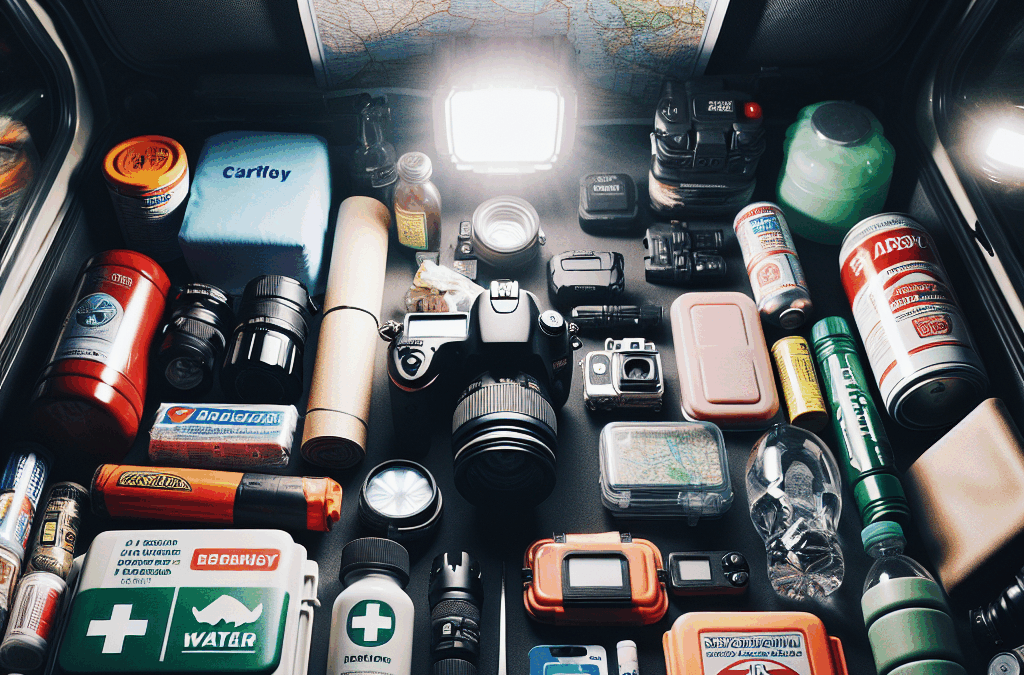
When I first built my emergency vehicle kit, I focused heavily on putting together an emergency kit. This includes essentials like first-aid supplies, flares, and a multi-tool. Each item has a specific purpose that can make a huge difference in a crisis. Trust me; you don’t want to be rummaging through your glove box when something goes wrong.
I’ve found that it’s best to buy a pre-assembled emergency kit if you’re unsure what to include. They usually have everything from sterile bandages to reflective warning triangles. I’d highly recommend checking the expiration dates on any medication or supplies every few months.
Of course, you can customize your kit! Add items that cater to your personal needs or those of your family. For example, if you have pets, consider including food and water for them, too. It makes all the difference knowing you’ve covered all your bases.
Roadside Assistance Tools
In my experience, being stranded on the side of the road is a real wake-up call. That’s why I always keep roadside assistance tools like a spare tire, jumper cables, and a tire inflator in my car. I’ve had plenty of times where those jumper cables saved the day!
It’s essential to know how to use all these tools. When I first learned about changing a tire, it felt overwhelming, but practice makes perfect! Spend some time getting familiar with these tasks, and you won’t have to rely on others when you’re in a jam.
Additionally, consider investing in a roadside emergency tool that combines several functions, like a flashlight, hammer, and seatbelt cutter. When you can tackle multiple problems with one tool, you simplify the whole process, and that’s always a win in my book!
Reflective Gear
One item that often gets overlooked is reflective gear. When you’re dealing with a roadside emergency, being visible is super important. I learned the hard way that standing on the side of a busy road without something reflective can be pretty dangerous!
I keep a reflective vest and some roadside flares in my emergency vehicle. The vest is especially crucial when it’s dark or raining; it really makes a difference. Plus, having those flares can alert other drivers that you’re there, keeping everyone a bit safer.
Remember, incident visibility isn’t just about you. If friends or family often ride with you, having extra reflective gear ensures everyone is safe. It’s just a small addition that can have a massive impact.
Food and Water Supplies
Non-Perishable Snacks
You might be thinking, “Why do I need snacks in my emergency vehicle?” Let me tell you, hunger pangs can make an emergency situation feel that much worse. That’s why I make sure to keep non-perishable snacks like granola bars, nuts, and dried fruit in my glove compartment.
When times get tough, having something healthy to munch on can help keep you calm and collected. Plus, if you’re stranded for hours, those snacks can keep your energy levels up. It’s all about making a stressful situation a little more manageable!
Remember to rotate these snacks every few months. Not only do you want to keep things fresh, but checking back on your supplies allows you to monitor any other items that might need replenishing. And it’s always nice to treat yourself to a fresh snack!
Water Supply
Hydration is essential, folks! I always keep bottled water in my car – this isn’t just for emergencies; it’s great to have for long drives as well. I typically store a few bottles in the trunk. They can get super hot, but there’s nothing quite like drinking water when you really need it.
Make sure to replace your water supply periodically, as it can get stale over time. I usually refresh mine every couple of months, and I try to keep at least three bottles on hand. This way, if I get stuck somewhere, I won’t have to worry about hydration.
The beauty of having extra water on hand is that it can also serve different purposes, such as washing minor wounds or even creating extra coolant for an overheated engine. Keeping those bottles stashed can be a lifesaver!
Portable Water Filtration
Okay, this one might sound a bit extreme, but hear me out – portable water filtration systems are game-changers! In case you run out of bottled water, having the ability to filter water can truly make a difference, especially if you’re in a remote area.
I keep a compact water filter in my emergency kit. It’s lightweight and easy to use, and it ensures I can drink safely in dire situations. Plus, it can work with river or lake water, expanding your options dramatically.
Research what type of filters work for your specific needs and make sure you know how to use them correctly. Remember, this extra layer of preparedness could be what stands between you and dehydration!
Communication Essentials
Fully Charged Cell Phone
These days, we depend heavily on our phones for communication and navigation. One tip I can share from personal experience is to keep your cell phone fully charged at all times, especially before a long journey.
I also ensure to have a charging cable and a portable charger in my emergency stash. It’s an absolute must if you’re stuck somewhere. You don’t want to miss out on calling for help just because your phone is dead!
Make it a habit to check your phone’s battery percentage before hitting the road. This will make a big difference in your preparedness, and it’s a small step that can save you a whole lot of stress and hassle down the line.
Portable Talkie-Walkies
Sometimes cell signals can be spotty or completely nonexistent when you need them most. That’s why I keep a set of portable talkie-walkies in my vehicle. These handy little devices can help you communicate with family or emergency personnel when your phone fails you.
Make sure your walkie-talkies are charged, and familiarize yourself with how to use them. Check the range and set channels so everyone knows how to reach you. Having this additional means of communication can be priceless in urgent situations.
Plus, talkie-walkies can be great for family outings or camping trips. So even if you never need them in emergencies, they’re a tool that adds fun and safety to your adventures!
Emergency Contact List
Surprisingly, one of the simplest things can also be one of the most helpful: having an emergency contact list. I usually keep a printed version tucked away with my insurance papers, and I make sure to update it regularly.
This list generally includes family members, trusted friends, and insurance info – just in case you need to reach out for help. Having these contacts easily accessible can speed up response time during emergencies.
So take a few minutes to compile your list. Not only does it serve practical purposes, but it can also ease your mind knowing you have a plan in place if something happens. An ounce of prevention is worth a pound of cure, right?
Navigation Tools
GPS Device
Although smartphones are handy, having a dedicated GPS device in your emergency vehicle can save you a lot of headaches. I’ve relied on mine countless times, especially when my phone’s battery ran low or I found myself in an area with spotty service.
Make sure to keep your GPS device updated with the latest maps and software, as this ensures you have accurate directions when you need them most. There’s nothing worse than relying on outdated information while you’re lost!
If you don’t own a GPS device, consider downloading offline maps on your phone. This way, you’re covered in areas without Wi-Fi. Just make sure you’re prepared because getting lost can really elevate your heart rate when time is of the essence!
Emergency US Map
While we live in a digital age, let’s not forget about paper maps! A physical map of your region is incredibly handy, especially if technology fails. You can fold it up and fit it right into your glove box.
I always keep a current map on hand because not every road will be easily accessible via GPS, especially in less populated areas. This little addition can help you reroute when roads are blocked or under construction.
Before your next road trip, take some time to familiarize yourself with the main roads and alternatives in your area. Trust me; having a paper map can save the day when technology lets you down!
Detailed Local Road Guides
If you’re venturing into unfamiliar areas frequently, consider keeping a regional road guide with detailed descriptions of back roads and shortcuts. In the age of GPS, it’s easy to forget the good old-fashioned road guides that contain real treasure!
This guide can help you identify alternative routes that might not show up on your GPS. It also provides insights into landmarks, gas stations, and potentially safe areas to stop. Plus, it’s nice to have a backup plan!
Spend some time browsing through sections covering your go-to travel destinations. You’ll be amazed at the hidden gems you can discover. Having this knowledge not only enhances your travel experience but can also be a lifesaver in emergencies.
First Aid and Health Items
First Aid Kit
One of the most vital items I keep in my emergency vehicle is a well-stocked first-aid kit. It might seem basic, but it’s there for a reason! I’ve used it more than I’d like to admit for minor scrapes or cuts.
I recommend checking the contents regularly to ensure everything is stocked and not expired. Be familiar with how to apply a bandage or a pressure wrap; knowing how to use these items can make a significant difference in an emergency.
If you have specific medical needs like allergy medications or a prescription for emergency use, be sure to include them as well. Customizing your first aid kit goes a long way in personal preparedness!
Personal Medications
Another must-have in my vehicle is personal medications. I always keep a stash of over-the-counter meds for headaches, allergies, and even a few for digestive issues. You never know when you’ll need a little relief!
Make sure these medications are properly labeled and organized. A little pouch can keep everything neat and accessible. Again, don’t forget to review your supplies every few months to avoid expired medicine and stock up on the essentials.
Prioritize keeping an inventory of what you have and what you need. After all, life can throw curveballs that come out of nowhere, and being prepared can save your day.
Emergency Blanket
An emergency blanket is another surprise hero in my vehicle. These lightweight thermal blankets are great for keeping warm and can even double as a water-resistant tarp if needed. I never leave home without one!
In colder climates or during the chilly nighttime in remote areas, these blankets can be lifesavers. They help to trap body heat, which can make a huge difference if stranded in cold weather.
Adding a few extra emergency items, like hand warmers, can enhance your kit. Keeping cozy when things go south can truly boost morale, and you’ll be glad you had them on hand!
FAQs
1. What are the basic items I should include in my emergency vehicle kit?
Your emergency vehicle kit should ideally include an emergency kit (first-aid supplies, flares, and a multi-tool), roadside assistance tools (jumper cables, spare tire), food and water supplies, a GPS device, and a first-aid kit.
2. How often should I check and update my emergency supplies?
It’s a good habit to check your supplies every few months. Ensure that food items are fresh, medications aren’t expired, and that your first-aid supplies are fully stocked.
3. Can I rely solely on my smartphone for navigation in emergencies?
While smartphones are useful, they can fail due to low battery or poor signal. It’s also wise to keep a paper map and other navigation tools on hand to ensure you’re fully prepared.
4. What should I do if I run out of bottled water?
If you run out of bottled water, having a portable water filtration system can allow you to purify other water sources. Always prioritize knowing how to set it up properly for safe drinking.
5. Is it necessary to keep food and snacks in my emergency kit?
Yes! Keeping non-perishable snacks can help maintain your energy and morale in emergencies. Make sure they’re easy to store and that you refresh them regularly for freshness.
by Preparation | Aug 3, 2025 | Preparation Call
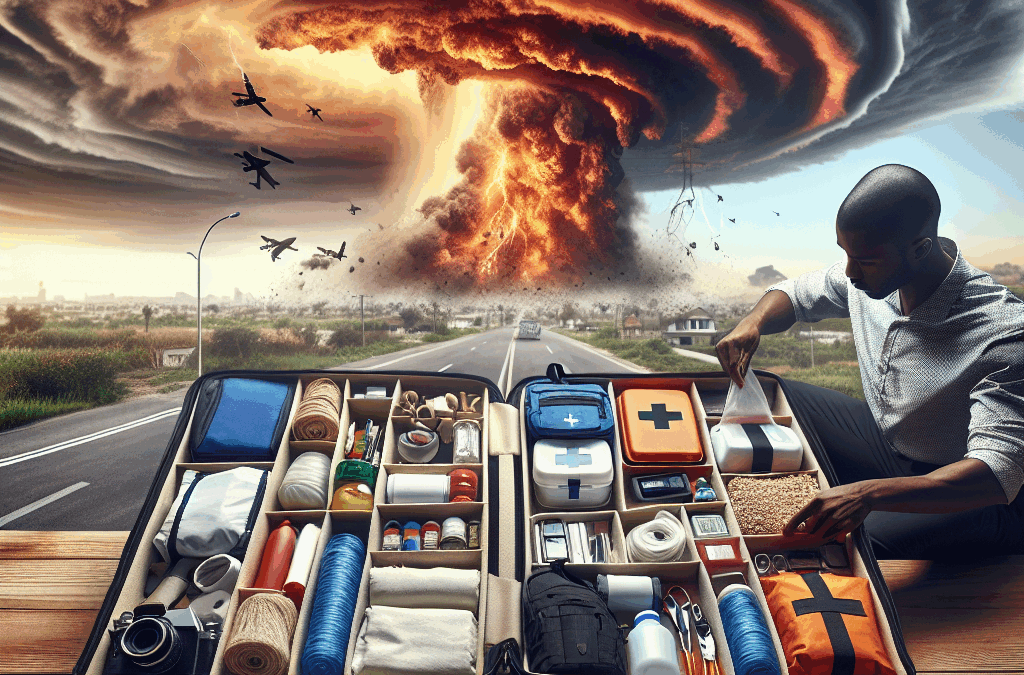
In an unpredictable world, disaster preparedness is not just a luxury; it’s a necessity. Whether it’s natural disasters like hurricanes, earthquakes, or floods, or man-made emergencies such as fires or chemical spills, having a solid plan in place can make all the difference between chaos and calm. Understanding the importance of disaster preparedness empowers individuals and families to face unexpected challenges head-on.
*Essential Components of Your Disaster Preparedness Toolkit**
A comprehensive disaster preparedness toolkit is your first line of defense. Start by including basic supplies: water (one gallon per person per day for at least three days), non-perishable food items that can sustain you and your family for similar durations, and a flashlight with extra batteries. Consider adding a first-aid kit stocked with essential medications and supplies. Don’t forget personal hygiene items to keep everyone comfortable during prolonged emergencies.
Next on the list are important documents: copies of identification, insurance policies, medical records—anything critical that could be challenging to replace quickly. Pack these in waterproof bags to protect them from potential damage.
Finally, consider tools that can assist during recovery phases—multi-tools for repairs and duct tape for quick fixes are invaluable. And if you have pets, ensure their needs are met too; include food supplies and any necessary medications in your kit.
*Customizing Your Toolkit for Specific Emergencies**
One size does not fit all when it comes to disaster preparedness. Tailor your toolkit based on the unique risks associated with your geographic area. For example, if you live in an earthquake-prone region, add sturdy shoes and helmets to protect against falling debris. In hurricane zones, consider investing in tarps or plastic sheeting to cover windows or doors effectively.
Additionally, think about family members’ specific needs—infants may require formula while seniors might need specialized medications or mobility aids included in the kit. The key is recognizing that preparation looks different for everyone but should always prioritize safety and accessibility.
*Creating an Effective Communication Plan**
When disaster strikes, ensuring effective communication is paramount. Develop an emergency contact list that includes local authorities as well as family members who may be separated during an event. Identify multiple methods of communication—texts may get through when calls cannot due to network congestion.
Establish meeting points where everyone knows to go if separated. Make sure each family member understands this plan by practicing it regularly so it becomes second nature when speed matters most.
*Regular Maintenance: Updating and Practicing Your Preparedness Plan**
Having a toolkit is only half the battle; regular maintenance ensures its effectiveness over time. Set reminders every six months to check expiration dates on food items and replace anything that has been used or damaged. Rotate stock so nothing goes unused past its prime.
Moreover, practice your disaster response plans together as a family unit—drill scenarios as if they were real emergencies. This will help reinforce memory recall under pressure while also highlighting any gaps in your preparations that need addressing.
*Community Resources: Engaging with Local Emergency Services and Support Networks**
Finally, don’t overlook community resources! Engage with local emergency services—they often provide valuable training courses on CPR or first aid which can enhance your skill set beyond mere survival supplies. Joining community groups focused on preparedness can offer access to additional resources while building networks of support among neighbors during crises.
By being proactive rather than reactive when it comes to disaster preparedness, you not only safeguard yourself but also contribute positively to your community’s resilience against unforeseen events. So take those steps today; after all, peace of mind starts with preparation!

by Preparation | Aug 3, 2025 | Preparedness
Assessing the Situation
Understanding Potential Reasons for Closures
In my experience, it’s crucial to first grasp why road closures are happening. Sometimes they’re due to construction, accidents, or special events. Knowing the cause can help in planning alternatives. If you anticipate road blockages, it might affect your commute or travel plans significantly.
For instance, if the closure is due to construction, it often lasts longer. Local authorities usually provide information, but their updates can sometimes be vague. They may not always communicate how it’ll affect traffic flow, making it essential to stay informed.
Also, special events like parades or festivals can lead to unexpected closures even if you regularly travel the route. Being aware of the calendar in your area can save you a lot of headaches!
Gathering Real-Time Information
As someone who hates being stuck in traffic, I always recommend checking various sources for real-time updates. Apps like Waze are lifesavers! They pull data from other users who may be stuck in similar situations and can guide you around closures efficiently.
Social media is another goldmine. Local news stations often provide updates on their platforms, while community groups may share the latest finds on road conditions. Following local hashtags can keep you ahead of the game.
Lastly, don’t underestimate word of mouth. Chatting with friends or coworkers can sometimes yield the best tips and insights into what routes to avoid.
Mapping Alternative Routes
Once you know the reasons for the closures and have gathered information, it’s time to get geographical! I like to pull up a map and chart a couple of alternative routes ahead of time. It’s like mapping out an escape plan, haha!
Consider using apps that allow for multiple stops. This way, you can plan not just around the closures but also incorporate necessary stops along the way. For example, if I know a main road is closed, I might plan my route to include my favorite coffee shop to make the best of the detour.
Moreover, familiarize yourself with side streets or less popular roads you might not typically take. When times get tough on the main road, these alternatives can keep your journey moving smoothly.
Gathering Necessary Supplies
Emergency Kits for Vehicles
No one likes to think about breakdowns or being stuck, but trust me, being prepared makes all the difference! I always keep an emergency kit in my trunk. This includes basics like water, snacks, and a first aid kit.
Having road flares and an air pump can also really come in handy. You never know when you might need them! There have been times when I’ve helped strangers on the road, and having a small toolkit in my car made me a hero!
Remember to check your emergency kit regularly. It’s easy to forget about snacks that may expire or batteries that lose juice over time. Keeping these supplies fresh ensures you’re ready for anything.
Keeping Your Phone Charged
I can’t stress enough how important it is to keep your phone charged. It’s our main lifeline for updates and communication. I usually carry a portable charger in my bag just in case, especially when I know I’ll be traveling around an area prone to closures.
If you’re stuck in traffic or at a blockade, you may need to contact someone for help or to inform them about potential delays. Having a dead phone isn’t just inconvenient; it can be a safety hazard!
Consider setting up your GPS beforehand and using hands-free devices if you need to make calls while driving, too. Safety first!
Essentials for Long Waits
Sometimes you may find yourself sitting in traffic longer than expected, so being mentally and physically prepared makes a world of difference. Always keep a few items like a book, some playlists, or podcasts handy. You can make the wait a bit more enjoyable!
Snacks are also a must-have. Healthy options like nuts or granola bars can keep your energy up and your mood positive. Plus, packing a water bottle can prevent those annoying thirst pangs.
And, hey, don’t forget to pack a blanket if you’re anticipating a long wait—especially during colder seasons. Staying comfortable can make sitting in traffic a tad bit better.
Communicating with Others
Informing Your Inner Circle
When road closures disrupt your plans, don’t forget to keep your friends and family in the loop. I always give a heads-up to anyone I’m meeting up with if I anticipate being late. It’s just good manners and can save some awkward waiting around!
Texting a quick update is usually all it takes. It’s surprising how understanding people can be when you communicate openly about delays. They’re likely to appreciate the thoughtfulness.
Also, if you’re traveling with family or friends, communicate with them about your plan, routes, and potential stops. This way, everyone’s on the same page, and it makes the journey smoother and more enjoyable.
Utilizing Social Media
In this digital age, social media is a powerful tool! I often tweet or post updates about my own travel situations, and I encourage others to do the same. This way, we can create a community vibe where everyone shares information on traffic conditions.
Using local event pages or community groups can yield real-time insights that might not be available through official channels. It’s amazing what people will share! Others have often provided alternate routes or updates about when roadblocks are clearing.
Do remember, though, to stick to trustworthy sources. Miscommunication can happen easily, but a cohesive group can often help find the clearest path forward.
Driving Responsibly
Amidst blockades and closures, staying calm is key. I totally get that those situations can be super frustrating, but maintaining patience benefits everyone. I’ve learned that stressing out and honking recklessly only makes matters worse.
Follow traffic rules and respect road signage, especially when detours are set. It’s common sense, but sometimes people forget when tempers flare. Remember, we’re all in this together!
Lastly, safety should always be a priority. If you’re stuck in a dangerous spot, don’t hesitate to call for help, and always keep your seatbelt on. Your safety matters above all else!
Embracing Flexibility
Having a Positive Attitude
Traveling isn’t always about the destination; sometimes, it’s about the journey. I’ve tried my best to embrace a positive attitude when faced with unexpected road closures. After all, it’s an opportunity to explore new paths!
Putting on some good tunes and enjoying the ride can make a huge difference. I’ve discovered new spots and hidden gems because of detours! So rather than panicking, I encourage you to roll with it.
A good mindset turns frustrations into fun adventures, whether it’s singing along to my favorite songs or trying a new route. Sometimes I even challenge myself to discover if I can find a better way through traffic!
Making the Most of the Delay
Speaking of exploring, I often take road closures as a chance to stop and check out places I might not normally visit. Got a cool view? Pull over! Spot a fun diner? Go for it! Embracing these little moments can turn a frustrating experience into a delightful adventure.
Taking some extra time for yourself during these delays can also be beneficial. Whether it’s a scenic photo op or choosing to enjoy your own thoughts for a bit, take a moment to reflect or relax. It’s all about perspective!
Plus, you never know who you might meet! Striking up a conversation with another stuck driver can turn into a funny story later on. Life is also about those unexpected connections.
Improvising Your Plans
Sometimes we get so set on our travel routines that we forget how to improvise. If a road closure reroutes my plans, I’ve learned to be flexible and adapt. Instead of sulking, I switch things up and discover different routes or times.
If my favorite coffee shop is out of reach due to a blockade, I explore a new one. Why not? You may find an even better spot! Each closure can transform an ordinary trip into an extraordinary journey. I’m always down to try something new!
So remember, when plans change, take the opportunity to turn that unexpected twist into something positive. Your roadblocks might lead you to fantastic surprises!
Frequently Asked Questions
1. What should I check first if I anticipate a road closure?
Start by identifying the potential reasons behind the closure, whether it’s for construction, an event, or an accident. Gathering information from local authorities and news outlets can help you stay informed.
2. How can I stay updated on road conditions?
Use apps that provide real-time traffic updates like Waze. Social media is also a great resource to communicate road conditions with others in your community.
3. What essentials should I keep in my vehicle for emergencies?
Prepare an emergency kit with water, snacks, a first aid kit, road flares, and a portable phone charger to help in case of unexpected situations.
4. How can I communicate delays to others?
Don’t hesitate to send texts or make calls to inform people about your anticipated delays. Keeping communication clear shows consideration for their time.
5. Is it really okay to take detours if I’m stuck in traffic?
Absolutely! Embracing detours can lead to new experiences and discoveries. See them as opportunities to break your routine and discover something new.




