Assessing Your Cooking Needs
Understanding Your Situation
When I first started thinking about an emergency cooking station, I realized I needed to assess my own needs. Are you in a storm-prone area? Maybe a wildfire season comes around often? Knowing your risks can help tailor your emergency cooking setup.
For instance, if you live in a place where hurricanes hit, I found that having a portable cooking source can make a world of difference. You want to think about what situations you’re most likely to face because that will guide your decisions going forward.
Spend some time envisioning potential crises. This isn’t just about the types of disasters but also about how many people you’ll need to feed in any given scenario. Understanding what your cooking needs are is an essential first step.
Choosing the Right Equipment
Once I’ve figured out what situations I might face, it’s time to select the right equipment. I always recommend starting with a portable stove or grill; something easy to use and pack away when not in use is key.
Consider the fuel type too! Propane stoves are super popular because they’re efficient and relatively easy to find. However, I also have a trusty campfire setup that I love to use on occasion—it’s reliable and almost feels rustic when you’re cooking over an open flame.
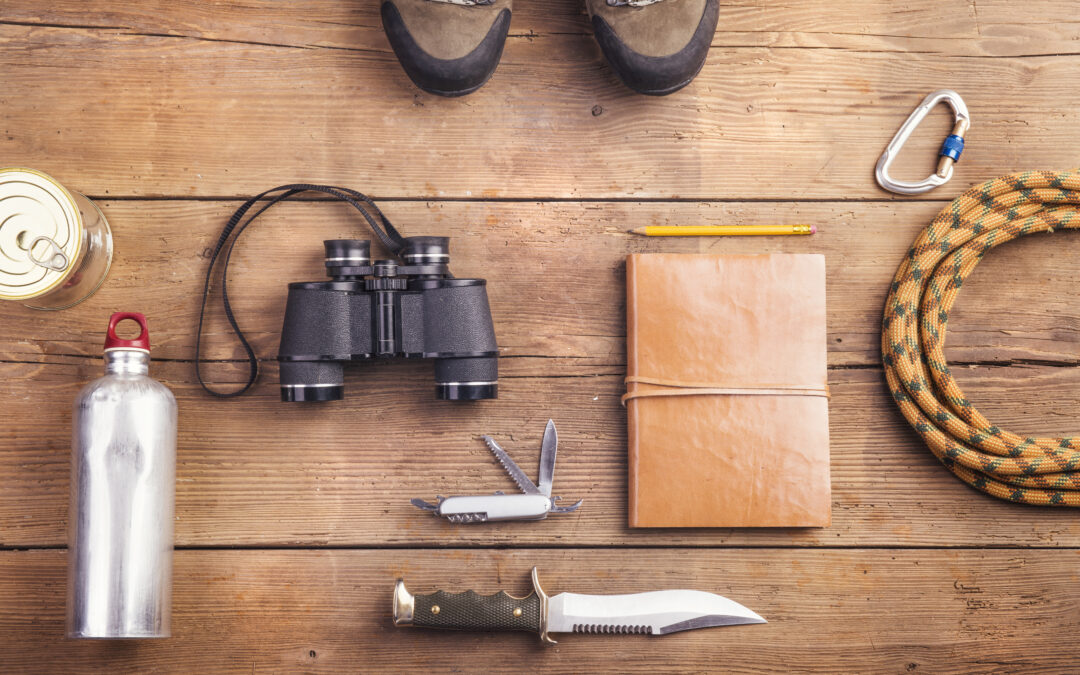
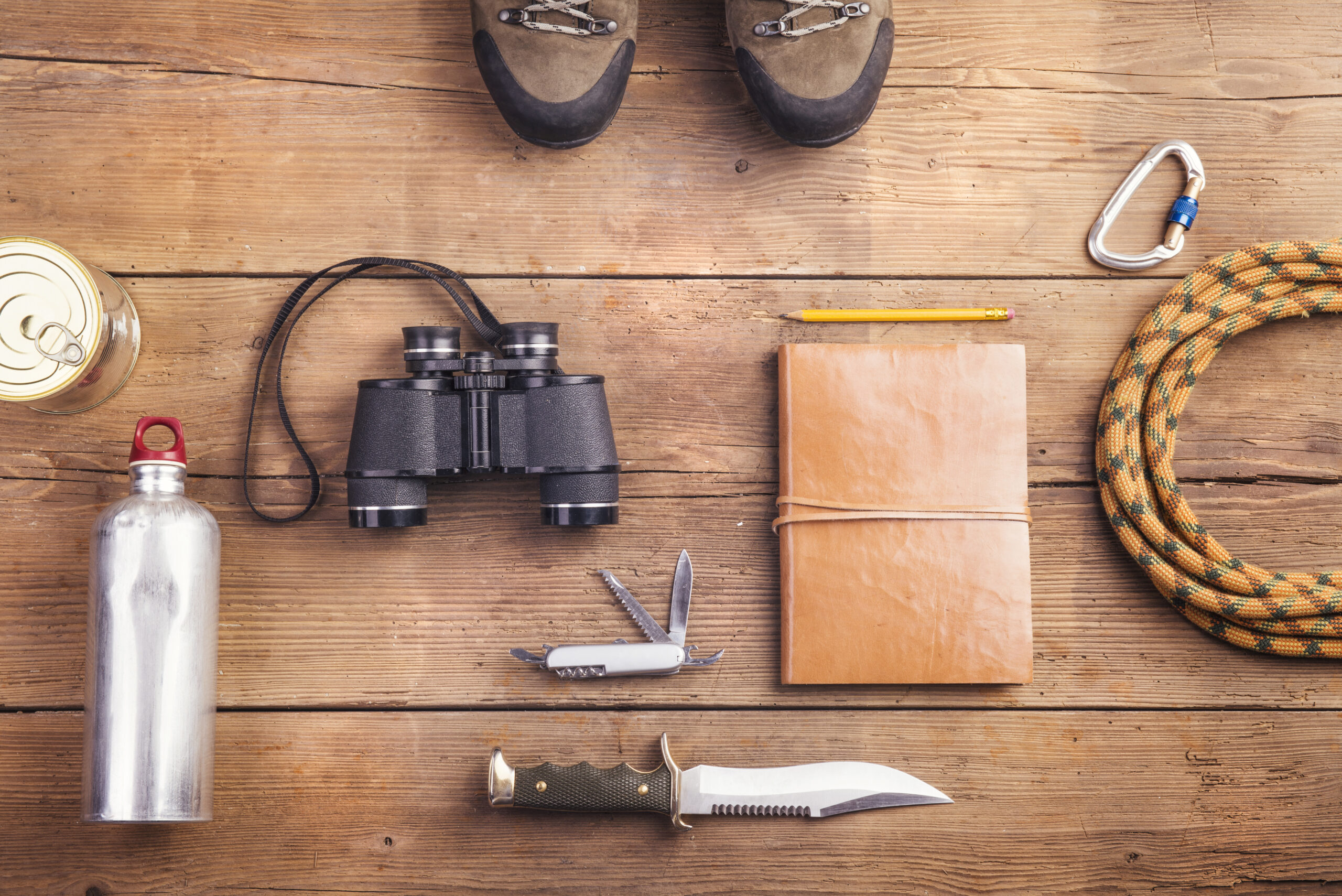
Don’t forget about utensils and pots—having these readily available can make cooking in an emergency a lot easier. I created a checklist for myself, ensuring I have a sturdy pot that can withstand high temperatures, spatulas, and maybe even a few plates.
Food Considerations
Choosing the right food for my emergency cooking station was another crucial step. I like to think about items that are non-perishable and easy to prepare. Canned goods are a must, but I also consider dry foods like pasta or rice.
Additionally, I try to include a mix of proteins, carbohydrates, and even some fun treats. Let’s face it, when you’re in a tough spot, a little comfort food can work wonders for the morale! I often add instant soups or freeze-dried meals that just need hot water.
Lastly, think about any dietary restrictions that exist in your household. Being prepared means considering those needs when stocking your emergency food supplies.
Creating a Safe Cooking Environment
Finding the Right Location
Safety first, right? When setting up my emergency cooking station, I always seek a safe and accessible place. This often means choosing an outdoor space away from flammable materials.
If you’re inside during an emergency, consider ventilation. Using a stove indoors without adequate airflow can be dangerous. I set up my emergency station in my backyard whenever possible, where I can keep an eye on things.
Having a dedicated location also means it’s easier to keep all supplies organized and in one spot. I’ve created a little corner in my garage that’s solely dedicated to my emergency cooking needs—you’d be surprised how it simplifies everything!
Fire Safety
One thing I’ve learned is that fire safety is vital. Always have a fire extinguisher on hand when cooking, especially with open flames. I like to keep one nearby, just in case things get out of hand.
Additionally, know how to use it! Practice using your fire extinguisher—it’s surprising how many folks don’t really know how. I gave myself a little refresher by watching tutorials online; better safe than sorry!
Lastly, put out any flames completely when you’re done. This is a small but significant step that can be easily overlooked during chaotic times. I always make it a habit to double-check everything before leaving my cooking site.
Staying Organized in Chaos
In an emergency, keeping things organized helps tons. I’ve learned to have my ingredients, utensils, and equipment laid out neatly. It reduces stress when I’m trying to cook while the world is falling apart around me.
To achieve this, I often use bins or caddies to keep everything sorted. For example, I have a box specifically for condiments—having spice packets or seasoning in one place makes cooking that much easier.
Creating a system that works for me is key. Whether you’re preparing meals for yourself or a family, your station should be set up in a way that feels intuitive and simple.
Practicing Your Skills
Trial Runs
What’s that saying? Practice makes perfect! I’ve found that doing trial runs is invaluable. I regularly set up my emergency cooking station to test how efficiently everything works together.
During these practice sessions, I’ll try out different recipes with the supplies I’d use in an actual emergency. It’s a great opportunity to see where I might need to tweak things or even add items to my kit.
Plus, having the fam involved is also a blast! Fun family activities turn into useful practice, and it’s an excellent bonding time, all while preparing for the unexpected.

Building Confidence
Each time I practice cooking, I become more confident in my abilities. I remember the first time I attempted to make something on my portable stove—it was a little rocky! But as I practiced, those little errors became less frequent.
The more comfortable I am with my setup, the easier it feels to tackle whatever may come my way. I always remind myself it’s about developing skills and feeling good about what I can accomplish under pressure.
Confidence is key, not just for me but for anyone who might look to me for direction during a crisis. If I feel capable, I can help guide others, whether that’s through cooking or just lending an ear during stressful times.
Adapting to Different Scenarios
Emergencies are never one-size-fits-all, which means I must remain adaptable. There have been moments when I had to think on my feet—like when I run out of a particular ingredient, for example. Learning to adjust recipes with what’s available is a valuable skill.
This flexibility applies to cooking as well. I practice varying my techniques, like being able to grill or boil water with alternative methods if my primary cooking tools fail. It’s all about being resourceful!
Remember, the goal of my emergency cooking station is to maintain nourishment, morale, and even joy during hard times. So whatever works best in that moment is what I will aim to make happen.
Storing and Maintaining Your Station
Regular Inventory Check
Having supplies is great, but keeping track of them is essential too. I make it a habit to do regular inventory checks to see what’s running low or about to expire. Inventory checks should become routine, about every three months works for me!
The last thing I want is to go to grab something and find it’s outdated or missing entirely. I keep a little checklist on my fridge where I note what I have—and I find it’s a super helpful visual reminder.
Also, it helps me keep an eye on my non-food supplies, like propane tanks or other fuel sources. Making sure I’m prepared can be a lifesaver when an emergency strikes.
Proper Cleaning and Storage
I’ve learned that cleanliness is next to preparedness! After each practice session, I give my station a thorough wipe down. This includes washing any pots, utensils, and surfaces I used. I don’t want unwanted bacteria or germs lurking for my next meal prep.
As I store my equipment, I wrap them carefully and ensure everything is labeled. I can’t tell you how many times I’ve dug through bins looking for stuff! Labeling puts everything within reach, and my cooking experience runs smoother.
Additionally, I think about protecting my supplies from pests—keeping everything sealed can save me a huge headache later on. This little diligence goes a long way in maintaining my edible inventory.
Updating Your Supplies
Over time, my tastes change, and so do family preferences. What seemed like a “must-have” supply a year ago might not hold the same value now. I’ve started thinking about updating my emergency supplies every once in a while—favoring fresher ingredients and new recipes.
Also, I incorporate seasonal items that might not be readily available during a crisis. For example, in summer, I might grab more fruits or veggies that can last a while if stored correctly. Experimenting can help keep things exciting!
In my experience, it’s all about creating an emergency cooking station that feels right for me and my family. Flexibility and periodic adjustments set me up for success when that uncertain time comes.
FAQs about Building Your Own Emergency Cooking Station
What equipment is essential for my emergency cooking station?
Some must-haves include a portable stove or grill, cooking pots, utensils, and a reliable fuel source. Don’t forget essentials like a fire extinguisher for safety!
How do I choose the right food for my emergency supplies?
Go for non-perishable items that are easy to prepare. Canned goods, dried pasta, and instant meals are great options. Also, keep dietary needs in mind.
How can I ensure my cooking station is safe?
Choose an outdoor location when possible and keep flammable materials far away. Keeping a fire extinguisher close by is also a sensible safety measure.
How often should I practice using my emergency cooking station?
Aiming for at least once every few months is a good benchmark. The more practice you get, the better prepared you’ll be in actual emergencies!
What should I do if my supplies run low or expire?
Do regular inventory checks every few months, and keep a checklist of items. Make sure to replace and refresh supplies that are getting low or near their expiration dates.