
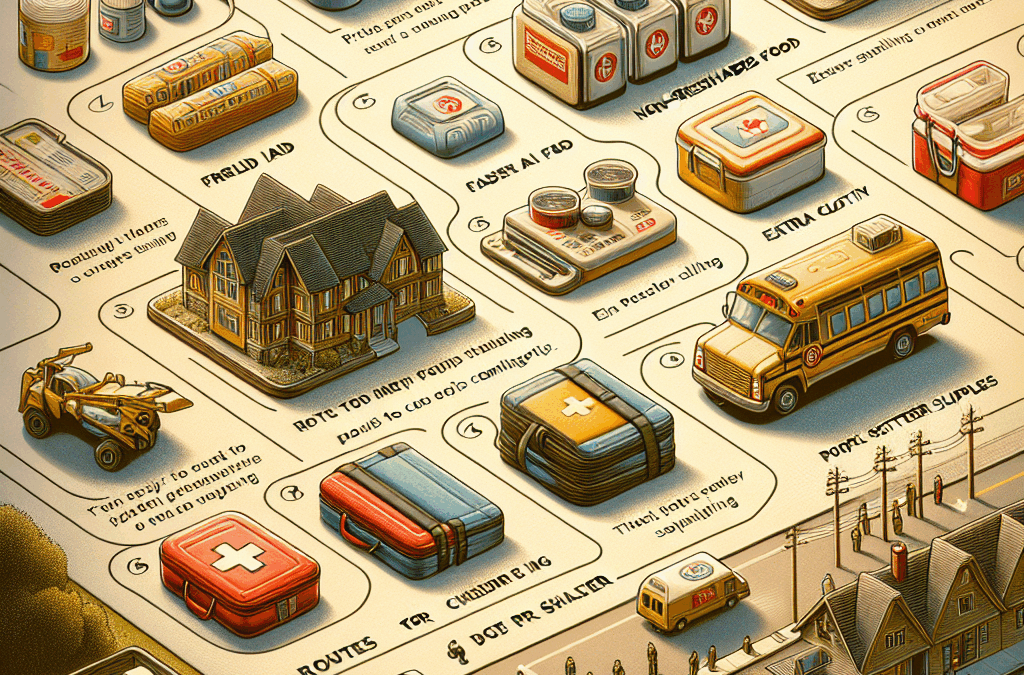
In a world where natural disasters seem to strike with increasing frequency, the notion of being prepared has never been more crucial. The mantra “Don’t wait for the worst” serves as an urgent reminder that proactive measures can mean the difference between chaos and safety when disaster strikes.
*Understanding the Risks: Assessing Your Vulnerabilities**
The first step on your journey toward readiness is understanding what risks are most pertinent to your area. Do you live in a flood zone? Are wildfires common near your home? Perhaps earthquakes or hurricanes pose a threat in your region. Conducting a risk assessment involves not only recognizing these potential hazards but also evaluating how they may impact your life. Consider factors such as geographical location, infrastructure vulnerabilities, and even personal circumstances like health conditions or mobility issues. This comprehensive understanding allows you to tailor your preparedness efforts effectively.
*Creating Your Emergency Plan: Steps to Safety**
Once you’ve identified potential risks, it’s time to create an emergency plan that addresses them head-on. Start by gathering family members for a discussion about what to do in various scenarios—whether it’s an evacuation due to a wildfire or sheltering in place during a storm. Assign roles: who will grab essential items? Who will check on neighbors? Make sure everyone knows escape routes and meeting points outside of the home.
Your plan should include communication strategies; establish how family members will stay connected if separated, especially if mobile networks are down. In addition, consider creating a contact list that includes local emergency services and out-of-town relatives who can serve as additional points of contact.
*Essential Supplies: Building a Comprehensive Disaster Kit**
Equipping yourself with supplies is perhaps one of the most tangible steps you can take towards preparedness. A well-stocked disaster kit is essential for weathering short-term emergencies and should include food, water, medications, first-aid supplies, flashlights, batteries, and personal hygiene products.
Thank you for reading this post, don't forget to subscribe NOW for FREE!

Aim for at least three days’ worth of supplies per person; consider dietary restrictions when selecting food items—canned goods are excellent choices but ensure there’s something for everyone’s palate. Don’t forget about important documents! Store copies of identification papers and insurance policies in waterproof bags within your kit. Regularly review and replenish your stockpile so it remains functional over time.
*Staying Informed: The Importance of Ongoing Education and Drills**
Preparation doesn’t stop once you’ve devised a plan and gathered supplies; continuous education plays an equally vital role in disaster readiness. Stay informed about local hazards by subscribing to alerts from weather services or local government agencies—knowledge is power when seconds count.
Moreover, practice makes perfect! Conduct regular drills with your family to familiarize everyone with procedures during stressful situations—whether it’s practicing evacuation routes or simulating how to respond during an earthquake drill. Engaging children through fun activities can help instill lifelong lessons about safety while ensuring they know exactly what actions to take when faced with danger.
In conclusion, embracing proactive strategies for disaster preparedness not only fortifies your household against unforeseen calamities but also cultivates peace of mind knowing you’ve taken essential steps toward safety. By assessing risks, crafting an emergency plan, assembling vital supplies, and committing to ongoing education through drills and updates—you’ll be ready not just for survival but thriving amid adversity! Don’t wait for the worst; start preparing today!
Related Content
- States vs. Federal Government: A Warning from History and the Need for Preparedness
- Tips for Managing Stress in Survival Scenarios
- How to Protect Your Digital Life in a Crisis
- The Ultimate Guide to 2025 Preparedness for Pandemics: 10 Effective Strategies
- How to Develop a Survival Mindset for Crisis Situations



