When disaster strikes, the impact can be devastating. However, being prepared can mean the difference between chaos and calm. Understanding the risks associated with your location is a vital first step in creating a robust emergency preparedness plan.
*Understanding the Risks: Identifying Potential Disasters in Your Area**
Every region has its own set of potential disasters. Earthquakes may rattle California, while hurricanes threaten coastal communities. Wildfires are a concern in dry areas, whereas severe storms can wreak havoc in others. Start by researching local hazards—visit government websites or community resources to gather information about historical events that have impacted your area. Once you’ve identified these risks, consider how they could affect you and your loved ones specifically.
*Building Your Emergency Kit: Essentials for Every Household**
An emergency kit is essential for every household and should be tailored to meet the needs of your family members. Begin with the basics: water (one gallon per person per day for at least three days), non-perishable food items (think granola bars, canned goods), a flashlight, batteries, a first aid kit, and necessary medications. Don’t forget personal hygiene items and important documents stored securely but accessibly! It’s wise to include items like multi-tools or Swiss Army knives as well as cash; ATMs may not function during emergencies. Finally, remember any special requirements for infants or pets!
*Creating a Family Emergency Plan: Communication and Evacuation Strategies**
Once you’ve gathered your supplies, it’s time to create a comprehensive family emergency plan. Communication is key during crises; establish designated meeting points both close to home and further away in case evacuation becomes necessary. Discuss various scenarios with everyone involved—what will you do if an earthquake strikes while at work? What about when kids are at school? Assign roles based on each family member’s capabilities so everyone knows their responsibilities.
Moreover, ensure all contact numbers are saved both on phones and written down in case electronics fail. It’s also prudent to connect with neighbors; establishing a support network makes everyone safer.
*Staying Informed: Utilizing Technology and Resources During a Crisis**
In today’s digital age, staying informed during an emergency is more manageable than ever! Utilize apps from trusted sources like FEMA or Red Cross—these provide real-time alerts about impending dangers such as severe weather warnings or evacuation notices. Additionally, social media platforms often serve as excellent tools for up-to-the-minute updates from local authorities.
Don’t rely solely on technology though; have battery-operated radios handy too since power outages can occur unexpectedly!
*Practicing Preparedness: Drills, Meetings, and Staying Ready for the Unexpected**
Preparedness doesn’t end with planning—it requires practice! Conduct regular drills simulating different disaster scenarios so that everyone knows what steps to take when fear sets in or confusion reigns supreme. Schedule periodic family meetings to evaluate your plan’s effectiveness—are there gaps? Can improvements be made?
Encourage open discussions about fears related to natural disasters; sometimes talking through anxieties helps alleviate them while fostering teamwork among family members.
In conclusion, preparing for emergencies may feel overwhelming initially but breaking down these steps into manageable parts will empower you and your loved ones when faced with uncertainty. Be proactive today—because when disaster strikes tomorrow, you’ll be ready!
In a world where uncertainties loom large, being prepared for emergencies is no longer just a luxury but a necessity. The adage “Don’t wait for a crisis” resonates deeply when it comes to safeguarding your family and home. So, how do you proactively step into preparedness? Let’s explore the essential components that will help you stand strong in the face of adversity.
## Understanding the Risks: Assessing Your Vulnerabilities
Before you can prepare, it’s crucial to understand what you’re preparing for. Take a moment to assess your environment and identify potential risks. Are you living in an area prone to natural disasters like hurricanes, earthquakes, or floods? Consider technological hazards as well—chemical spills or power outages can disrupt life just as dramatically. Engage in conversations with neighbors or local emergency services to gain insights into common threats in your region. Once you’ve identified specific vulnerabilities, prioritize them based on likelihood and potential impact. This foundational understanding will guide your subsequent steps toward effective preparedness.
## Building Your Emergency Kit: Essentials for Every Household
One of the most tangible actions you can take is assembling an emergency kit stocked with essentials. Imagine facing a blackout during a storm—would you have enough supplies on hand? A well-rounded kit should include non-perishable food items, water (at least one gallon per person per day), first-aid supplies, flashlights with extra batteries, necessary medications, and personal hygiene products. Don’t forget important documents; keep copies of identification and insurance information in a waterproof bag.
Additionally, consider special needs within your household: infants may require baby formula and diapers; pets need food and leashes; elderly family members might need mobility aids or specific medications. Regularly review and update your kit every six months to ensure everything remains fresh and functional—your preparedness shouldn’t gather dust!
## Creating a Family Emergency Plan: Communication and Evacuation Strategies
Once you’ve assessed risks and built your kit, it’s time to map out an actionable family emergency plan. Start by establishing clear communication strategies—who will contact whom if disaster strikes? Designate an out-of-town friend or relative as the central point of contact so everyone has someone to reach out to during chaos.
Next, outline evacuation routes from your home to predetermined safe locations like shelters or designated meeting spots. Practice these routes regularly so everyone knows what to do when time is of the essence. Include contingencies for various scenarios; if you’re separated during an emergency or unable to return home while away at work or school, having alternatives reduces anxiety.
## Staying Informed: Resources and Training for Ongoing Preparedness
Preparedness isn’t merely about having supplies—it’s also about knowledge! Utilize available resources such as FEMA’s website or local community workshops focused on emergency response training. Enroll yourself—and even older children—in CPR classes or first aid training sessions; these skills could save lives when seconds matter most.
Establish routines that keep everyone informed about ongoing threats—subscribe to alert systems that notify you of severe weather warnings or emergencies in your area through texts or apps.
In conclusion, embracing proactive steps toward emergency preparedness transforms uncertainty into confidence. By understanding risks unique to your surroundings, building an effective emergency kit tailored for all household members, creating comprehensive family plans, and staying informed through continuous learning—you’re not just waiting for crises but actively fortifying yourself against them! Equip yourself today so that tomorrow’s challenges don’t catch you off guard!
When you’re out in the wild, you might find yourself wondering where to get water. It’s all around us—in lakes, rivers, and even streams. However, not all water is safe to drink. During my first solo camping trip, I realized just how crucial it is to learn about different water sources. Brush up on how to identify them so you’re not left high and dry!
One common source of water is the runoff from mountains or hills. As I hiked, I spotted trickles of water running down the slopes. Make sure to collect water from fast-moving sources, as they tend to be cleaner than stagnant ones. Just be careful and always check for nearby wildlife—you’d be surprised where things can go wrong!
Remember to look for natural containers like tree hollows or large leaves that can hold rainwater. This method has saved me a few times when I was caught in unexpected downpours with no water source in sight. Be resourceful, and don’t shy away from exploring what nature offers!
Purification Techniques
Now that you’ve located a water source, you’ll need a little know-how to purify it. One of the simplest methods I’ve used is boiling. If you can get a fire going, let that water bubble away for at least a minute—bacteria don’t stand a chance against high heat!
If you’re in a situation where boiling isn’t possible, I recommend using portable water filters. They can be a lifesaver when you’re hiking and want to stay hydrated. I’ve used them countless times, and they pack light, making them an essential part of my survival kit.
Always keep in mind that water purification tablets are another great option if you’re in a pinch. They don’t require much know-how or extra gear. Just drop them in the water—easy peasy, right? Trust me, being hydrated can really keep morale up while you’re out there.
Staying Hydrated
Once you’ve secured your water, don’t overlook how important it is to stay hydrated. Being in the wilderness can drain your energy faster than you think, especially on hot days. During a trek, I always make it a point to sip on water regularly, rather than waiting until I feel parched.
An easy trick is to carry a small water bottle that you can refill throughout the day. Aim for about two liters daily, though this can vary based on your activity level. Monitor how you’re feeling— dizziness or fatigue can be signs you need more fluids.
Also, be mindful of how much you’re sweating! If you’re sweating buckets, it’s crucial to drink even more to compensate. I learned this the hard way on a particularly hot day in July. Listen to your body and respect its needs, especially when it comes to H2O!
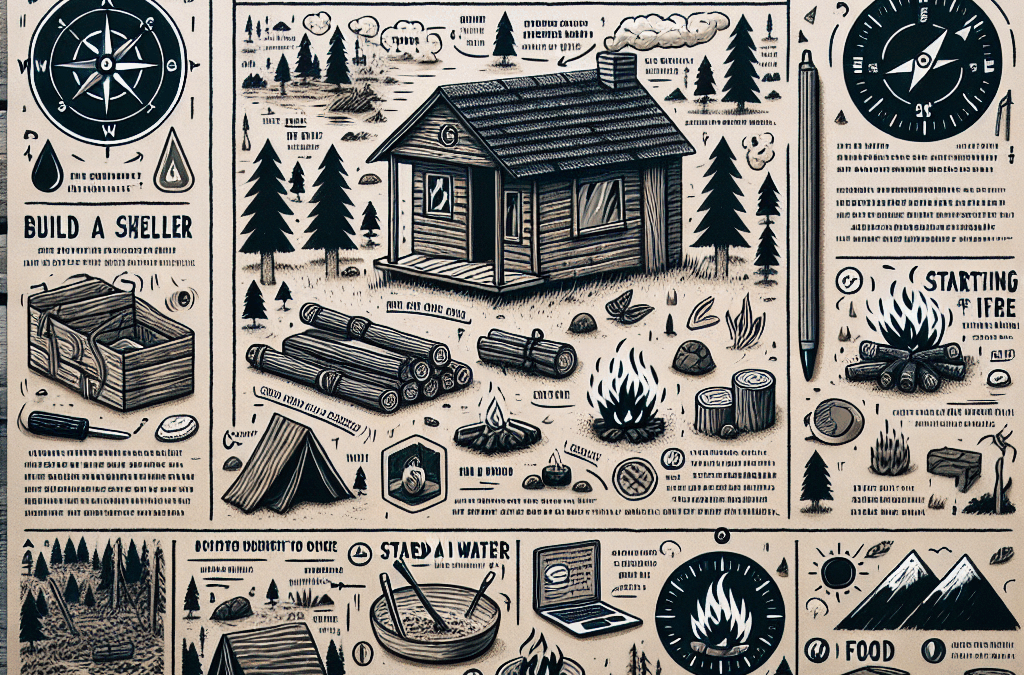
2. Building a Shelter
Choosing the Right Spot
Alright, let’s talk about shelter. Choosing a good spot is half the battle, folks. When I first set up camp, I made sure to find flat ground and stay away from any potential hazards, like falling branches or flooding areas. You don’t want to wake up soaked or smacking your head on a tree!
Look for natural windbreaks—like cliffs or dense foliage—to help shield you from the elements. It’s these little details that can make a big difference, especially if you’re stuck out there for an extended period. I once spent a soggy night because I ignored this simple rule!
Make sure to check for nearby resources too. You don’t want to set up your shelter way far from your water source or fire pit. It saves you energy when everything’s within an arm’s length. Trust me, making your life easier in the wild is key to survival.
Types of Shelters
There are many ways to build a shelter, but let’s keep it simple. The lean-to is one of my favorites. It’s quick to build and can save you from rain. Just prop a large branch against a tree and cover it with smaller branches and leaves—you’ve got yourself a cozy nook!
If you’re feeling a bit more adventurous, try building a debris hut. It’s not just cool to say you’ve done it. It provides excellent insulation. Just be prepared to spend some time gathering materials to make it effective. I once hunkered down in one of these during a chilly night, and let me tell you—it held in the warmth!
Regardless of the type you choose, make sure your shelter is big enough for you and any gear. Don’t want a raccoon stealing your snacks while you’re bundled up! A little space can help keep things organized and cozy.
Using Natural Materials
When you’re out there, Mother Nature is your best friend. Always look for materials like leaves, grass, and branches to enhance your shelter. I’ve used moss for insulation more times than I’d care to count. It’s amazing how effective it is!
Make use of fallen limbs and twigs to create a sturdy frame for your shelter. It’s about working smart with what’s around you. You’ll be surprised how quickly you can piece something together just by using your surroundings!
Lastly, be sure to take your time. There’s no rush in the wilderness. Building a proper shelter can take effort, but it’s immensely rewarding when you climb in and feel the protective comfort of your hard work. Every moment spent building is worth it when the night falls!
3. Starting a Fire
Gathering Materials
Starting a fire is like magic, really. And it all starts with gathering the right materials. In my early camping days, I learned that dry leaves, small twigs, and bigger logs were essential. I always make sure to collect a hefty amount of dry tinder before I start the fire-making process.
Whenever I venture out, I can’t stress enough how crucial it is to scout for materials first. Look around for dead twigs since they ignite easier than green ones. On a particularly chilly evening, I was so glad I had enough tinder gathered because it took me from frozen to feeling cozy in no time!
If you can, look for materials that catch fire easily, like birch bark or dry pine needles. A little preparation can go a long way when things get tough. Just remember, the more material you gather upfront, the easier it’ll be down the line.
Fire Techniques
Now, let’s get into how to actually start that fire. I’ve used matches, lighters—you name it! But I also learned the beauty of fire starters, like cotton balls soaked in petroleum jelly. Those little suckers ignite quickly and can help you out when traditional methods fail. Trust me, having a backup makes a world of difference!
Don’t underestimate the teepee fire structure either. I like to build my wood in a teepee shape—it allows proper airflow and makes it easier for the flames to catch. My first few fires were all about trial and error, but more than a few successes came from this design, let me tell you!
If by chance, you’re feeling adventurous, try the old-school flint-and-steel method. It takes practice but can be super rewarding. Nothing like the satisfaction of starting a fire without modern conveniences. Just make sure to have your tinder ready because it’ll be a quick burn!
Fire Safety
Fire safety is crucial. You don’t want to become a fiery story for the wrong reasons! The moment I build a fire, I make sure to clear away any flammable debris surrounding it. A little precaution goes a long way when the flames start dancing.
Always have a way to put it out, whether it’s water or dirt—something handy nearby that can douse the flames if needed. I’ve had a close call once because I didn’t plan outweighing my excitement with caution. Never again!
Once you’re done, make sure to fully extinguish the fire—no glowing embers left behind. Not only is it essential for safety, but it’s also respectful to nature. The last thing we want is another risk for wildfires. Always leave no trace!
4. Foraging for Food
Identifying Edible Plants
Let’s dive into a topic that’s close to my heart: foraging! It sounds like part treasure hunt, part survival technique. Understanding which plants are edible can be a game-changer when you’re in the wild. I remember my first plant identification session—it was a mix of excitement and nerves!
Always carry a field guide or a foraging app if possible. Take your time to get familiar with what’s safe to eat and what’s not! I’ve come to love wild blueberries, but I also steered clear of poison ivy—yikes! Research beforehand can save you from a rough runtime.
Seasonality plays a role too. Some plants shine at certain times of the year, so keep your eyes on what’s in season. You’d be surprised how much variety there is as the months pass. Planning ahead is essential and can lift your spirits when the snacks seem to diminish!
Hunting and Trapping Basics
If you’re feeling a bit braver, you might consider hunting or trapping. This isn’t something to jump right into without preparation, though! Learn the local regulations before you even think of taking aim. I’ve faced challenges along the way, but patience often pays off.
Start with basic traps. Nothing complicated—simple snares can be made with cordage you find in the wilderness. I once caught a rabbit with a snare I made on that very premise, and it felt like winning a lottery of sorts. Just remember, it takes practice and patience!
For hunting, I’ve also learned that knowing the land and local wildlife behaviors can make your efforts way more successful. Spend time observing before you attempt to hunt. It’s all about learning the rhythm of nature and how to blend in.
Cooking Over a Fire
After you’ve secured food, cooking it becomes the next adventure. Cooking over an open flame can be incredibly satisfying, and let me tell you—everything tastes better al fresco! I usually stick to quick meals that don’t require a ton of prep. Think of skewers with meat and veggies; it’s always a hit!
Make sure to keep an eye on your cookware to avoid any disasters. Don’t be like me and forget about your meal, only to find it burned to an inedible crisp. I’ve made that mistake a few times; the scent alone serves as a reminder!
And if at all possible, get creative. Try baking bread in the ashes or seasoning any catch you have with herbs from the wild. It’s a genuine survival excitement that adds a whole new level of enjoyment!
5. Signaling for Help
Understanding Signal Methods
You never know when you might need to signal for help, and trust me—it’s a good idea to know how! Whether it’s a whistle, mirror, or bright clothing, I’ve found that having multiple signal methods can increase your chances of getting rescued. It’s all about visible measures!
For example, during one hike, I took a brightly colored bandana just for signaling purposes. Loud noises can also grab attention. Consider carrying a whistle around your neck; it’s lightweight and effective. Just remember to use multiple signals—it gets the message across quicker!
Visual signals are equally meaningful. An arranged pattern of rocks or logs in a prominent spot can attract attention. I once arranged my supplies in an “SOS” formation, and it felt empowering to take proactive steps toward staying safe.
Advanced Signaling Techniques
If you’re feeling adventurous, consider fire as a signaling tool! Smoke can attract attention—use dry materials to create a large fire if you’re in a safe location for doing so. I’ve signaled a couple of hiking parties this way, and it offers peace of mind when others might be nearby.
Also, using a reflective surface like a mirror can send a signal even in daylight! Just angle it toward where you’d expect searchers to be. It’s these little tips and tricks that could change the game if things go sideways on your adventure. Keep an open mind!
In essence, it’s about creativity and being prepared. Making backup plans gives you more tools at your disposal when you need them! You’ll feel more secure knowing you have a strategy to get help if needed.
Conclusion
Surviving in the wilderness is all about preparation, knowledge, and staying calm. From finding water to signaling for help, each skill I’ve mentioned plays an essential role in thriving outside your comfort zone. It’s a journey of learning, and with practice, everything becomes second nature!
So, gather your gear, pick your spot, and let the adventures begin! Remember, the wilderness is not just about survival skills; it’s also about enjoying nature and embracing every moment. Make your experiences meaningful, and take the time to appreciate the beauty around you.
FAQ
1. What should I prioritize when starting my wilderness survival journey?
I recommend starting with water purification. Knowing how to locate and purify water is essential to your survival.
2. How do I know if a plant is safe to eat?
Always research beforehand! Use field guides or foraging apps to familiarize yourself with edible plants. If in doubt, do not eat it.
3. What type of shelter is best for beginners?
A lean-to is a great first shelter option. It’s simple to construct and offers good protection from the elements.
4. How important is fire safety in wilderness survival?
Fire safety is crucial! Always clear the area, have a way to extinguish the fire, and make sure it’s fully out before leaving.
5. Can I signal for help without a whistle or mirror?
Absolutely! You can arrange rocks or logs in a visible pattern or create a large fire for smoke. Just be creative with what you have!
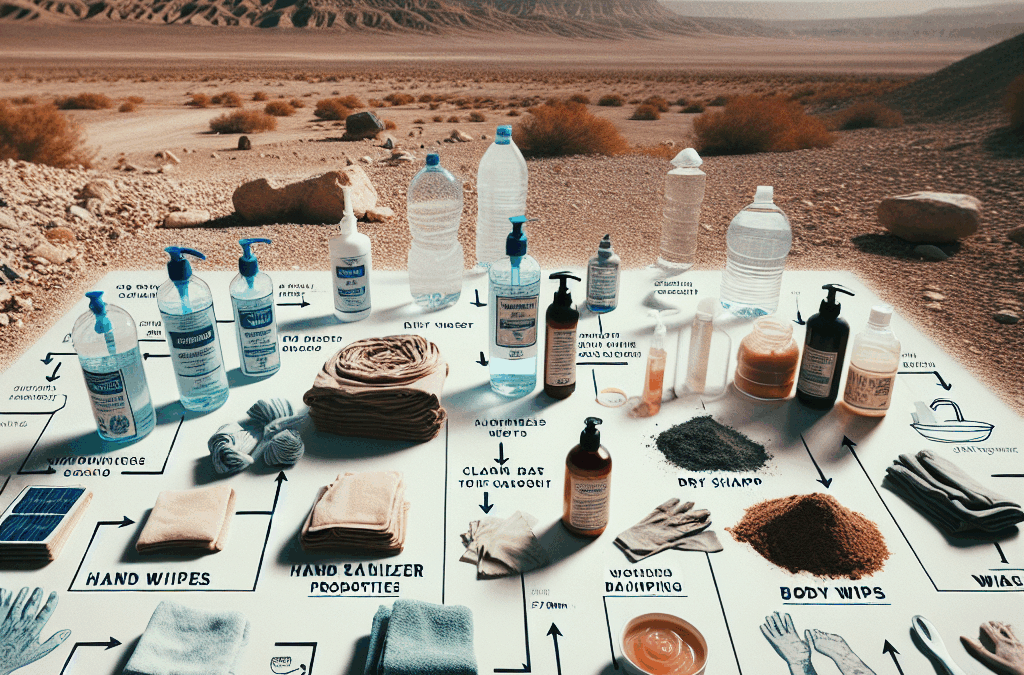
So, let’s start by talking about wet wipes. Trust me; they can be your best friend when you’re trying to maintain cleanliness without access to running water. The key is to choose those that are gentle on the skin but tough on dirt. Look for wipes that are alcohol-free for sensitive skin or those with added moisturizers so they don’t dry you out.
Another thing is to pay attention to the packaging. I’ve had my fair share of wipes that were either too dry or they just didn’t clean well. Always grab a small pack that you can easily fit in your bag. Compression is key here—less weight, more room for other essentials!
One tip: don’t forget to check the expiry date! Yes, those wipes can expire, and using old ones might just defeat the purpose of staying clean.
Rubbing Alcohol as a Cleaning Agent
Now, let’s chat about rubbing alcohol. This stuff is like magic for cleaning! Make sure you’re packing a small bottle in your travel kit. It can be super effective for disinfecting surfaces—just a few drops on a cloth go a long way.
I often use it to clean my phone and personal items like keys. Imagine all those germs lingering around; a quick wipe down with rubbing alcohol will knock them out. However, always use it in a well-ventilated area, as it can be a bit strong. Keeping your space airy is just another way to stay refreshed.
Beyond that, rubbing alcohol can also be used for minor cuts or scrapes when you don’t have access to running water. Just dab it on the area, and it’s like giving your skin a little pep talk to heal faster. How awesome is that?
Creating Your Cleaning Routine
Having a routine is essential! I suggest setting a specific time each day to use your wet wipes and rubbing alcohol. For example, first thing in the morning, after meals, and before you hit the hay. By doing this, you’re keeping a consistent check on your cleanliness.
Also, don’t forget to clean those hard-to-reach places like behind your ears, between your fingers, and even your feet. It may sound weird, but I consider it a little self-care ritual. Trust me, your body will thank you for it!
It’s all about discipline. I made it a point to stick to this routine, and I noticed I felt so much fresher throughout my day. Give it a try; you might just surprise yourself!
Using a Dry Shampoo for Hair Care
The Basics of Dry Shampoo
If you’re anything like me, keeping my hair clean can sometimes be a struggle when there’s no running water. Luckily, dry shampoo is here to save the day. It’s a little miracle worker that absorbs excess oil and refreshes your locks in a flash.
When applying, don’t just spray and walk away! Take a moment to part your hair and really get the base. Work it in with your fingers—it’s like a mini-massage for your scalp. And let’s be real, who doesn’t love that?
Honestly, the variety nowadays is incredible! From powder to spray, you can choose based on your hair type. I’ve found that sprays are super convenient, especially when you’re in a hurry.
Applying and Styling Tips
Let’s talk about application—less is more! Start with a small amount, and build up as needed. You don’t want to look like you’ve just rolled in flour! Focus on the roots and areas that are particularly greasy.
And here’s a pro tip; brush it out afterward! This will help in distributing the product evenly, leaving you with a natural look. I like to finish it off with a quick hair flip to give it a fresh, airy vibe!
Sometimes, I even use dry shampoo as a styling product. You’d be surprised how it gives added volume and texture, making your hair look fab without any water. It works wonders for those second or even third-day hairstyles!
Regular Hair Maintenance
Even when I can’t wash my hair, I keep the regular maintenance routine. You know, trimming, conditioning, and an occasional scalp massage can do wonders. I try to incorporate these practices whenever I can so my hair doesn’t feel neglected, even in waterless situations.
Another huge bonus is the right hair accessories—headbands, clips, and scarves can be lifesavers! They hide any greasiness while keeping you looking stylish.
It’s all about being proactive. If I know I won’t have the chance to wash my hair for a while, I’ll prep by using hydrating products before I even get into that situation. Keep your hair happy, and it’ll show!
Mouth Care and Fresh Breath
Keeping Brushing Supplies Handy
Oral care might seem trickier without running water, but let me share some secrets. First off, carry a toothbrush with you, and maybe a travel-sized toothpaste. Seriously, you don’t want to skip this step even if you’re on the go.
To make it easier, I recommend investing in a bamboo toothbrush which you can toss out guilt-free. Plus, just because you don’t have a sink doesn’t mean you can’t brush! A little water from a bottle will do the trick.
In a pinch, I’ve even brushed my teeth with just plain water and a good toothpaste. Sounds crazy, but sometimes desperate times call for creative measures!
Using Mouthwash Without Water
Mouthwash is a game-changer for fresh breath on the go. It can literally mask odors and give you that clean feeling in seconds. I usually opt for a small bottle of alcohol-free mouthwash because it’s gentle and effective.
Swish it around like the pros do—no water needed! Just a minute or two and you’ve got yourself a fresh mouth. It’s one of those mind-blowing hacks that you wish you knew sooner.
Also, keep some mints or gum handy. They are life-savers when you simply can’t manage a tooth-brushing situation. Pop one in after eating, and you’re golden! It’s all about keeping it casual and easy.
Add Some Flavor to Your Dental Routine
Let’s not forget the fun factor! Flavored toothpastes and mouthwashes can lift your spirits. I never mind reaching for mint or cinnamon flavored products—they make the experience enjoyable! This helps in keeping up with my oral hygiene while making it feel less like a chore.
Sometimes, I even create a mini routine out of it. You know, blast some music, and set a timer! Having a nice rhythm can make brushing or using mouthwash feel more like a self-care moment rather than a chore.
So, take pride in your smile! Even without running water, there are plenty of ways to keep your mouth fresh and clean.
Managing Personal Hygiene with Limited Resources
Choosing the Right Products
When it comes to personal hygiene, selecting the right products makes all the difference. Travel-sized products are perfect since they fit easily in your bag. I love using a small container of body wash that doubles as a hand sanitizer—talk about a two-for-one deal!
Be mindful of the ingredients, though. I’ve seen too many products with harsh chemicals! Natural options can keep you clean without irritating your skin. Brands that focus on essential oils or natural extracts are often a great choice.
Just remember, a little goes a long way. You don’t need to pile on the products; a pea-sized amount can work wonders if you apply it right!
Finding Alternative Hygiene Methods
Sometimes, a simple washcloth or towel can be an elegant solution. You can dampen a cloth with some water or a cleaning solution and wipe down your face and body without needing a shower. It’s super refreshing, especially on hot days.
Another trick I use is to soak some cotton balls or pads with cleansing solutions before packing them. This way, all I have to do is swipe them around my skin for a quick refresh. It feels glorious and invigorates you instantly!
Plus, carry a small bottle of baby powder or cornstarch. They work wonders for keeping your skin dry and fresh if you find yourself in sticky situations!
Creating Environments for Freshness
Finally, your environment matters! Try to find clean spaces or areas where you can comfortably take a moment for yourself. Sometimes I just need a little privacy to do my routine, and that makes a world of difference.
I also like to use air fresheners or even natural scents like lavender or eucalyptus to freshen up in the area I’m in. It’s amazing how a nice smell can uplift your mood and make you feel cleaner. Who doesn’t love a little aromatherapy?
Incorporating these little habits can transform your hygiene game. Even without running water, staying clean is totally achievable!
Maintaining Sanitation with Zero Water
Researching Sustainable Products
To wrap things up, let’s talk sustainability. Even when it comes to maintaining sanitation without water, there are eco-friendly products out there! Using biodegradable wipes or eco-friendly toiletries isn’t just good for us; it’s good for the planet.
I like to spend time reading labels and understanding what’s in the products I use. It’s very empowering when you know you’re making smart choices that benefit not just yourself but the world around you.
It’s also super helpful to educate yourself about local resources, especially if you’re traveling. Knowing where you can access clean and sustainable products makes it easier to maintain hygiene.
Community Solutions and Resources
I hope you realize you’re not alone in this journey! Community resources like public restrooms or stations for travelers can provide options for quick clean-ups. It’s also great to engage with local communities about sustainable practices—sharing tips can be a fantastic way to learn more!
Join social media groups where fellow travelers discuss their own hacks; you can find advice, suggestions, and camaraderie. It can be a great morale booster knowing others are in the same boat as you!
Remember, everyone has their own journey in cleanliness. Borrowing tricks from those shared experiences can enrich your own practices.
Reflection on Personal Practices
And finally, always take a moment to reflect on what works for you. Everyone’s routine will differ based on circumstances, so experiment a little. I often find myself adjusting what I do based on how I feel on a given day.
Staying clean is about consistent little choices that lead to great habits. Over time, these actions will become second nature, and you’ll wonder how you ever lived without them.
So go ahead, embrace this adventurous side of personal hygiene! With a bit of creativity, you can maintain cleanliness without ever needing running water.
FAQ
1. Can I use any type of wet wipes?
While most wet wipes can be used, it’s best to go for those that are designed specifically for skin care. Look for hypoallergenic and alcohol-free options if you have sensitive skin.
2. How do I make dry shampoo work best for my hair type?
For best results, pick a dry shampoo that suits your hair type (oily, dry, or color-treated). Experiment with different brands to find the one that gives you the best volume and texture.
3. What are some good alternatives for toothpaste on the go?
If you’re out of toothpaste, try using baking soda or even a little bit of salt. It’s not perfect, but it can help keep your mouth feeling fresh until you can brush properly.
4. How can I ensure that my cleaning products are sustainable?
Look for those labeled as biodegradable or eco-friendly. Also, check for certifications from known environmental organizations. Always doing a little research goes a long way!
5. Is it essential to have a cleaning routine?
Absolutely! A routine helps in building good habits and ensures that you don’t just neglect personal hygiene. Consistency is key, regardless of the resources you have.
Emergencies can strike at any moment, transforming the ordinary into chaos. Whether it’s a natural disaster, medical emergency, or unexpected crisis, being prepared is your best defense. Here’s a comprehensive guide to help you navigate the essential steps of emergency preparedness.
*Understanding Your Risks: Assessing Potential Emergencies in Your Area**
The first step in preparing for emergencies is understanding the specific risks associated with your location. Are you living in a flood zone? Is your region prone to wildfires, earthquakes, or hurricanes? Start by researching local hazards and consider historical data regarding past incidents. Many communities provide resources online to help residents gauge their vulnerabilities.
Next, think about personal risks as well—do you have elderly family members or pets that require special attention during a crisis? Identifying these factors will empower you to craft effective strategies tailored to your circumstances. Knowledge is power; with it, you can anticipate potential threats and respond proactively.
*Building Your Emergency Kit: Essential Supplies for Any Situation**
An emergency kit is a lifeline when disaster strikes. Start by gathering supplies that cater to various scenarios—think versatility! Basic items should include non-perishable food, bottled water (at least one gallon per person per day), flashlights, batteries, first aid supplies, personal hygiene items, and important documents like identification and insurance papers.
Consider adding specialized equipment depending on your family’s needs; this might involve medications for chronic conditions or baby supplies if there are young children involved. Don’t forget about entertainment options—a good book or deck of cards can keep spirits high during prolonged situations. Regularly check your kit’s contents every six months to ensure everything remains up-to-date and functional.
*Creating a Family Emergency Plan: Communication and Safety Strategies**
A robust plan serves as a roadmap during an emergency—without it, confusion can reign supreme. Sit down with your family to discuss potential scenarios and outline how everyone should respond. Designate meeting places both near home and outside your neighborhood so everyone knows where to go if separated.
Communication is critical; make sure each member has access to emergency contact numbers stored in their phones or written down somewhere accessible. Discuss how you’ll stay informed through alerts from local authorities or weather apps as situations evolve.
Practicing drills fosters preparedness too—consider conducting fire drills or earthquake simulations regularly so everyone knows what steps to take when the real thing happens. The more familiar they become with procedures, the less panic they’ll experience when faced with actual emergencies.
*Staying Informed: The Importance of Training and Resources**
Education plays an indispensable role in effective emergency preparedness. Invest time in training sessions on first aid and CPR; these skills can save lives when every second counts. Many organizations offer classes tailored for families—or even free resources through community centers.
Moreover, utilize technology wisely. Follow trusted sources on social media for real-time updates concerning emergencies in your area—this includes local government agencies and weather channels that provide timely alerts.
In conclusion, being ready for anything involves understanding risks specific to your environment while assembling necessary supplies and creating structured plans with those closest to you. By remaining informed through education and reliable resources, you’ll cultivate resilience within yourself and foster confidence among loved ones—all crucial elements when facing life’s unpredictable challenges head-on!
Disasters can strike when you least expect them, transforming ordinary days into chaotic situations in the blink of an eye. Understanding various types of disasters is the first step toward effective preparedness. Natural catastrophes like hurricanes, earthquakes, floods, and wildfires pose significant threats in many regions. Additionally, man-made disasters such as chemical spills or terrorist attacks can also disrupt lives and communities. Knowing what type of disaster is most likely to occur where you live allows you to tailor your preparation efforts accordingly.
Once you’re aware of potential risks, it’s time to create a family emergency plan. This vital blueprint should outline how each member will respond during an emergency. Start by discussing potential scenarios with your family; ensure everyone knows how to react and where to meet if separated. Designate an out-of-town contact person that could act as a communications hub if local lines are down—this is crucial for keeping tabs on loved ones in chaos. Regularly review and practice this plan so that it becomes second nature when emergencies arise.
A well-prepared household has essential supplies ready for any situation. Begin assembling your disaster kit now—it’s better to be proactive than reactive! At the very least, your kit should include non-perishable food items (enough for at least three days), bottled water (one gallon per person per day), medications, a flashlight with extra batteries, a first-aid kit, hygiene products, and important documents stored in waterproof containers. Don’t forget about pet supplies if you have furry friends! Tailoring your kit to suit specific needs ensures that everyone can stay safe and healthy during trying times.
Staying informed is another critical aspect of disaster preparedness. In our hyper-connected world, communication technologies offer invaluable tools for alerting citizens about impending threats. Sign up for local alerts and notifications through government websites or apps dedicated to emergency management; these resources provide timely updates on weather conditions or safety instructions during crises. Don’t rely solely on social media—often delayed information can spread misinformation faster than facts.
Lastly, let’s talk about recovery and resilience after experiencing a disaster. The journey back to normalcy may feel daunting but remember that rebuilding is part of the process. Emotional support plays an essential role here; lean on community resources such as counseling services or support groups designed specifically for those affected by disaster trauma. Acknowledge feelings while encouraging open conversations among family members—talking things through often alleviates anxiety.
In conclusion, disaster preparedness revolves around knowledge, planning, communication, and emotional strength. By understanding potential disasters in your area and formulating comprehensive plans with essential supplies at hand while staying informed about updates from reliable sources—you’ll reinforce both personal safety and community resilience when faced with adversities ahead! Take action today because being prepared means being empowered; after all, it’s better to have a plan than be left scrambling when calamity strikes!