by Preparation | Aug 24, 2025 | Preparedness
- 1. Develop a Comprehensive Emergency Plan
- 2. Build an Emergency Supplies Kit
- 3. Stay Informed with Reliable Alerts
- 4. Strengthen Your Home Against Disasters
- 5. Know Your Community Resources
- 6. Practice Drills Regularly
- 7. Educate Your Family and Neighbors
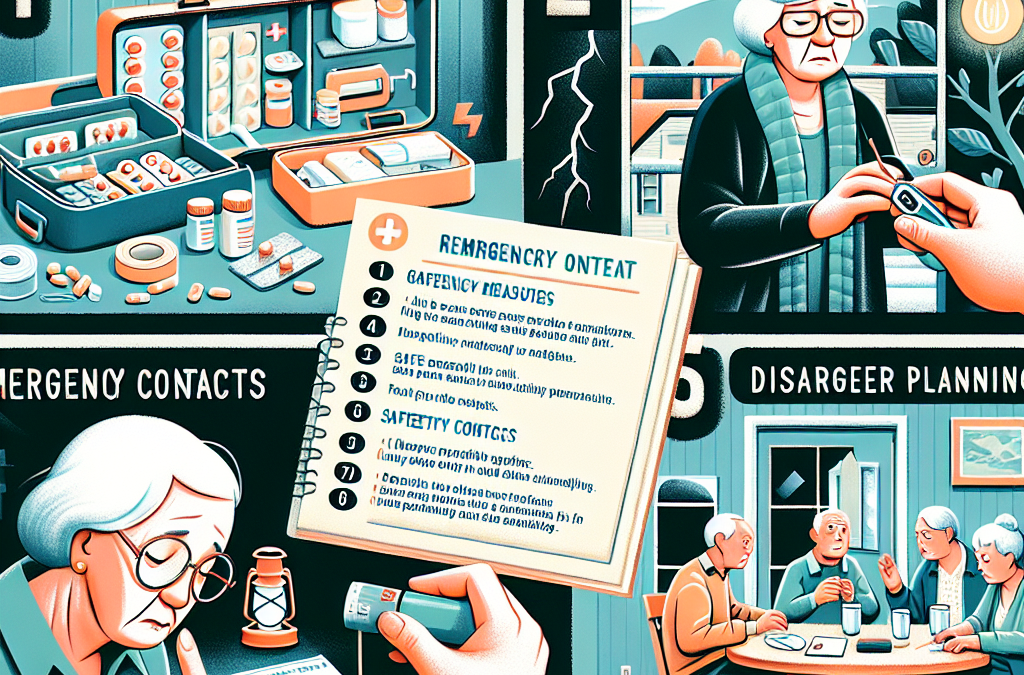
Knowing how to prepare for disaster is more critical than ever as we face increasing threats from natural calamities, cyber-attacks, and other emergencies in 2025. Being proactive and ready can make a significant difference in ensuring your safety and minimizing damage. In this article, Iâll share seven effective strategies that you can implement today to be prepared for any disaster that might come your way.
1. Develop a Comprehensive Emergency Plan
Understanding the Importance of Planning
Creating a well-thought-out emergency plan is the first step in understanding how to prepare for disaster. Your plan should cover evacuation routes, communication strategies, and specific needs for your family members. In 2025, with the increasing frequency of extreme weather events, having a plan tailored to your local risks is essential.
Start by mapping out multiple evacuation routes from your home and workplace. Discuss with your family what to do in different scenarios such as floods, wildfires, or power outages. An emergency plan reduces chaos during a crisis and helps everyone stay on the same page when it matters most.
Make sure your plan includes contact information, meeting points, and roles for each family member. Keep a printed copy accessible and store digital copies securely. Remember, a good plan is useless if not practiced regularly.
Customizing Your Emergency Strategy
Customizing your plan based on your location and personal circumstances is crucial. For example, if you live in a hurricane-prone region, your plan should include specific steps for storm preparation and evacuation. Conversely, urban dwellers should focus on shelter-in-place strategies for power outages or civil unrest.
Stay updated on local emergency protocols and ensure your plan aligns with current recommendations. Using resources like the FEMA website or local disaster management agencies can provide valuable insights. Regular review and updates to your plan are vital to stay prepared for evolving threats in 2025.
Tools like emergency planning apps can also assist in customizing and sharing your plan with trusted contacts, ensuring everyone knows their roles.
2. Build an Emergency Supplies Kit
Essential Items for Your Kit
One of the most practical steps in how to prepare for disaster is assembling a comprehensive emergency supplies kit. Your kit should contain enough essentials to sustain your family for at least 72 hours. Focus on water, non-perishable food, first aid supplies, and personal hygiene items.
According to recent studies, having a minimum of one gallon of water per person per day is vital. Store at least three daysâ worth of food, including canned goods, granola bars, and other long-lasting items. Donât forget flashlights, batteries, a multi-tool, and a battery-powered radio to stay informed during outages.
Include any special needs items such as medications, baby supplies, pet food, and sanitation products. Properly organizing your kit in an accessible container ensures quick retrieval when disaster strikes.
Maintaining and Updating Your Supplies
Regularly check expiration dates on food and medications, replacing items as needed. In 2025, new survival tools and portable technologies are emerging that can enhance your readinessâconsider investing in solar chargers or portable water purifiers.
Itâs also wise to have a smaller secondary kit for your vehicle and workplace. Keep a list of all supplies and review it quarterly. A well-maintained kit is a cornerstone of effective disaster preparedness and will save you time and stress in an emergency.
Using Technology to Your Advantage
Understanding how to prepare for disaster involves staying informed through trusted sources. In 2025, technology offers numerous options for real-time alerts such as government notifications, weather apps, and social media channels.
Sign up for local emergency alert systems like FEMAâs Wireless Emergency Alerts (WEA), and download reputable weather apps that provide timely updates and safety tips. Enable notifications so you get instant warnings about approaching storms, earthquakes, or other hazards.
Additionally, following official social media accounts ensures you receive verified information that can help you make quick decisions during crises. Prioritizing reliable sources reduces the risk of misinformation and confusion.
Practicing Alert Activation
Don’t just set alertsâregularly test them to ensure they work on your devices. Make it part of your emergency drill routine to verify that everyone recognizes alert sounds and understands the necessary response. Familiarity with warning signals is crucial in reducing panic and ensuring safety.
In 2025, I recommend integrating smart home technologyâsuch as connected smoke and carbon monoxide detectorsâthat can send alerts directly to your phone. Staying informed is essential to effective disaster preparedness.
4. Strengthen Your Home Against Disasters
Structural Improvements
Knowing how to prepare for disaster also involves fortifying your home. Structural modifications can significantly reduce damage and increase safety during hurricanes, earthquakes, or floods. Retrofitting your house with storm-resistant windows, reinforced doors, and proper roofing can make a real difference.
Seismic reinforcements, such as securing heavy furniture or installing safety braces, are equally important in earthquake-prone areas. Consult with local experts to identify the best upgrades tailored to your region’s risks.
In 2025, innovative materials like impact-resistant glass and flood barriers are becoming more accessible and cost-effectiveâthese can be valuable investments to improve resilience.
Preventive Maintenance and Safety Checks
Regular inspections of your home’s electrical, plumbing, and roofing systems help prevent disaster-related accidents. Clear gutters of debris, fix leaks, and ensure proper drainage away from your foundation to prevent flooding.
Installing surge protectors and backup power solutions like generators can keep your essential systems running during outages. These preventive measures are crucial parts of learning how to prepare for disaster effectively.

Document your homeâs safety features and keep a maintenance checklist. Staying proactive minimizes unexpected failures during emergencies.
Local Emergency Services and Shelters
Part of understanding how to prepare for disaster is knowing the resources available in your community. Locate nearby emergency shelters, hospitals, and fire stations, and keep their contact info handy.
Many communities in 2025 now have designated safe zones, especially in flood-prone or wildfire areas. Familiarize yourself with these locations and their procedures. Participating in local preparedness events can also give you insights into community plans and support systems.
Building relationships with neighbors and local authorities enhances collective resilience. In times of disaster, community cooperation often saves lives and streamlines response efforts.
Accessing Support & Assistance
If you or your family have special needs, it’s essential to register with local emergency management agencies. Many places offer assistance programs for elderly residents, those with disabilities, or limited mobility.
Keep emergency contacts, medical records, and assistance details updated. Knowing where to turn for help makes your disaster response more effective and less stressful.
In 2025, digital platforms are improving how communities coordinate aidâstaying connected ensures you’re not left behind during crises.
6. Practice Drills Regularly
The Value of Repetition
Practice makes perfectâthis holds true even for disaster preparedness. Regular drills help you understand how to prepare for disaster efficiently, reducing panic and confusion during actual emergencies. The more familiar you are with your plan and supplies, the faster your response will be.
Schedule family drills every six months, simulating different scenarios such as fire, earthquake, or flood. Include practice of evacuation routes, communication plans, and using emergency supplies.
Review what went well and identify areas for improvement after each drill. Updating your procedures based on real experience enhances overall readiness.
Collaborating with Others on Preparedness
Encourage neighbors and community groups to organize joint drills. Communities that practice together foster cooperation and shared knowledge. In 2025, these collective efforts can magnify individual preparedness and quicken evacuation or response times during critical events.
Leverage local, state, or national volunteer organizations that provide training and resources. Engaging in ongoing education keeps your skills sharp and your knowledge current with evolving threats.
Remember, practicing how to respond is one of the most effective ways to ensure how to prepare for disaster becomes second nature.
7. Educate Your Family and Neighbors
The Importance of Community Awareness
In our final tip on how to prepare for disaster, I want to emphasize education. Properly informing your family and neighbors about potential risks and preparedness strategies creates a more resilient community in 2025.
Share your emergency plan, supplies, and safety tips with loved ones. Organize neighborhood meetings to discuss how everyone can contribute to collective safety. A well-informed community can better manage crises and support vulnerable members.
Educational campaigns, social media outreach, and local workshops are powerful tools for raising awareness. The more people know, the stronger our overall disaster response will be.
Conclusion
Knowing how to prepare for disaster in 2025 is about foresight, planning, and ongoing practice. By developing comprehensive emergency plans, building supplies kits, staying informed, and strengthening your home and community, you can significantly enhance your safety and resilience. Remember, preparedness is an ongoing processâregular updates and drills keep you ready for whatever 2025 might bring. Take action today to secure your future and ensure youâre as prepared as possible for any disaster scenario.
Frequently Asked Questions
1. What are the most important steps to learn how to prepare for disaster?
The most important steps include developing an emergency plan, building a supplies kit, staying informed, and practicing drills regularly.
2. How often should I review my disaster preparedness plan?
Review and update your plan at least twice a year, or whenever significant changes occur in your circumstances or local risks.
3. What should I include in my emergency supplies kit for 2025?
Essential items include water, non-perishable food, first aid supplies, batteries, flashlight, personal hygiene products, medications, and any specific needs for your family.
4. How can I learn how to prepare for disaster in my community?
Attend local workshops, participate in community drills, connect with local authorities, and join neighborhood safety groups to learn more about your community resources and plans.
5. Why is practicing emergency drills important?
Practicing drills helps you familiarize yourself with your plan, reduces panic during real emergencies, and identifies areas where improvements are needed to enhance overall safety.

by Preparation | Aug 24, 2025 | Preparedness
Table of Contents
- 1. Stock Up on Food and Water Supplies
- 2. Develop a Family Emergency Communication Plan
- 3. Prepare Emergency Kits for the Whole Family
- 4. Implement Home Safety Measures
- 5. Know Your Local Risks and Evacuation Routes
- 6. Prioritize Health and Medical Preparedness
- 7. Use Technology and Valuable Internet Resources
- 8. Conduct Regular Practice Drills
- 9. Educate the Entire Family
- 10. Support Mental Health and Resilience
Disaster preparedness for families is an essential aspect of safeguarding loved ones in unpredictable times. With climate change, technological hazards, and social upheavals on the rise, being prepared is more critical than ever â especially as we look toward 2025. Having a well-thought-out plan can make all the difference when a disaster strikes, ensuring safety, quick response, and peace of mind for every member of your family. In this guide, Iâll share 10 proven strategies for effective disaster preparedness for families that you can start implementing today.
1. Stock Up on Food and Water Supplies
Assessing Your Familyâs Needs
Proper disaster preparedness for families begins with having enough food and water to sustain your household during emergencies. Experts recommend storing at least a three-day supply for each family member, but aiming for a two-week reserve is ideal, especially given potential supply chain disruptions forecasted for 2025. Consider dietary restrictions, preferences, and special needs when planning your supplies.
Planning ahead helps avoid panic buying during crises. A practical tip is to regularly review and rotate stored items to keep everything fresh. Use airtight containers for dry goods and keep water in sturdy, marked containers. Remember, water requirements can vary, but a general guideline is one gallon per person per day for hydration and sanitation purposes.
Best Practices for Storage and Accessibility
Store your supplies in an easily accessible location known to all family members. Label containers clearly and ensure the storage area is cool, dry, and away from direct sunlight. Investing in stackable bins and portable containers ensures quick access in case of evacuation. Additionally, consider shelf life and periodically check expiration dates â replace expired items to keep your supplies current and ready.
For families with young children or special medical needs, include baby formula, pet food, medications, and other essentials. Proper storage combined with regular maintenance ensures your food and water supplies will withstand the test of time when disaster strikes.
2. Develop a Family Emergency Communication Plan
Creating Clear Communication Strategies
Effective communication can save lives during a disaster. Sit down with your family to create a comprehensive emergency communication plan that includes contact information for each family member, emergency contacts outside your immediate area, and a designated meeting place. In 2025, technological advances like messaging apps and satellite phones can be incorporated into your plan, but always have a backup plan in case of technology failure.
Teach kids how to reach their emergency contacts, and ensure everyone knows to stay calm and follow the plan. Practice your communication strategy regularly, especially for larger families or those with elderly members who might need additional assistance.
Sharing Plans with Extended Family and Neighbors
Particularly in communities prone to natural hazards like wildfires or hurricanes, sharing your disaster plan with neighbors and extended family creates a resilient network. Knowing who has supplies, medical capabilities, or transportation resources can facilitate coordinated response efforts.
Use digital tools like shared documents or apps to keep everyone updated and prepared. A well-structured evacuation or shelter-in-place plan, communicated effectively, ensures you are ready for any eventuality in 2025.
3. Prepare Emergency Kits for the Whole Family
Components of an Effective Emergency Kit
An emergency kit should contain essentials such as non-perishable food, water, first aid supplies, flashlights, batteries, personal hygiene items, and important documents. Make sure these kits are tailored for each family member, including pets. In 2025, consider adding portable chargers, masks, and hand sanitizers to meet health safety standards.
For convenience, pack your supplies in durable backpacks or wheeled bins that are easy to carry and store. Rememberâan emergency kit isn’t a one-time setup; review and update it biannually to accommodate changing needs.
Specialized Kits for Different Scenarios
Depending on your geographic location, prepare specialized kitsâfor example, for earthquakes, floods, or hurricanes. These kits may include waterproof clothing, thermal blankets, or sandbags. If you live in an area prone to power outages, include rechargeable battery packs and portable radios.
Incorporating family-specific needs such as medications, hearing aids, or baby supplies ensures everyone is protected. Having the right gear ready minimizes chaos during an emergency and helps maintain safety and calmness.
4. Implement Home Safety Measures
Structural and Security Improvements
Enhancing your home’s safety is vital for disaster preparedness for families. Check for structural vulnerabilities like loose roofing, insecure windows, or faulty wiring. Reinforcing windows with shatterproof film or installing storm shutters can protect against hurricanes or high winds.
Secure heavy furniture, appliances, and hanging objects to walls to prevent injuries during tremors or strong winds. Regular safety auditsâat least twice a yearâhelp ensure your home remains resilient in 2025’s evolving hazard landscape.
Fire and Gas Safety
Install smoke detectors and carbon monoxide alarms on every level, ensuring they are functioning properly with regular testing. Keep fire extinguishers accessible and familiarize your family with their use. Also, consider installing gas leak detectors if you use natural gas or propane to prevent accidents during power outages or earthquakes.
By taking these proactive safety measures, your home becomes a secure environment where disaster preparedness for families can be effectively carried out, and your household remains protected during emergencies.
5. Know Your Local Risks and Evacuation Routes
Mapping Out Risks and Resources
Understanding your regional hazards is fundamental to disaster preparedness for families. Research local climate patterns, historical disasters, and potential threats like floods, wildfires, or earthquakes. Use state and local government resources to identify high-risk zones and recommended evacuation routes.
Creating a detailed map with multiple escape routes ensures quick relocation when needed. Keep a physical map stored with your emergency supplies, and make sure every family member knows the plan.
Community Shelters and Support Networks
Familiarize yourself with official shelters in your area and conditions for access. Establish contact with neighbors and community groups so that collective support can be leveraged during crises. Working together enhances overall family disaster preparedness and community resilience in 2025.
6. Prioritize Health and Medical Preparedness
Stockpiling Medications and Medical Supplies
Ensure that you have an up-to-date supply of essential medications, especially for chronic conditions like diabetes, hypertension, or asthma. Include in your disaster preparedness for families a first aid kit with bandages, antiseptics, and over-the-counter drugs.
For families with specific health needs, consider sourcing extra prescriptions or arranging emergency pharmacy access. Keep a printed list of medical conditions and medications for quick reference in case of evacuation.
Training and First Aid Skills
Enroll your family in basic first aid and CPR courses. Knowing how to respond to injuries, bleeding, or medical emergencies can be lifesaving. Practice these skills regularly, and teach children age-appropriate safety. In 2025, virtual training and mobile apps are excellent tools to stay prepared, even for busy households.
7. Use Technology and Valuable Internet Resources
Apps and Alert Systems for Emergencies
Smart technology can significantly enhance disaster preparedness for families. Download reputable emergency alert apps that provide real-time notifications about weather or hazards in your area. Sign up for local government alerts via SMS or email to stay informed.
In 2025, integrating smart home devicesâsuch as automated lighting or security camerasâhelp monitor your property remotely and prepare you for potential hazards. These tools enhance situational awareness and ensure quick responses.
Online Planning Tools and Resources
Leverage online checklists, planning guides, and community forums to develop and refine your disaster plans. Government agencies like FEMA provide excellent resources tailored for families. Share these resources with your network to improve community-wide preparedness.
8. Conduct Regular Practice Drills
Simulating Emergency Scenarios
Practicing emergency drills is crucial to ensure everyone knows their role during a disaster. Schedule quarterly drills that simulate various scenarios, from fire evacuations to shelter-in-place situations. Involving children in these exercises helps reduce panic if the real event occurs.
After each drill, hold a debrief to discuss what went well and identify areas for improvement. Incorporate feedback into your family’s disaster preparedness plan.
Family Involvement and Education
Encourage active participation from all members regardless of age. Use fun, educational activities to teach safety concepts and proper responses. Keep safety materials, maps, and emergency contact lists visible and accessible for each family member.
9. Educate the Entire Family
Age-Appropriate Disaster Education
Teaching kids about disaster preparedness should be engaging and suitable for their age. Use books, games, and simulations to explain what to do during earthquakes, floods, or other hazards. Knowledge fosters confidence and calmness in stressful situations.
For teenagers and adults, integrate practical lessons like using fire extinguishers or reading hazard maps. Keep communication lines open about potential risks and safety plans.
Community Engagement and Learning
Participate in local disaster preparedness programs or workshops. Being part of community efforts enhances your family’s awareness and resilience. Knowledge sharing improves overall community readiness in 2025.
10. Support Mental Health and Resilience
Building Emotional Strength
Disasters can be traumatic, especially for children. Establish routines, provide reassurance, and encourage open communication about fears and concerns. Resilience is key to recovery, so foster a supportive environment.
Practice stress-reduction techniques such as mindfulness or breathing exercises with your family. Seek professional help if needed, and use community resources for emotional support.
Creating a Resilience Mindset
Focusing on positivity and preparedness boosts confidence. Celebrate small successes in drills and planning, and emphasize that being prepared makes a difference. Teaching children resilience builds their capacity to handle crises in the future.
Conclusion
In 2025, ensuring disaster preparedness for families is more critical than ever. Implementing these 10 effective strategies can help safeguard your loved ones, reduce chaos during emergencies, and foster resilience in your household. Remember, preparedness is an ongoing processâregular review and practice are key. By staying informed, organized, and proactive, your family can face any disaster with confidence and strength.
Frequently Asked Questions
Q1: What is the most important aspect of disaster preparedness for families?
The most important aspect is having a comprehensive plan that covers communication, supplies, and safety procedures tailored to your family’s unique needs.
Q2: How often should I review my disaster preparedness plans?
It’s recommended to review and update your plans at least twice a year, especially before seasons with higher hazard risks or major life changes.
Q3: How can I involve children in disaster preparedness for families?
Create age-appropriate activities, practice drills, and include children in planning discussions to build their confidence and knowledge about safety procedures.
Select items based on family size, specific health needs, local risks, and the potential duration of an emergency, ensuring everything is accessible and regularly maintained.
Q5: Why is mental health support important during disasters?
Disasters can cause trauma and stress; supporting mental health helps your family recover emotionally, maintain resilience, and reduce long-term psychological effects.

by Preparation | Aug 24, 2025 | Preparedness
Table of Contents
- Introduction to Emergency Response Planning
- 1. Assessing Risks and Hazards
- 2. Establishing Clear Objectives
- 3. Building a Crisis Management Team
- 4. Developing Communication Protocols
- 5. Creating Evacuation Procedures
- 6. Implementing Training Programs
- 7. Utilizing Technology and Tools
- 8. Conducting Drills and Simulations
- 9. Maintaining Your Emergency Response Plan
- 10. Case Studies of Successful Emergency Plans
Introduction to Emergency Response Planning
In 2025, having a robust emergency response plan is more vital than ever. It serves as your blueprint for protecting lives, property, and operations during unforeseen crises. Whether dealing with natural disasters, cyber-attacks, or health emergencies, a well-crafted plan ensures your organization can respond swiftly and effectively. As a safety professional with over 20 years of experience, Iâve seen firsthand how a preparedness mindset saves lives and minimizes damage. Today, I will guide you through the essential steps to develop an emergency response plan that stands the test of time.
1. Assessing Risks and Hazards
Understanding Your Environment
Begin by conducting a comprehensive risk assessment to understand the specific hazards your organization faces. This includes natural risks like floods, earthquakes, or hurricanes, as well as human-made threats such as fires or cyber-attacks. In 2025, the context is ever-changing, with climate change increasing the frequency of certain natural disasters. Accurate risk identification helps prioritize resources effectively. Think of your risk assessment as the foundation of your emergency response plan.
Gather data from local authorities, historical incident reports, and community risk maps. Involving local emergency services can provide valuable insights into prevalent hazards. For instance, if your office is near a floodplain, your plan should address flood response specifics.
Donât overlook emerging threats like pandemics or cyberterrorism. The inclusion of these risks ensures your emergency response plan remains comprehensive and current. Remember, a plan based on outdated data can leave your organization vulnerable when disaster strikes.
Evaluating Vulnerabilities
Assess your organization’s vulnerabilities based on facility design, workforce composition, and operational dependencies. For example, a data center is highly vulnerable to power outages, requiring specific response measures. Evaluate the weakest links to reinforce your preparedness efforts.
Engage employees in vulnerability assessments to uncover blind spots that may not be obvious from a management perspective. Their insights can reveal practical issues, such as evacuation route obstructions or communication gaps.
Regular updates to your risk assessments are crucial, especially in 2025, when new threats often emerge rapidly. This dynamic approach ensures your emergency response plan stays relevant and effective.
2. Establishing Clear Objectives
Defining Your Goals
Every effective emergency response plan starts with clear, actionable objectives. These goals serve as the guiding principles during crises, such as saving lives, protecting critical assets, and restoring services swiftly. In 2025, organizations are increasingly adopting SMART (Specific, Measurable, Achievable, Relevant, Time-bound) objectives to enhance response effectiveness.
For example, a goal could be to evacuate all personnel within 15 minutes of an emergency announcement. Such precise targets help teams stay focused and measure success post-incident.
Align objectives with organizational values and legal requirements to ensure compliance and foster a safety culture. Remember, well-defined goals make training more targeted and response actions more coordinated.
Prioritizing Critical Actions
Prioritization ensures your team acts swiftly on the most crucial tasks. For instance, life safety always takes precedence over property protection. In 2025, technology allows for better task prioritization through AI-driven decision support tools, improving response times.
Develop a hierarchy of actions, from immediate danger mitigation to long-term recovery efforts. Clear priorities streamline decision-making, especially under stress.
Regularly review and adjust your objectives based on lessons learned, technological advancements, and changing risks. This adaptive approach helps keep your emergency response plan relevant and actionable.
3. Building a Crisis Management Team
Assembling the Right Personnel
One of the most critical elements of your emergency response plan is having a dedicated crisis management team (CMT). This team coordinates responses, makes strategic decisions, and communicates with stakeholders. In 2025, selecting team members with diverse skill setsâsuch as security, communications, and technical expertiseâis vital for a comprehensive response.
Identify key personnel from various departments to ensure all operational areas are covered. Training these individuals in emergency procedures and leadership skills enhances overall effectiveness.
Establish clear roles and responsibilities for each team member, and document these in your plan. In high-stakes situations, clarity prevents confusion and delays.
Training and Preparedness
Regular training sessions are crucial for maintaining readiness. Simulated drills and tabletop exercises allow your team to practice response scenarios, identify gaps, and improve coordination. In 2025, virtual reality and augmented reality tools are increasingly used for immersive training experiences.
Ensure that all team members understand their roles and can operate communication and safety equipment effectively. Training also boosts confidence, reducing response time during actual events.
Record training activities and outcomes to track progress. Continuous education ensures your crisis management team remains prepared to implement the emergency response plan efficiently when needed.
Conclusion
Developing an emergency response plan in 2025 is a critical investment in safety, resilience, and operational continuity. By assessing risks, setting clear objectives, building a competent crisis team, and leveraging technology, your organization can respond effectively to any crisis. Remember, the success of your emergency response depends on preparation, training, and continuous improvement.
Stay proactive and ensure your emergency response plan is always up-to-date to navigate the complexities of 2025 confidently. A well-prepared plan can make all the difference in saving lives and minimizing damage during emergencies.
Frequently Asked Questions
1. What is an emergency response plan?
An emergency response plan is a documented strategy that outlines procedures, roles, and resources to effectively handle emergencies such as disasters or incidents, minimizing harm and restoring normalcy.
2. How often should an emergency response plan be updated?
Organizations should review and update their emergency response plan at least annually or whenever significant changes occur, especially in 2025 where new risks and technologies emerge rapidly.
3. What are the key components of an effective emergency response plan?
Key components include risk assessment, clear objectives, a crisis management team, communication protocols, evacuation procedures, training, and regular drills. Incorporating technology is also essential in 2025.
4. How can technology improve emergency response plans?
Technology enhances communication, coordination, and situational awareness through tools like mobile alerts, crisis management software, and real-time data analytics, making responses quicker and more accurate.
5. Why is Employee Training Important in emergency response planning?
Training ensures that employees understand their roles, can operate emergency equipment, and respond effectively during crises, reducing response times and improving safety outcomes.
by Preparation | Aug 24, 2025 | Preparedness
Table of Contents
- 1. Essentials for Starting Your Emergency Prep Kit
- 2. Essential Food Supply Items
- 3. Water and Hydration Solutions
- 4. First Aid and Medication
- 2025. Solar-Powered Emergency Communication Devices
Understanding Basic Emergency Supplies
Building an effective emergency prep kit begins with understanding the fundamental supplies needed to survive the first 72 hours of any crisis. Basic items include non-perishable food, water, a flashlight, batteries, and a first aid kit. In 2025, it’s crucial to keep these essentials updated and tailored to your familyâs specific needs.
For instance, consider compact water purification systems that are lightweight yet reliable. Additionally, having a versatile cooking method, such as a portable stove, ensures you can prepare food even when power is out. Remember, the goal is to create a self-sufficient setup that can operate independently amid disruptions.
Research shows that a well-planned kit reduces stress and improves response during emergencies. As per recent statistics, over 60% of households in disaster-prone areas now prioritize quality emergency supplies to enhance their preparedness.
Selecting Durable and Compact Items
Durability and portability are key when selecting items for your emergency prep kit. Opt for lightweight, sturdy containers that resist the wear and tear of rough handling. In 2025, many manufacturers have introduced innovative gear made from high-tech, damage-resistant materials.
For example, multi-use tools and collapsible water carriers save space while providing multiple functions. Remember, a compact kit is easier to store and quicker to access, which can be crucial during rushed situations. Always test your gear regularly to ensure it remains functional over time.
Personal experience teaches that prepping with durable, multifunctional gear can make the difference between minor inconvenience and major survival challenge during an emergency.
2. Essential Food Supply Items
Non-Perishable Food Options for 2025
Choosing the right food items is pivotal for your emergency prep kit. In 2025, focus on nutrient-dense, long-lasting foods like freeze-dried meals, canned goods, and granola bars. These are lightweight, easy to store, and have extended shelf lives, often exceeding 10 years.
Consider food allergies and dietary restrictions when selecting supplies, ensuring everyone in your household is catered for. Incorporate variety to prevent meal fatigue during prolonged crises. Furthermore, look into innovative packaging that maintains freshness and prevents spoilage.
Research indicates that having a balanced diet with essential vitamins can boost immunity and overall health during stressful situations. Emergency food supplies should ideally include at least a two-week reserve per person.
Meal Planning and Storage Tips
Effective meal planning involves organizing your emergency food supply for easy access. Use clear, labeled containers to categorize food types, and rotate stock to consume older items first. In 2025, smart storage solutions, like vacuum-sealed packs, help prolong freshness.
Store your food supplies in a cool, dry place away from direct sunlight to maximize shelf life. Incorporate calorie-dense options that provide sustained energy, especially when physical activity may be necessary during emergencies. Remember, well-organized storage reduces panic and saves precious time.
Practical advice: Include a manual can opener with your canned food to ensure you’re prepared regardless of power availability.
3. Water and Hydration Solutions
Securing Safe Drinking Water
Water is the most critical component of your emergency prep kit. Experts recommend storing at least one gallon of water per person per day for a minimum of three days, but in 2025, planning for longer periods is wise. Consider multiple water storage options, such as large containers, water bottles, and collapsible bladders.
In addition to storing water, invest in portable purification devicesâlike UV sterilizers or advanced water filtersâthat can provide safe drinking water from natural sources when store-bought supplies run low. Test these devices regularly to ensure functionality during crises.
Statistics show that nearly 60% of urban households lack reliable access to clean water in disaster scenarios, emphasizing proactive water management as a vital part of your emergency prep kit.
Hydration Monitoring and Conservation
Monitoring your water usage ensures you’re conserving supplies effectively. Incorporate hydration tracking tools or simple charts to remind household members to drink regularly. Use water-saving techniques such as reusing water from washing or cooking for other needs when appropriate.
In 2025, innovative hydration solutions like flavored electrolyte powders or portable hydration packs have gained popularity, helping prevent dehydration during exertion or extreme heat. Staying hydrated boosts energy, resilience, and overall health during emergencies.
Practical tip: Always have backup containers to collect rainwater or natural sources, and know the safest ways to purify it.
4. First Aid and Medication
Compiling a Comprehensive First Aid Kit
A well-stocked emergency prep kit must include a thorough first aid kit. In 2025, select kits that contain bandages, antiseptic wipes, tweezers, pain relievers, and specialized items like burn ointment and allergy medications. Tailor the kit to your family’s specific health needs.
Beyond basic supplies, consider adding items like a digital thermometer, blood pressure cuff, and emergency blankets. Keep supplements and vitamins to maintain health and immune resilience during recovery periods.
Studies show that prompt basic medical treatment can significantly reduce complications after minor injuries, making this an indispensable part of emergency preparedness.
Managing Prescriptions and Medical Records
Ensure that all necessary medications are included in your kit, with extra doses where permissible. Keep copies of prescriptions and important medical records in a waterproof, portable file. In 2025, digital storage options paired with encrypted physical copies are recommended for quick access.
Coordinate with healthcare providers to maintain updated medication lists and discuss your emergency preparedness plans regularly. Having access to essential medicines can be life-saving, especially during extended outages or evacuations.
Practical advice: Use pill organizers to simplify medication management during stressful situations.
2025. Solar-Powered Emergency Communication Devices
Stay Connected When It Matters Most
In 2025, innovative communication devices powered by solar energy have become game-changers. These gadgets ensure you stay connected with loved ones and emergency services even when traditional power sources fail. Solar radios, handheld satellite communicators, and solar chargers are excellent additions to your emergency prep kit.
Having reliable information sources can be the difference between safe evacuation and unnecessary risk. Solar-powered devices eliminate worries about battery depletion during prolonged outages, keeping communication lines open.
Experts recommend testing these devices regularly and keeping them fully charged before emergencies occur. This proactive approach maximizes their reliability when you need them most.
Frequently Asked Questions
1. What should I include in my emergency prep kit for 2025?
Your emergency prep kit should include essentials like food, water, first aid supplies, sanitation items, communication devices, and personal medications. Tailor your kit to your specific needs and regional risks.
2. How often should I update my emergency prep kit?
It’s recommended to review and update your emergency prep kit at least every six months. Replace expired food and medications, check new technological gadgets, and refresh water supplies.
3. What are the top trends for emergency preparedness in 2025?
In 2025, technologies like solar-powered devices, advanced water filtration systems, and compact, multifunctional gear are leading trends. Focus on sustainability and long-term efficiency when building your kit.
4. How can I make my emergency prep kit more sustainable?
Opt for reusable, eco-friendly items such as solar chargers, biodegradable sanitation supplies, and durable containers. Reducing waste and energy consumption aligns with global sustainability goals and ensures preparedness in all scenarios.
Conclusion
Building the best emergency prep kit in 2025 is about thoughtful planning, choosing durable and modern supplies, and staying adaptable to new technologies. An effective kit empowers you to face unexpected events confidently, ensuring safety and well-being for your loved ones. By following top tips and strategies outlined in this comprehensive guide, you’re taking proactive steps towards a safer, more prepared future. Remember, the key to effective emergency preparedness is regular review and updates to keep your kit ready for whatever 2025 has in store.

by Preparation | Aug 24, 2025 | Preparedness
- 1. Assemble Essential Emergency Supplies
- 2. Include Reliable Lighting Options
- 3. Pack Adequate Food and Water Supplies
- 4. Prepare Communication Devices
- 5. Equip First Aid and Medical Supplies
1. Assemble Essential Emergency Supplies
A well-prepared storm preparedness kit starts with the essentials that ensure safety during severe weather events. In 2025, having a comprehensive kit is more crucial than ever, given the increasing intensity of storms globally. Your kit should include items such as non-perishable food, bottled water, and basic hygiene supplies. These essentials enable you to sustain yourself during power outages or when access to stores becomes limited.
Creating an effective storm preparedness kit requires careful planning and organization. Think about your specific needs, including any medication, pet supplies, or specialized items for family members. Remember, a good kit is designed not just for survival but also for comfort during stressful situations.
Recommended Items for a 2025 Storm Preparedness Kit
The core of your storm preparedness kit should include:
- At least a three-day supply of bottled water (one gallon per person per day)
- Non-perishable food items such as canned goods and energy bars
- Manual can opener and eating utensils
Beyond these, consider adding batteries, flashlights, and portable chargers to keep communication lines open.
2. Include Reliable Lighting Options
Switching to LED and Solar Lights
Lighting is critical during a storm, especially when power lines are down. In 2025, the trend favors energy-efficient LED flashlights and solar-powered lanterns, which eliminate the need for battery replacements. These options provide consistent illumination without the hassle of frequent battery changes, making them perfect for storm preparedness kits.
Investing in multiple light sources ensures you wonât be left in the dark, whether camping inside your home or seeking safety outdoors. Solar lights are particularly advantageous because they charge during the day and are ready to use at night, providing eco-friendly and cost-effective lighting solutions.
Tips for Choosing the Best Lighting Devices for Your Kit
When selecting lighting, prioritize durability and water resistance. Look for models with high lumen output for brightness and longer battery life. Consider including headlamps for hands-free lighting during repairs or medical emergencies.
3. Pack Adequate Food and Water Supplies
Long-Term Food Storage Strategies
Food safety and availability are top concerns during storms. In 2025, more families are turning to freeze-dried and vacuum-sealed foods for their long shelf life and nutritional value. These foods can last 20-30 years if stored properly and require minimal preparationâideal when cooking resources are limited.
Rotate your stock regularly to ensure freshness and check expiration dates. Also, include dietary considerations like gluten-free, vegan, or allergy-friendly options to meet everyone’s needs.
Water Purification and Storage Tips
Storing clean water is essential. Use large, BPA-free containers for bulk storage and disinfect them regularly. Additionally, including water purification tablets, filters, and portable purifiers in your storm preparedness kit can help you treat natural water sources if supplies run out.
4. Prepare Communication Devices
Choosing the Right Emergency Communication Tools
Staying connected during a storm is vital for safety and coordination. In 2025, satellite phones, NOAA weather radios, and portable chargers are must-haves. These devices can provide updates when traditional cellphone service is disrupted.
Ensure all devices are fully charged and include extra batteries or power banks. Consider investing in solar chargers, which harness sunlight to keep your devices operational throughout prolonged storms.
Utilizing Technology for Storm Alerts
Download reliable weather alert apps and subscribe to emergency notification services. Many apps now offer real-time updates, safety tips, and evacuation routes, which are crucial during unpredictable weather events.
5. Equip First Aid and Medical Supplies
Creating a Comprehensive First Aid Kit
In the chaos of a storm, injuries and health issues can happen unexpectedly. Your storm preparedness kit should include a well-stocked first aid kit with bandages, antiseptics, pain relievers, and any prescribed medications. Don’t forget to add items like thermometer, gloves, and scissors.
In 2025, considering the prevalence of chronic conditions, include supplies such as insulin, inhalers, and special dietary foods. Customize your kit based on personal health needs for maximum preparedness.
Training and Emergency Response
Having supplies is only part of the equation; knowing how to use them is equally important. Take basic first aid training and regularly review emergency response procedures with your family. Being prepared psychologically and practically can make a difference during a storm.
Conclusion
A comprehensive storm preparedness kit is your best line of defense against the increasing challenges posed by natural disasters in 2025. By carefully assembling and maintaining your storm preparedness kit with essential supplies, reliable lighting, sufficient food and water, communication tools, and medical essentials, you ensure safety and resilience for your loved ones. Remember, staying prepared isnât just about having items on handâit’s about creating a plan and practicing it regularly. Invest in your safety today to face any storm that comes your way in 2025 with confidence.
Frequently Asked Questions
1. What should I include in my storm preparedness kit?
Focus on essentials like water, non-perishable food, lighting, communication devices, first aid supplies, and personal medications. Tailor the kit to your family’s specific needs.
2. How often should I update my storm preparedness kit?
Review and refresh your kit every six months. Rotate food and water supplies, check device batteries, and ensure all items are in working condition.
3. Why is a storm preparedness kit important for 2025?
With the increasing frequency and severity of storms in 2025, having a well-stocked storm preparedness kit ensures you are ready to handle emergencies effectively and maintain safety.
4. Where can I find the best supplies for my storm preparedness kit?
Look for reputable suppliers online and in stores specializing in emergency preparedness. Prioritize quality, durability, and compatibility with your needs.
5. How can I make sure my storm preparedness kit is comprehensive?
Research current storm trends in your area, customize your kit accordingly, and practice emergency drills regularly to identify any gaps in your preparedness plan.
by Preparation | Aug 24, 2025 | Preparedness
Table of Contents
- 1. Early Warning Systems
- 2. Emergency Kits and Supplies
- 3. Creating a Family Communication Plan
- 4. Structural Hazard Mitigation
- 5. Allocating Insurance and Financial Assets
- 6. Training and Awareness
- 7. Community Involvement and Resilience
- 8. Utilizing Technology for Preparedness
- 9. Mental Health and Stress Management
- 10. Regular Training and Drill Exercises
1. Early Warning Systems
Understanding Early Detection Technologies
One of the foundational strategies for preparedness for natural disasters in 2025 is the implementation of advanced early warning systems. These systems detect signs of impending events like hurricanes, earthquakes, or floods and notify communities in real-time. Modern technology, such as satellite monitoring and seismic sensors, has drastically improved early detection capabilities. For example, the National Weather Service now deploys AI-driven models that predict storm intensification with greater accuracy.
Investing in and maintaining reliable early warning systems can save lives by providing critical lead time. When communities receive timely alerts, they can evacuate or implement safety measures efficiently, reducing casualties and property damage. Staying informed about the alerts via multiple channelsâalerts on mobile devices, sirens, and local broadcastsâis vital for effective preparedness.
Involving local authorities and emergency responders in this process ensures these systems are integrated smoothly and can be trusted during emergencies. Regular testing and community education about how to interpret warnings increase their effectiveness and help build resilience.
2. Emergency Kits and Supplies
Assembling a Comprehensive Emergency Kit
Creating an emergency kit is a core part of preparedness for natural disasters. An effective kit should contain essentials like water, non-perishable food, first aid supplies, batteries, flashlights, and necessary medications. In 2025, many families are augmenting their kits with additional items like portable chargers, multi-purpose tools, and hygiene products to handle prolonged disruptions.
Make sure your emergency supplies are accessible and stored in a designated location so your family can quickly grab the kit during an evacuation. Itâs recommended to review and update your supplies bi-annually to account for changing needs or expiration dates.
Practical advice includes labeling kits for different family membersâ needs and including important documents, such as copies of IDs and insurance papers, in waterproof containers. Investing in compact, lightweight gear ensures mobility if evacuation is necessary.
3. Creating a Family Communication Plan
Developing Clear Communication Strategies
Effective communication can make all the difference during a natural disaster. Developing a family communication plan ensures everyone knows how to reach each other, where to meet, and what to do if unplanned disruptions occur. In 2025, apps and online platforms facilitate quick information sharing, but traditional methods, like designated meeting points and written contact plans, remain essential.
Discuss and practice your plan regularly, especially with children and elderly family members. Use a shared document or a printed sheet kept in multiple locations to prevent loss of information.
Including out-of-area contacts in your plan can help coordinate efforts if local circumstances prevent communication. This layered approach ensures your preparedness for natural disasters is thorough and effective.
4. Structural Hazard Mitigation
Strengthening Building Foundations
One of the long-term strategies in preparedness for natural disasters is ensuring that your home and structures are built or retrofitted to withstand local hazards. For instance, in earthquake-prone areas, seismic reinforcements and flexible foundations are crucial. In 2025, building codes are increasingly emphasizing disaster-resilient construction techniques.
Retrofitting older buildings can significantly reduce potential damage and ensure safety for occupants. Simple improvements include installing hurricane shutters, reinforcing roofs, or adding sump pumps to prevent flood damage.
Consulting with structural engineers or contractors knowledgeable in disaster-resistant design can help identify vulnerabilities and implement cost-effective solutions. Proactive mitigation minimizes risks and accelerates recovery after a natural disaster.
Conclusion
In 2025, effective preparedness for natural disasters requires a comprehensive approach that combines technology, planning, community engagement, and resilience strategies. By implementing these 10 effective strategies â from early warning systems to mental health support â you can significantly increase your safety and ability to recover quickly. Staying proactive and informed ensures you’re ready for whatever natural events may come. Remember, preparedness for natural disasters is an ongoing process that empowers you and your loved ones to face future challenges confidently.
Frequently Asked Questions
1. Why is preparedness for natural disasters important in 2025?
As climate change accelerates, the frequency and intensity of natural disasters are increasing. Being prepared helps save lives, reduces property damage, and ensures quicker recovery. In 2025, advanced technology and improved planning make preparedness more accessible and effective than ever.
2. How often should I update my emergency kit?
You should review and update your emergency kit at least twice a year. Check expiration dates, replenish consumables, and adjust supplies based on changes in your family or new risks.
3. What are some common mistakes in preparedness for natural disasters?
Common mistakes include not creating a detailed family plan, failing to regularly maintain emergency supplies, neglecting to consider mental health, and ignoring local hazard assessments. Avoid these pitfalls to improve your overall readiness.
4. How can I improve community resilience in natural disasters?
Engaging with local organizations, participating in community drills, and sharing information with neighbors strengthen collective preparedness. Community resilience relies on proactive collaboration and resource sharing.
5. What are the top trends in preparedness for natural disasters in 2025?
Emerging trends include integrating AI and IoT technology for better early warning, smart home disaster mitigation devices, and increased focus on mental health support. Staying informed about these trends helps you adapt your preparedness strategies effectively.




