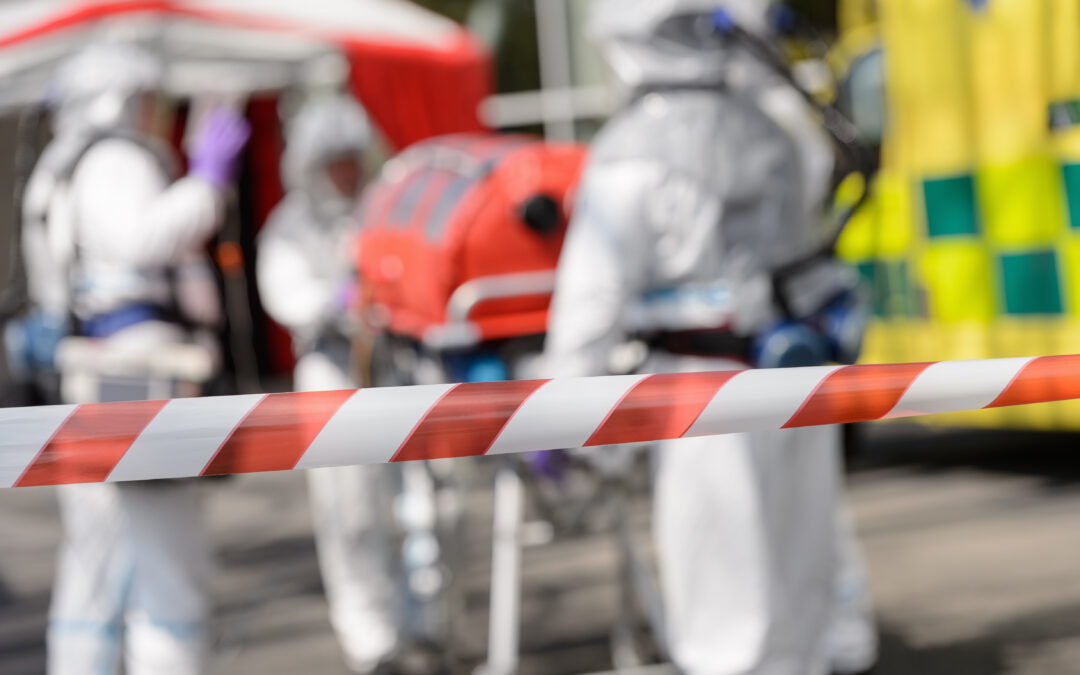
In 2025, the importance of having a well-crafted emergency evacuation plan cannot be overstated. Recent data shows that workplaces with comprehensive evacuation strategies have significantly lower injury and fatality rates during emergencies. For example, during recent fire drills, organizations with detailed plans reduced evacuation time by up to 30%. This means lives are saved and chaos is minimized when everyone knows what to do.
Understanding the critical role of an emergency evacuation plan helps motivate businesses and communities to prioritize safety. An effective plan acts as a roadmap during crisis situations, guiding people to safety and reducing panic. It also ensures compliance with newer regulations adopted in 2025, which emphasize proactive safety measures.
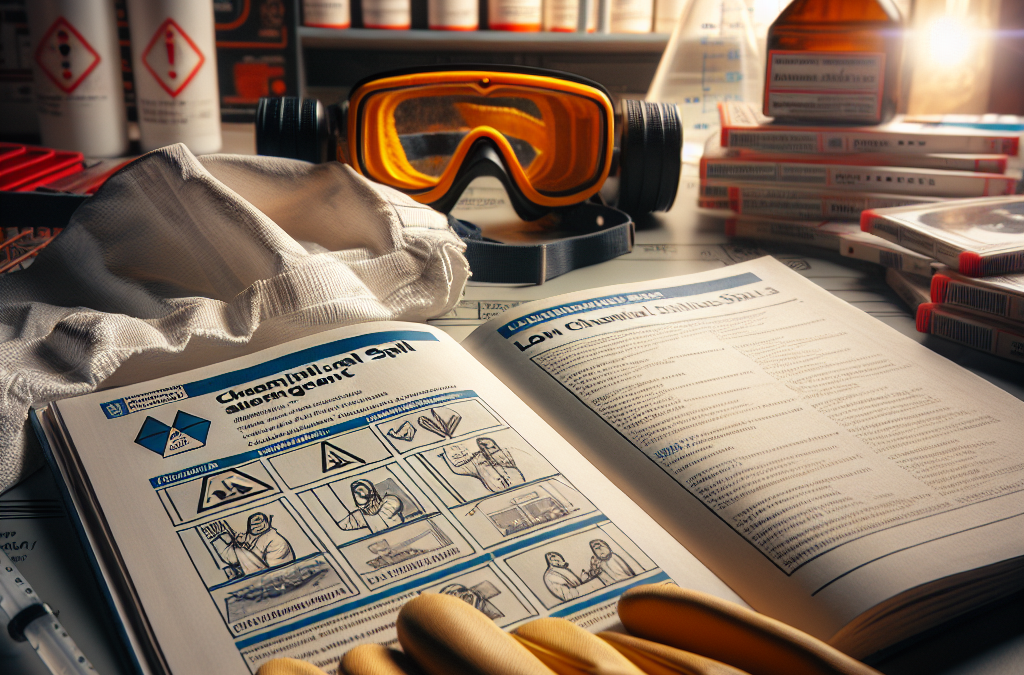
Real-world incidents, such as recent factory evacuations during chemical spills, highlight how delays or confusion can increase harm. A strong emergency evacuation plan is the foundation of effective emergency response, emphasizing preparation over reaction. In this guide, we’ll explore all the essential elements to craft a plan that saves lives.
Legal and Regulatory Requirements in 2025
By 2025, safety regulations have evolved, making it mandatory for organizations of all sizes to maintain current emergency evacuation plans. Non-compliance can result in hefty fines and increased liability. For instance, OSHA standards now require quarterly drills and updated evacuation procedures aligned with modern safety standards.
Furthermore, government agencies have introduced new guidelines that emphasize technology integration, such as real-time notification systems and digital maps accessible via smartphones. Organizations failing to incorporate these updates risk ineffective evacuations during critical moments.
Staying ahead of these requirements is vital. Regular audits and updates to your emergency evacuation plan ensure legal compliance and, more importantly, the safety of everyone involved. Consider consulting safety experts regularly for compliance checks and plan refinement.
2. Assessing Your Risk Factors and Vulnerabilities
Identifying Common Hazards Specific to Your Location
Assessing risks begins with understanding the hazards particular to your environment. For example, coastal areas in 2025 face increased risks from hurricanes and flooding due to climate change. Conversely, urban centers may be more prone to fires and active shooter scenarios. Conducting a thorough hazard assessment helps tailor your emergency evacuation plan to these risks.
Use local historical data and hazard maps to identify specific vulnerabilities. Many municipalities provide detailed risk assessments that organizations can utilize. Understanding these hazards enables you to prioritize certain evacuation routes or procedures, making your plan more effective.
Involving local emergency services in your assessment process enhances accuracy. Their expertise provides insights into recent threat patterns and emergent risks, ensuring your plan remains relevant in 2025âs challenging climate.
Evaluating Building and Facility Vulnerabilities
Beyond external hazards, internal vulnerabilities can compromise evacuation efforts. Regular inspections should focus on structural integrity, fire alarm systems, and escape routes. For example, a 2025 study showed that buildings with outdated electrical wiring experienced a 40% increase in fire incidents, underscoring the importance of maintenance.
In addition, consider factors like occupancy levels, mobility issues, and safety features. For facilities with limited exits, plans must include specific strategies such as phased evacuations or specialized equipment like evacuation chairs.
Creating a vulnerability map of your premises helps visualize areas that need reinforcement or alternate egress routes. This proactive approach reduces in-building risks and streamlines evacuation procedures during emergencies.
3. Establishing Clear Evacuation Procedures
Step-by-Step Evacuation Procedures
A well-defined, step-by-step process ensures clarity during stressful moments. In 2025, organizations are adopting concise procedures like “Stop, Drop, and Roll” for fires and clear voice commands during drills. Document these steps and communicate them visually throughout your facility.
Include instructions for accounting for all personnel and visitors. Assign roles to staff members, such as team leaders and safety coordinators, to oversee smooth evacuation flow. Regular training encourages familiarity, reducing hesitation during real emergencies.
Making procedures straightforward and accessible allows everyone to understand their role. Conduct frequent drills to reinforce these steps, adjusting as new risks or building changes occur.
Role Assignments and Responsibilities
Assigning specific responsibilities to staff ensures accountability. For example, designated safety wardens can assist mobility-challenged individuals or ensure exit doors are unobstructed. Clear responsibilities prevent chaos and duplicated efforts during evacuation.
In 2025, digital tools are increasingly used to manage roles and track responses. Technologies like mobile apps allow real-time communication and task updates, enhancing coordination.
Training staff adequately on their roles cultivates confidence and improves response times. Conduct scenario-based exercises simulating various emergencies to solidify these responsibilities.
4. Designing Evacuation Routes and Exits
Creating Effective and Accessible Evacuation Pathways
Designing clear, accessible routes is fundamental to a successful evacuation plan in 2025. Use physical indicators like illuminated signs and floor markings that comply with ADA standards, ensuring all personnel, including those with disabilities, can evacuate swiftly.
Regularly evaluate routes for obstructions or hazards. In some facilities, temporary obstacles like equipment or storage boxes can block exitsâthese must be kept clear at all times. Use technology like indoor mapping apps for real-time route guidance during an emergency.
Test emergency lighting and signage periodically. In recent years, smart lighting systems that activate during power outages have emerged, improving visibility and safety during evacuations.
Number and Location of Exits
Ensure multiple exits are strategically placed to accommodate maximum occupancy. Building codes in 2025 now recommend at least two exits per large room, and exits should lead to safe assembly areas outside the danger zone.
Exits should be evenly distributed throughout the facility, minimizing travel distance for evacuees. Regular drills reveal whether exits are accessible and sufficient or if redesigns are necessary.
Consider incorporating emergency staircases and external escape routes for high-rise buildings. When designing these, safety features like handrails and anti-slip surfaces are critical for reducing accidents.
5. Communicating the Evacuation Plan Effectively
Using Modern Communication Tools in 2025
Effective communication is key to evacuating everyone safely. In 2025, digital notifications, mobile alerts, and public address systems ensure rapid dissemination of evacuation instructions. Leveraging these tools reduces response time significantly.
Develop clear, concise messages that can be quickly understood. Use multiple channelsâtext messages, social media, email, and loudspeakersâto reach everyone promptly.
Implement redundancy in communication methods. For example, if one system fails, others should automatically activate to prevent confusion or delays during an emergency.
Training Employees on Communication Protocols
Regular training sessions reinforce the importance of communication during crises. Conduct drills that simulate message dissemination and response to ensure everyone understands the protocols. Feedback from these exercises helps refine your approach.
Training should cover identifying reliable communication channels and how to respond to various alerts. Encourage staff to report any issues with emergency communication systems immediately, allowing for swift resolution.
Promoting a culture of safety and preparedness ensures that communication remains effective and reliable when itâs needed most.
Frequently Asked Questions
1. What is an emergency evacuation plan?
An emergency evacuation plan is a detailed strategy designed to safely and efficiently move people out of hazardous areas during emergencies such as fires, natural disasters, or other crises. It outlines procedures, routes, roles, and communication methods to minimize chaos and ensure safety.
2. Why is creating an effective emergency evacuation plan important in 2025?
Creating an effective emergency evacuation plan is essential in 2025 due to increased risks from climate change, urban growth, and technological hazards. Well-prepared plans can save lives, reduce injuries, and ensure compliance with evolving safety regulations.
3. How often should I update my emergency evacuation plan?
Organizations should review and update their emergency evacuation plan at least annually or after significant changes such as renovations, new hazards, or other operational adjustments. Regular drills also help identify weaknesses and areas for improvement.
4. What are the key elements of a successful emergency evacuation plan?
The key elements include clear procedures, accessible routes, designated roles, effective communication, regular training, and compliance with safety regulations. Incorporating technology in planning and drills in 2025 enhances effectiveness.
5. How can I ensure everyone understands the emergency evacuation plan?
Regular training sessions, visual signage, drills, and digital communication tools help ensure all personnel understand and remember the evacuation procedures. Repetition and practical exercises improve response confidence and effectiveness.
Conclusion
In summary, crafting a comprehensive and effective emergency evacuation plan in 2025 is vital for safeguarding lives and assets during emergencies. By understanding risks, establishing clear procedures, designing accessible routes, and communicating effectively, organizations can enhance their preparedness. Remember, an excellent emergency evacuation plan isn’t just documentationâit’s a proactive approach that saves lives when it matters most.
As we look toward 2025, experts warn that electromagnetic pulse (EMP) threats could become more imminent due to advances in technology and geopolitical tensions. An EMP attack could come from high-altitude nuclear detonations or specialized non-nuclear devices aimed at crippling modern infrastructure.
Real-world examples, like the 2012 EMP threat assessments by government agencies, highlight that such an event could severely damage the electrical grid, communications, and transportation systems. Preparation for this threat is crucial for individuals and communities alike.
Staying informed about geopolitical developments and technological advances helps us anticipate and prep for potential EMP scenarios effectively.
With the increasing reliance on digital infrastructure, the impact of an EMP in 2025 could be catastrophic. From banking systems to healthcare, our society depends heavily on electronic devices that can be wiped out instantly.
Prepping for EMP attack isnât just about stockpiling supplies; itâs about understanding vulnerabilities and implementing resilient strategies. The more we prepare now, the better we can withstand the potential chaos of an EMP event.
Personal stories from recent crises remind us that proactive measures reduce panic and facilitate quicker recovery, underscoring the importance of early preparedness.
2. Understanding EMP and Its Effects
What Is an Electromagnetic Pulse (EMP)?
An EMP is a burst of electromagnetic energy that can disrupt or destroy electronic devices. It can be natural, like a solar flare, or man-made, such as a nuclear detonation at high altitude. In 2025, both scenarios remain valid concerns.
EMP effects vary based on altitude, yield, and shielding. A high-altitude nuclear EMP (HEMP) can cover thousands of miles, impacting vast regions with devastating consequences.
Knowing the science behind EMP helps in designing effective prep strategies that mitigate damage and enable recovery.
The Immediate and Long-term Impacts
Immediately after an EMP event, electrical grids, transportation networks, and communication systems may become inoperable. Long-term effects could include food shortages, failure of healthcare systems, and societal unrest.
History and recent simulations suggest that without proper preparation, recovery might take months or even years. Prepping for EMP attack involves understanding these impacts and addressing vulnerabilities.
Practical steps include hardening essential electronics and establishing independent power sources to sustain vital functions.
3. Creating a Prepper Plan for EMP
Developing Your Personal and Family Emergency Plan
Start by assessing your householdâs specific needs, including medical supplies, food, water, and communication options. Create an easy-to-follow plan that includes meeting points, emergency contacts, and safety procedures.
Regularly practice your plan to ensure everyone understands and can execute it under stress. Include instructions for safe handling of electronic devices and alternative communication methods.
Remember, a well-prepared plan minimizes chaos and ensures family safety in the aftermath of an EMP attack.
Stockpiling and Accessing Critical Resources
Focus on non-perishable food, water purification supplies, medical kits, and tools for making repairs. Also, consider stockpiling backup batteries, solar chargers, and offline communication devices like ham radios.
Having a diversified stockpile that can sustain your household for weeks or months is vital, especially as supply chains may be disrupted during an EMP crisis.
Actively manage your supplies, check expiration dates, and rotate stock to stay prepared for 2025 and beyond.
4. Stockpiling Essential Supplies
Food and Water Storage Strategies
Build a stockpile of at least a three-month supply of non-perishable foods such as canned goods, rice, beans, and freeze-dried meals. Use airtight containers and store in a cool, dark place.
Maintain a water reserve of one gallon per person per day, with purification options like filters, tablets, or boiling techniques.
Regularly inspect and rotate your supplies to ensure freshness, and consider methods to purify contaminated water if needed.
Medical and Hygiene Supplies
Accumulate comprehensive medical kits including antibiotics, pain relievers, bandages, and sanitation supplies. Itâs critical for maintaining health in extended crises.
Include hygiene essentials such as soap, hand sanitizers, feminine products, and cleaning supplies to prevent illness.
Learn basic first aid skills to address injuries quickly and effectively during a prolonged EMP event.
5. Building a Safe Energy Supply
Solar Power Options for Resilience
Investing in solar panels with charge controllers can ensure a renewable power source unaffected by EMP if properly shielded. Portable solar generators are great for quick setups and backup power.
Shield sensitive electronic components with Faraday cages or grounding techniques to withstand EMP effects.
Plan your energy system layout to maximize efficiency and reliability in emergency conditions.
Backup Power Strategies
Maintain deep cycle batteries and generators as backups. Ensure fuel storage is safe and sufficient for extended outages.
Consider manual alternatives for essential appliances and tools, reducing reliance on electronic systems during critical times.
Regularly test and maintain your energy solutions, keeping safety and EMP protection top of mind.
6. Establishing Communication Strategies
Offline Communication Devices
Ham radios, satellite phones, and walkie-talkies provide vital communication channels when cell networks collapse after an EMP event. Make sure to have spare batteries and manuals for operation.
Learn how to operate these devices and establish regular check-ins with your network of trusted contacts.
Store relevant manuals and contact information offline to ensure accessibility during crises.
Community and Neighborhood Communication Plans
Create a neighborhood communication team to coordinate efforts and share resources. Establish predetermined meeting spots and communication protocols.
Participate in local preparedness groups to better understand regional risks and collective strategies.
Neighbor cooperation often becomes vital for survival and rebuilding efforts after an EMP attack.
7. Community Networking and Cooperation
Building Local Preparedness Networks
Forge relationships with community members, local leaders, and emergency responders. Collective planning enhances resilience during EMP crises.
Share resources, skills, and knowledge to create a robust support network. Mutual aid agreements can ensure everyoneâs safety.
Attend preparedness workshops and participate in drills to strengthen community bonds and response capabilities.
Collaborative Storage and Sharing Resources
Develop shared resource hubs, including food stores, medical supplies, and communication tools. This approach reduces individual burdens and maximizes survival chances.
Utilize local social networks or online groups to coordinate efforts and disseminate critical information quickly.
Building a resilient community ultimately provides a stronger shield against the chaos following an EMP attack.
Frequently Asked Questions
1. What is prepping for EMP attack, and why is it important in 2025?
Prepping for EMP attack involves making plans and taking actions to protect yourself and your family from the devastating effects of an electromagnetic pulse event. With increasing technological dependence, 2025 presents unique risks, making prep essential for resilience and safety.
2. How can I protect my electronic devices from EMP damage?
Use Faraday cages or specialized shielding techniques to safeguard sensitive electronics. Keep backups offline and consider EMP-hardened hardware. Regular maintenance ensures your devices are ready if an event occurs.
3. What essential supplies should I stockpile for prepping for EMP attack?
Focus on non-perishable food, clean water, medical supplies, renewable energy sources, and offline communication devices. Diversify your stockpile to cover weeks or months of needs.
4. Are there community strategies to improve preparedness for EMP scenarios?
Yes, forming neighborhood networks, mutual aid groups, and community emergency plans enhance resilience. Sharing resources and knowledge helps overcome challenges during extended outages.
5. What should I include in an emergency communication plan for 2025?
Use HAM radios, satellite phones, and walkie-talkies with backup power. Establish regular check-ins, offline contacts, and clear protocols to stay connected after an EMP event.
Conclusion
In 2025, understanding and implementing effective prepping for EMP attack strategies is crucial for protecting yourself, your loved ones, and your community. From developing a solid plan to stockpiling supplies, building resilient energy sources, and fostering community cooperation, every action counts. Preparing now ensures that you can survive and thrive despite potential threats posed by electromagnetic pulses. Don’t waitâstart your prep journey today to stay safe and resilient in the face of future challenges.
1. Understanding the Threat of Nuclear Disasters in 2025
The Current Nuclear Landscape in 2025
In 2025, the global landscape has shifted with new geopolitical tensions, increased military conflicts, and technological advancements that influence nuclear risk levels. Recognizing the evolving threat is fundamental to effective preparedness for nuclear disaster. Experts indicate thereâs a higher likelihood of incidents due to complex international relations. Understanding these factors helps individuals and communities better anticipate potential emergencies.
While the probability of a nuclear incident remains statistically low, the consequences can be catastrophic. Historically, events such as Chernobyl and Fukushima serve as stark reminders of nuclear hazards. In recent years, countries have invested more in nuclear technology for energy, but also in security measures against possible threats. Staying informed about these developments is crucial for 2025 preparedness.
Overall, being aware of the specific risks associated with nuclear disasters in 2025 allows for more targeted planning. Risk assessments should include local geopolitical climates, nuclear plant safety statuses, and international conflict zonesâfactors that can influence preparedness strategies.
Advancements in nuclear technology make preparedness for nuclear disaster more relevant than ever. Public awareness and readiness can significantly reduce risks and save lives. According to recent studies, communities with proactive preparedness plans experience faster recovery times and lower health impacts after nuclear events.
Moreover, with climate change and global instability, the potential for nuclear accidents or malicious acts increases. Being prepared means having the knowledge, supplies, and action plans ready before an incident occurs. This guide will cover essential tips to help you build resilience in 2025 and beyond.
Remember, preparedness isnât just about individual safety but also about community resilience. By understanding the threat, you contribute to collective security and peace of mind.
2. Building a Nuclear Emergency Kit
Essential Items to Include in Your Kit
Creating a comprehensive nuclear emergency kit is the first step toward effective preparedness for nuclear disaster. Your kit should include potable water (at least one gallon per person per day for three days), non-perishable food, and first aid supplies. Additionally, include radiation detection devices like dosimeters or Geiger counters, masks with filters, and protective clothing.
Other crucial items are flashlights, batteries, a battery-powered or hand-crank radio for updates, and sanitation supplies. Consider including iodine tablets to block radioactive iodine absorption, which is vital during nuclear fallout. Stockpile these supplies in a sturdy, accessible container, and review your kit regularly to replace expired items.
It’s also wise to customize your kit based on the needs of children, elderly family members, or pets. A well-prepared emergency kit ensures that, during a nuclear disaster, you can maintain safety and health until help arrives or it is safe to evacuate.
How to Store and Maintain Your Emergency Supplies
Proper storage is key to ensuring your emergency kit remains effective. Store items in a cool, dry, and accessible locationâpreferably in airtight containers to prevent contamination or spoilage. Label everything clearly, and include a list of contents for quick reference.
Regular maintenance involves checking expiration dates, replacing expired food or medical supplies, and testing batteries and devices like Geiger counters. Set a schedule, such as every six months, for a thorough review. During daylight savings time changes or reminders, ensure your kit is ready for immediate use.
Many emergency preparedness experts recommend storing some supplies in multiple locationsâhome, car, workplaceâto ensure accessibility wherever you are during a nuclear incident. Well-maintained emergency kits are integral to your preparedness for nuclear disaster in 2025.
3. Developing a Family Emergency Plan
Creating a Communication Strategy
An effective family emergency plan includes a clear communication strategy. During a nuclear disaster, cell networks may become overloaded or fail, so establish alternative methods such as designated meet-up points, emergency contacts outside the affected area, and backup communication devices like walkie-talkies.
Make sure every family member knows who to contact and where to meet if separated. Practice your plan regularly through drills to ensure everyone is prepared. Include instructions for staying indoors, evacuating, or seeking shelter based on different scenarios.
Your plan should also account for special needs or vulnerabilities, such as elderly relatives or pets. The goal is to minimize chaos and ensure everyoneâs safety during a nuclear incident.
Preparing Documents and Personal Items
Gather essential documentsâIDs, insurance policies, medical recordsâand keep digital copies secured online or on a portable device. Pack these items in your emergency kit for quick access. Also, prepare a list of medications, allergy information, and contact details for medical providers.
In 2025, digital backups and portable storage devices are increasingly vital for rapid information retrieval. Discuss your emergency plan with all family members, review it periodically, and update it as needed to reflect changes in contact info or family circumstances.
A comprehensive family emergency plan ensures your loved ones are resilient and well-prepared for any nuclear disaster scenario.
Frequently Asked Questions about Preparedness for Nuclear Disaster
1. What is the most important thing to do for preparedness for nuclear disaster?
The most important step is to have a well-stocked emergency kit, develop a thorough family emergency plan, and stay informed about nuclear risks in your area. Knowledge and preparation are your best defenses.
2. How can I protect myself from radiation exposure during a nuclear disaster?
Seek shelter indoors, preferably in a central part of your home, and stay away from windows. Use masks and protective clothing, and follow guidance on clean-up and decontamination processes issued by authorities.
3. Why is preparedness for nuclear disaster crucial in 2025?
With increasing global nuclear risks and technological advancements, being prepared can significantly mitigate health risks and improve safety. Early planning saves lives and reduces chaos during emergencies.
4. How often should I update my emergency preparedness plans?
Review and update your plans at least twice a year, especially after major events or changes in your family circumstances. Regular practice ensures everyone knows their roles during an incident.
5. Are community preparedness initiatives effective?
Yes, community programs foster shared awareness, resource pooling, and coordinated response efforts, making everyone safer in case of a nuclear disaster.
Conclusion
Preparedness for nuclear disaster in 2025 requires a proactive approach, combining knowledge, practical planning, and community engagement. By understanding the threats, building comprehensive emergency kits, developing clear family plans, and staying informed, you can significantly enhance your resilience against potential nuclear incidents. Remember, being prepared is not just about survivingâit’s about protecting your loved ones and reducing risks during a crisis. Stay vigilant, stay informed, and keep your preparedness for nuclear disaster strategies up-to-date for 2025 and beyond.
In an unpredictable world, disaster preparedness isn’t just a buzzword; it’s a lifesaving strategy. Understanding the importance of being ready for emergencies can mean the difference between chaos and calm when disaster strikes. Whether it’s a natural catastrophe like a hurricane or an unexpected man-made event, having a solid plan in place ensures you and your loved ones are protected.
### Types of Disasters: Natural vs. Man-Made
Disasters come in various forms, broadly categorized as natural or man-made. Natural disasters include hurricanes, earthquakes, floods, and wildfires—events that are often beyond human control. Meanwhile, man-made disasters may involve industrial accidents, terrorist attacks, or acts of violence. Recognizing these differences is crucial for tailoring your preparedness strategies effectively.
### Assessing Your Risks: Know Your Local Hazards
Before diving into preparation plans, assess your local hazards. Research what types of disasters are most likely to occur in your area. Are you at risk for floods? Do tornadoes frequently touch down nearby? Knowing what you’re up against allows you to allocate resources appropriately and build a targeted response plan.
### Creating a Family Emergency Plan: Step-by-Step Guide
To create an effective family emergency plan:
1. **Discuss** potential scenarios with your family members.
2. **Designate safe meeting spots** both near home and outside your neighborhood.
3. **Identify roles** for each family member during emergencies to ensure everyone knows their responsibilities.
4. **Establish communication routes**—cellphones may not always work; consider walkie-talkies or pre-arranged check-in points.
Practicing this plan regularly helps everyone feel more secure when chaos arises.
### Building Your Emergency Kit: Essential Items to Include
An emergency kit is fundamental in any preparedness strategy. Essential items should include:
Non-perishable food and water (at least one gallon per person per day for three days)
First aid supplies
Flashlights with extra batteries
Whistle (to signal for help)
Dust masks (to help filter contaminated air)
Personal hygiene products
Important documents (ID, insurance policies) stored in waterproof containers
Customize this kit based on your family’s unique needs—don’t forget medications!
### Communication Plans: Staying Connected During a Crisis
When disaster strikes, keeping connected is vital but can be challenging due to network overloads or outages. Establish alternative communication methods ahead of time—text messaging often works better than calls during emergencies due to lower bandwidth requirements.
### Training and Drills: Practicing Your Preparedness
Once you’ve created your plans and kits, practice is key! Conduct regular drills with your family so everyone knows what to do when the real thing happens. This builds confidence and ensures that even under stress, individuals can respond appropriately.
### Community Resources: Leveraging Local Support and Services
Don’t navigate this alone! Familiarize yourself with local resources such as community centers or organizations dedicated to disaster response. These entities provide essential support during crises—from shelters to supply distribution.
### Staying Informed: Reliable Sources for Emergency Updates
In times of crisis, misinformation spreads like wildfire. Rely on verified sources for updates—government websites, local news outlets, and official social media accounts are best bets for accurate information about ongoing situations.
### Recovery: What to Do After a Disaster Strikes
Recovery begins once immediate danger has passed; however, it’s often long-term work involving emotional support services as well as physical rebuilding efforts. Knowing how to access these resources beforehand can ease the transition back into normalcy.
## Conclusion: Empowering Yourself and Your Community
Preparedness isn’t solely about individual safety; it fosters resilience within communities too! Empower yourself by taking actionable steps today—share knowledge with neighbors and encourage collective planning efforts that strengthen communal bonds.
## Additional Resources: Where to Learn More
For further reading on disaster preparedness:
FEMA’s official website offers comprehensive guides.
The Red Cross provides localized training sessions.
Online courses from universities focusing on emergency management can enhance understanding further.
Remember—the time to prepare is now! Don’t wait until it’s too late; gear up so that when crises arise, you’re ready—not panicked!
In any emergency, communication is key. Developing a detailed family emergency plan ensures everyone knows how to stay connected during a crisis. For 2025, keeping updated contact information and establishing primary and backup communication methods are essential. Consider using messaging apps, radios, and emergency contacts outside your immediate area to maintain contact.
My family’s emergency plan includes designated meeting points, both near our home and outside our neighborhood. This way, if transportation lines are disrupted, we can still reunite safely. Remember, practice makes perfectâregular drills help everyone remember their roles.
Designating Emergency Roles
Assign roles to each family member based on age and capability. For example, one person might be responsible for gathering supplies, while another handles communication. In 2025, technological tools like GPS trackers and emergency apps are invaluable for coordinating efforts.
An effective emergency plan considers everyone’s strengths and limitations. Having this structure in place can reduce panic and confusion. By preparing in advance, families increase their resilience against various threats, from natural disasters to accidents.
2. Build a 2025 Emergency Kit
Essentials for a Comprehensive Emergency Kit
One of the foundational aspects of this emergency preparation guide is assembling a well-stocked kit. For 2025, consider including at least a 72-hour supply of water, non-perishable food, first aid supplies, and personal hygiene items. Donât forget to tailor your kit to your familyâs specific needs, such as infants or pets.
Research shows that having emergency supplies prepared can drastically improve survival outcomes. For instance, the CDC recommends having at least one gallon of water per person per day. Consider packaging foods that require minimal preparation and have a long shelf life.
Storing and Maintaining Your Emergency Kit
Storage is crucialâkeep your emergency kit in an accessible location known to all family members. Periodically check and rotate supplies to ensure they remain fresh and functional. Label items clearly and include a list of contents to facilitate quick access during stress.
In 2025, innovative storage solutions like portable solar chargers and compact water purification devices have gained popularity. These additions can extend your survival capabilities in prolonged emergencies. Regularly updating your kit with new supplies ensures readiness whenever disaster strikes.
2025. Leverage Technology to Enhance Your Emergency Preparedness
Smart Apps and Devices
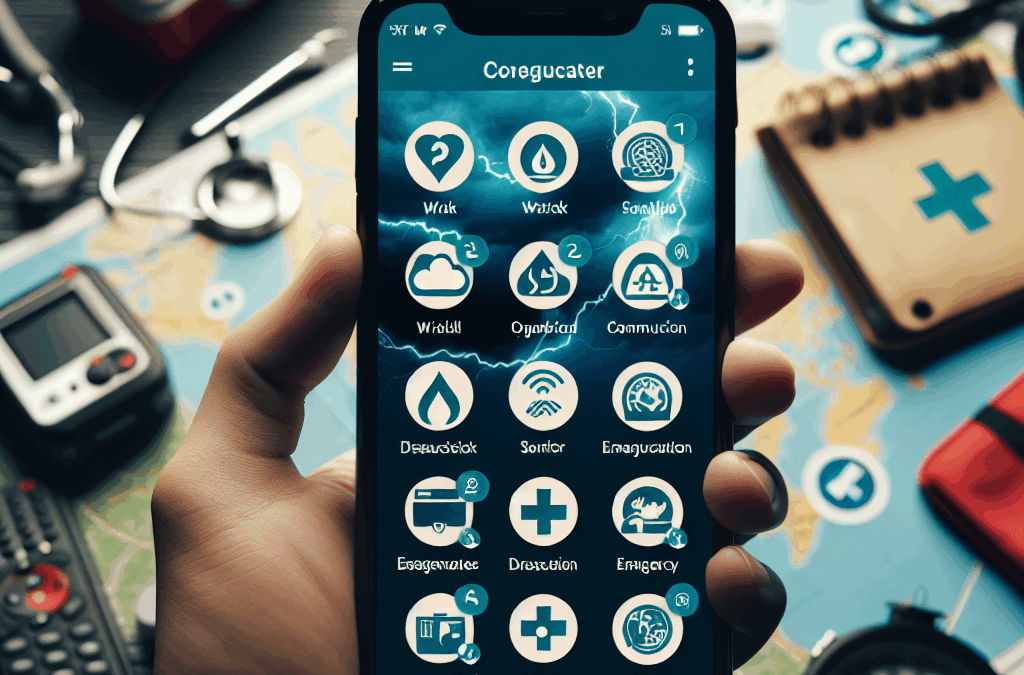
In 2025, technological advancements have revolutionized how we prepare for emergencies. Utilizing smart apps that provide real-time alerts for weather, earthquakes, or floods can save lives. Devices like GPS trackers and emergency communication apps keep your family connected, even when traditional networks are compromised.
Many municipalities now offer integrated emergency management platforms. These platforms provide tailored advice, shelter locations, and critical updates directly to your smartphone. Staying informed through these tools can help you react quickly and appropriately.
Training and Simulations Using Virtual Reality
Emerging technologies like virtual reality (VR) have made emergency training more immersive and effective. Practicing evacuation procedures or first aid in a virtual environment enhances retention and confidence. For families and organizations, investing in VR training modules tailored to 2025 threats prepares everyone better.
By integrating new tech into your emergency preparation guide, you not only improve your readiness but also engage family members of all ages in a practical and memorable way. Staying ahead with the latest tools ensures you’re prepared for the unpredictable challenges of 2025.
Conclusion
Creating a comprehensive emergency preparation guide is a vital step toward safeguarding yourself and your loved ones in 2025. From developing detailed family plans to updating your emergency kit and leveraging the latest technology, each step plays a crucial role in resilience. By staying informed and prepared, you can face any crisis with confidence and peace of mind.
Remember, the key to effective emergency preparation lies in consistent action. The strategies outlined in this guide will help you build a safer future, regardless of what 2025 brings. Stay proactive, stay prepared!
Frequently Asked Questions about the Emergency Preparation Guide
1. Why is an emergency preparation guide important?
An emergency preparation guide provides structured steps to ensure youâre ready for unexpected events, reducing panic and increasing safety for you and your family.
2. What are the top items to include in an emergency kit for 2025?
Key items include water, non-perishable food, first aid supplies, personal hygiene products, a flashlight, batteries, and any specific needs for family members such as medications or pet supplies.
3. How often should I update my emergency plan and kit?
Itâs recommended to review your plan and kit at least once a year or whenever significant life changes occur, like moving or health updates.
4. How can technology enhance my emergency preparedness in 2025?
Innovative apps, real-time alerts, GPS devices, and VR training tools offer improved communication, situational awareness, and preparedness exercises, making your response more effective.
5. What makes this the ultimate emergency preparation guide for 2025?
This guide incorporates the latest trends, technological advances, and practical strategies to ensure comprehensive readiness for any crisis in 2025.
One of the most crucial steps in emergency planning for families is establishing a comprehensive plan that assigns specific roles to each family member. In 2025, with increased natural disasters and unexpected crises, knowing who does what can save precious time. For example, designate who will handle communication, who will gather supplies, and who will assist children or elderly members.
Having a family meeting to discuss and assign these responsibilities ensures everyone understands their part. During a disaster, panic can set in, but a clear plan helps everyone stay calm and effective. Remember, the plan should be simple and easy to follow, especially for young children.
Action tip: Create a written plan tailored to your familyâs needs and review it quarterly. Use visual aids like charts or maps for younger children to help them remember their roles.
Map Out Safe Zones and Evacuation Routes
Knowing where to go during an emergency is critical. Identify multiple safe zones both within your home and in your community. For example, a sturdy basement or an interior room without windows might be safe during a tornado.
Plan and familiarize yourself with multiple evacuation routes from your home to these safe zones. Use maps to plot different paths, considering potential road closures or hazards that may occur during a crisis. Practice these routes with your family so everyone knows how to reach safety quickly.
Real-world example: During recent wildfires in 2024, families that had pre-planned evacuation routes and safe zones were able to evacuate faster and more safely.
2. Assemble an Emergency Supply Kit
What Should Be in Your Kit?
An emergency supply kit is a fundamental component of effective emergency planning for families. In 2025, experts recommend having at least a 72-hour supply of essentials. Stock items like bottled water, non-perishable food, medications, flashlight, batteries, first aid kit, hygiene products, and blankets.
Consider special needs such as baby formula, pet food, or medical devices. Make sure all supplies are stored in waterproof, accessible containers, and update them every six months to replace expired items.
Tips: Label your kit clearly and keep a smaller grab-and-go bag for quick evacuations. Your family should be able to access the supplies within minutes.
Incorporate Technology and Communication Devices
In today’s digital age, technology enhances emergency preparedness. Include a portable charger, a battery-powered radio, and a backup power source for essential devices in your supply kit. In 2025, with increased reliance on smartphones and communication apps, maintaining connectivity is vital.
Learn how to use emergency alert apps and services locally and nationally. These tools can provide real-time updates about weather, road closures, or other threats affecting your area.
Pro tip: Share your emergency plan details with all family members’ devices and store hard copies in your kit as backup.
3. Establish Communication Strategies
Developing a Family Contact Tree
Effective communication can be a lifesaver during crises. Create a contact tree that includes a designated out-of-area contact. This person should be someone everyone can reach to coordinate updates and confirm safety statuses. For example, an out-of-state relative often works well because local networks may be compromised.
Ensure all family members have your contact information saved and know how to reach this central contact. Practice calling and messaging to confirm everyone understands the communication plan.
Tip: Use multiple channelsâtexts, social media, and phone callsâto improve chances of reaching loved ones in emergencies.
Utilize Emergency Notification Systems
Many communities now offer emergency alert systems that send instant notifications on your phone. Register with local authorities for alerts about severe weather, evacuations, or public safety issues. In 2025, these systems are more refined and reliable, providing critical information almost immediately.
Encourage your family to subscribe to these alerts and familiarize yourselves with how to receive and interpret them. This can help you make informed decisions quickly.
Action: Test your alert subscriptions regularly and update contact information to ensure you stay connected.
4. Practice Emergency Drills Regularly
Simulate Different Scenarios
Practicing emergency drills helps to ingrained responses and reduces panic during real events. In 2025, make it a family routine to simulate various scenarios â fire, tornado, earthquake, or pandemic outbreak. Tailor drills to your specific risk factors.
During each drill, review your plan, test communication, and check supplies. Make adjustments based on what you learn from these practice runs. Involving children in these exercises ensures they understand safety procedures and feel more confident during actual emergencies.
Pro tip: Schedule drills at different times of day and under various conditions to build adaptability.
Review and Improve Your Plan
After each drill, gather feedback from all family members to identify gaps or uncertainties. Use this information to update your emergency plan, making it more robust and tailored to your familyâs needs in 2025.
Remember, emergency preparedness is an ongoing process. Regular reviews ensure your planning stays relevant with evolving threats and personal circumstances.
Example: Many families found their initial fire drills ineffective until they revised escape routes after practice.
5. Designate Emergency Contacts
Choosing Trusted Contacts
Beyond your immediate family, establish a list of trusted contacts outside your local area. These can include relatives, friends, or neighbors who can assist in coordinating help or providing refuge. In 2025, such contacts are especially vital during extended crises like pandemics or widespread natural disasters.
Make sure everyone in the family knows how to reach and communicate with these contacts. Ensure they understand your familyâs emergency plan and can support you if needed.
Tip: Keep a physical and digital copy of your emergency contacts for quick access.
Sharing Your Plan with Emergency Contacts
Inform your designated contacts about your familyâs emergency plan, key locations, and evacuation routes. This ensures that, even if you’re separated, they can help coordinate efforts or provide assistance from afar.
In 2025, many communities offer online platforms or apps for families to share safety updates securely. Use these tools to keep your contacts informed and connected.
Remember: Clear communication and mutual understanding with your emergency contacts can significantly improve your safety during unpredictable events.
6. Secure Important Documents
Gathering and Digitizing Essential Records
Important personal, medical, and financial documents should be organized and stored securely. Create digital copies of passports, insurance policies, medical records, birth certificates, and legal documents. Use secure cloud storage or encrypted drives to protect sensitive information.
In 2025, with increased cyber threats and natural disasters, having both physical and digital backups ensures accessibility even if physical records are lost or inaccessible.
Pro tip: Keep hard copies in a fireproof and waterproof container, easily accessible during emergencies.
Creating a Family Emergency File
Designate a specific folder or a digital file as your familyâs emergency resource, containing critical documents, medical info, and emergency contacts. Make sure all trusted family members and emergency contacts know its location.
Update this folder regularly, especially after significant life events or changes in insurance or healthcare providers. This practice can save valuable time during stressful moments in 2025 emergency situations.
Real-world example: Families with ready access to their emergency files report quicker access to funds, medications, or legal assistance during crises.
7. Plan for Special Needs and Pets
Accommodating Special Needs
If family members have special needs, such as medical conditions or mobility challenges, incorporate these considerations into your emergency plan. Stock extra medications, medical devices, and supplies tailored to their requirements.
Coordinate with caregivers, doctors, or support services to ensure continuity of care during emergencies. In 2025, many communities are developing inclusive disaster response plans to better serve vulnerable populations.
Tip: Create a personalized emergency kit for each family member with special needs, including spare batteries and medical documentation.
Including Pets in Your Planning
Pets are family too, and planning for their safety is essential. Prepare pet supplies, food, medications, and a carrier in your emergency kit. Know pet-friendly shelters or safe zones where you can evacuate with your animals.
In 2025, explore local resources and policies regarding pets during emergencies, as many areas now recognize the importance of pet inclusion in disaster planning.
Pro tip: Practice evacuating with your pets regularly to ensure smooth transitions during unexpected events.
8. Educate Your Children About Safety
Teaching Basic Safety Skills
Children should understand fundamental safety procedures like “Drop, Cover, and Hold” during earthquakes or how to call emergency numbers. Use age-appropriate language and activities to make learning engaging.
In 2025, many schools incorporate disaster preparedness into their curricula, but reinforcing lessons at home is equally important. Practice scenarios with your children regularly to build confidence and knowledge.
Example: Role-playing fire drills or earthquake simulations helps children remember actions and reduces fear during actual events.
Building Confidence and Calmness
Helping children feel prepared can lessen panic. Teach them to stay calm, follow the plan, and seek help when needed. Encourage open conversations about fears related to emergencies and reassure them.
Practical tip: Maintain a family safety kit that children can help pack, fostering a sense of responsibility and readiness.
Real-time alerts notify you about imminent dangers, weather warnings, or public safety information. In 2025, mobile technology and smart devices have made staying informed easier than ever. Subscribe to local emergency alerts, NOAA weather radios, and social media channels for crucial updates.
Ensure your family is aware of how these alert systems work and where to receive notifications. Check your subscriptions periodically to ensure they are active and effective.
Tip: Set up emergency alert sounds and notifications on mobile devices to get immediate alerts during critical events.
Regularly Check for Updates and Changes
Conditions change rapidly; therefore, staying engaged with news sources and official channels is vital. Make it a habit to review your information sources daily during high-risk periods.
Leverage community apps or platforms that share localized safety news. Automate alerts whenever possible to stay updated seamlessly.
Fact: Families that monitor alerts actively are 40% more likely to respond effectively during emergencies in 2025.
10. Review and Update Your Emergency Plan
Schedule Regular Plan Reviews
Emergencies evolve, and so should your plan. Set a scheduleâat least annuallyâto review and revise your emergency plan. Changes in family members, new risks, or updated resources can all impact your preparedness.
In 2025, technological advances and new disaster patterns necessitate ongoing updates. Make adjustments based on lessons learned from drills or recent events.
Tip: Keep a checklist and documentation of past drills, updates, and lessons learned to track your progress.
Involve the Whole Family in Updates
Engage everyone during reviews to address concerns and incorporate new insights. Ensure each member knows the current plan and any modifications made.
Use feedback from children to identify aspects that may need clearer instructions or additional safety measures. This collective approach enhances overall preparedness.
Remember: The most effective emergency planning for families is an ongoing, adaptive process that evolves with your needs and circumstances in 2025.
Frequently Asked Questions
Q1: What is the most important aspect of emergency planning for families in 2025?
The most important aspect is creating a comprehensive, practiced plan that includes communication, supplies, and safety procedures tailored to current risks and family needs.
Q2: How often should I review my familyâs emergency plan?
Experts recommend reviewing and updating your emergency plan at least once a year or after significant life changes or events. Regular practice ensures everyone remembers their roles.
Q3: How can I include my children in emergency preparedness?
Teach them basic safety skills through age-appropriate lessons, conduct regular drills, and involve them in planning. Building confidence and knowledge reduces panic during real emergencies.
Q4: Why is it essential to secure important documents for emergency planning for families?
Securing and organizing essential documents ensures quick access to critical information, legal paperwork, and medical records during emergencies, helping you respond swiftly and effectively.
Q5: What are the trends in emergency planning for families in 2025?
In 2025, technology integration, community-based support systems, and increased awareness of inclusivity for vulnerable populations are shaping better, more resilient emergency plans for families worldwide.
Conclusion
Effective emergency planning for families is essential to ensure safety and resilience in 2025âs unpredictable landscape. From developing detailed plans, assembling supplies, practicing drills, to staying informed, each step builds a stronger foundation for your loved ones’ security. Remember, the keys to successful emergency preparedness lie in consistency, communication, and adaptability. By following these ten powerful strategies, you can confidently face any crisis, knowing your family is prepared and protected.


 –>
–>