
by Preparation | Apr 9, 2025 | Preparation Call, Preparedness
Are we called to be Prepared?
It is an important question to ask ourselves: do we need to be prepared? The answer is a resounding yes. Being ready for whatever life throws our way is essential in order to survive and succeed. Taking proactive steps to ensure that we are equipped to handle any situation is a must. This means being aware of our surroundings, having a plan in place, and having the skills and resources needed to make it through difficult times. Preparation is a key component to success, and it’s something that we all must take seriously.
I believe the best way to prepare for the future is to understand the present. We must keep a close eye on the current economic and political climate, so we can make necessary adjustments to our plans. Instead of dwelling on the potential disasters that might come, we should focus on what we can do now to ensure a better tomorrow. This means taking steps to build our own resilience, learning new skills, and creating meaningful connections in our communities. With the right preparation, we can create a future of opportunity and hope.
In my own live, I desire to live in Faith that God has my future in His hands. That does not mean I simply ignore the circumstances I face, but I live a life with hope that my future is secure.
I’m an optimist who believes that despite the challenges and difficulties we may encounter, we can still find a way to make things better and show an example of living without fear. Despite my optimism, I understand that some people may be resistant to taking action and I am concerned about how this will affect them.
I strongly believe that living with a positive outlook can have a huge influence on an individual’s life, however, I am not certain if it can change the course of a war or stop a natural calamity. Certainly, individuals can have a powerful influence on the direction of history, and if enough people come together, they have the potential to create significant change.
At this moment, it’s difficult to be optimistic about the decisions so many people have taken collectively and the effects that this has had on the world. I often wish we could have another chance to make amends or improve on situations that could clearly have been better planned. It’s unclear if we can change the consequences of what was already predicted in the past. Nobody can know the future and no one can accurately predict what’s going to happen. Nevertheless, we can ask for guidance and be prepared to face any problems that may arise in the future.
Being prepared means working and planning to be ready for situations that life throws at you. It involves having a plan in place for any potential emergency situation. It means having the necessary supplies like food, water, and medical supplies on hand just in case the unexpected happens. It also means staying educated on safety protocols and staying mindful of your surroundings. Being prepared means having a little bit of faith that you can handle anything that comes your way.
Being proactive about the future is important, especially when there are signs of a storm coming. Taking proactive steps to get everything in order before the storm is essential. Don’t forget to consider your family and make plans for them as well, since they may not be as prepared.
In the upcoming period, we will provide extra knowledge about being prepared. We will debate the probable inflationary dilemma and multiple wars that we may face and how it will have an effect on our lives. Most of all, keep your minds positive with trust, expectation, and affection.
by Preparation | Apr 9, 2025 | Preparation Supplies, Preparedness
Do you Need a Bug-Out Bag in Your Car?
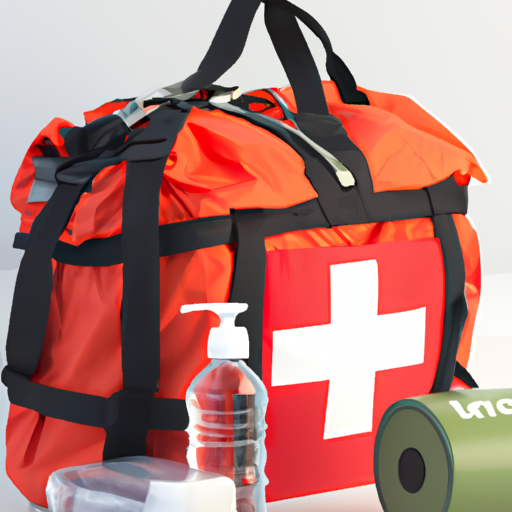
When it comes to emergency preparedness, having a bug-out bag is a no-brainer. This is a pre-packed bag filled with essential items that you will need in case of an emergency evacuation or unexpected emergency situation. While many people prepare for emergencies by having a bug-out bag at home, it’s equally important to have one in your car. Here are a few reasons why:
Emergencies can happen anywhere, anytime
 It’s never possible to predict when and where an emergency will occur. The same is true for natural disasters like earthquakes, hurricanes, floods, and wildfires, which could happen anywhere and anytime. When you’re on the road, you may not have the luxury of time to pack or run back home to grab your bug-out bag. Having a well-prepared go-bag in your car can make all the difference in an emergency.
Your car is one of the best places to store critical survival gear
When it comes to transportation during emergencies, your car can be a reliable means of getting away from a dangerous situation quickly. However, it’s worth noting that your vehicle can also be your shelter and your storage in case of a sudden emergency. Your vehicle can store several survival essentials, including food, water, blankets, spare clothes, and other essential items that can keep you safe and comfortable for a few days.
You’ll be ready for any situation
It’s common knowledge that emergencies come in different forms and magnitudes. Nobody knows what the future holds, and being prepared for anything can help you stay calm and composed during emergencies. In case of a sudden emergency, you won’t be forced to gather everything from scratch; instead, you’ll have what you need in one place. With a well-stocked and organized bug-out bag, you and your family are ready for anything that comes your way.
You can help others in need
When you’re the only person who’s prepared in an emergency situation, you can help others who aren’t as prepared. A well-stocked bug-out bag for your car ensures that you have extra resources like water, first aid kits, and other essentials that you can share with others who may need them. In case of an emergency, you can be the hero who helps others in need.
Conclusion
Emergencies can happen anywhere, anytime, and it’s always better to be prepared than not. Being prepared means having a well-stocked bug-out bag for your car, ready to go at a moment’s notice. By taking the time to prepare a go-bag for your car, you’ll be ready to face any emergency situation, whether it’s a natural disaster or an unexpected event. Having a bug-out bag in your car is an investment in your safety, security, and peace of mind.
by Preparation | Apr 9, 2025 | Preparation Call, Preparedness
In times of crisis, being prepared is crucial for the safety and survival of individuals and communities. This article delves into the essential needs for preparedness and how to ensure you’re ready for any emergency situation.
Introduction on Why Should You Prepare
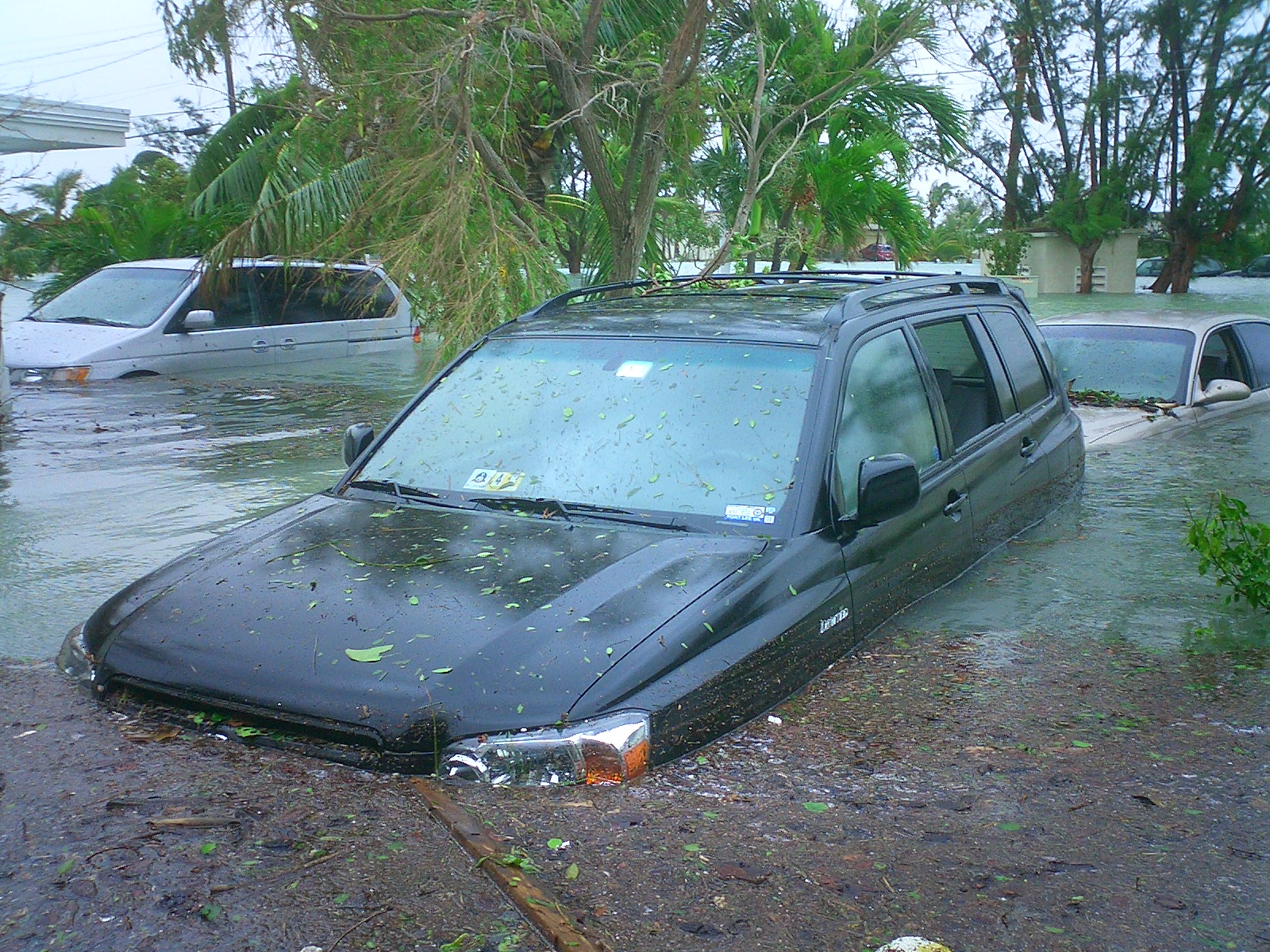
Disasters can strike at any moment, leaving individuals and communities in chaos and disarray. Whether it’s a natural disaster, a terrorist attack, or a pandemic, being prepared is key to ensuring safety and survival in times of crisis. In this article, we will explore the essential needs for preparedness and how to ensure you’re ready for any emergency situation.
Water is Essential in Preparedness
One of the most basic and essential needs for preparedness is access to clean water. In the event of a disaster, the water supply might be contaminated or disrupted, making it impossible to obtain safe drinking water. It’s recommended that individuals have at least one gallon of water per person per day for drinking and sanitation purposes. Having a reliable water filtration system, water purification tablets, or access to natural sources of water such as springs or lakes can also be helpful.
Be Sure to Store Food for Emergencies
 Another essential need for preparedness is food. In times of crisis, food might be scarce or difficult to obtain. It’s important to have a supply of non-perishable food items that can sustain individuals for at least a few weeks. Canned goods, dried fruits and vegetables, and protein bars are good options. It’s also important to consider dietary restrictions and allergies when preparing food supplies.
First Aid
Accidents and injuries can occur at any time, but in a disaster situation, access to medical care might be limited or non-existent. A basic first-aid kit is an essential component of preparedness. It should include items such as bandages, gauze, antiseptic, pain relievers, and any necessary prescription medications. Knowing basic first aid techniques can also be helpful in emergency situations.
Communication

PREPARE Magazine
In a disaster situation, communication can be a lifeline. It’s essential to have a way to communicate with loved ones, emergency services, and other individuals in the community. A battery-operated or hand-crank radio can provide up-to-date information on the situation and any emergency alerts. Also, having a charged cell phone or a backup way to charge devices is important.
Shelter and Clothing
In a disaster situation, access to shelter and clothing can become a critical need. It’s important to have a plan in place for where to go in the event that you need to evacuate your home. Having a go-bag or bug-out bag with essential clothing items such as warm blankets and extra clothing can help in a crisis situation.
Tools and Supplies
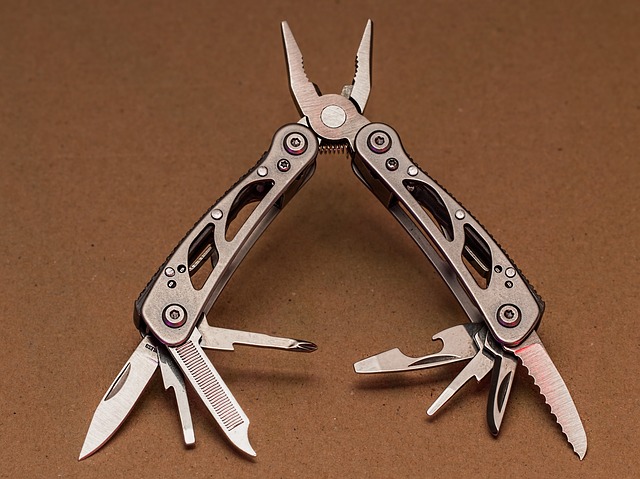 Having the necessary tools and supplies can help individuals be self-sufficient in an emergency situation. Having a reliable flashlight, batteries, a multi-tool or small hand-held tools, and duct tape can be essential for basic repairs and maintenance. It’s also important to have a supply of basic hygiene items such as soap, toothbrushes, and toilet paper.
Final Thoughts on Preparedness Needs
Being prepared for a disaster situation is crucial for the safety and survival of individuals and communities. The essential needs for preparedness include access to clean water, food, first aid, communication, shelter and clothing, and tools and supplies. By being prepared and having a plan in place, individuals can increase their chances of survival and recovery in a disaster situation.
by Preparation | Apr 9, 2025 | Preparation Guide, Preparedness
In today’s unpredictable world, emergency situations can happen to anyone at any time. Whether it is a natural disaster like a hurricane or a man-made disaster, being prepared for such emergency situations is critical. Emergency preparedness involves taking specific steps to plan, prepare and respond to unexpected events. In this article, we will explore the top 5 questions people ask about specific steps for emergency preparedness.
1. What Is Emergency Preparedness?
Emergency preparedness refers to the process of planning, preparing, and responding to emergency situations. These events may include a variety of natural disasters or human-made threats. Being well prepared for such situations can help to minimize the potential damage and loss of life.
2. Why Is Emergency Preparedness Important?
Emergency preparedness is essential because it can save lives and protect property. In times of an emergency, every second counts. Having a well-planned emergency preparedness plan in place can help you and your family act fast, stay safe and survive. It can also help to reduce the burden on emergency services.
PREPARE Magazine
3. What Are the Key Elements of Emergency Preparedness?
The key elements of emergency preparedness include risk assessments, emergency plans, communication strategies, and emergency kits. Risk assessments involve evaluating potential threats and hazards that may arise in a particular area. An emergency plan outlines the steps to take during an emergency, including evacuation routes, communication plans, and emergency contacts. Communication strategies include alert systems, warning signals, and response protocols. Emergency kits should contain essential items like food, water, shelter, medication, and tools.
4. What Are Some Specific Steps to Take for Emergency Preparedness?
It is important to have a well-established emergency preparedness plan in place that takes into account the specific hazards and risks in your area. This may include the development of emergency communication strategies and evacuation plans. You should also create and maintain an emergency kit that includes essential items such as food, water, first aid supplies, flashlights, and a radio. Additionally, training for various emergencies, including CPR and basic first aid, can support in an emergency.
5. What Are Some Essential Items for Emergency Preparedness Kits?
Emergency kits should contain items that can sustain you and your family for at least 72 hours. Essential items include food, water, shelter (i.e., blankets, emergency shelter), first aid supplies, hygiene items, medication, communication devices, and necessary tools (i.e., whistle, compass, flashlight, and batteries).
Conclusion:
Emergency preparedness is a critical aspect of life that cannot be ignored. It is crucial to have a holistic preparedness plan that considers all the possible risks and hazards in your area. Specific steps for emergency preparedness may include risk assessment, development of emergency plans, and maintenance of emergency kits. Remember, the safety of you and your family starts with preparedness.

by Preparation | Apr 9, 2025 | Preparation Guide, Preparation Supplies, Preparedness
It seems that everywhere you go now people are looking for ways to be better prepared for potential difficulties ahead. Most people consider Long-Term food storage as one of the areas they are most concerned about. They look for helpful ideas on ways to store food supplies in the event there is a need.
Whether you agree with the need for long-term food storage or not, it is never a bad idea to have at least a small stockpile of food in the event of an emergency. Inclement weather events, power outages, and other disasters could make finding food outside of your home nearly impossible. Having some food and water supplies to fall back on is a smart and safe plan.
Why Should You Have Long-Term Food Storage?
Consider this very realistic scenario: What if you were caught in a long-term power outage due to a severe storm that caused flooding and major damage to roadways. Years ago, my family was impacted by a hurricane that took an unexpected turn and ended-up as a direct hit on our area. We had some supplies on hand, but not enough really to get us through a long-term situation. We survived but we should have been better prepared. We never imagined that we would be stuck in our home for weeks.
Events such as this, and a long list of other possibilities, could happen to you. Having a plan to survive and thrive in any situation, including enough food and water to fall back on, will keep you and your family safe and healthy despite the drastic situation.
How Much Food Should You Store?
Every home should have a minimum of five days’ worth of food and water appropriate for their family size, but having at least two weeks’ worth is much preferred. The rule of thumb for water is one gallon of water per person per day, and do not forget to count children and pets at up to a full gallon of water each as well. The amount of food will depend on your family, but there should be enough to provide enough calories and nutrition to keep you healthy. At the very minimum, each family member should be able to have at least one full meal per day.
What Kinds of Food Should You Store?
You will want to stock food that has a minimum of a 3-6 month shelf life, and keep that stock rotated so that nothing is spoiled should an emergency occur. Look for canned goods and other non-perishable foods that your family will eat. It will not do much good to only stock canned foods that no-one likes, because then it will be less likely that everyone will consume enough food and get the proper nutrition.
What Are Some Examples of Foods to Store?
Ready to eat canned goods that do not require cooking before consumption, granola bars, dried milk, peanut butter, nuts, and protein bars are all examples of good items to store. Crackers, bread, and similar products are good to keep as well – as long as you keep the stock rotated and keep in mind that they will not last as long as non-perishable items.
How Do You Store Food Items Long Term?
Have a shelf, closet, pantry, or cellar dedicated to your emergency food storage. Everything in your emergency food supply should be stored in airtight containers and you will want to have extra storage containers and/or zip lock bags to keep opened items in. Keep a list or clearly mark all boxes, cans, and bags with expiration dates and “opened on” dates and keep your stock rotated and free of expired items.
Keeping a stockpile of food and water for your family to fall back on in times of need is a responsible part of emergency preparedness. Should a large storm or other disaster occur in your area, you are more likely to be able to survive comfortably for longer. These tips should help you build and maintain a long-term food storage.
by Preparation | Apr 9, 2025 | Preparedness
How empowering yourself in all aspects of your life can keep you healthy and strong – Success
Empowering your life in all aspects of life sometimes means you will have to make some changes. With all the major changes taking place in the world, sometimes we all have to step back and review our progress. Sometimes we have to take some time out for us to retrain our mind so that we keep that positive outlook in focus. Keeping a positive outlook on life will ensure that your self-determination stays strong. You have inner strengths, so it is wise to make the best use of them whenever you have the opportunity. Anytime you have opportunity take it and run.
Take your control by examining all aspects of how you feel. Search your mind and look deep inside through the depth of your buried tunnel to look at yourself and think about how you feel about success. When you look deep in your mind, it is called subliminal learning, which is a great technique to find buried treasures. You learn something new from your past learning, history and so on. The process takes you deep inside so that you can examine your inner emotions, feelings, and thoughts. If you use this strategy effectively, you can diagnose yourself before you ever step foot at a doctor’s door.
You can be in control by changing the way you feel. Instead of letting negative thoughts take control, explore your power of mind to channel in on innate strengths you can use to take back your control. It is not impossible. All you need is some self-control, determination, strength and a little bit of skills.
Keep in mind, making productive changes does not happen overnight. Yet, if you practice some of the success tips provided to you, such as subliminal exploring and meditation often, you will find you carrying a lighter load. When you take time out for you, it makes it easier and you can speed up the process of empowering your life in all aspects. Never expect more of yourself than you can manage. Keep it realistic and you will do fine.
Subliminal exploring is done without you being consciously aware. With this success tip, you enter your mind openly to explore existing notes or buried treasurers, discovering what affects your mind without your acknowledgment.
In short, when you practice subliminal learning you tap into resources in you that you had learned down through the years from observation, listing, hearing, learning, and so on. When you tap into these resources, it guides you to find answers to problems, which makes the process of solving problems easier
Learn new ways to empowering your life in all aspects for happiness and success. Use positive thinking skills and list on paper how you feel and what changes you can reform to change the negative feelings. Read you list over a few times to overstep the negative thoughts. When you begin to think negative read the list again to remind yourself what you need to do for succeeding in life.
Meditation and focusing on the changes to empower and gain control will get you a long way in success. When you become or feel troubled step back and meditate a bit to relax and focus on what is occurring. You may ask your questions to find your answers easier when you feel stressed. To learn some other ways to empower yourself and maintain self-determination, visit worldwide Internet where you will find a wealth of self-development information that can help you learn more.




