by Preparation | Jul 6, 2025 | Preparedness
Hello there! Today, I want to share some insights from my own experiences about emergency planning. Let’s dive deep into some common missteps that many folks, including myself in the past, tend to make when prepping for emergencies. It’s all about learning and improving, right?
Not Having a Clear Communication Plan
One of the biggest blunders I’ve seen – and made – is not having a solid communication plan. Believe me, when chaos strikes, having a clear line of communication can make all the difference.
Identify Contact Points
First things first, you need to decide who your key contacts are. This should include family members, friends, and even your neighbors. Make sure everyone knows who to reach out to in the event of an emergency.
Next, it’s essential that these contacts are diverse. Maybe it’s a relative in another state or a friend in a different neighborhood. Having a network that spans out can be lifesaving. Trust me; you don’t want to put all your eggs in one basket.
Finally, communicate this plan to everyone involved. Don’t assume they’ll remember all the details. Write it down and have everyone acknowledge their roles. The clearer the plan, the less confusion there will be when it’s needed most.
Establish Alternative Methods of Communication
If the primary method fails – say, cellular networks are down – what then? Having alternatives is crucial. I’ve learned the hard way that relying solely on one form of contact can lead to frustrations.
Consider apps like WhatsApp or Signal, which can run on Wi-Fi. Make sure your family knows how to use them. Maybe share some practice scenarios for fun! It’s an excellent way to ensure everyone is comfortable with the tools available.
Another thing to think about? Old-school methods like walkie-talkies or designated meeting points. Sometimes, technology can fail, and fallbacks are critical.
Regularly Update Your Plan
Lastly, don’t make the mistake of letting your communication plan gather dust. Regular updates are necessary as your situations change – new jobs, new moves, or shifts in relationships.
I set reminders every six months to discuss and tweak our plans. This ensures everyone is still on the same page and familiar with the latest resources and protocols.
It’s a simple step, but it helps maintain the integrity of your plan. When statuses change, you don’t want your network to become impractical.
Ignoring Local Hazards
Alright, let’s talk about something crucial: overlooking local hazards. Depending on where you live, your emergency plan should reflect the unique risks your area faces.
Research Local Risks
The first step involves doing a bit of homework. What natural disasters are common in your area? Earthquakes, floods, wildfires…having this intel is key. I learned this after a colleague experienced flooding because they didn’t realize their city was prone to it.
Check out local government websites or community boards; they often have valuable guides on local hazards. This intel will help tailor your emergency bags and response strategies significantly.
In my town, I’ve integrated storm preparedness after realizing our weather patterns shifted. Control what you can by understanding your surroundings and adjusting your plans accordingly.
Prepare Specific Supplies
Once you know the hazards, create a list of emergency supplies tailored to those risks. For flooding, you might want waterproof bags and sandbags; for wildfires, have fire-resistant gear ready.
I remember during a wildfire scare, I was woefully unprepared. I quickly adjusted my kits to include smoke masks and fire blankets. It was a lightbulb moment! You don’t want to wait until the event occurs to put these supplies together.
Cross-check these supplies occasionally, especially if you haven’t touched them in a while. Something that was operational a year ago might have expired or become outdated.
Engage With Your Community
And let’s not forget about community engagement. It’s such an underrated aspect! Local groups often have insights and resources, so consider connecting with them. I’ve made some fantastic friends who helped me understand what to expect if a disaster were to strike.
Participate in community drills or informational meetings—it’s an excellent way to stay prepared and learn from others facing similar challenges. Having that camaraderie can make emergencies less daunting.
Plus, sharing experiences helps foster an environment where everyone is more prepared. We’re all in this together, after all!
Failing to Practice Your Plan
This one’s a biggie: failing to practice the plan! You might have the most finely crafted emergency plan, but if you’ve never rehearsed it, what’s the point?
Regular Drills
Scheduling regular drills is something I can’t stress enough. Just like fire drills in school, your family should practice your emergency response. This creates familiarity and can uncover any holes in your plan.
I try to hold drills every few months, varying the scenario slightly each time to keep everyone on their toes. It’s kind of fun and helps reinforce that preparedness mindset. You never know when practice will pay off!
Reassuring your family that practicing is just as vital as the plan itself can help reduce anxiety during real emergencies. The more prepared you are, the more confident you’ll feel.
Involve Everyone
Involving everyone, from kids to grandparents, is crucial. Each person’ll usually retain different pieces of the plan. Encouraging an open dialogue allows everyone to feel included and invested in the plan.
I’ve seen that older family members might even contribute valuable insights from their experiences. Plus, involving everyone helps ease worries—especially for kids who might feel overwhelmed with emergency talk.
So whether it’s a scavenger hunt for supplies or a pretend emergency at home, make it fun! Keeping the experiences positive is key.
Feedback Sessions
And after drills, it’s superhero moment feedback time! Discuss what worked and what didn’t. You’d be amazed at the potential improvements that can arise during these sessions.
It encourages accountability and helps us tweak our plans based on actual experiences. Take note of any surprises during drills, and communicate openly about concerns. Adjustments can always be made!
Feedback also serves as a motivator. It boosts morale when everyone knows they’re working towards staying safe and prepared.
Neglecting to Include Pets in Planning
Look, I love my pets, and I can’t imagine leaving them behind in an emergency. Another mistake I’ve made was assuming they wouldn’t need a plan. Spoiler alert: they do!
Create a Pet Emergency Kit
Making a pet emergency kit is an essential step. I’ll never forget the first time I packed my dog’s essentials: food, water, medication—the works. It might seem obvious, but having that kit ready is a lifesaver.
Along with the basics, don’t forget to include any comfort items. Something familiar can help soothe their anxiety during tough situations. Plus, that stuffed toy might work wonders if they get scared.
How often should you check this kit? You guessed it—regularly! Treat it like your human emergency kit. Things can change, and so do your pet’s needs.
Plan for Transportation
When an emergency strikes, how do you safely transport your pets? This is a critical yet overlooked aspect of planning. If you can’t get to your car or evacuate on foot, do you have a plan in place?
In our house, we’ve designated carriers and harnesses for our pets to ensure we can get them in a safe way. Then, practice getting them into the carriers to make the process smoother when it counts.
And don’t forget microchipping or keeping a collar with ID tags. It’s a safety net that gives you peace of mind in case you get separated during a chaotic event.
Include Emergency Contacts for Vets
Finally, keep a list of emergency contacts, including your vet’s number, in your emergency kit. This is sometimes overlooked in the hustle. Keep it handy—along with your pet’s medical records, just in case.
Also, consider having a secondary vet listed in case your primary vet is unreachable. Making that network will streamline care in stressful moments.
Your furry friends are family too, and their needs are just as important as everyone else’s. Including them in your emergency plan ensures you won’t leave anyone behind!
Overcomplicating Your Plan
Let’s wrap this up with a common pitfall: overcomplicating the plan. Simplicity is key! When a disaster strikes, the last thing you want is to scramble through pages of instructions.
Be Clear and Concise
Keep your plan straightforward. Clarity will help in those high-stress moments. I’ve seen complicated diagrams that leave folks confused rather than informed.
Sometimes, sticking to a few key points makes for quick reference during emergencies. It’s about getting to the good stuff when every second counts.
It’s also a great idea to have everyone involved sign off on the plan. If they know what’s up, they can confidently act quickly when it really matters!
Use Visual Aids
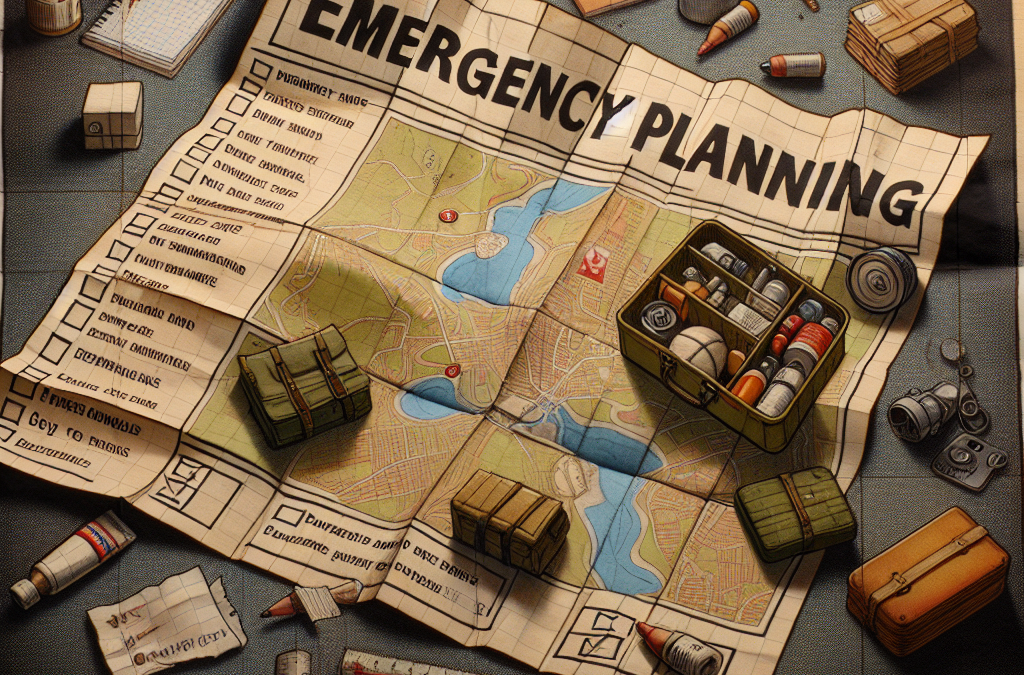
Visuals can be immensely helpful! From simple charts to maps of your local area, having that visual is really beneficial, especially for visual learners.
I have these charts in places where everyone can easily see them—like the fridge or by the front door. They serve as awesome reminders, too!
Think of a child’s drawing that gets the point across better than paragraphs of text. Sometimes less truly is more.
Regular Simplification Review
Lastly, regularly review and simplify your plan. Just like any good strategy, efficiencies can always be made as life goes on. What seemed necessary a year ago might not be today.
Ask everyone how comfortable they feel with the plan and if there’s anything they think is overly complicated. Being open to feedback can streamline the whole process and minimize confusion.
In summary, keeping it simple is the best way forward. Emergencies are chaotic enough without us adding hurdles to them!
FAQ
- What is the first step in creating an effective emergency plan?
Start by identifying key contacts and establishing a clear communication plan for your family and friends.
- Why should I research local hazards?
Understanding your area’s specific risks allows you to tailor your emergency supplies and preparation strategies effectively.
- How often should I practice my emergency plan?
I recommend practicing your plan every few months to keep everyone familiar and ready when emergencies hit.
- What should I include in my pet’s emergency kit?
Make sure to have food, water, medication, identification, and comfort items packed and ready for your furry companions.
- How can I keep my emergency plan simple?
Be clear and concise in your strategies, use visual aids as reminders, and regularly review your plan to minimize complexity.
by Preparation | Jul 6, 2025 | Preparedness
1. Strengthening the Structure
Assessing Current Structural Integrity
When I started thinking about disaster resilience, my first step was to take a hard look at my home’s structure. I poked around, checking for any signs of disrepair. Cracks in the walls or a shaky foundation can be big red flags. I even called in a local contractor who had experience with disaster preparedness. They gave me a thorough assessment and made some recommendations that really opened my eyes to potential risks.
One thing I found super helpful was understanding the different materials used in my home. For example, masonry buildings tend to be stronger against wind and water damage compared to wood. Knowing what I was working with helped me prioritize which areas needed the most attention.
After the assessment, I made a list of repairs and upgrades, from bolstering beams to reinforcing roofs. It was a bit of an investment, but I knew these changes could save me a heap of trouble if disaster ever struck. Plus, feeling safe in my home is totally worth it!
Upgrading Materials
Once I knew what needed fixing, I focused on upgrading materials to something sturdier and more disaster-resistant. I swapped out old windows for impact-resistant ones, which is a game changer if you live in a hurricane zone like I do. It took some getting used to seeing the price tag, but man, the peace of mind was unbeatable.
I also tackled my roofing. By choosing a durable metal roof, I not only improved the lifespan of my home’s covering but also its resistance to extreme weather. It was a big chunk of change upfront, but it paid off when I had lower insurance premiums and fewer worry lines on my forehead!
Lastly, I added some exterior features, like storm shutters and reinforced doors. These upgrades made me feel like I could batten down the hatches and keep the bad elements at bay. Trust me, these little tweaks can make a world of difference!
Creating Safe Spaces
I knew I had to think about where to hang out during a disaster. For that reason, I dedicated a part of my basement as a safe room. The combination of sturdy construction and stored supplies created a reassuring atmosphere. I furnished it with comfy blankets, some food, and even a little entertainment, just in case we were in there for a while.
I also took a moment to think about my yard. I removed any big trees that could potentially come crashing through if high winds hit. It’s such a bummer to lose some greenery, but I always remind myself it’s better than losing my roof or worse!
Having a safe space didn’t only mean physical safety. Psychologically, it helped my family feel more secure. We even did some emergency drills together, which eased those pre-disaster jitters and made for some bonding along the way!
2. Emergency Preparedness Plans
Creating a Family Plan
Setting up an emergency preparedness plan with my family was probably one of the most important aspects I tackled. We gathered around the kitchen table and discussed various scenarios – everything from flooding to tornadoes. Just getting it all out there started some great conversations.
Each family member had a role to play, which made things less overwhelming. We established a meeting point and reviewed multiple escape routes out of the house. Knowing we were all on the same page put me at ease. In a chaotic moment, it’s comforting to know exactly what to do.
I made sure to jot everything down and keep copies handy. Plus, digital copies stored safely in the cloud were a lifesaver. Trust me, having a plan ready gave me a sense of control over any situation. It’s kind of like having a backup battery for your phone – you never realize how essential it is until it’s needed!
Building an Emergency Kit
Next up was assembling an emergency kit. I scoured some checklists online and began gathering essentials like non-perishable food, water, flashlights, and first-aid supplies. I won’t lie, it felt like a bit of a scavenger hunt, but it was oddly satisfying slotting each item into my designated storage bins.
Incorporating some personal touches to that kit made it less of a chore. I added my favorite snacks and books to keep everyone’s morale high. Trust me, when you’re hunkered down, a little comfort food can go a long, long way!
I also made sure to rotate the food and check expiration dates regularly. There’s nothing worse than thinking you’re all prepared only to find outdated supplies when you need them most. A little upkeep every month kept my kit ready for action!
Staying Informed
I finally realized that being disaster-ready also means staying informed. I signed up for local weather alerts and followed the news to stay on top of any approaching threats. Having that information at my fingertips helped me make timely decisions and stay a step ahead.
I also talked about important resources with my neighbors. Community is everything, and knowing my neighbors had a plan made me feel like we were all in this together. Plus, we exchanged tips that opened my eyes to additional resources I had never considered before.
And let me tell you, I also developed a trust in the Red Cross apps that can provide safety information during disasters. It became one of those things I didn’t want to live without, ensuring I had access to critical information no matter what!
3. Insurance and Financial Preparedness
Reviewing Insurance Policies
Now, let’s talk about a less exciting topic: insurance. It might not be as thrilling as picking out new plants for your garden, but trust me, understanding your insurance policy is crucial. I spent an afternoon going through my coverage, and it was eye-opening, to say the least.
Many policies vary widely in what they cover. I learned that my standard homeowners’ insurance didn’t cover flood damage, and that would have left me hanging out to dry. After some research, I found additional policies that fully covered me, especially since living in a flood-prone area is a reality I face regularly.
Reviewing and adjusting my coverage regularly became a habit – just like changing the batteries in smoke detectors. I set reminders a couple of times a year to ensure I’m never caught off guard, and I suggest making a plan to do the same!
Financial Preparedness
You know how they say cash is king? Well, that phrase becomes particularly valid in a disaster. I decided to stash away some cash, just in case bank access was restricted. I learned that having emergency funds on hand can ease so many worries during a turbulent time.
Additionally, creating a detailed inventory of my possessions was a game changer. I took pics and recorded values, which could help with insurance claims later. I stored everything on a secure cloud service, so I could access it whenever necessary.
Cleaning out old stuff and documenting it also felt surprisingly therapeutic. Who knew disaster prep could lead to a decluttering spree? Not to mention, it made my home a bit more organized, which I love!
Community Resources
Finding out what local resources are available is another significant step that often gets overlooked. I discovered a ton of programs through my local government and community organizations designed specifically for disaster preparedness. They had training sessions and even offered discounts on emergency kits!
Joining a local neighborhood group helped me network with others who share similar concerns about preparedness. We’ve had some epic book exchanges, but more importantly, we strategized and learned from each other’s experiences, which was invaluable.
And don’t get me started on the workshops! Some were even hosted by retired professionals who shared electric information. I learned so much and made friends along the way, too. The power of community can do wonders when it comes to facing potential disasters!
4. Landscaping for Safety
Choosing the Right Plants
Let’s dig into landscaping because, boy, did it make a difference for my disaster resilience. I took a good hard look at my garden, and I realized I could use my plant choices to my benefit. Certain trees and shrubs are more wind-resistant, which can help during storms.
For example, choosing deep-rooted trees like oaks over shallow-rooted species like pine can provide better stability, and they resist uprooting during a storm. I carefully planned my garden thinking about potential wind patterns and the best spots to plant those sturdy plants!
I also made sure to keep my landscaping away from home structures. Fire-resistant plants like native grasses are not just great for controlling erosion, but they create a buffer zone if wildfires hit. It’s all about creating a protective barrier while still rocking that garden aesthetic!
Drainage Solutions
Another essential factor in my yard was proper drainage. Being near a waterway, I learned the hard way that standing water can wreak havoc during heavy rains. I invested in grading my yard to encourage water to flow away from my home, which literally saved my foundation from water damage.
I also added features like French drains and rain gardens, making my garden not only beautiful but functional. These installations not only help absorb rainwater but also give wildlife a little place to thrive!
Plus, it’s a fun conversation starter during BBQs – trust me, friends dig it when they hear about your awesome environmental consciousness!
Wildfire Defensible Space
If you live in an area prone to wildfires like I do, establishing a defensible space is a must. I made a ten-foot buffer around my home by cutting back branches and ensuring that any flammable materials were nowhere near the structure. It felt like I was building a fireproof fortress!
I added gravel paths, which help break the continuity of vegetation, as well as some strategically placed stones. It was kind of like creating my very own mini-defense station and helped keep my house safe no matter the season.
Talking to a fire mitigation expert opened my eyes to even more incredible strategies. Having backup plans and strategies for fire spread provided some serious relief and put me on high alert!
5. Regular Drills and Maintenance
Emergency Drills
Just like every good team, practices make perfect. I realized that conducting regular emergency drills with my family was not just beneficial but downright essential. Every few months, we would run through our plan from start to finish.
It became almost routine – we would practice how to exit our home quickly and gather at our designated safe spot. I incorporated fun elements to break the tension, such as timing ourselves to see how fast we could evacuate. It’s amazing how much laughter and preparation can go together!
Having kids made it even more enjoyable. They loved playing their roles, while it reinforced the seriousness of being prepared. It sparked some discussions, too, about what to keep in our kits and how to stay calm in emergencies!
Regular Maintenance Checks
Routine home maintenance checks became my new weekend project. I set aside time every month to inspect my home — from checking smoke detectors to ensuring gutters were clear. There’s nothing quite like that feeling of being proactive!
I also made sure my emergency kit remained fully stocked and updated. Just last month, I swapped out my old flashlights for some new ones, and I even added a portable charger for my phone. Staying ahead of the game kept me relieved and ready!
And let me tell you, keeping up with yard work and repairs not only helps with disaster prep but gives my home that homely vibe, you know? It’s like a double win!
Reviewing and Adapting Plans
As life changes, so must our emergency plans. I regularly took time to review and update them. When I got a new pet, for example, I made sure to adjust our drills and kits accordingly. Keeping the family on the same page was key.
I also sought feedback from family members about our plans. This way, I could tweak things based on preferences and ideas. After all, resilience isn’t just about stockpiling supplies; it’s also about having everyone engaged in the process.
Mixing it all up kept things interesting and reminded us that being prepared is ultimately a team sport!
FAQs
1. What is disaster resilience?
Disaster resilience refers to the ability of a home or community to prepare for, respond to, and recover from various disasters, such as floods, hurricanes, or fires. It involves a combination of structural integrity, emergency preparedness, and community involvement.
2. How often should I review my disaster preparedness plan?
It’s best to review your disaster preparedness plan at least twice a year. However, each time there are significant changes in your living situation, such as new family members or moving, you should take the time to adjust your plan accordingly.
3. What should I include in my emergency kit?
Your emergency kit should include essentials like non-perishable food items, a battery-powered or hand-crank radio, water, a first-aid kit, a flashlight, extra batteries, and any necessary medications. Personal touches like favorite snacks or comfort items are excellent additions, too!
4. Can landscaping help in disaster preparedness?
Absolutely! Choosing the right plants, ensuring proper drainage, and creating defensible spaces in your yard can significantly enhance your home’s resilience against natural disasters. It’s a great way to combine beauty with functionality!
5. What role does community play in disaster preparedness?
Community plays a crucial role in disaster preparedness. Sharing resources, supporting each other during emergencies, and participating in local training initiatives can strengthen overall resilience. Together, communities can create a robust safety network that benefits everyone!

by Preparation | Jul 6, 2025 | Preparedness
1. Homesteading Gurus
Understanding the Homesteading Movement
Homesteading has become quite the buzzword lately, hasn’t it? It’s all about living off the land and being more self-sufficient. Personally, I love this concept because it aligns so well with the simple, back-to-basics lifestyle that many people crave these days. Homesteaders not only grow their food but often raise animals as well, making them experts in a variety of skills essential for self-reliance.
When diving into homesteading, I found that it really isn’t just about farming; it’s about a whole lifestyle change. You learn to appreciate the fruits of your labor (literally!) and become more connected with nature and the cycles of the seasons. These are powerful teachers, and the insights I’ve gained have been invaluable.
Many of the top homesteading experts offer resources like blogs, books, and workshops that can guide you through this journey, helping you to understand everything from vegetable gardening to cheese-making!
Key Figures in Homesteading
One of my go-to individuals is Joel Salatin, a fearless advocate for sustainable farming practices. His approach showcases how you can create a profitable farm that nourishes the community while respecting the environment. I appreciate how he emphasizes the relationship between farming and local food systems, strongly resonating with my own self-reliance philosophy.
Then there’s Amy Stross, known for her insightful blog “Tenth Acre Farm.” I love how she focuses on urban gardening and teaches us that you don’t need a massive plot of land to succeed at homesteading. Her tips have helped me maximize small spaces, showing me that every bit counts!
Lastly, I can’t leave out the incredible knowledge provided by The Prairie Homestead, created by Jill Winger. Her down-to-earth lessons are filled with practical advice on everything from chicken-keeping to canning, and her warm personality makes the learning process fun.
Getting Started with Homesteading
If you’re just starting out, my advice is to take it one step at a time. Don’t feel overwhelmed thinking you need to become a master right away. Start with small projects—maybe try your hand at container gardening or raising a few chickens. Get your hands dirty and enjoy the learning curve!
Furthermore, I found that connecting with local groups or online communities is a game-changer. You can exchange tips, share crops, and learn from one another’s experiences. It’s super gratifying to feel this sense of community while on your self-reliance journey.
Document your journey! I, for one, love to keep a journal about my successes and failures in homesteading. It helps clarify what works and what doesn’t, and maybe it can even inspire someone else down the line!
2. Survival Experts
Skills You Can’t Ignore
When it comes to self-reliance, survival skills are non-negotiable. I can’t emphasize enough how important it is to know how to take care of yourself in unexpected situations. Survival experts teach us skills that could one day save our lives, and hey, it feels empowering to know I’ve got it handled!
Building a good survival skill set starts with the basics: fire-making, foraging, and shelter-building. It’s fascinating to see how ancient techniques still hold value today. Honestly, learning how to start a fire with just a couple of sticks is surprisingly satisfying.
Beyond just the practicalities, these skills instill a sense of resilience. It puts me in touch with my capabilities and teaches me to remain calm under pressure—lifelong skills that are applicable in everyday life, too.
Notable Survival Experts
One of my key resources has been Bear Grylls, who has made survival techniques accessible through entertainment. Watching him navigate challenging environments has taught me a lot! His adventurous spirit encourages me to step outside my comfort zone while having fun.
Another fantastic figure in this realm is Cody Lundin, author of “When All Hell Breaks Loose.” He brings a unique perspective, blending survival skills with mental preparedness—which, let me tell you, is just as crucial as knowing how to tie a knot!
Lastly, I enjoy following the work of Dave Canterbury, who offers practical hands-on demonstrations and talks about the importance of resourcefulness, an aspect I truly appreciate. It’s about making the best use of what you have, and that resonates so strongly with my self-reliant nature.
Practical Steps to Develop Survival Skills
If you’re interested in honing your survival skills, start by researching local survival workshops or classes. They can be fun and allow you to apply what you learn immediately. I remember my first class—it was challenging but also a blast, and I left feeling empowered!
Consider reading survival manuals, watching instructional videos, or even trying survival scenario games with friends. The more you immerse yourself in these skills, the more comfortable you’ll become. Don’t forget to practice; it’s the true key to mastering any skill!
My tip? Create a survival kit tailored to your needs and keep practicing basic skills. Each time you go camping or hiking, bring your kit along and see what you can do. You’ll feel like a survival pro in no time!
3. Financial Independence Advocates
A Path to Self-Sufficiency
When I think of self-reliance, the first thing that comes to mind is financial independence. Having control over your finances feels liberating, don’t you think? Learning from experts in this area can help pave the way to a more self-sufficient lifestyle.
Understanding budgeting, investing, and savings is vital. It’s not just about pinching pennies; it’s about making your money work for you. This means creating a sustainable financial plan where you can support your chosen lifestyle without depending on others.
Financial independence isn’t just a dream; it’s totally attainable with some smart planning and effort. I love the idea of achieving freedom through financial savvy!
Financial Guides I Follow
One of the most inspiring figures for me has been Mr. Money Mustache. His philosophy of frugality combined with smart investment strategies feels incredibly relevant. He really flips the script on traditional thinking about work and money!
Another expert worth mentioning is Dave Ramsey. His straightforward principles about managing debt and budgeting resonate deeply with me. His baby steps approach is accessible for anyone and truly sets the foundation for financial independence.
Lastly, I can’t go without mentioning Suze Orman. Her personality shines in her teachings, and she breaks down complex financial information into digestible pieces. Her insights help instill confidence in managing finances better.
Taking Control of Your Finances
To start your journey toward financial independence, begin by creating a budget that reflects your values and goals. It’s fun to envision the kind of life you want to create and see how your spending aligns (or doesn’t) with that vision. I enjoy using apps to help keep track of my spending habits.
Next, work on building an emergency fund. Life can throw curveballs at you, so having a financial safety net can make all the difference. I’ve learned that saving a small portion every month can lead to a sense of security and peace of mind.
Lastly, educate yourself about investing. There are tons of great resources out there for beginners! I remember my first time buying stocks—it felt scary, but with the right knowledge, it became empowering. Invest in yourself and watch your financial independence grow!
4. DIY Enthusiasts
Your Own Home Solutions
Ah, DIY—my love! There’s something undeniably satisfying about creating something with your own two hands. From building furniture to sewing clothes, DIY not only saves money but also fosters creativity, making it a perfect avenue for self-reliance.
One of the coolest aspects of the DIY movement is that it encourages resourcefulness. Instead of depending on purchasing new items, you can repurpose materials you already have. This mindset shift can lead to a more sustainable lifestyle.
Plus, it’s a fun way to learn new skills and even involves a sense of accomplishment when you complete a project, and I can tell you, nothing beats that feeling!
Influential DIY Figures
One of my favorite channels is DIY Creators, where you’ll find endless inspiration for projects. The simplicity of the tutorials makes it easy for anyone to try their hand at crafting, and I’ve learned so much from watching his unique methods!
Another awesome figure in this arena is Ana White, known for her easy-to-follow furniture-building plans. She truly emphasizes that anyone can build furniture; you just need the right guidance, and that’s what I appreciate about her philosophy!
Don’t forget about Bob Vila! He’s like the godfather of DIY. His knowledge and expertise have guided countless DIY enthusiasts through home renovations and improvements. Watching his projects has motivated me to try things I never thought possible!
Embarking on Your DIY Journey
If you want to embrace DIY, start small! Choose a project that excites you, whether it’s a simple home decor item or a small garden project. Gather the necessary tools and materials and get to work—trust me, it’ll be worth it when you see the finished product!
Join online communities or local workshops to meet fellow enthusiasts and share ideas. There’s nothing quite like the energy of brainstorming with others who share your passion!
Lastly, document your progress! Sharing your DIY journey on social media not only encourages you to stay motivated but can inspire others, too. Remember, it’s okay to make mistakes; that’s where the best lessons often come from!
5. Nutrition and Health Coaches
Eating for Independence
Nutrition plays a massive role in self-reliance. I’ve realized that being knowledgeable about what I consume empowers me to make better choices that align with my personal values. Eating whole, natural foods is a significant part of my self-reliant journey.
Health coaches help us navigate the overwhelming array of diets and nutritional information out there. Their guidance can lead us to discover what works best for our unique bodies and lifestyles. It’s fascinating to learn how food can serve our health beyond just sustenance!
Having a deep understanding of nutrition can also encourage us to grow our food, fostering a more connected relationship with what we eat. I’ve loved exploring how to incorporate nutrition into self-sufficiency!
Guiding Lights in Nutrition
I always find wisdom from Michael Pollan, who emphasizes the importance of eating real food and understanding where it comes from. His no-nonsense approach to food choices resonates with my values of sustainability and simplicity.
Another great resource is Dr. Mark Hyman, whose focus on functional medicine has opened my eyes to how food can be used as medicine. His insights encourage a holistic view of health and nutrition, which is crucial to self-reliance.
Finally, I cannot forget about my favorite nutrition and wellness coach, JessiH Wellness. Her focus on intuitive eating has helped me build a healthier relationship with food, reminding me to listen to my body’s needs.
Building a Nourishing Lifestyle
To embark on a journey toward better nutrition, start incorporating more whole, unprocessed foods into your diet. Plan some meals around seasonal produce, and trust me, it will make a world of difference!
Experiment with cooking at home. I’ve discovered that preparing meals is an exhilarating task, and you gain control over what goes into your food. Plus, it simply tastes better when you make it from scratch!
Lastly, dive into nutritional education! There are so many resources available; whether you prefer podcasts, articles, or classes, learning more about nutrition can empower you greatly. It’s a key piece of the self-reliance puzzle!
FAQs about Self-Reliance Experts
1. Why is it important to follow self-reliance experts?
Following self-reliance experts can provide you with valuable insights and practical tips that can help you live a more independent lifestyle. They often share tried-and-true methods that can save you time and reduce frustration.
2. Can I become self-reliant if I live in an urban area?
Absolutely! You can implement many self-reliant practices in an urban setting—like container gardening, cooking from scratch, and learning DIY skills. With creativity and determination, self-reliance can be attainable anywhere!
3. How do I prioritize which area of self-reliance to focus on first?
Start with what interests you the most or what you’re passionate about. Whether it’s gardening, DIY projects, or financial independence, pursuing something that excites you will make the journey more enjoyable and fulfilling.
4. Are there beginner resources available for learning these skills?
Yes! There are plenty of books, blogs, and classes that cater to beginners. Don’t hesitate to seek out local workshops or online courses that focus on specific skills you want to learn.
5. How do I maintain motivation while becoming more self-reliant?
Celebrate your successes, no matter how small! Document your journey and share it with others. Connecting with like-minded individuals can also keep you motivated and encouraged on your path to self-reliance.
by Preparation | Jul 6, 2025 | Preparedness
9 Critical Water Storage Mistakes You’re Probably Making
9 Critical Water Storage Mistakes You’re Probably Making
- Water Storage Practices
- Common Water Storage Errors
- Improper Water Container Choices
- Unmanaged Water Quality
Water Storage Practices
Understanding Proper Water Storage
When I first got into water storage, I thought it was just about filling up some containers and calling it a day. However, it’s way more nuanced than that. Each type of water has specific requirements, and understanding these basics can showcase how essential it is to get it right.
Water storage isn’t just about making sure you have enough; it’s about being prepared for the long haul. This means selecting the right storage solutions, maintaining good hygiene, and rotating your supply regularly so it doesn’t go to waste.
Besides, it can be a bit overwhelming with all the options out there. From barrels to bottles, there’s a learning curve that’s essential to navigate if you want to keep things safe and effective.
Choosing the Right Storage Containers
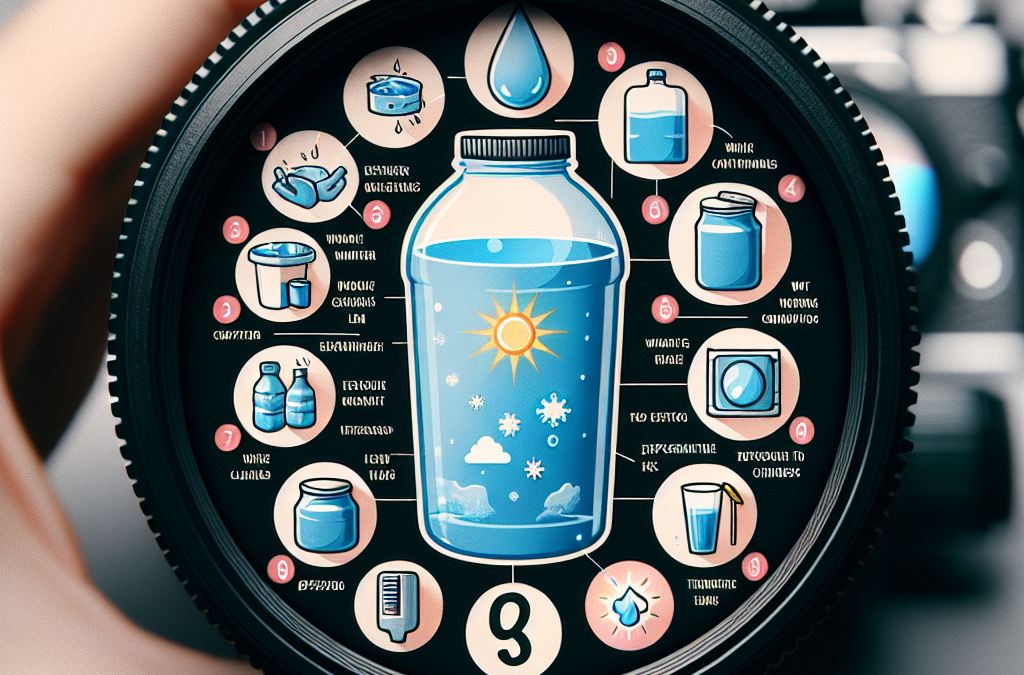
Alright, let’s talk containers! When I started, I made mistakes with my choices that could’ve been easily avoided. Not all containers are safe for storing water. Trust me, learning about BPA-free plastic and food-grade materials was crucial.
You’ve got to make sure that your containers are not just any old plastic but specifically designed for water storage. If not, you could end up with leached chemicals in your drinking water. Nobody wants that!
So always opt for reputable brands and check online reviews. Find containers that come highly recommended by others. That little bit of research can save you a heap of trouble in the long run.
Setting up a Storage System
Once I’ve got my containers sorted, the next step is organizing them in a way that makes access super easy. I can’t stress enough how important this is! A chaotic storage area is a recipe for disaster and waste.
I like to categorize my water based on use—drinking, cooking, and emergency supplies. This way, I always know what I have on hand and how to reach it in a pinch.
An effective labeling system also saves you time and stress, ensuring that you’re not tearing through everything just to find what you need. A little organization upfront can go a long way.
Common Water Storage Errors
Failing to Check for Leaks
One of my biggest blunders in water storage was neglecting to regularly check for leaks. It’s easy to overlook, but trust me—this can lead to a significant waste of water and serious damage to your storage area.
I recommend making it a routine to inspect your containers. Cracks, holes, or general wear-and-tear can develop quietly over time. And you know what? It only takes one slip-up to ruin everything, so vigilance is key.
Having a checklist or setting reminders on your phone can help you stay on top of your storage inspections. It sounds simple, but trust me, you don’t want to find out the hard way!
Ignoring Water Quality
Man, I learned this the hard way. One day, I went to grab some water from my storage, and let’s just say it had a funky taste. I had ignored whether I was maintaining the quality of my water!
You should be testing stored water periodically for clarity, odor, and taste. Not every change you notice is worrisome, but sometimes, it can indicate potential contamination. Make sure you know what signs to watch for!
It also helps to understand some basic water treatment steps that can keep your water fresh, like adding a bit of chlorine or using filtration systems. This way, you’ll always be prepared!
Neglecting Regular Rotation
Okay, this one is a biggie! I used to think that as long as I had water stored away, I didn’t need to worry about it. Wrong! Rotating your water supply is a critical part of maintaining quality.
Water should generally be rotated at least every six months. This doesn’t mean you have to waste water, either; you can always use the older water in your daily cooking or for washing.
Plus, it helps to keep track of what you have and when you added it. I like to use a simple notebook or even an app on my phone to track dates and usage. This makes it way easier to remember without causing stress.
Improper Water Container Choices
Understanding Container Materials
You would think all containers are equal, but oh boy, was I wrong! Different materials impact the taste, safety, and longevity of your water. Plastic isn’t just plastic—some leach harmful chemicals, especially when exposed to heat.
There are glass containers, metal options, and food-grade plastics. It’s vital to know the pros and cons of each material. Personally, I love using glass for its durability and non-reactive qualities.
Research each type of container you’re considering. Look for reviews and recommendations, and always choose safety over saving a few bucks!
Size and Shape Considerations
Have you ever tried to maneuver a large water barrel in a tight space? Let me tell you, sometimes the frustration isn’t worth it! Size matters when it comes to choosing water containers.
Think about where you’ll store your water and how frequently you’ll need to access it. Remember to balance convenience and capacity. I often find that smaller, stackable containers work well for me.
Also, the shape of your containers can make a difference in how easily they fit in your dedicated storage space. It can be a game-changer for an organized and efficient setup.
Overlooking Cleaning Procedures
Another thing I didn’t focus on as much when I started was cleaning my containers properly. Even the best containers need a good scrub once in a while to prevent bacteria growth.
I’ve learned to have a cleaning routine that includes a mix of vinegar and baking soda or a mild bleach solution to disinfect. Just make sure to rinse thoroughly afterward, so no chemicals hang around.
Taking the time to keep your storage clean will pay off big time. You’ll not only have safer water, but it’ll also taste better— and who wants to drink gross water, am I right?
Unmanaged Water Quality
Understanding Water Treatment Options
Let’s dive into the nitty-gritty of treating your water! I always thought my water was perfectly fine right from the tap or after storage, but I learned it’s essential to treat it properly.
There are many methods like boiling, chemical treatments, and filtration systems. Each has its pros and cons, and understanding which to use in specific scenarios will empower you as a water manager.
I usually recommend active charcoal filters for day-to-day use, but in emergencies, I might go for chemical treatments. It’s all about knowing your options so you can take action when you need it.
Identifying Contamination Risks
Contamination can strike from so many angles—it’s mind-boggling! From dirty hands touching the spout to external pollutants, I’ve learned to be proactive about keeping my water sources clean.
It’s crucial to identify potential contamination risks in your home and outdoor water sources. Regularly assessing what might compromise the integrity of your water storage should become second nature.
Implementing preventive measures, like covering containers and using clean siphons when pouring, can help keep your supply safe from contaminants. Prevention is definitely the name of the game.
Testing Water Regularly
I’ve got to emphasize this: Testing your water shouldn’t be a one-time thing. Just because it was good last month doesn’t mean it’ll be the same next week!
Investing in a water testing kit was one of the best decisions I made. These kits are easy to use and give me peace of mind. They can help identify any changes in pH, chlorine levels, or presence of harmful bacteria— all things we want to avoid.
Make monitoring a habit, and it will pay off in dividends in the long run. Good water management isn’t just about storing; it’s about sustaining!
Frequently Asked Questions
What type of containers are best for water storage?
The best containers for storing water are made from food-grade plastics, stainless steel, or glass. Make sure they are BPA-free to avoid leaching harmful chemicals.
How often should I check my water storage for leaks?
I recommend checking your water storage containers at least once a month for leaks and other signs of wear and tear to prevent waste and damage.
What are the signs that water quality has been compromised?
Signs include a change in color, bad odor, or an unusual taste. If you notice any of these, consider treating or replacing the water.
How can I ensure my stored water remains safe and clean?
Regular inspection of your containers, maintaining proper cleaning techniques, and rotating your water supply at least twice a year are key to keeping your stored water safe.
by Preparation | Jul 6, 2025 | Preparedness
Emergency Kit
Essentials for Your Kit
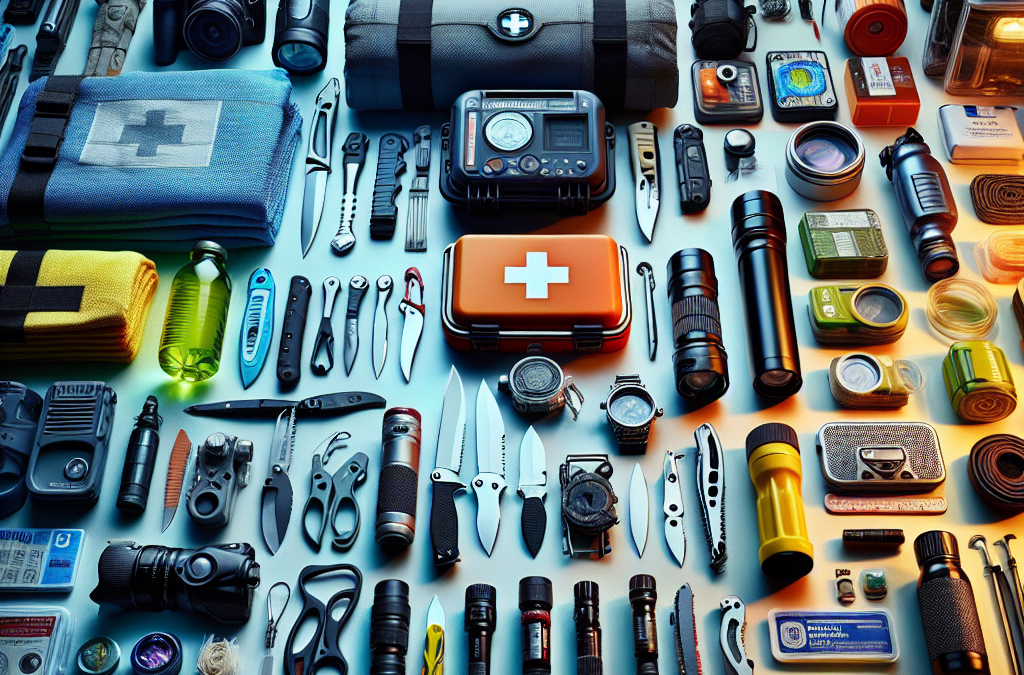
When I think about emergency preparedness, the first thing that comes to mind is an emergency kit. This is your lifeline in a crisis. I usually include items like first aid supplies, non-perishable food, and water. It’s surprising how many people overlook these basics and then scramble at the last minute. Trust me, having these essentials ready can make all the difference.
As for the quantity, I suggest stocking up on enough supplies to last at least 72 hours. This gives you time to recover from the initial shock and find more resources if necessary. Don’t forget about any personal items specific to your needs, like medications or pet supplies. I’ve made the mistake before of thinking about my needs but forgetting about my furry friend!
Remember, your kit isn’t a one-size-fits-all. Personalize yours based on your unique situation. Think about the climate you live in, your family members, and even your hobbies. For example, if hiking is your jam, pack some gear along with the basic food and water. That way, you’re not only prepared but also comfortable.
Communication Plan
Establishing Your Network
During any disaster, clear communication is crucial. After reflecting on previous experiences, I can’t stress enough how vital this is. Gather your family and friends to discuss who will be in charge of what, should an emergency arise. I can remember a time when we rushed to evacuate but didn’t establish who would contact whom. It added unnecessary stress!
I also recommend using text messaging over traditional calls since text messages can often go through when calls can’t. Create a family group chat specifically for emergencies. Make sure everyone knows how to access this information and practice it so there’s no hesitation when it really matters.
Think about other communication channels too, like social media, local bulletin boards, or community centers that can serve as meeting points. I’ve found that having multiple layers of communication gives everyone peace of mind, especially the little ones who might not understand the gravity of the situation.
First Aid Supplies
Building the Perfect First Aid Kit
A solid first aid kit is a non-negotiable. Trust me on this one; I’ve had my share of scrapes and bruises that needed more than a Band-Aid! Start with the basics: antiseptic wipes, gauze pads, adhesive tape, and a good pair of scissors. You’d be amazed at how often you’ll need these during even minor emergencies.
Don’t forget to add a manual or reference guide, especially if you’re like me and sometimes forget where the aspirin is when you need it most! You can find really handy booklets that talk you through common injuries and their treatments. I also include personal medications, like antihistamines, because allergies don’t take a break during a crisis!
As your skills grow, consider attending a first aid or CPR class. I did this a few years back, and it was enlightening. It’s like being a superhero – you don’t just have a kit; you’ve got the know-how to use it. Plus, it’s fun to learn something new and potentially save a life.
Water Supply
Understanding Your Needs
Water is essential, and I can’t stress this enough. In emergencies, clean drinking water becomes a precious commodity. I always make a plan to store at least one gallon of water per person per day. You might think that’s a lot, but trust me, you’d rather have more than not enough!
Remember to also consider pets and the extra water they might need. I once had a friend who forgot about her dog during a storm, and let’s just say we learned a valuable lesson that day! Consider storage options for water – there are many kinds of containers that can keep your water supply safe and free from contaminants.
And hey, think about purification methods too! Water filters, iodine tablets, and even a good old-fashioned boil could be necessary if local sources are questionable. I’ve used filters during hikes, and they’ve saved me a few times. Just don’t be like me and forget to check the replacement filters!
Emergency Power Supplies
Choosing the Right Power Options
With all the tech we have today, keeping the lights on during a disaster is super important. I always recommend investing in a portable power bank; it’s a lifesaver! It’s no fun when your phone dies while trying to get updates or making emergency calls.
Batteries play a vital role here too. I make sure to stock up on various sizes because you never know what might be in need of a change. I hate being caught off guard by a flashlight with dead batteries. C’mon, no one wants to stumble around in the dark!
If you’re feeling adventurous, consider solar-powered gadgets. I’ve been using a solar charger for my devices, and it’s great. Not only does it help the planet, but it also means less reliance on conventional power sources – which is key when emergencies hit!
FAQ
1. What items should I include in my emergency kit?
Your emergency kit should include essentials like non-perishable food, water, first aid supplies, batteries, and a flashlight. Personalize it by considering your family’s specific needs.
2. How often should I update my emergency kit?
It’s a good idea to review and update your emergency kit at least once a year. Check expiration dates on food and medications, and refresh items that have been used.
3. How do I create a communication plan?
Gather your family to discuss who will contact whom during an emergency. Set up a group chat, specify meeting points, and practice emergency procedures to ensure everyone is on the same page.
4. What is the best way to store water?
Store water in food-grade containers, avoiding anything that previously contained chemicals. A general rule is to have at least one gallon of water per person per day, along with extra for pets.
5. Are there eco-friendly power options for emergencies?
Yes, consider solar-powered chargers and equipment that minimize dependence on traditional power. They are great for sustainability and can provide energy during outages.
by Preparation | Jul 6, 2025 | Preparedness
Assess Your Environment and Risks
Understanding Your Surroundings
First things first, take a good look around your home or office. What potential hazards do you see? Whether it’s a nearby river that could flood, a busy street you’re close to, or even just the layout of the building, knowing what risks are present is crucial.
Make sure you’re aware of the various exits available. Some buildings have hidden emergency exits that might not be obvious at first glance. Familiarizing yourself with those exits can save precious seconds during an emergency.
I also recommend keeping a mental or written note of nearby landmarks. These can serve as important reference points, especially if the lights go out or panic sets in. You want to know where you’re headed when the urgency kicks in!
Identifying Potential Evacuation Routes
Now that you know your surroundings, it’s time to figure out which routes you could take. Walking, driving, or even biking—there’s often more than one way out. I like to say, “Don’t put all your eggs in one basket,” so explore various ways to exit safely, depending on your location.
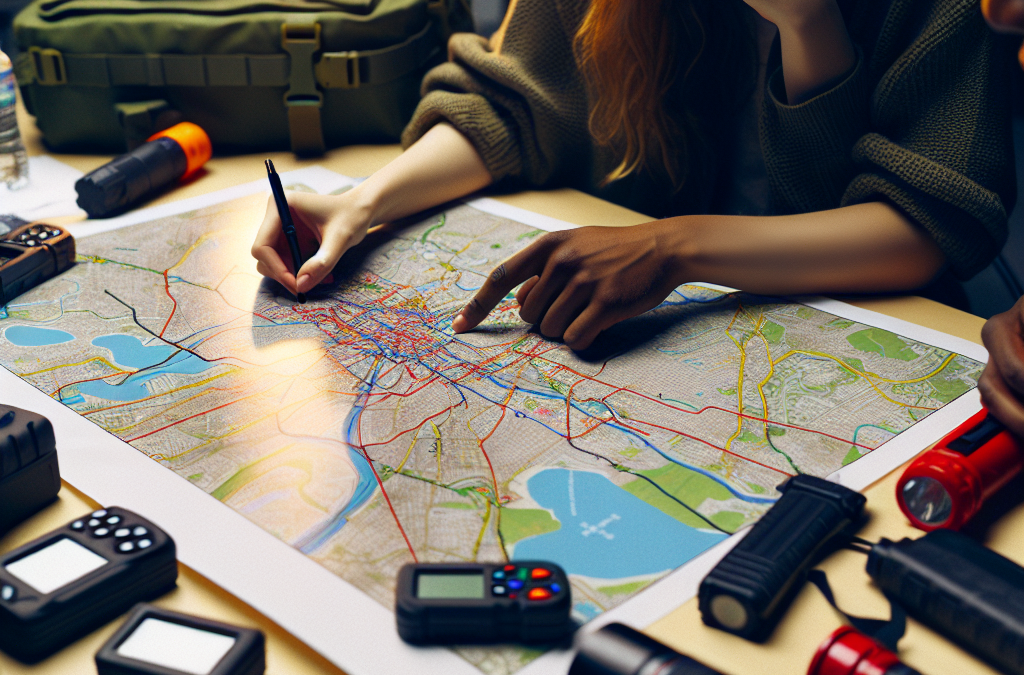
Create a map, even if it’s just a rough sketch! I remember drawing a map of my apartment complex once, charting out the quickest routes to the exits. That way, if something ever happens, I feel much more prepared and confident.
Don’t forget to consider different scenarios. For instance, if there’s a fire and smoke is pouring out of one exit, what’s your backup? Plan A may quickly turn into Plan B, so be ready for anything!
Check Accessibility and Obstacles
Next, think about accessibility for everyone in your household or workplace. If you have elderly folks or individuals with mobility challenges, make sure those routes cater to their needs. The last thing you want in an emergency is for someone to struggle to get out.
Also, while doing this, consider any obstacles that might block your chosen routes. Is there furniture, gates, or maybe even landscaping that could make getting out tricky? Assessing these obstacles early can save a lot of hassle later.
And don’t forget about pets! If you have furry family members, include them in your evacuation plan. A sudden dash for the door might need an extra step to grab them, so keep that in mind when plotting your escape routes!
Plan Your Evacuation Procedure
Create a Step-by-Step Plan
It’s all well and good to have identified the routes, but now we need a solid plan in place. I suggest writing it down; there’s just something about seeing it on paper that makes the plan feel more real. Each person should know where to go and what steps to take.
Break it down into basic steps. For example, “Once I hear the alarm, grab my phone and keys, then head to the nearest exit.” Simple and clear instructions can truly make a difference.
Simplifying your steps is key. I often practice them myself, just to ensure those instructions stick. It becomes second nature, and that sense of preparedness can really calm nerves during a real emergency.
Communicate Your Plan
Now, here’s where it gets interactive! Share your plan with everyone involved—the kids, roommates, coworkers, whoever it may concern. Keeping folks in the loop about where to meet and how to get there can prevent chaos when it really counts.
I like to hold a little family meeting or team huddle, whatever fits the situation! Brainstorm potential hitches and solutions together. This not only gives them a voice but also fosters a sense of responsibility and teamwork.
Repetition is your friend! Discuss the plan often so it sticks. Whether it’s casual check-ins or periodic drills, keeping the lines of communication open is essential to ensure everyone is on the same page.
Incorporate Checkpoints and Safety Measures
One way of making your evacuation plan even more effective is to incorporate checkpoints. Decide ahead of time where everyone should go once they exit the building, whether it’s a tree in the park across the street or a neighbor’s driveway.
I set these checkpoints because they help in ensuring no one gets left behind. If you’re doing group evacuations, having a roll call at a designated spot helps ensure everybody’s safe and accounted for.
Don’t hesitate to evaluate and adjust safety measures along the way. Learn from others’ experiences. I once heard a harrowing story of someone who evacuated without a good plan; their tale became part of my evaluation of my own process.
Practice Your Evacuation Plan
Conduct Regular Drills
Okay, so you’ve got your plan down—now it’s time to practice like you mean it! Running drills helps everyone familiarize themselves with the process. It’s all about muscle memory. I highly recommend doing this a few times a year.
Don’t make it too serious either; keeping it light-hearted can ease any tension associated with drills. I usually involve the family pets too, just to make sure everyone knows how to handle a situation and it becomes a fun family bonding time.
Take your time, and keep a log of how long it takes to evacuate. Timing will show you where you might need to speed things up or adjust your routes or processes.
Evaluate and Adjust Your Plan
After each drill, sit down and talk about what worked and what didn’t. I find that reflecting on these practices can unveil areas for improvement. Maybe the route was blocked or someone didn’t know which way to go—this is your chance to pivot!
Staying flexible is key! Your environment may change over time—new routes might open or close; even family dynamics might shift. Regular evals guarantee that your plan evolves with you.
Remember, just because it worked last time doesn’t mean it’ll be perfect this time around. Adaptation keeps your plan relevant and effective.
Keep Everyone Informed
Finally, continued education about your plan is essential. It’s not just about practicing; I find it helpful to have reminders about the procedures around the house or workplace. Something as simple as a printed checklist near the exits can significantly enhance remembrance during a crisis.
Also, I use resources like family group chats or regular safety meetings to keep everyone updated. In a world that changes rapidly, staying current is vital.
If someone new joins your household or workplace, educate them about the evacuation protocol right away. It creates a culture of safety that extends beyond just your circle.
Frequently Asked Questions
1. Why is it important to plan an evacuation route?
Having a plan means you’re prepared for an emergency, significantly reducing panic and confusion when time is of the essence. Knowing where to go ahead of time can save lives!
2. How often should I practice my evacuation plan?
Regular drills are ideal—aim for at least twice a year, but more if possible! Changes in your circumstances may warrant more frequent practice.
3. Should I involve my pets in the plan?
Absolutely! If you have pets, ensure they are included in the evacuation plan, and be prepared to grab them quickly if an emergency arises.
4. What if someone in my household has mobility issues?
This is where careful planning comes into play. Design evacuation routes that are accessible and practice different strategies to ensure everyone can exit safely.
5. How can I communicate the plan effectively?
Hold family meetings, use visual aids, and keep the conversation ongoing. Repetition and inclusion help embed the plan into everyone’s minds.




