by Preparation | Jul 6, 2025 | Preparedness
Community Members
Understanding Local Risks
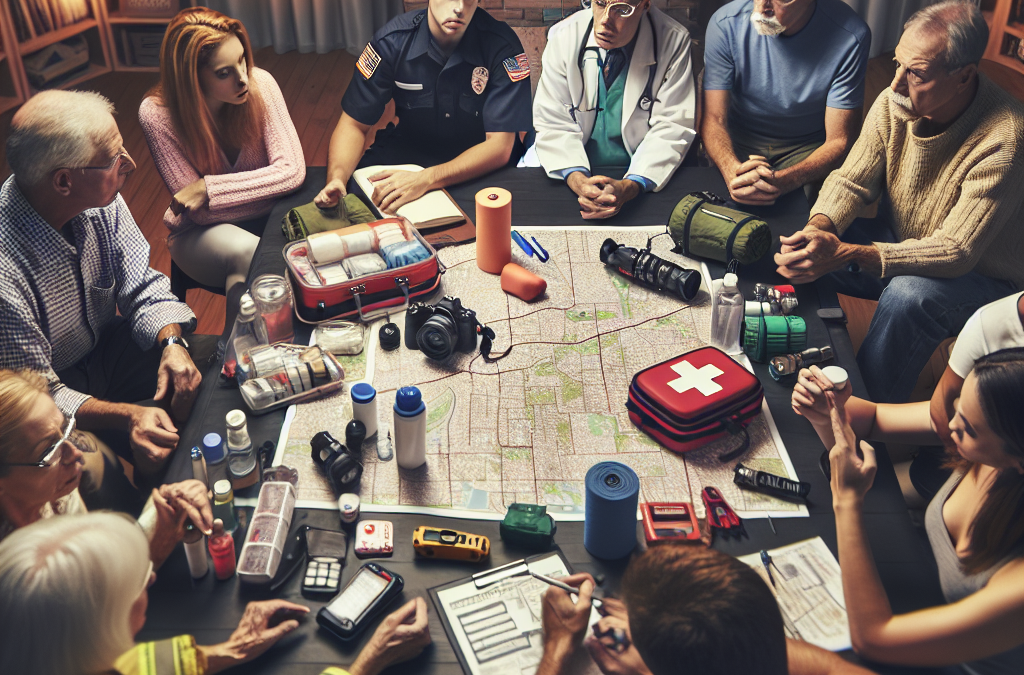
First off, it’s essential to have a grip on the risks that your community faces. Whether it’s flooding, earthquakes, or severe storms, each neighborhood has unique characteristics that influence the types of emergencies likely to occur. I’ve found that gathering community members together to share their experiences helps paint a clearer picture. You’d be surprised at how much knowledge you can gain just from a casual chat over coffee!
Think about reaching out through local networks or social media to engage your neighbors. You can host informal meetings or town halls. This way, everyone can contribute their insights, and a collective understanding of risks begins to form. Plus, it’s an excellent chance for everyone to get acquainted, fostering that sense of community we all cherish.
Once you’ve compiled these insights, it becomes easier to identify specific vulnerabilities within the community, which allows for targeted planning and resource allocation. Remember, when everyone is involved, responsibility for safety is shared, which strengthens our resilience.
Local Government Officials
Municipal Resources and Support
Local government officials play a pivotal role in any emergency planning process. They often have access to resources that individual community members might not be aware of. For instance, I’ve discovered that most municipalities have emergency management plans specifically tailored to their area’s risks. Engaging with these officials early on can provide you with insights into what tools and support are available.
Another key aspect is understanding what your local government prioritizes. This could include emergency shelters, communication systems, or public health initiatives. Building a relationship with these officials ensures that you can keep updated on any changes or enhancements in resources that could affect your emergency plan.
Plus, it’s also important to recognize that the government relies on community feedback! Sharing your perspective can help them fine-tune their approach and address any gaps you notice. It feels good to be part of that decision-making process and helps establish trust between residents and officials.
First Responders
The Role of Firefighters and EMTs
No emergency plan would be complete without the invaluable input of first responders—this group is literally on the front lines when disasters strike! In my experience, reaching out to local firefighters, police, and EMTs can deliver insights that are practical and grounded in real scenarios. Inviting them into planning sessions might seem intimidating, but they usually appreciate the effort.
Chat with them about their experiences during past incidents. I’ve learned so much about typical challenges they face during emergencies, and this helps the community understand how to assist them during a crisis. Who would’ve thought a simple conversation could foster a smoother coordination during real emergencies?
Furthermore, first responders can offer training sessions for the community. Whether it’s CPR training or how to respond in specific situations, their expertise is invaluable. I highly recommend forming partnerships with these folks to really beef up your preparedness.
Local Businesses
Embedding Resilience in Business Plans
Local businesses aren’t just economic players; they’re vital to community support during emergencies. I’ve come to appreciate the importance of including business owners in your emergency planning discussions. Often, these businesses have resources and trends that can aid in community recovery, especially in the aftermath of a disaster.
It’s also pretty smart to coordinate efforts. If disaster strikes, a local grocery store might help provide food resources while a hardware store could offer building supplies. By forming a network with local businesses, we can create a robust support system that enhances the overall response capability of the community.
And let’s not forget about communication! Having local businesses on board means they can help spread the word during emergencies. A simple post on social media or flyer in the shop can inform and rally community action when that’s most needed.
Non-Profit Organizations
Leveraging Community Engagement
Non-profit organizations often have unique insights into community needs and resources. Their experience working with at-risk populations makes them instrumental in an emergency planning process. I’ve found that these groups are experts at outreach; they know how to connect with individuals who may be overlooked in broader planning efforts.
Engaging these organizations can also provide added resources for recovery efforts post-disaster. Many non-profits specialize in services like mental health support or resource distribution, which can be critical in the aftermath of an emergency. Connecting with them early means you can coordinate better on the ground when things get tough.
Non-profits often have volunteers who can assist in planning or respond during emergencies. For instance, they can help with logistics or support communication efforts. This layer of volunteer involvement can significantly enrich your emergency response, making everyone feel like part of the collective mission.
FAQs
1. Why is it important to include community members in emergency planning?
Community members bring a wealth of experience and knowledge about local risks. Their input helps create a more comprehensive plan that reflects the community’s unique needs.
2. How can I engage local government officials in my planning process?
Start by reaching out through local meetings or official communication channels. Invite them to community discussions about emergency preparedness to build collaborative relationships.
3. What role do first responders play in emergency planning?
First responders provide essential insights from their experiences. They can also offer training and help guide community members on how to act in emergencies.
4. How can local businesses contribute to my emergency plan?
Local businesses can provide resources, spread information, and coordinate efforts for disaster recovery. Building partnerships ensures a community-wide response capability.
5. Why should I include non-profits in my emergency planning?
Non-profits have specialized knowledge of community needs, particularly for at-risk populations. Their resources and volunteer efforts can significantly enhance the community’s resilience during emergencies.

by Preparation | Jul 6, 2025 | Preparedness
1. Understanding the Basics of Sustainability
What is Sustainability Anyway?
When I first started my journey into self-reliance, I had this vague notion of what sustainability meant. It wasn’t until I dove deeper that I realized it wasn’t just a buzzword—it’s a way of life. Simply put, sustainability involves meeting our own needs without compromising the ability of future generations to meet theirs. This means being mindful of the resources we consume and thinking long-term.
In practical terms, this often involves using renewable resources, minimizing waste, and making choices that benefit both our immediate environment and the planet as a whole. It’s like a puzzle; every piece matters, and when you put them together, you create a bigger picture that’s about balance and stewardship.
Understanding the basics helps me to frame my self-reliant practices. I’ve found that when I know the ‘why’ behind what I’m doing, it’s much easier to commit to it in the long run. It’s not just about the here and now; it’s about making choices that I can feel good about down the line.
Connecting Self-Reliance to Sustainability
Self-reliance and sustainability go hand in hand. As I’ve explored practices like gardening, foraging, and even DIY projects, I’ve come to appreciate how they contribute to a sustainable life. When I grow my own food, for example, I’m not only feeding myself and my family, but I’m also reducing reliance on industrial agriculture, which often harms the environment.
This connection became super clear to me when I began composting. What better way to close the loop than by turning my kitchen scraps into nutrient-rich soil? Every small step I take reduces waste and creates a self-sustaining system at home. It’s this cycle of reuse that helps reinforce my self-reliant values.
By intertwining self-reliance with sustainability, I feel empowered in my lifestyle choices. It’s like building my own little ecosystem that thrives off of the land while being respectful to it. That’s something I can definitely stand behind!
Identifying Your Sustainable Goals
Setting goals is an essential part of ensuring that my self-reliant practices stay sustainable. I remember when I sat down with a notebook and just jotted down what sustainability meant to me. Did I want to decrease my carbon footprint? Cultivate my own herbs? Reduce food waste? By clarifying what I want to achieve, I can focus my efforts where they’ll do the most good.
Having clear goals keeps me motivated and accountable. For instance, I set a goal to grow at least 30% of our vegetables at home, which made things really exciting. I started planning my garden layout and researching companion planting strategies. Each success pushed me to make even more sustainable choices.
Plus, it’s not just about achieving goals but also reassessing them periodically. Sustainability isn’t a one-size-fits-all deal; what works for me now may evolve over time. That’s the beauty of this journey—there’s always room for growth and improvement!
2. Implementing Eco-Friendly Practices
Choosing Renewable Resources
When it comes to being eco-friendly, I’ve found that choosing renewable resources is crucial. This can range from picking the right materials for my DIY projects to selecting energy sources for my home. For instance, I swapped regular light bulbs for LED ones. Not only did this lessen my electricity bill, but it also reduced energy consumption significantly!
I also try to scout out local, sustainable businesses when I need to buy supplies. Supporting those who share my values helps reinforce the sustainable economy. It’s all about creating a ripple effect; every dollar spent mindfully can signal to companies that we care about sustainable practices.
And it’s not just about the big purchases! Even small changes, like using cloth bags instead of plastic, add up over time. Each eco-friendly choice contributes to a larger movement towards sustainability, and knowing I’m part of that process feels fulfilling.
Reducing Waste in Everyday Life
Ah, waste—what a beast! Learning how to minimize it has been a game changer for me. One of my favorite strategies is meal planning. By planning out what I’m going to eat for the week, I can buy only what I need, cutting down on that pesky food waste.
I also got super into upcycling. Instead of tossing old furniture, I’ve repurposed items to give them new life. It’s surprisingly satisfying to turn a dilapidated chair into something chic with a bit of paint and creativity. Plus, it saves money and the environment!
Finally, I use a compost bin for scraps, which reduces waste going to the landfill while providing nutrient-rich soil for my garden. It’s such a simple way to embrace sustainability! Keeping waste reduction at the forefront of my mind has transformed how I approach daily living.
Adopting a Minimalist Mindset
Minimalism may sound a bit daunting, but it’s about decluttering both my space and my mind. I started this journey by assessing what I truly need. By reducing the volume of items in my home, I not only make my space easier to manage but also lessen the environmental impact of consumer goods.
Every time I declutter, it feels like shedding a weight. Plus, I often find that I can donate items to charities or give things away to friends, allowing someone else to benefit from what I no longer need. It’s a win-win!
This minimalist mindset has also shifted my purchasing habits. I’m much more intentional about what I buy now. Instead of buying on a whim, I ask myself if that new item will add real value to my life and if it aligns with my sustainability goals.
3. Engaging with Community Resources
Finding Local Support
You know what they say: it takes a village! Seriously, I’ve learned that engaging with my local community is pivotal for sustainable self-reliance. Whether it’s participating in community gardens or joining local sustainability groups, having that support system encourages me and keeps me accountable.
For example, I got involved in a local permaculture group and learned so much about land management and sustainable practices. Being surrounded by like-minded folks who share my passion for sustainability makes the journey much more enjoyable!
Additionally, local resources often offer skills workshops for things like canning and preserving which have been invaluable for my self-reliant practices. It’s a great way to learn hands-on skills while building relationships within the community.
Sharing Knowledge and Skills
One of the best parts of engaging with my community has been the ability to share what I’ve learned. I’ve hosted my own workshops on topics like herbal medicine and DIY cleaning products. Sharing knowledge not only reinforces my skillset, but it also helps foster a culture of sustainability among others.
Every time I teach a workshop, I’m reminded that knowledge grows when it’s shared. People bring their own experiences and insights, and it becomes this enriching exchange that often leads to new ideas for sustainability!
Plus, the sense of camaraderie that develops in these sessions is just incredible. We all have a stake in making our community more self-reliant, and when we come together, we become powerful agents of change.
Participating in Local Food Systems
Another thing I love about my community is its commitment to local food systems. By supporting farmers’ markets, I can buy fresh produce while supporting local agriculture. There’s something special about knowing exactly where my food comes from and building a relationship with the growers. I often learn about sustainable farming practices directly from the farmers!
Participating in a community-supported agriculture (CSA) program is another fantastic way to ensure that my food choices lean toward sustainability. By committing to a local farm for a season, I get a regular supply of fresh, organic produce that’s harvested at the peak of its flavor. Talk about a win!
Plus, it’s a reminder of the importance of seasonal eating. Eating what’s in season reduces carbon emissions from transporting goods long distances and results in fresher, tastier food. It’s a simple shift that makes a big impact.
4. Continuing Education and Adaptation
Staying Informed About Sustainable Practices
Education is a lifelong journey, and as someone striving for sustainability, I find it crucial to stay informed. I make it a point to read articles, follow blogs, or watch documentaries that explore sustainable living. It can be so eye-opening to discover new techniques or perspectives that I hadn’t considered before.
Sharing what I learn with friends and family has also been incredibly rewarding. Discussing these topics not only reinforces my understanding but opens the door for others to explore sustainability, too!
This quest for knowledge isn’t just about learning; it inspires me to adapt my practices. There’s always something new to incorporate into my routine, whether it’s a new gardening method or a more efficient way to conserve water. It keeps the journey fresh and exciting!
Being Open to Change
I’ve learned that flexibility is key. Just when I think I’ve figured out the best way to do something, I might come across a new technique or innovation that’s even better. Being open to change has helped me evolve as an individual and as a home steward.
For example, I realized that I was using too much water for my plants. After attending a workshop on xeriscaping (landscaping effectively without irrigation), I revamped my entire garden! Now, not only is it stunning, but it requires much less water, a huge plus in terms of sustainability.
Embracing change has also nudged me toward other sustainable technologies like rainwater harvesting systems and solar energy. These innovations have not only improved my self-reliance but have made my home more eco-friendly as well.
Evaluating My Own Practices
Every few months, I sit down and evaluate what’s working and what’s not. This self-reflection helps me fine-tune my sustainable practices. I take stock of what I’m doing and consider if there are changes that could amplify the sustainability of my self-reliance.
It’s essential to question my habits and observe if they still align with my values. Have my needs changed? Is there a new sustainable method I could try out? This process not only helps me stay accountable, but it also fosters an adaptive mindset that’s vital for sustainability.
Through this ongoing evaluation, I’m always challenging myself to do better. Every bit of progress—no matter how small—feels rewarding as I see how my choices contribute to a larger, sustainable future.
5. Cultivating a Sustainable Mindset
Emphasizing Long-term Thinking
Part of cultivating a sustainable mindset for me is focusing on long-term outcomes rather than short-term gratification. I remember the first time I planted a fruit tree; I had to remind myself that it wouldn’t bear fruit for several years. That patience has translated into how I approach other self-reliant practices as well.
Thinking long-term changes how I make decisions about purchases, habits, and my lifestyle overall. Instead of falling for the latest trends, I invest in quality and durability that will serve me for years to come. It feels good to know that what I buy isn’t just a fleeting desire but something I genuinely need.
Ultimately, this long-term perspective aligns with sustainability because it encourages consideration about the future health of our planet as well as our well-being. I want to ensure that my actions today will lead to a better tomorrow!
Practicing Gratitude for Resources
This might sound a little touchy-feely, but I genuinely practice gratitude for the resources I have. Whether it’s the food I grow or the materials I use, acknowledging and appreciating them deepens my connection to sustainability. It reminds me that each resource is precious, and I should handle them with care.
This appreciation has led me to be more intentional about reuse and recycling. Instead of tossing something that I no longer want or need, I ask myself, “How can I repurpose this?” or “Could someone else benefit from it?” Taking this mindset has made my self-reliant practices feel even more fulfilling.
Being grateful also inspires me to explore ways I can further reduce my ecological footprint. I often find myself thinking creatively about how to live in harmony with the resources around me rather than focus solely on consumption. It’s a mindset shift that’s made all the difference!
Inspiring Others to Live Sustainably
Lastly, I’ve found that part of cultivating a sustainable mindset is about inspiring others to join the cause. Whether I’m sharing tips on social media, discussing sustainable living with friends, or hosting workshops, I know that knowledge moves mountains when shared.
Every conversation about sustainable practices helps encourage someone else to consider their habits and make changes. It’s about creating a collective impact that can transform communities and ultimately the world!
Seeing the excitement in others as they discover new sustainable practices fills me with a sense of purpose and unity. We’re all in this together, and encouraging each other ensures that our self-reliant practices remain sustainable long into the future.
Frequently Asked Questions
What are self-reliant practices?
Self-reliant practices involve taking control of your needs through personal or community-based methods. This can include growing your own food, creating DIY products, and reducing waste.
How do self-reliant practices contribute to sustainability?
Self-reliance minimizes dependence on industrial systems that often harm the environment. By being self-sufficient, you’re able to make conscious choices that reduce waste and promote renewable resources.
What are some simple eco-friendly practices I can start with?
Some straightforward practices you can adopt include meal planning, composting, using reusable bags, and supporting local businesses. Every small step helps foster sustainability!
How can I get involved in my local community for sustainability?
Joining local sustainability groups, participating in community gardens, or attending workshops can connect you with like-minded individuals and foster a supportive network for sustainable living.
How do I keep my sustainable practices evolving?
Stay informed about new methods, assess your own practices regularly, and remain open to change. Learning and adapting are crucial for continued growth in sustainability!
by Preparation | Jul 6, 2025 | Preparedness
How to Stay Safe During a Wildfire: Pro Tips
How to Stay Safe During a Wildfire: Pro Tips
Top 4 Semantic Keyword Phrases
- Wildfire safety tips
- Emergency evacuation plans
- Protecting your home from wildfires
- Staying informed during wildfires
Wildfire Safety Tips
Understand Fire Behavior
When it comes to wildfires, I’ve learned that understanding fire behavior is super crucial. Fire doesn’t just move in a straight line; it dances and flows with the wind. Observing weather patterns can clue you in on how it might spread. For instance, during hot, dry, and windy conditions, fires can escalate quickly.
Another thing I’ve found valuable is to keep an eye on the terrain. If you live in a hilly area, it’s essential to know how slope affects fire behavior. That is, fires tend to move faster uphill than downhill. Who knew a little geography could make such a difference when facing something as destructive as a wildfire?
Lastly, stay updated on the fire’s path. There are apps and services that provide real-time updates. Trust me, knowledge is power, especially in life-and-death situations like these!
Create a Fire-Resistant Buffer Zone
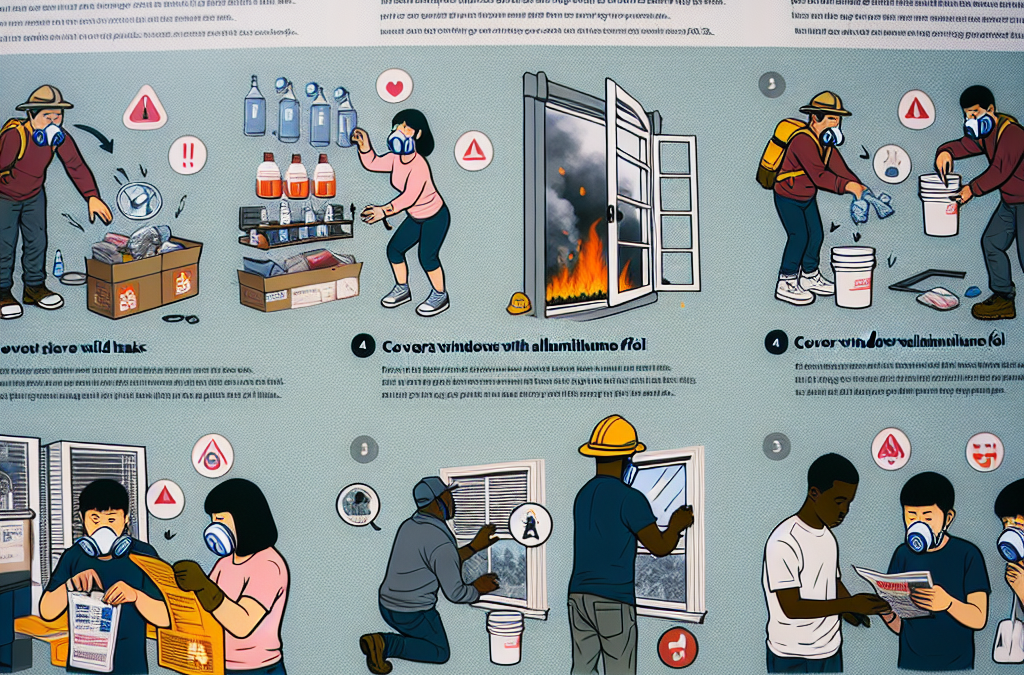
I’ve made it a habit to keep a defensible space around my property. This means clearing out any flammable debris like dead leaves or overgrown grass. It sounds like a boring chore, but it’s absolutely worth it! Aim for at least 30 feet of clearance around your home.
You’ll also want to consider using fire-resistant plants and materials in your landscaping. Some folks don’t realize just how flammable certain plants can be! Instead of a beautiful, but risky, rose bush, opt for some less flammable options.
And let’s not forget the importance of your home’s exterior. Investing in fire-resistant siding or roofing may seem pricey upfront, but it pays off when you think about the devastation wildfires can bring.
Have a Fire-Preparedness Kit Ready
I can’t stress this enough: being prepared can make all the difference. I always keep a fire-preparedness kit readily accessible. This kit should include essentials like water, non-perishable snacks, a flashlight, and a first aid kit. You never know when you might have to evacuate in a hurry!
It’s also a good idea to include important documents like insurance policies, IDs, and prescriptions. I keep these in a waterproof container; let me tell you, it takes a weight off your shoulders to know I’m ready for anything.
Lastly, don’t forget about your pets. Their food, medications, and a safe carrier should also be part of your kit. They don’t have the same understanding of the situation, and I find that keeping them calm is a top priority.
Emergency Evacuation Plans
Create a Family Evacuation Plan
Your family’s safety is number one, right? Creating a family evacuation plan isn’t just a good idea; it can genuinely save lives. Sit down with your loved ones and talk about how you’ll react in the event of a wildfire. Make sure everyone knows the escape routes and, importantly, the meeting spot outside your house.
After we made our plan, everyone felt more secure knowing we had a solid back-up plan. We even practice these drills; let me tell you, it’s not always pretty. But it’s worth it when you see everyone can navigate through the chaos.
Additionally, consider having a buddy system in place with neighbors or friends. That way, no one gets left behind, and everyone knows who to check in with during evacuation.
Stay Aware of Local Authorities
I’ve found that local authorities are key players in a crisis like wildfires. Always listen for alerts from officials on the best time to leave. Trust me, it’s easy to think you can manage, but it’s vital to heed their warnings.
I also recommend installing a weather app on your phone for instant notifications. Many of them offer information on air quality and fire warnings, which can be lifesavers.
And if evacuations do occur, prioritize following the established routes. It may sound tempting to take shortcuts, but those could lead to dangers you aren’t prepared for. A little patience can go a long way!
Emergency Communication Methods
Adopting reliable methods of communication during an emergency is huge. I always carry a portable charger to keep my devices running. Phones can die quickly when you’re trying to reach loved ones amidst chaos.
It’s also good to note that text messages may get through even when phone calls can’t. So, I’ve started using messaging apps that work on Wi-Fi like WhatsApp. They really help during emergencies when network towers are bogged down.
Lastly, establish a contact who lives outside the fire zone as your communication central. Having a single point of contact can make it easier to share updates and ensure everyone is safe.
Protecting Your Home from Wildfires
Assess Your Property’s Vulnerability
Before you even think about what to do next, it’s essential to really assess your property. I’ve walked my yard multiple times, checking for vulnerabilities. Are there branches hanging over my roof? Is there flammable mulch too close to the house? These seemingly small details can make a massive difference.
Don’t be afraid to consult with fire experts, either. They can provide insights and recommendations on how to make your property more fire-resistant.
I also recommend doing this assessment at least once a year, especially at the beginning of wildfire season. It’s just part of that proactive life!
Install Fire-Resistant Structures
As I mentioned before, investing in fire-resistant materials really pays off. I’ve updated my roofing and siding, opting for materials that are less susceptible to flame. I also use non-combustible fences around my home to further protect it.
Moreover, think about your windows; using double-paned glass can be a better choice. You’d be amazed how far these efforts can go in protecting your sanctuary.
And let’s not forget about creating safe zones within your property. Clear spaces around pool equipment or outdoor furniture help manage the risks better.
Utilize Outdoor Equipment Wisely
Part of maintaining your outdoor space is using your tools wisely. I’ve seen folks using their lawnmowers on dry grass, which is a big no-no during fire season. Make sure you know your landscaping equipment can create sparks and take those fire safety steps.
Additionally, I keep hoses that can reach around my whole home during fire season. If you can spray down your property, do it! It may sound simplistic, but every little effort counts.
Lastly, being mindful of how you grill or use fire pits can also prevent potential disasters. I’ve stopped grilling on windy days—better safe than sorry, you know?
Staying Informed During Wildfires
Regularly Check Local News and Updates
I know it can be easy to get lost in the hustle and bustle of life, but checking your local news regularly during wildfire season is vital. They’ll have the latest on fire patterns, air quality, and evacuation orders. I try to dedicate a few moments each day to get updated.
Also, don’t forget about your social media channels. Many local agencies use their accounts to relay real-time information. Just make sure they’re reliable sources!
With the slew of information out there, keeping your news sources clear and concise helps avoid confusion. I personally have a few news apps on my phone that deliver the information I need without overwhelming me.
Join Community Alerts and Notification Systems
One of the best things I did was sign up for community alert systems. They send texts or emails during emergencies—so handy!
My community has a system in place that alerts us about local incidents, including those pesky wildfires. Signing up is usually quick and simple, so don’t skip this step!
Staying in the loop also fosters a sense of community. I feel much better knowing I’m not alone during a stressful situation.
Engage with Your Neighbors and Community
This one might sound a bit old-fashioned, but talking to your neighbors is worth the effort. Create a network and make it a point to discuss wildfire preparedness. You never know; your neighbor may have tips or experiences to share that can be super helpful!
Group discussions can give everyone a boost in confidence during tough times. Plus, setting up neighborly check-ins during fire season can enhance that sense of community.
Lastly, consider engaging with local groups or online forums that focus on wildfire preparedness. Being able to share information and experiences creates a sense of collaboration that’s incredibly comforting.
FAQs
What should I include in my fire preparedness kit?
You should include essentials like water, snacks, a flashlight, a first aid kit, important documents, and pet supplies. Anything that you would need to make a quick exit and be comfortable during an emergency!
How do I create an effective family evacuation plan?
Creating an evacuation plan involves mapping out escape routes, designating a meeting spot, and practicing your plan together. Regular drills help everyone know what to do if the time comes.
What materials are best for fire-resistant landscaping?
Fire-resistant plants, as well as non-combustible mulch and stone, are ideal for creating a defensible space. Look for materials specifically rated for fire resistance to maximize safety.
How can I stay informed during wildfire season?
Regularly checking local news and signing up for community alert systems can keep you updated. Also, consider following local authorities on social media for real-time updates on emergencies.

by Preparation | Jul 6, 2025 | Preparedness
Preparing Ahead of Time
Create an Emergency Plan
One of the first things I learned about staying calm during a disaster is the value of having a solid emergency plan. It’s more than just listening to the news; it’s about knowing what to do and where to go. Sit down with your family and talk about who needs to account for who, and set up a communication plan. Trust me, when chaos strikes, having a plan will save you a lot of stress.
Your emergency plan should include important contacts, evacuation routes, and a list of items to grab in a hurry. Having these things written down makes it all feel a bit less overwhelming. Plus, it gives you a sense of control, which is really comforting during a tough time!
Don’t forget to practice the plan! It sounds silly, but going through your emergency plan a few times means you won’t be fumbling when something really happens. It builds confidence and helps everyone in the household remember their roles.
Gather Useful Supplies
Another key part of staying calm is being prepared with supplies. I recommend keeping a well-stocked emergency kit. This should include water, non-perishable food, first aid supplies, flashlights, and blankets. It’s definitely a project to gather everything, but once you have it, you can breathe easier knowing you’re ready.
Take some time each month to check your supplies. Make sure the food isn’t expired and that your flashlight batteries are fresh. It’s all about peace of mind, you know? When you’ve got what you need, it’s one less thing to worry about.
Also, think about adding items that are comforting to you, like a favorite book or a family photo. Even during a disaster, little things can bring a sense of normalcy and calm.
Stay Informed
Information is power, especially during a disaster. I always keep myself updated with the latest news, but I also try to filter where I get that info from. Sometimes the news can feel overwhelming or sensationalized, so it’s best to rely on trusted sources. This provides clarity amidst chaos, which is vital for maintaining your calm.
Also, remember that social media can either be a blessing or a curse. It can keep you informed, but it can also lead to misinformation, so tread carefully. Stick to a couple of reputable channels and keep your notifications on for updates, but don’t let yourself get sucked into the whirlpool of unnecessary anxiety.
Finally, get the facts about what’s happening locally. Understanding what your area is up against can help you make more informed decisions and alleviate anxiety when you know what to expect.
Staying Calm in the Moment
Practice Deep Breathing
When the disaster hits, my go-to is deep breathing. It sounds simple, but focusing on my breath has helped me stay calm in the craziest situations. I usually take a moment to inhale slowly through my nose, hold it for a few seconds, and then exhale through my mouth. This simple act re-centers me and reduces that rush of panic.
You can even pair deep breathing with grounding techniques, like checking in with your surroundings. What do you see, hear, or feel? This helps pull your mind away from fear and into reality, making it easier to think clearly.
Give yourself permission to take these moments when things feel chaotic. You might be surprised at how a few deep breaths can help you shift your mindset in challenging times.
Stay Focused on Immediate Needs
A tip that has served me well is to focus on what needs to be done right now. In the moment of chaos, it can be super tempting to spiral into worries about the future, but that’s just a recipe for panic. I remind myself to tackle one thing at a time—help others, grab supplies, or seek shelter. Just take it step by step.
I also find that checking in with those around me helps keep my mind occupied and focused. Are my neighbors okay? Is there someone who needs assistance? This provides a purpose and diverts my thoughts from my own worries.
Keep your mind busy with short, actionable tasks. This way, instead of being overwhelmed by everything going on, you feel productive and in control.
Lean on Your Support System
Finally, don’t underestimate the power of connection. I always reach out to friends and family during tough times. Having someone to talk to or even just to sit in silence with can be incredibly calming. It helps to share feelings and fears with someone who understands.
Don’t be shy about asking for help, either. Whether it’s to grab supplies or check on your pets, teamwork really can ease the burden. I’ve seen firsthand how people banding together can create a much calmer atmosphere.
Remember, you’re not alone. Even during large-scale disasters, collective resilience shines. Tap into your community spirit; supportive connections can often make all the difference!
Conclusion
Staying calm during a disaster is definitely easier said than done, but with preparation and the right mindset, it’s entirely achievable! From planning ahead to focusing on immediate actions, it’s all about taking small steps that foster a sense of control and peace.
FAQs
1. What should I put in my emergency kit?
Your emergency kit should include essentials like water, non-perishable food, first aid supplies, a flashlight, batteries, and blankets. Personal items, like medications or comfort items, are also important!
2. How often should I check my emergency supplies?
I recommend checking your supplies at least twice a year to ensure nothing is expired and all items are in working order.
3. What’s the best way to stay informed during a disaster?
Stick to trusted news sources for updates and consider setting notifications for crucial alerts. It helps to have a calm and reliable stream of information.
4. How can I practice deep breathing effectively?
Inhale slowly through your nose for a count of four, hold for four, then exhale through your mouth for four. Repeat this a few times to find your calm!
5. How can I help others while maintaining my own calm?
Focus on immediate needs, like whether someone needs assistance or a check-in. Supporting others gives you purpose and helps you stay grounded!
by Preparation | Jul 6, 2025 | Preparedness
As someone who has navigated the choppy waters of disaster recovery, I can tell you that having the right tools is non-negotiable. When the unthinkable happens — be it a natural disaster, cyberattack, or any other disruption — having a solid foundation to rely on makes all the difference. In this article, I’ll break down the four critical tools you need and share tips from my own experiences to help you get prepared!
1. Robust Backup Solutions
Understanding Backup Types
Before diving into any backup solution, it’s crucial to understand the different types available. At a basic level, you have local backups, cloud backups, and hybrid approaches. Local backups are handy for quick access, while cloud backups offer off-site security. Then there’s the hybrid, which combines the best of both worlds.
In my experience, depending solely on one type can be a recipe for disaster. Imagine your server crashes, and all you have is a local backup — it might be in the office when you can’t access it. That’s why I always recommend evaluating your needs and risks before settling on one type.
Don’t forget about frequency, too! A backup once a month might sound fine until that one week where everything goes haywire. Regularly scheduled backups help ensure that all your crucial files are safe.
Testing Your Backups
Having backup solutions in place isn’t enough — you need to regularly test them. It’s like practicing for a fire drill; you don’t want to find out your backup is flawed during an actual disaster. Set a routine, and check if your data can be restored successfully.
I remember one painful experience where we assumed a backup was solid, only to discover it was corrupted when we really needed it. Testing helped us avoid that monumental screw-up. Trust me, run these tests often; your future self will thank you for it!
Also, document the process of restoring data. If you need to do it under pressure, you don’t want to be scrambling to remember each step. A clear plan can make all the difference in those stressful moments.
Choosing the Right Provider
Your backup solution is only as good as the provider behind it. I’ve learned to do thorough research; look at performance reliability, service history, and customer reviews. Just because a service is popular doesn’t mean it’s the best fit for your needs.
It’s also important to ensure that the provider offers the necessary compliance with regulations relevant to your industry. You don’t want to be caught in a legal trap after an incident because your backup provider didn’t meet those standards.
Lastly, consider their customer support. In a disaster recovery situation, you may need immediate assistance. Providers with 24/7 support can be a lifesaver in those moments, so don’t skip that part in your evaluation!
2. Comprehensive Disaster Recovery Plan
Creating the Framework
The backbone of any disaster recovery strategy is a well-structured plan. It starts with understanding your organization’s critical functions and identifying the resources needed to keep them up and running. I’ve found that sitting down with team members from all departments helps cover all the bases.
Map out steps for various scenarios, and make sure your plan is easy to understand. I always advocate for a straightforward approach — if a key person is out of the picture, anyone should be able to grab the plan and implement it.
And remember to include timelines for recovery. Knowing exactly how quickly you need to get back online can shape the entire plan, helping to dictate priorities in a chaotic moment.
Roles and Responsibilities
No plan can succeed without clearly defined roles. It’s essential to know who is responsible for what during a recovery situation. From IT staff to management, everyone should have a designated role to play.
In my own experiences, I’ve seen how assigning clear responsibilities can enhance efficiency. Nobody wants to find themselves standing around during a crisis, unsure of what to do. A well-structured plan ensures everyone knows their mission.
Make sure to hold regular training sessions. Having a familiar face handling each aspect of the plan makes a huge difference when it comes time to put it into action.
Regular Updates and Drills
Just because you have a plan doesn’t mean it will stay effective. Regularly review and update your disaster recovery plan to ensure it remains aligned with your business goals and technological changes. I can’t stress that enough!
Simulating an actual disaster is vital. It might feel tedious, but running drills will expose weaknesses in your plan and demonstrate how well your team can execute it. Take notes during drills to refine the process over time.
After a drill, I encourage gathering everyone for a debrief. It’s a great way to discuss what went well and what can be improved. Continuous improvement is the name of the game!
3. Communication Systems
Choosing the Right Communication Tools
When disaster strikes, effective communication can be the lifeline for your operations. I’ve relied on multiple tools — emails, messaging apps, and even physical walkie-talkies, depending on the situation. The key is to ensure that everyone knows how to reach each other during a crisis.
Investing in reliable, easy-to-use tools can save you a ton of headaches later. I often recommend multi-channel systems that can reach employees regardless of where they are. Your chosen system should accommodate both immediate alerts and longer-form communications.
In my experience, testing these systems is just as crucial as testing your backup. During a panic, you might discover that a tool you relied on isn’t functioning correctly — trust me, you don’t want that. So routinely check your communication systems!
Establishing Clear Protocols
Communication shouldn’t just be about tools; it’s also about protocols. Ensure there are clear guidelines about who communicates what and when. This will avoid any confusion that can arise and make your messaging more effective.
In my practice, I’ve often set up specific points of contact for different types of emergencies so employees know exactly who to inform or reach out to first. This helps contain the situation and makes lines of communication clear.
Another critical element is establishing a way to deliver messages across different platforms. I always recommend building a communication hierarchy and keeping shortcuts to phone trees or group email lists readily available.
Feedback Mechanism
Once your communication systems are in place, it’s essential to create a feedback loop. Encourage team members to share thoughts on communication effectiveness after you’ve gone through a crisis. I’ve learned this is invaluable in understanding where confusion occurred.
Surveys and meetings can be fantastic methods for collecting feedback. It’s a chance to adapt and refine how information is shared in the future. This process not only improves your communication strategy but also fosters a culture of teamwork.
Don’t shy away from open discussions about what worked and what didn’t. This openness can build trust and confidence, making your team more resilient in the face of future crisis situations.
4. Ongoing Risk Assessment
Identifying Potential Threats
Your risk environment isn’t static; it shifts as your business evolves. Continuous risk assessment helps identify new threats that might disrupt your operations. In my experience, regular check-ins and evaluations are key!
Get comfortable with asking hard questions: What vulnerabilities has your business experienced? What external factors could affect your operation? Having open conversations with your team can yield insights you might have missed alone.
Preemptively recognizing threats can save you time and resources in the long run, making it an essential part of your disaster recovery plan. Don’t think of this as a one-off evaluation; it should be a regular practice!
Implementing Changes
Once you’ve identified the potential threats, the next step is taking action. I learned early on that ignoring risks won’t make them disappear, so I prioritized acquiring the right tools and training for my team.
Investing in security technologies, updated software, and training sessions can help mitigate risks. You don’t want to be caught off-guard by a threat that you could have prepared for.
Establishing a “lessons learned” culture after each assessment can create an ongoing cycle of growth. This proactive approach means you’re better equipped to respond to any disruption when it happens.
Engaging Stakeholders
Finally, engaging with stakeholders is vital for a complete view of possible risks. I’ve found that collaborating with partners, suppliers, and industry peers can reveal vulnerabilities you might not have recognized. By pooling resources and information, your organization can build a stronger base.
Listening to external perspectives is just as important as internal assessments. Often, those outside the company can spot risks that you might overlook because you’re too close to the operation.
Regular meetings and updates with these external parties help keep everyone informed and on the same page. At the end of the day, it’s all about creating a collective defense against possible disasters.
Frequently Asked Questions
1. What are the four critical tools for effective disaster recovery?
The four critical tools include robust backup solutions, a comprehensive disaster recovery plan, effective communication systems, and ongoing risk assessment. Each area plays a significant role in ensuring that your organization can bounce back quickly from any disaster.
2. Why is regular testing of backup solutions important?
Regular testing ensures that your backup systems are functioning correctly. It minimizes the risk of relying on a flawed backup during a crisis, giving you confidence that your data can be restored efficiently if needed.
3. How often should I update my disaster recovery plan?
Your disaster recovery plan should be reviewed and updated regularly, especially after significant business changes or technological advancements. Keeping it updated ensures that it remains relevant and practical.
4. Why do communication systems matter in a disaster recovery plan?
Effective communication during a disaster ensures that all team members know their roles, responsibilities, and the status of recovery efforts. Clear protocols and reliable tools can save time and minimize confusion during a crisis.
5. How can I identify potential threats to my business?
Conduct regular risk assessments by evaluating both internal and external factors that could impact your organization. Engaging with team members and stakeholders can help you discover vulnerabilities and formulate strategies to mitigate them.
by Preparation | Jul 6, 2025 | Preparedness
Utilize Official Emergency Alerts
Sign Up for Local Alerts
When a disaster strikes, you want to be the first to know, right? That’s why signing up for local alerts is crucial. Most cities or counties have emergency services that send out text messages or emails when a significant situation arises. I remember when there were wildfires near my home; the alert helped me pack my essentials before the evacuation notice came.
Those alerts can save lives! They keep you updated on critical information about evacuation routes, shelter locations, or even road closures. Simply head to your local government’s website to check what options are available for you. Don’t forget to customize your preferences to get alerts that matter most to you.
Trust me, having those alerts can give you peace of mind. It’s like having a personal assistant whispering in your ear about what you need to do. So, if you’re not already signed up, do it now! It could be a game changer during a crisis.
Enable Wireless Emergency Alerts (WEA)
Another nifty little feature that not everyone utilizes is Wireless Emergency Alerts (WEA). These are short emergency messages from authorized officials that pop up right on your phone, no app required. I still remember the first time I got one; it startled me at first, but I quickly realized its importance.
This system will alert you about severe weather, local emergencies, and even Amber Alerts. All you have to do is make sure your phone settings allow for these alerts. A quick check in the settings can go a long way, and it takes, like, five minutes at most!
Imagine being in the midst of a chaotic situation and your phone buzzes with a crucial alert. It’s comforting to know your device can keep you informed, especially when you’re in the dark about what’s happening around you.
Listen to Local Radio
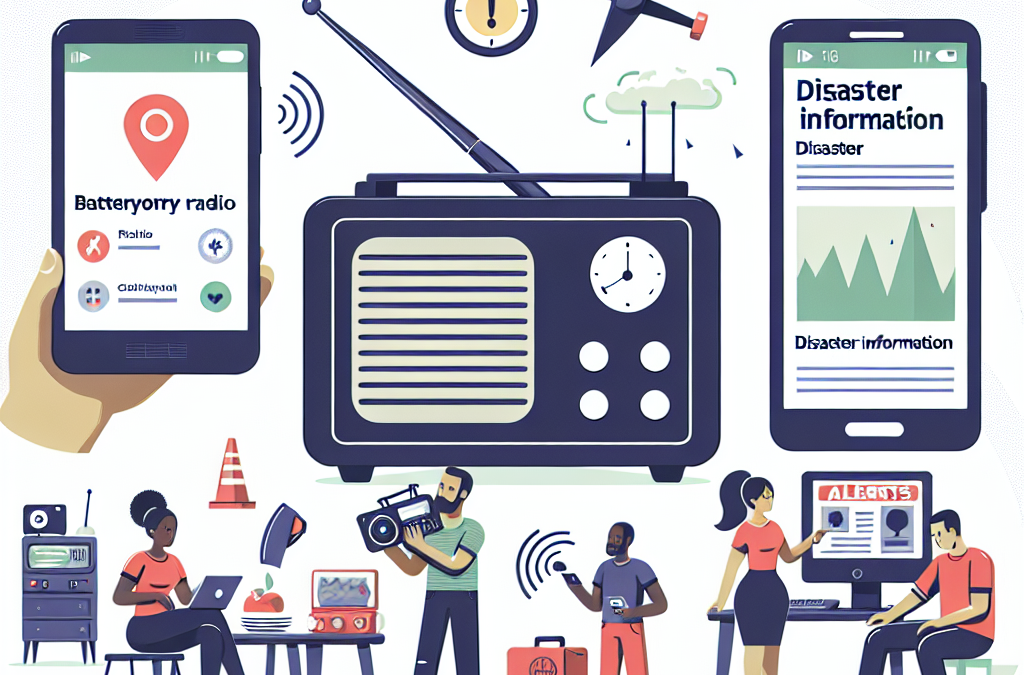
This might seem old-school, but local radio is still a fantastic resource during disasters. While I love my podcasts, I’ve learned that turning on the radio can be a live-saver in times of crisis. There’s something about that familiar voice providing real-time updates that feels grounding.
Besides, radio signals can reach areas that phones and internet connections might not cover during a disaster, making it a reliable source of information. So, keep a portable radio handy in your emergency kit, or even crank it up in your car if you’re on the go.
And seriously, don’t underestimate the community aspect! Local radio stations often bring in emergency management professionals, community leaders, and more to give ongoing updates, which is priceless during an emergency situation.
Leverage Social Media
Follow Local Authorities on Social Media
Social media is not just for sharing cat memes; during a disaster, it can be a vital tool. Following your local authorities helps you get instant updates on the situation. I’ve found myself scrolling Twitter to keep up with breaking news while situations unfold.
Most government agencies and emergency services are pretty active on platforms like Facebook and Twitter. They provide timely updates, which are often more detailed than those general alerts you’re getting on your phone.
Just be cautious about misinformation. Stick to official accounts and verified news outlets to avoid getting sidetracked by rumors. Social media should complement, not replace, other informational resources during a crisis.
Join Community Groups
Did you know that being part of community groups on social media can provide valuable information during disasters? I joined a local neighborhood group, and during emergencies, people would share real-time updates of the situation in our area. It was amazing to see neighbors helping each other out!
These groups often create a space where you can ask specific questions, get advice, or share resources. Plus, there’s a sense of camaraderie that makes you feel less alone during tough times.
Just remember to contribute to the discussion. If you have updates or useful information, share it! Your insights could really help someone in need, and you’ll find people appreciate the effort.
Stay Up-to-Date with Hashtags
Another cool trick is using specific hashtags to find relevant information. During significant events, I can search for hashtags related to the disaster and quickly sift through the latest updates from various sources. It’s quite enlightening!
It’s also a way to see how others are reacting or what they’re experiencing, which can provide a greater context to the situation. Plus, it’s an easy way to get a pulse on the feeling of the community during stressful times.
Of course, as with any online source, you have to be vigilant and confirm information using credible sources. But overall, hashtags can be a goldmine for timely updates and information-sharing when every second counts.
Prepare and Train for Emergencies
Understand Your Emergency Plans
Let’s get real for a second: preparation is everything. Knowing your emergency plan inside and out makes you feel a lot more secure. I sat down with my family one evening, and we mapped out what we’d do in various disaster scenarios. It was comforting to have a solid plan!
Take the time to familiarize yourself with various evacuation routes and emergency services in your area. It’s not just about having a plan; it’s about knowing how to execute it under pressure. This knowledge can be a massive advantage when you need to act quickly.
Practice these drills periodically so everyone is on the same page. The more you practice, the more instinctive those responses will become when an actual disaster hits. Trust me, you’ll thank yourself later!
Keep an Emergency Kit Ready
Having an emergency kit is like a safety net you can rely on. I spent an afternoon gathering supplies and packing them neatly, and I sleep better knowing I’m prepared. Make sure to include essentials like water, food, medications, and a flashlight in your kit.
But don’t just shove everything in a bag! Organize your kit so you can access what you need quickly. I always recommend doing a clear inventory of items, so if you need something in a hurry, you’re not fumbling around trying to find it.
And remember to update it! Every few months, check expiration dates or swap out emergency contact information. Keeping your kit fresh can make a real difference when those moments of crisis come knocking at your door.
Participate in Training Workshops
Look for workshops that focus on disaster preparedness in your area. I attended a CPR training session, and it opened my eyes to ways I could help not just myself, but others as well in a disaster. It’s such a confidence-booster!
Many local organizations offer courses on first aid, fire safety, or even survival skills. Participating in these activities equips you with crucial skills that can help you or someone else during emergencies.
Plus, it’s a great way to connect with others who share similar interests in safety and preparedness. You might make some friends along the way, which is nice when building a community that looks out for one another.
Stay Connected with Loved Ones
Establish Communication Plans
Time and time again, when disaster strikes, being connected with loved ones becomes paramount. I always recommend discussing and solidifying a communication plan ahead of time. Decide on how you’ll check-in and what to do if you can’t reach each other.
Maybe you set up a designated meeting spot or agree to communicate through a specific app. Whatever works for your situation, just make sure everybody knows the plan. It avoids chaos and confusion when things go sideways!
It’s not just about having a plan; it’s about communicating that plan clearly with those you care about. Trust me, having that understanding can make all the difference when you’re navigating a crisis.
Utilize Technology for Check-Ins
Thanks to modern technology, check-ins have never been easier. I use group messaging apps during emergencies to keep everyone in the loop. There’s just something comforting about seeing a “thumbs up” from loved ones who are safe and sound.
Find applications that allow location sharing or emergency notifications. You can set them up to alert family or friends when you’re in a tough spot. It’s like giving your loved ones a nudge to let them know, “I’m okay!”
During stressful moments, knowing you have additional support allows you to focus on the task at hand. This tech can alleviate worries, and keep your friends and family less anxious about you when things go south.
Share Resources and Information
Lastly, don’t hesitate to share useful resources and information with your circle. If you find updates or resources that are beneficial in a disaster situation, pass them along! I often share links to local shelters or aid services in our group chats during emergencies.
Becoming a reliable resource for friends and family can boost everyone’s preparedness and ensure you’re all equipped to handle any situation. Communication goes both ways; encourage them to share their insights too!
Ultimately, it strengthens your support network and helps everyone feel a little more connected during uncertain times. A little teamwork can go a long way in keeping the stress down for everyone involved.
FAQ
1. How important are official emergency alerts during a disaster?
Official emergency alerts are crucial as they provide timely and accurate information, including evacuation orders, shelter locations, and emergency services updates that can help you stay safe.
2. What should I include in my emergency kit?
An emergency kit should include essentials such as water, non-perishable food, first aid supplies, medications, a flashlight, batteries, and important documents, ensuring you have what you need during crucial moments.
3. Can social media be reliable during disasters?
Yes, following local authorities on social media can provide real-time updates. However, always double-check information against official sources to avoid misinformation.
4. How can I prepare my family for emergencies?
Establish clear communication plans, conduct regular drills, and discuss what everyone should do during various emergency scenarios to ensure everyone is prepared and less anxious.
5. Why is it important to stay connected with loved ones during a disaster?
Staying connected can provide peace of mind, helping to coordinate plans, check on each other’s safety, and share resources, which can significantly ease the stress during a crisis.




