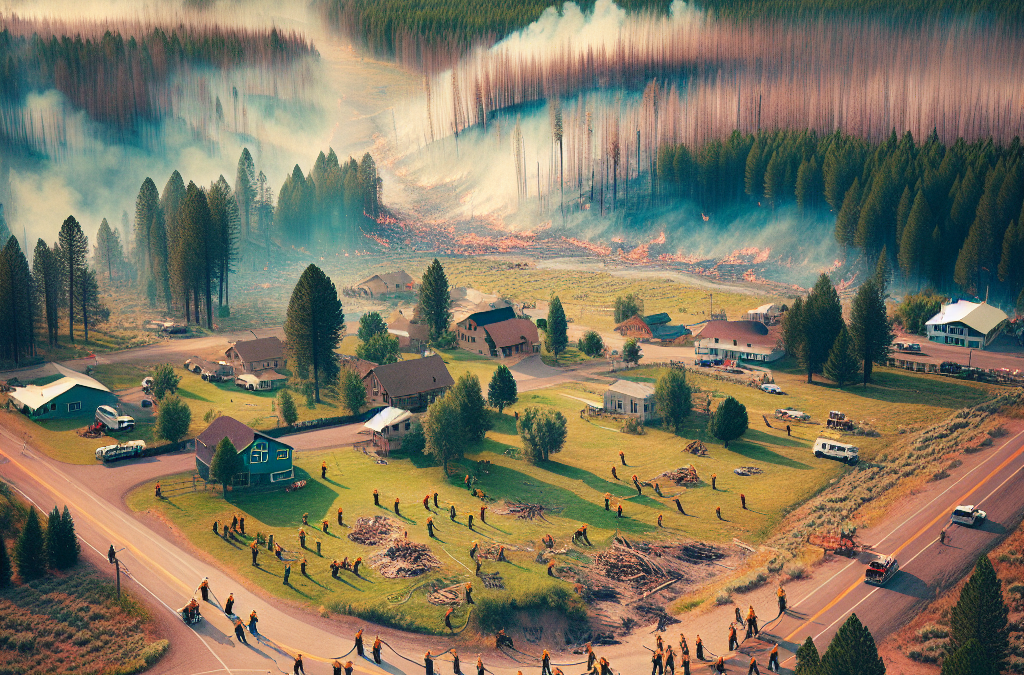
When I first moved to a fire-prone area, I didn’t really grasp the risks until a neighbor took the time to explain it to me. Certain regions have a higher likelihood of wildfires, especially during dry seasons. It’s imperative to analyze the area surrounding your home, including vegetation and any localized weather patterns that might escalate fire risks.
Take some time to research the history of wildfires in your region and how they’ve affected your community in the past. This knowledge not only raises your awareness but can also guide your planning. I’ll admit, the first time I heard about a local wildfire, I felt pretty helpless, but having a plan made all the difference.
Mapping out potential escape routes is crucial too. In the event of an emergency, knowing where to go and how to get there can save valuable minutes. Make a list of multiple routes since some roads might be closed or blocked by fire or debris.
Gather Essential Resources
One of the first things I did in my wildfire preparedness journey was to gather important resources. Having a dedicated place for all your important documents like insurance policies, property deeds, and medical records is a game changer. I put mine together in a waterproof container that I can easily grab if I ever need to evacuate.
Don’t forget to make an emergency kit! Pack it with essentials like water, non-perishable food, flashlights, and first aid supplies. The funny thing is, I thought I was being over-prepared until one summer when a wildfire caused an unexpected evacuation. I was so thankful that I had everything I needed right at my fingertips!
Lastly, keep your phone charged and have alternate charging sources handy. Having a portable charger could be the lifeline you didn’t know you needed, especially when you’re relying on alerts and updates during a crisis.
Establish Communication Plans
Communication can be a bit of a headache when a wildfire strikes. The first time I reviewed my family’s communication plan, I realized how easy it is to get lost in chaos. It’s essential to outline how you’ll stay in touch with your loved ones.
Consider setting up a family meeting point that everyone knows about. If some of you can’t make it back home, it’s crucial to know where to regroup safely. I’ve developed a list of contacts including neighbors, friends, and local services and their numbers are saved in my phone. You never know who might be nearby.
Finally, make sure everyone knows your specific plan. Have those crucial conversations, even if they feel slightly uncomfortable. Now, when we chat about worst-case scenarios, I see it as a form of bonding for us as a family.
2. Create a Defensible Space
Landscape Your Property Wisely
I can’t stress how important it is to create a defensible space around your home. When I first started landscaping, I didn’t think about fire at all. But then I learned that the way I arranged my plants and grass really affects my home’s safety. Keep plants well-watered and trim back any vegetation that could easily ignite.
Choosing fire-resistant plants is also a smart move. Certain native plants, which often thrive in the local environment, are less likely to catch fire. It took a little research, but now my yard not only looks great but also is designed to minimize fire risk.
Additionally, creating separation between trees, shrubs, and your home can slow down the fire’s advance. Installing gravel or stone pathways can also help limit potential fire spread. Trust me, it’s worth the effort to secure your property!
Maintain Your Home’s Exterior
Keeping your home safe means paying attention to its exterior. I never thought about things like gutters, but I learned the hard way that they can become a fire hazard if they’re filled with leaves and debris. I make a habit of cleaning them out regularly!
Furthermore, consider using fire-resistant materials for your roof, siding, and decks. When I replaced my roof, I used materials that are less likely to ignite, and that gave me peace of mind. Also, ensuring your windows are double-paned can offer some level of protection against radiant heat.
Inspect your property frequently. I’ve had days where I do an overall walk-through of my surroundings to see if anything needs attention. Spotting issues early can make a big difference in protecting my home.
Regular Maintenance Checks
Every few months, I set aside some time for thorough maintenance checks. From trimming overhanging branches from trees near my house to checking my fire extinguishers, every little thing matters in wildfire preparedness. The first step is to look at potential sources of ignitability around my property.
Check your outdoor equipment too! Gasoline-powered tools should be stored properly to minimize fire risks. I can’t tell you the number of times I’ve forgotten to put away my grill, but these checks keep me accountable and keep my home safe.
Lastly, remind yourself to take care of your local environment as well. Be aware of local rules about burning debris or yard waste. I’ve learned that clearing out excessive brush can help lessen wildfire’s chances of spreading. It’s about being a good neighbor and protecting ourselves.
3. Learn About Emergency Services
Know the Local Fire Departments
Getting familiar with local fire services is something I didn’t think about at first. But once I understood their role, I appreciated their hard work so much more! Knowing their response times and how they handle wildfire emergencies can save you precious time when you’re figuring out what to do.
I reached out to my local fire department and had informative chats about their wildfire preparedness strategies. This taught me ways to stay connected during emergencies and to receive alerts. I learned that many have social media pages, so I follow them for timely updates!
Being involved in community discussions about fire safety also creates camaraderie. Neighbors can share useful tips, and I feel more empowered knowing that we’re all in this together. Those relationships can even foster quick communication during significant wildfire events.
Utilize Available Resources
There are tons of resources out there to help with wildfire preparedness. I regularly browse the websites of organizations focused on firefighting and prevention. They offer valuable tips, workshops, and local programs aimed at bettering community safety.
Don’t hesitate to sign up for any local emergency notification systems! This has been a lifesaver for me. I get alerts about fires, air quality, and evacuation orders. It’s been a relief knowing I’m in the loop when emergencies strike.
Engaging with local volunteer groups has also broadened my perspective. Often, they offer training in fire prevention, safety drills, and more. I attended a workshop on how to safely create defensible spaces, and it was very beneficial. Everyone should take advantage of these opportunities!
Practice Evacuation Drills
Evacuation drills are something I used to overlook, but now I see them as critical. This advice came after a friend recalled their chaotic evacuation experience during a wildfire. Practicing ensures that everyone knows their roles and what to do in case of an emergency.
Set a date to practice your evacuation plan as a family. I value rehearsal days because they give me the chance to identify any issues with our plans. It might sound silly, but it instills confidence to know that I’m ready if the worst occurs!
Also, consider incorporating pets into the drill. They’re part of the family, after all! During our last practice, we ensured our pets are accounted for and trained to follow. Trust me, having clear strategies for all family members can save time and stress during real emergencies.
4. Stay Informed About Wildfire Conditions
Regularly Check Weather Updates
Weather channels are my go-to during wildfire season. I adopted a habit of checking local forecasts daily—seeing if there are any red flag warnings. Understanding how weather affects nearby fire risks can help me gauge potential threats and stay vigilant.
I also recommend downloading critical apps that notify you of fire risks and weather updates. I’ve found that the alerts I receive are usually specific and timely, which helps me react promptly if anything happens.
It’s not just about wildfires; even understanding how temperature and wind can exacerbate existing fires helps round out my awareness. I’ve begun to understand patterns, which has made me feel much more in control.
Follow Local News and Updates
Keeping up with local news is key, not just for entertainment, but when it comes to wildfires too! I discovered that I often miss crucial updates if I stick strictly to social media. Finding a reliable local news outlet has worked wonders for me!
Additionally, many local government websites share pertinent information. By following their updates, I’ve learned about new regulations that could affect my preparations.
Sometimes, I even join community forums where neighbors share updates and local experiences regarding wildfires. This type of collective knowledge can be invaluable since we all want to protect our own homes. It creates a sense of community solidarity!
Monitor Fire Threat Levels
Lastly, I always keep an eye on the fire danger level and other alerts from local emergency services. Simply understanding the current fire danger in my area has allowed me to adapt my personal actions accordingly.
Additionally, being aware of the potential for fast-moving fires during specific weather conditions is something I do regularly. The more I know, the better prepared I feel. I even keep a journal to track the fire danger levels and any necessary adjustments to my preparedness measures.
In the event of a fire warning, I discuss with my family and neighbors about whether to change our plans. Being proactive can help avoid panic, and those conversations can provide us mutual support!
5. Invest in Fire Safety Equipment
Fire Extinguishers and Blankets
Investing in fire safety equipment is something I cannot emphasize enough. I bought a few fire extinguishers and placed them around my home—kitchens, garages, and near exits. It feels good knowing they’re easily accessible in a time of need!
Fire blankets are equally vital. They might seem simple, but having them ready can make a world of difference if a fire breaks out indoors. I keep one in my kitchen, and I’ll be honest, the first time I had to use it, I was so grateful that I had it handy!
Training everyone in the household on their usage is vital too. I’ve led a few family discussions where we practice using the equipment, ensuring that everyone feels comfortable with their roles during an emergency. A little preparation goes a long way!
Smoke Alarms and Carbon Monoxide Detectors
Having smoke alarms and carbon monoxide detectors installed is a step I consider non-negotiable. I’ve heard too many tales about people losing their homes or worse because their alarms failed. Regularly testing them is also part of my routine—for peace of mind.
Just like with fire extinguishers, it’s crucial to ensure everyone knows how these devices work. I set reminders every few months to test all alarms, and I’ll even include my kids in the checks—it’s educational for them, and we make it a fun activity!
Moreover, ensure that your smoke alarms are up-to-date and correctly placed throughout the home. Discovering the right locations for placement can impact response times significantly, so I always encourage checking with local fire department guidelines!
Invest in Home Sprinkler Systems
After doing some research, I found that home sprinkler systems can significantly reduce fire damage risk. I decided investing in one made sense, especially during high-fire danger seasons. If a fire does come close, having that extra layer of protection could prove vital.
Installing sprinklers might feel like a big decision, but when I think about the potential damages a fire could cause, it really puts things into perspective. Plus, I don’t have to handle it all alone; professionals can assist in assessing my property’s unique needs.
When everything is said and done, peace of mind is invaluable! Knowing I’ve taken steps to protect my home encourages my family and me to stay calm, even during potential chaos.
Frequently Asked Questions
How often should I review my wildfire preparedness plan?
It’s good practice to review your wildfire preparedness plan at least once a year or after any major life changes, like moving or a change in family size.
What should I include in my emergency kit?
Your emergency kit should include essential items such as water, non-perishable food, first aid supplies, flashlights, batteries, a multi-tool, and important documents in a waterproof container.
How can I help my community prepare for wildfires?
Engage in community meetings, share resources, and help organize local fire safety workshops. Your involvement can empower everyone to plan better.
Are fire-resistant plants really effective?
Yes, planting fire-resistant vegetation can significantly slow the spread of fires, plus they often require less water and maintenance!
What’s the best way to stay updated about local fire conditions?
Stay informed by following local fire department social media accounts or signing up for community alert systems to receive timely notifications!
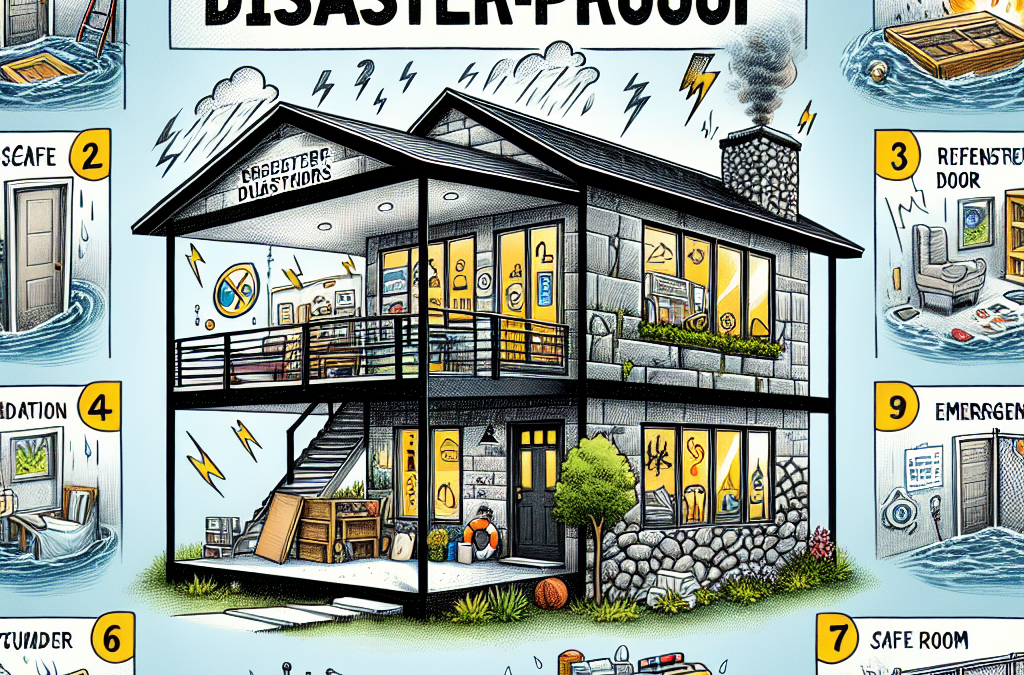
First things first, before you can make your home disaster-proof, you gotta understand where you’re at. Is it a flood-prone area? Do you live in the heart of hurricane territory? Take a little time to look into the types of disasters that your neighborhood is likely to face. Local news might highlight it, or your neighbors might have some stories to share. I recommend checking resources like FEMA or your local weather service for valuable insights.
By knowing what to look out for, you can focus your efforts where they are most needed. Don’t just take a wild guess—get informed and stay shaded from surprises! Turning risk assessment into a fun family discussion can shed light on safety strategies everyone can buy into.
Once you know your specific risks, you’re equipped to map out a game plan. This means assigning priority to the potential risks and making a list of action steps needed to counteract them. Turning it into a fun project with the family can really get everyone more involved and aware!
Inventory What You Have
Taking stock of your belongings is key. Go room by room and list out important items, especially electronics, heirlooms, and anything that can’t be easily replaced. I’ve even used a simple app to photograph my stuff for a quick reference! You’ll be surprised how much you appreciate a good organization session. Plus, in case anything does go south, you’ll have everything documented.
Once you know what you have, assess what you need to protect. For some, that might mean investing in waterproof containers or durable furniture placement that makes it resistant to floods or winds. You could even stash valuables in higher cabinets, making them less accessible during disasters.
Keep in mind, knowing all your possessions means you can check your insurance coverage too. Many aren’t aware of what their policies cover. So, go through your provider and make sure you have enough protection against potential losses. It’s all about being proactive!
Consulting Experts
Sometimes we need a little help, and there’s no shame in that! Consult with local professionals about disaster-proofing. Get in touch with structural engineers, builders, or even community safety officers. They often have insights about unique building codes or retrofitting options that could help protect your home in the event of, well, anything nasty popping up.
Consider joining local disaster preparedness workshops. Not only do they provide knowledge, but you’ll connect with like-minded folks who care about safety, just like you do! The beauty of these events is that they often provide practical tips and tools that aren’t always obvious.
Being proactive about consulting experts can save you time and money down the line. It feels reassuring to have some professional guidance and local knowledge merging together to enhance your home’s safety. You’re not just a lone ranger in this; gather a little community spirit along the way!
Fortifying Your Structure
Assessing the Exterior
The outside of your house literally takes the brunt of the elements, so let’s talk about what you can do here. Your roof, siding, and windows—these can be the difference between a minor hassle and a total disaster. If you spot cracked roof shingles or gaps around your windows, fix them. It’s all about sealing your windows and doors aptly to prevent water and wind ingress.
Consider the materials you choose for the exterior—is your insulated siding durable enough? Opting for materials that can handle severe weather makes a huge difference. Also, check your gutters regularly to ensure they can handle heavy rain—clogged gutters can lead to significant water damage, even if you’re in a low-risk area.
It might sound like a hassle, but regular inspections can keep those exterior features in prime shape! It’s much easier to handle repairs than it is to deal with extensive damage after a flood or storm. Trust me, frequent checks benefit your home’s longevity and your peace of mind.
Reinforcing Entry Points
Doors, windows, and garages are common weak spots in any home. Reinforcing these points can vastly increase your home’s safety. For doors, consider upgrading to solid-core materials and adding deadbolts. If storms are a concern, storm doors are a solid choice to give that extra bit of protection!
As for windows, installing impact-resistant glass is a big win. They can help keep your windows intact during the roaring winds or flying debris of hurricanes or tornadoes. For me, the peace of mind that comes with knowing my home is better protected is worth any extra cash.
Don’t forget about your garage! Reinforcing the garage door can prevent it from being easily breached. It’s often an overlooked entry, so consider investing in good locks and a solid frame. Each layer of security you add is like a little insurance policy against disaster.
Strengthening the Foundation
Your home’s foundation is its backbone. If it’s compromised, no amount of interior hard work matters. Check the foundation for cracks or erosion and catch issues early. For my house, I had to consult a professional to ensure the structural integrity was rock solid!
When storms or floods are on the horizon, sandbags around entry points can provide added protection to your foundation. Don’t underestimate the power of water; a few bags can help divert it in crucial moments.
Also, if you’re in a flood-prone area, consider elevating your home or parts of it. Elevated foundations can drastically reduce flood damage risk. It’s an effective strategy that requires a bit of effort upfront but pays off in the long run, trust me!
Preparing for Evacuations
Creating Emergency Kits
Alright, picture this: a storm is looming, and you need to be ready to hit the road. Having emergency kits delays panic and keeps things orderly. Each family member should have a go-bag stocked with essentials. Basic supplies like water, non-perishable food, flashlights, batteries, and first aid kits should be your starting point.
Put some important documents in a waterproof bag. It could include your insurance info, birth certificates, and medical records. During emergencies, these documents can be invaluable. Keeping them organized can save time and unnecessary stress.
Ready for this? You may want to throw in a little comfort too—a favorite blanket or toy for the kids can ease tensions! Having those familiar items helps create a sense of normalcy when everything else feels like chaos. All in all, it’s about finding the balance between practicality and comfort.
Establishing an Evacuation Plan
What’s awesome about having a plan is it gets everyone on the same page! Form a family meeting where you outline the steps you’ll take if evacuation strikes. Determine nearby shelters, and have multiple routes mapped out in case one is blocked.
Practice your plan! I’ve shown my family how to grab their essentials in a smooth one-minute dash. It helps ease the stress and gets everyone familiar with the action. Reassurance comes from knowing you are all prepared for the unexpected!
Don’t forget your pets! Make arrangements for them too—research pet-friendly shelters or a safe space with a loving friend. In stressful situations, it’s definitely comforting to know your furry companions will be taken care of, too!
Communicating with Neighbors
Having a strong network in your community can make a world of difference. Share contact info with neighbors and create a group chat for emergencies! That way, everyone can communicate quickly when things go sideways.
Work out a buddy system— if one family plans to evacuate, alert your neighbors in case they need support packing up or vice-versa! Often, just knowing someone has your back in emergencies can transform the worry from crippling to manageable.
Ultimately, fostering relationships and supporting one another can collectively enhance your neighborhood’s readiness. Plus, it’s a great way to forge friendships—turning disaster preparedness into community bonding is definitely a win-win!
Staying Informed
Utilizing Technology
In the age of the internet, staying informed is a breeze! Smartphone apps can send alerts about weather emergencies, flooding, or potential dangers. It’s like having a mini weather station in your pocket at all times. Plus, community apps can also help you connect with local news and updates, which is super beneficial during emergencies.
Don’t forget to check your local news and weather stations too; they often have much more accurate and timely reports than social media. Staying ahead of the storm means you’ll be well-prepared rather than scrambling at the last minute!
Consider following organizations like FEMA or Red Cross on social media for continuous updates and tips. These platforms often have useful resources tailored to your region and can help you further solidify your disaster-proof plan.
Joining Local Preparedness Programs
Being a part of local preparedness initiatives is a solid move. It not only helps you learn but connects you with professionals who can instill valuable knowledge. Community workshops can offer first aid training, safety messages, and more. Engaging in these talks can really boost your confidence in dealing with disasters.
Connect with local organizations that focus on resilience building and disaster response. Many communities host regularly scheduled meetings to discuss ongoing efforts. Getting involved can offer karmic benefits and provide you with a wealth of knowledge!
Plus, it’s great to see familiar faces before an emergency hits. Those relationships you forge can be a magical lifeline when issues arise. You never know when you’ll need to rely on a neighbor to lend a helping hand!
Continuous Education
The world around us is always changing. It’s crucial to keep learning! The more you understand about potential risks, the better equipped you’ll be to handle them. Keeping abreast of new preventive technologies, risk management strategies, or simply learning from each trial can exponentially enhance your home’s safety.
Participate in drills or workshops every year if you can. Learning and practicing fire drills, hurricane preparations, or even neighborhood watch programs keeps your skills sharp and encourages family engagement!
In the face of uncertainty, knowledge is your best friend. Proactivity can turn preventative measures into a lifestyle. The more you educate yourself, the more resilience you build for yourself and your community.
FAQ
1. Why is it important to assess risks when disaster-proofing my home?
Understanding the specific risks in your area helps prioritize which disaster-proofing measures you should take. Each region has its own set of vulnerabilities, and knowing these can streamline your preparation efforts.
2. What should I include in my emergency kit?
Your emergency kit should include essentials like water, canned food, a flashlight, batteries, a first aid kit, and important documents. Feel free to add comforting items, like a book or a family photo, to make tough times a little easier.
3. How can I strengthen my home’s foundation?
Regularly inspect your foundation for cracks or damages and make repairs promptly. Consider sandbagging during storms to divert water and consult a professional for inspections and guidance on structural changes.
4. What role do neighbors play in disaster preparedness?
Neighbors can be an invaluable resource during emergencies. By sharing contact information and creating a plan together, you establish a support system that enhances safety and eases stress during crises.
5. How can technology help in disaster preparedness?
Various apps can provide real-time updates about weather emergencies and conditions in your area. Keeping connected with local news sources through these channels ensures you’re always informed and ready to react.
Understanding the Types of Emergency Communication Devices
What Are Emergency Communication Devices?
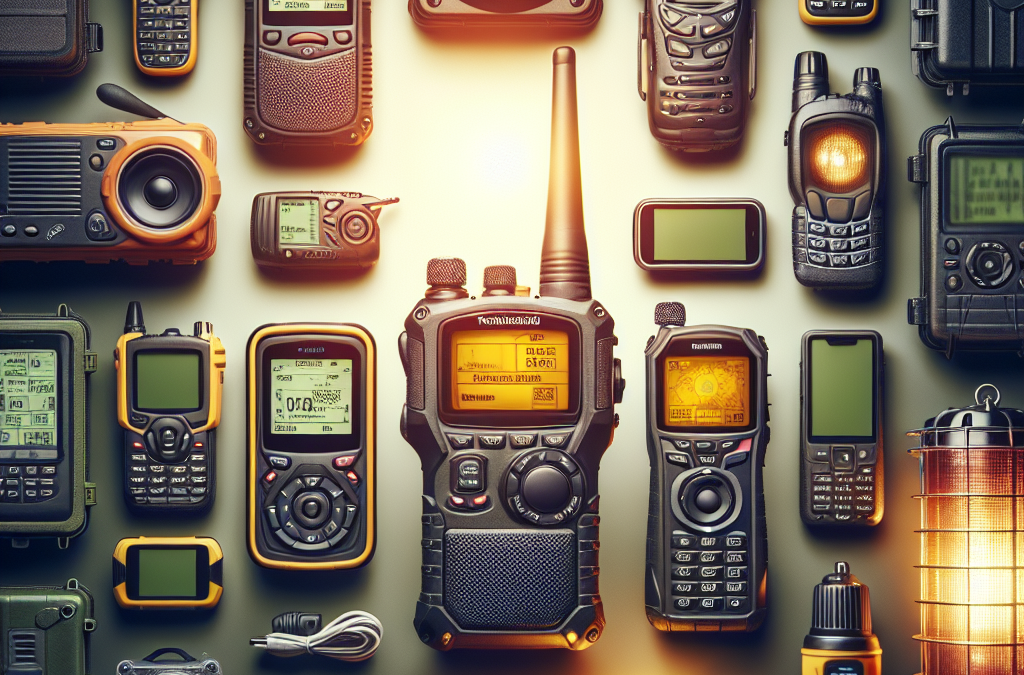
Emergency communication devices are tools designed to help you stay connected during emergencies. These devices can be lifesavers when the standard means of communication, like cell phones, are unavailable. I’ve learned that these tools come in various forms, including satellite phones, two-way radios, and emergency beacons.
Each type serves a specific purpose and is beneficial under different circumstances. In an area where cell service is spotty, for example, a satellite phone can keep you in touch. For outdoor activities, a two-way radio can be perfect for maintaining contact with a friend even outside cellular range.
Understanding what types are available is the first step toward making a smart choice. I often encourage folks to think about their unique needs and the environments they’ll find themselves in when selecting the right device.
Evaluating Their Reliability
Reliability can mean different things to different users. For me, it means the device consistently works when it’s most needed. Research is crucial, and I always check reviews and testimonials to see how real people have fared with the devices.
Another layer to reliability is durability. If you’re planning to hike in rough terrain, for instance, you’ll want something that can withstand a fall or rain. Finding a rugged product is essential, and I usually look for devices with high IP ratings for water and dust resistance.
Furthermore, consider whether the device has backup options, like batteries or solar recharge capabilities. Devices that can operate under various conditions give you peace of mind, knowing you can connect even in tough situations.
Where to Use These Devices
Different devices shine in different environments. For instance, if you’re into camping or mountain climbing, a two-way radio might be your best bet. Meanwhile, if you’re traveling to remote locations, a satellite phone can be invaluable.
As someone who loves the outdoors, I’ve found that keeping emergency devices on hand is all about adaptability. Certain areas require specific types of communication devices, and understanding that can help ensure you’re always prepared.
Listening to the advice of seasoned adventurers can also provide insights into which devices function well in various situations. The community experience often helps guide your decisions!
Identifying Trustworthy Brands
Researching Leading Manufacturers
Brand reputation says a lot about a product. I often look for manufacturers that specialize in outdoor or emergency gear. Companies that focus solely on this market usually have robust products backed by rigorous testing.
In my experience, reading expert reviews or consulting forums dedicated to emergency preparedness can clue you in on the brands worth considering. There’s nothing like learning from others who have faced emergencies head-on!
I’ve found that reputable brands often have excellent customer service and warranties, which makes a significant difference. It’s good to know you can reach out for help if you experience hiccups along the way.
Exploring User Reviews
User reviews can be incredibly informative. I spend time sifting through the comments on various websites and forums to gauge user satisfaction and potential issues that crops up.
A pattern often emerges from user feedback—if a product consistently receives complaints about battery life, for example, you might want to steer clear. Ultimately, if other users have struggled, chances are you will too.
Don’t just focus on glowing reviews! Be wary of devices that only seem to have rave ratings—these might not be genuine. Opposing views help paint a realistic picture of what to expect.
Making Purchase Decisions
When I’m finally ready to buy, I often consider where I’m shopping. Buying from established outdoor retailers can offer better assurance that the products are legitimate. It’s like shopping for car insurance—you want it to be trustworthy, right?
Price comparison is another key aspect! While you might be tempted to go for the cheapest option, remember that quality generally plays a crucial role in reliability. I always weigh the cost against the features to identify the best value.
Finally, look out for return policies. It’s good to have the option to return or exchange if the device doesn’t meet your expectations or needs when you test it out.
Staying Informed About Legal Regulations
Understanding Local Communication Laws
Believe it or not, certain communication devices may have regulations depending on where you live. I’ve learned this the hard way, discovering that my trusted walkie-talkies weren’t allowed in specific areas.
Checking in with local regulations ensures you’re not caught off guard. It’s super easy to look up online or even reach out to local authorities for guidance. Better safe than sorry, right?
Awareness about these laws can also help you avoid fines and legal trouble—nobody wants that when they just want to enjoy nature or travel safely!
Licensing Requirements
Some devices, particularly ham radios, require a license to operate. I remember feeling overwhelmed by this at first! But once I learned the process often involves simple exams, I felt more reassured to dive in.
Understanding these requirements early on can save you a lot of hassle down the line. Plus, getting licensed can actually help you become part of a community that shares tips and experiences, making it even more rewarding!
As technology evolves, being aware of these changes and adaptations is vital as well. Laws are always subject to updates, so staying informed is essential.
Emergency Communication Training
Having the proper equipment is just half the battle; knowing how to use it effectively is the other! I always seek out training opportunities whenever I purchase a new communication device.
Some areas offer workshops or classes that cover emergency device use, and I can’t recommend them enough. The confidence gained from proper training can make a world of difference in an emergency.
Additionally, practice makes perfect. Regularly reviewing your devices and their functionality ensures you’re always prepared and knowledgeable when the time comes.
Building a Comprehensive Emergency Plan
Integrating Communication Devices into Your Plan
Having a communication device is great, but it’s even better when it’s part of a broader emergency strategy. I take time to sit down and create a plan that incorporates how and when to use my devices.
Consider what scenarios you might encounter and how your devices will help communicate in each situation. I often create a flow chart to visualize how messages will be exchanged.
Sharing your plan with family and friends is a big part of this. Ensuring everyone knows the protocol can be a lifesaver in high-stress situations. Ensuring your support system is on the same page with you is crucial.
Regularly Updating Your Emergency Plan
As circumstances change—like moving to a new location, acquiring new devices, or even adding family members—it’s important to revisit your emergency strategy. I often set a reminder every six months to reassess and update my plan.
Keeping the lines of communication open with loved ones about these updates is vital. Knowing that they’re prepared and have the relevant information helps foster a sense of security.
Being proactive about these changes supports a seamless operation when an emergency arises. Trust me, having a well-thought-out plan can ease a lot of tension in stressful situations!
Reviewing and Learning from Past Experiences
Reflection goes a long way! After an emergency, I like to regroup and analyze what went well and what could improve. I jot down notes about device performance and communication efficiency.
This review process enriches my knowledge and ensures that I’m always learning and improving for future scenarios. Sharing these lessons with friends can help them too, creating a community of informed individuals.
In learning from past failures or successes, you’re not just enhancing your readiness but also contributing to a culture of safety in your circle, which can do wonders for community awareness.
FAQ
1. What are the best types of emergency communication devices?
The best types typically include satellite phones, two-way radios, and personal locator beacons. Each serves different needs, so it’s essential to determine your particular needs first.
2. How do I know if a brand is trustworthy?
Research reviews, check their history in the market, and see how responsive they are to customer feedback. A brand with solid support and positive user experiences is usually trustworthy.
3. Do all emergency devices require licenses to operate?
No, not all do! For example, basic two-way radios generally don’t need licenses, but ham radios often require one. It’s essential to check local regulations specific to the device.
4. How often should I update my emergency communication plan?
It’s recommended to review your plan at least twice a year. But if significant changes occur in your life or environment, like moving or new devices, it’s wise to reassess sooner.
5. Can training for emergency devices make a real difference?
Absolutely! Training helps you to familiarize yourself with the device and understand how to use it effectively during stressful situations. It’s a great confidence booster!
When I started thinking about preparing for emergencies, the first thing I did was take stock of what kinds of emergencies could happen in my area. I made a list of potential scenarios: natural disasters, power outages, or even job loss. This helped me focus my efforts where they were needed most.
It’s key to tailor your preparations to your specific situation. For instance, if you live in a flood-prone area, you might need more emphasis on water safety supplies. On the other hand, if you’re in a region that frequently faces wildfires, having a plan for evacuation and supplies to sustain you in that event becomes crucial.
Always keep in mind that preparedness isn’t one-size-fits-all. By understanding your unique risks, you’ll be better positioned to allocate your limited budget effectively, ensuring that you don’t waste resources on things you don’t actually need.
Start with Essentials
Create Your Emergency Kit
An emergency kit can sound intimidating, but it doesn’t have to break the bank. I started with the basics: water, non-perishable food, a flashlight, and a first aid kit. Sometimes, the simplest things can make a big difference when things go haywire.
One neat trick I discovered was to look for deals on emergency supplies at discount stores or during sales. I often found bulk water bottles or canned goods that were nearing their expiration date but still perfectly good to use. That way, I stock up without feeling the pinch on my wallet.
Over time, I’ve added personal items—medications or special foods for family members with dietary needs. Always remember, personalization is key, and these items can truly elevate your emergency preparedness.
Budget-Friendly Methods
DIY Solutions
Who said prepping needs to cost an arm and a leg? I’ve found that many times, a little creativity can go a long way. For example, I made my own water filtration system using a clean, empty plastic bottle and sand. It’s not only cost-effective but also a fun little project!
YouTube has been my go-to for DIY projects, with step-by-step videos guiding me through everything from building a solar oven to creating a makeshift stove. It’s a great way to learn, and honestly, I feel a sense of accomplishment each time I finish a project.
Never underestimate the power of community too. Local groups often share resources, swap supplies, and offer workshops on various skills. This has not only saved me money but has also helped me develop a sense of solidarity with others in my community.
Stay Informed and Flexible
Utilize Reliable Resources
Being prepared goes beyond just having supplies; it’s about knowledge too. I started following reliable websites and blogs dedicated to emergency preparedness. Their tips are gold and often free to access!
I also enrolled in some local workshops. Many times these are offered at a low cost or even for free. From basic first aid to survival skills, I learned a ton and felt more equipped to handle unexpected situations. Plus, I got to meet others who shared my interest!
Flexibility is also key in this journey. What works one year might not be relevant the next, so I always stay open to updating my knowledge and adapt my plans accordingly. Life is unpredictable—being ready means staying on my toes.
Connect and Share Your Knowledge
Community Engagement
Engaging with my community made a world of difference. I started small by sharing what I learned with friends and family. It’s incredible how much you can empower others by simply sharing your experiences and knowledge.
I’ve also joined local forums and social media groups where folks discuss their prepping strategies. It’s a two-way street; you share your techniques, and others share theirs. It creates a wealth of ideas that cost nothing but can have real, tangible benefits.
Don’t forget about volunteering! Getting involved in local emergency response teams or community service groups can help you gain firsthand knowledge about logistics and planning. Plus, these activities often come at little to no cost and are great for networking too.
FAQ
1. What should be included in my emergency kit?
Your emergency kit should include water, non-perishable food, a flashlight, batteries, a first aid kit, and any personal items like medications or important documents.
2. How can I find local workshops on emergency preparedness?
Check community centers, local libraries, or social media for announcements. Websites of local emergency management departments often list workshops as well.
3. Are there any free resources for emergency preparedness?
Absolutely! Websites like FEMA, local health departments, and community groups often provide free educational materials and planning guides.
4. How often should I update my emergency kit?
It’s a good idea to review and update your emergency kit at least once a year, or whenever there’s a change in your family’s needs or local risks.
5. Can I really prepare effectively on a small budget?
Yes! With careful planning, creativity, and resourcefulness, you can build a solid emergency preparedness plan without spending a lot of money.
Emergency preparedness is an essential aspect of life that people often overlook. It’s not until a crisis hits that we realize how unprepared we are. In this blog post, we will discuss some survival skills everyone should master before the next crisis hits.
Introduction to Emergency Preparedness
Emergencies can happen at any time and without warning. Being prepared for such situations can help you stay safe and protect your loved ones. The first step in emergency preparedness is creating a plan. You need to identify potential risks in your area and develop strategies on how to deal with them. This includes having evacuation routes, meeting points, and communication plans in place.
The Importance of Having a Plan in Place
Having a plan in place is crucial because it helps you respond quickly and effectively during times of crisis. When disaster strikes, people tend to panic, and chaos ensues. By having a plan, you can avoid making rash decisions and ensure that everyone stays calm. Your plan should include details like where to go, who to call, and what to do in different scenarios.
Essential Survival Skills for Any Crisis
There are several survival skills that everyone should master before the next crisis hits. These skills will help you stay alive and keep others around you safe as well. Some of these skills include:
1. First Aid – Knowing basic first aid techniques can save lives during crises. Learn how to treat common injuries like cuts, burns, and fractures.
2. Fire Building – Learning how to build fires under various conditions is critical when trying to stay warm or cook food during emergencies.
3. Water Purification – Access to clean water is vital during crises. Learn how to purify water from natural sources like streams and lakes.
4. Navigation – Getting lost during a crisis can be deadly. Learn how to navigate using maps, compasses, and GPS devices.
5. Shelter Building – Knowing how to construct shelters from natural materials can provide protection against harsh weather conditions.
How to Build an Emergency Kit on a Budget
Building an emergency kit doesn’t have to break the bank. Here are some tips on how to create one on a budget:
1. Start With the Basics – Focus on essentials like food, water, and shelter first. You can always add more items later.
2. Buy in Bulk – Buying non-perishable foods and other supplies in bulk can save money in the long run.
3. Use What You Have – Look through your home for items that could be useful during emergencies like flashlights, batteries, and blankets.
4. Research Discount Stores – Check out discount stores like Costco or Sam’s Club for deals on emergency supplies.
Preparing Your Home and Family for Disasters
In addition to preparing yourself, it’s also essential to prepare your home and family for disasters. Here are some steps you can take:
1. Create a Communications Plan – Establish a communications plan with your family members so everyone knows what to do in case of an emergency.
2. Assemble an Emergency Kit – Put together an emergency kit that contains everything your family needs to survive for up to three days.
3. Practice Drills – Conduct regular drills with your family to practice evacuating your home and other emergency procedures.
Mental Health Tips During Times of Crisis
During times of crisis, mental health is just as important as physical health. Here are some tips to maintain good mental health during tough times:
1. Connect with Others – Social support is crucial during difficult times. Reach out to friends and family members for emotional support.
2. Take Breaks – Give yourself time to rest and recharge. Engage in activities that bring you joy and relaxation.
3. Seek Professional Help – If you’re struggling emotionally, don’t hesitate to seek professional help from a therapist or counselor.
Conclusion
Being prepared for emergencies can give you peace of mind knowing that you can handle whatever comes your way. By mastering essential survival skills, building an emergency kit, and preparing your home and family, you can increase your chances of surviving a crisis safely. Remember to prioritize your mental health during challenging times by connecting with others, taking breaks, and seeking professional help if needed.
First off, let me say, having a bug-out bag is like having a mini lifeline when things go south. You want to pack essentials that will keep you safe and comfortable. I usually pack water purification tablets, a first-aid kit, some non-perishable food, and a flashlight. Believe me, the last thing you want in a crisis is to be rummaging around looking for that stuff.
Water is your number one priority, so always keep at least a gallon per day in your bag, plus methods to purify more. I like to use tablets and a portable filter—easy to pack and can save your life. Next, food should be lightweight but nutrient-rich. Think energy bars, dried fruits, and nuts. You want stuff that won’t go bad and can give you a boost.
Don’t forget to include a multi-tool. It’s unbelievable how many situations can arise where a simple tool comes in handy. From opening cans to making repairs, it’s a game-changer. Lastly, make sure you include a small portable stove or fire starter—cooking over an open flame is great but can be risky if you’re trying to stay undetected.
Items to Add for Comfort
Okay, so you’ve got your essentials, but don’t skimp on comfort either. A sturdy sleeping bag or some blankets can make a world of difference when you’re out in the wilderness or on the road. Having a personal touch, like a favorite book or photos, can also uplift your spirits when everything feels bleak.
Add in some extra socks and underwear. Seriously, nothing feels worse than having wet feet or sitting in clothes for too long. The simple joy of a change can be a mental boost in a tough situation. I also throw in a deck of cards—because hey, you never know! It’s a great way to lift morale when you need to keep spirits high.
Lastly, include some means of staying connected, like a solar charger for your phone or a whistle. If things go sideways, you want to have a way to signal for help or find your way back to familiar ground. Trust me, thinking about little comforts can really help when you need to keep your mind sharp.
Review and Refresh Your Bug-Out Bag Regularly
It’s easy to pack your bag and forget about it, but that’s a rookie move. I always set reminders to review my bag at least once every six months. You’d be surprised what can expire or go bad. Foods can get all gross, first-aid supplies can deplete, and your gear might need replacing.
Plus, you might find that your needs change as time goes on. Maybe you’ve got kids now or your exercise routine has shifted. Adjust your bag to suit your current situation! This keeps your plan relevant and helps you feel more prepared.
And let’s not forget—you can customize it based on the seasons. If it’s winter, add warmer clothes or hand warmers; in the summer, think about sun protection and hydration gear. Each review is an opportunity to refine and improve your survival plan.
Learn Basic First Aid
The Importance of First Aid Skills
Alright, let’s talk about first aid—seriously, knowing how to patch someone up can mean the difference between a minor incident and a major catastrophe. I took a first-aid class a few years back, and it was honestly one of the best decisions I ever made. It’s empowering to know that you can help someone in distress, including yourself.
Understanding how to treat minor wounds is just the tip of the iceberg. Knowing how to recognize serious conditions, like heart attacks or strokes, is crucial. The sooner you can act, the better the outcome usually is. Plus, it gives you a little extra confidence if you find yourself in an emergency.
Also, familiarize yourself with how to use the items in your bug-out bag’s first-aid kit. You might have the supplies, but if you don’t know how to use them effectively, they’re not worth much at all. Practice makes perfect!
What to Include in Your First Aid Kit
Your first-aid kit should be well-stocked. I typically ensure I have antiseptics, an array of bandages, gauze, medical tape, and some over-the-counter meds for pain relief. The last thing you need is to be fumbling around in an emergency because you lack the right tools.
I also add in some allergy medications and anti-diarrheal meds. You just never know what could happen or get triggered, right? If you’re allergic to anything or have pre-existing conditions, tailor your kit to include meds you might need.
Don’t forget about your personal information and medical history, like allergies or current medications. Keeping that on you makes it easier to communicate your needs in case you’re unable to do so yourself. That’s a little safety net that can go a long way.
Practice First Aid Techniques Regularly
Like I said earlier, taking a first-aid class is awesome, but practicing those skills makes them stick! Look for local community programs that offer CPR training or first-aid workshops. They’re usually affordable and can be a great way to meet like-minded folks who care about preparedness.
Another fun way is to set up mock drills with your friends or family. You can simulate scenarios to practice what you’ve learned. This not only reinforces your skills, but it also helps others feel more comfortable in emergencies. Plus, who wouldn’t want to have a little practice that’s also a team-building exercise?
Remember, it’s not just about having the knowledge; it’s about building the confidence to act when the time comes. That’s what makes all the difference and keeps you calm in a crisis!
Stay Aware of Your Surroundings
Why Situational Awareness is Crucial
If there’s one lesson I’ve learned, it’s to keep my head on a swivel. Paying attention to your surroundings is a vital skill in any scenario, whether you’re in a crowded city or out in a remote area. Being aware can often help you avoid potential threats or hazards before they escalate.
Situational awareness lets you recognize when something feels “off.” Trust your instincts! If you notice someone behaving strangely or feel uncomfortable in a specific environment, it’s better to remove yourself from that situation early on. It’s all about self-preservation.
Stay informed about local news or community updates. Natural disasters or dangerous situations can pop up out of nowhere. Being in the know means you can prepare and adapt before things get out of hand. Follow social media groups or local news apps to stay in the loop.
Tech Tools to Enhance Your Awareness
In today’s digital era, technology can help keep us safe. Download apps that provide real-time updates about potential threats, weather alerts, or emergency contacts. I like to have one that’s specifically geared toward safety alerts in my area so I know what I’m dealing with.
Also, consider using a personal safety device, like a pepper spray or a personal alarm. These tools can give you an extra layer of comfort. Plus, practice how to use them because, in emergencies, knowing exactly what to do can make all the difference.
Lastly, don’t underestimate the power of good-old fashioned communication. Keep your friends or family informed of your travel plans or whereabouts. If something happens, having someone who knows where you are can speed up the response time significantly.
Practicing Being More Observant
I try to include exercises into my daily routine that boost my awareness. For example, I’ll conduct little challenges where I deliberately notice more about the environment around me when I go for walks or runs. Stop and take note of significant landmarks or the demeanor of people around me—it’s all about training my brain.
Another method is to consciously look for exits whenever I enter a new venue. I keep an eye on different routes to escape in case something doesn’t feel right. This habit won’t take much time, but it could be invaluable if a situation turns dangerous.
Lastly, share these practices with friends or family. Having someone else participate can help motivate you and foster discussions about safety and awareness, allowing you all to improve together.
Know Basic Navigation Skills
Understanding Map Reading and Compass Use
So you’re out and about and the GPS decides to crash—what now? This is where knowing how to read a map and use a compass comes into play. I can’t stress enough how knowing these skills could save your bacon. Sometimes technology fails, and if you’re in an unfamiliar area, you’ll be glad that you prepared.
Start with understanding how to read topographical maps. They provide valuable information about the terrain and are not as complicated as they look. I recommend practicing at home first, just to get a sense of how to interpret symbols and contours. It can be a fun little project!
Incorporate compass usage with your map skills. A compass is fairly straightforward; you just have to know how to align it with your map to find your bearings. Make a habit of using both together when you venture outdoors, maybe even on a family hike—it’s a great way to bond and learn together.
Using Landmarks for Navigation
Sometimes I find that nature works wonders as a guide. Familiarize yourself with the idea of using natural landmarks. It can be just as effective as relying on technology. For instance, learning how to use the position of the sun can help you determine directions, and river flow can also be a natural guide.
Make a point to note distinct landmarks when traveling. These can be anything from unusual rock formations to specific trees. This method of navigation can be especially useful in unfamiliar areas where signs or maps may not be available.
Additionally, using landmarks in conjunction with other navigation methods like reading maps or using a compass helps reinforce your skills. This multi-faceted approach provides a failsafe if one method falls through, and being adaptable boosts your survival chances.
Practicing Navigation in Real-life Scenarios
Now let’s put theory into practice! Plan trips that allow you to sharpen your navigation skills. Take a day hike and challenge yourself to find your way using only maps and a compass. I can assure you, there’s nothing like the feeling of successfully navigating through unknown terrain.
Consider organizing group hikes. Encourage friends to take turns choosing routes and navigating. This helps create a more enjoyable learning experience as you can share tips and tricks along the way, and you might even make some great memories together!
Finally, reassess your navigation skills as you gain experience. Each adventure gives you opportunities to learn and practice. Just remember, self-confidence comes with experience—and the more you put it into practice, the easier it becomes!
Keep Calm and Stay Positive
Managing Stress in Emergencies
When disaster strikes, it’s way too easy to run around like a chicken with its head cut off. But let me tell you—staying calm is half the battle. I’ve been in tough situations where panic threatened to take over, and trust me, keeping your cool can make all the difference.
Take a few deep breaths to regain control of the situation. It’s amazing how something so simple can help clear your mind and refocus—your body will thank you for it too. Similar to physical training, calmness helps sharpen your mental acuity and enables you to think logically about the problems at hand.
Having a mantra can also help. It could be something like “I am capable,” or “I will find a solution.” I’ve found that repeating this little phrase can ground you and remind you that you have the tools to handle the situation. Your mental state is crucial for survival.
Fostering a Positive Mindset
So we all know optimism is great, but how do you keep that vibe when faced with chaos? I’ve learned that challenging situations often come with a silver lining. Finding those glimmers of hope can lighten your load—a good attitude can make tough situations feel a little less overwhelming.
Celebrate small victories. Whether it’s finding a safe place to hunker down or getting through a tough patch, appreciate every little success. This establishes a positive feedback loop that keeps your spirits lifted when things feel heavy.
Don’t shy away from laughter either! If appropriate, try to find humor in situations; it can reduce tension and stress significantly. A laugh can help break the ice and even put you in a collaborative mindset with others around you. It’s a wonderful coping mechanism!
Connection with Others
Being calm and positive is easier when you’re surrounded by others going through the same thing. In emergencies, reaching out to fellow survivors can foster a sense of community that uplifts everyone. I remember exchanging jokes and stories that kept us all distracted during a crisis—it creates bonds that can help you feel less isolated.
Be an encourager! Lift others’ spirits when you can. A kind word or a positive affirmation can impact someone else’s mindset as well. It’s contagious! During tough times, we can all use a little positivity, so give it freely.
Finally, remember that staying connected means vulnerability as well. Allow yourself to lean on others and share your fears or anxieties. That connection can genuinely help you remain grounded when everything around you is feeling chaotic!
FAQ
1. What is a bug-out bag?
A bug-out bag is a portable kit containing emergency supplies, food, and other essentials needed to survive for at least 72 hours during a crisis or natural disaster.
2. How often should I review my bug-out bag?
I recommend reviewing your bug-out bag at least every six months to ensure that the supplies are fresh, and to adjust based on any changes in your needs or the seasons.
3. Why is first aid knowledge important for survival?
Basic first aid knowledge is crucial as it allows you to address injuries and medical emergencies effectively, potentially saving lives and improving outcomes during crises.
4. How can I improve my situational awareness?
You can improve your situational awareness by practicing mindfulness, challenging yourself to observe your surroundings, and being proactive in preparing for various scenarios.
5. What are the benefits of having a positive mindset during emergencies?
A positive mindset can help reduce stress, enhance decision-making, and improve overall morale, making it easier to navigate and respond to the challenges presented in an emergency.