
by Preparation | Jul 6, 2025 | Preparedness
1. Strengthening Entry Points
Securing Doors
When it comes to fortifying your home, you really can’t overlook the doors. This is your first line of defense. Invest in solid, heavy-duty doors made from steel or solid wood. I’ve had some flimsy doors in the past, and trust me, when push comes to shove, they just won’t do.
Another trick I learned is to reinforce the hinges and install deadbolts. If your door has a window, consider a security film to make it harder to break. Even a metal plate covering the door’s lock area can do wonders. It’s about making it tough enough so that any threat will think twice before messing with your home.
Lastly, if you can swing it, add a peephole or a camera. It’s a small change that gives you a big peace of mind—you won’t have to open the door to see what’s waiting on the other side.
Windows Matter Too
Just like with doors, you can’t neglect your windows. Make sure they’re sturdy and don’t just rely on standard locks; add window bars if it feels right for your situation. It’s a pretty smart move to use impact-resistant glass, especially if you live in an area that’s prone to storms or break-ins.
I also recommend installing window security film—it’s like sunscreen for your windows! It helps hold the glass together if it is broken, preventing entry (and a mess). On a side note, always keep your blinds closed during a crisis to keep prying eyes away.
Of course, if you’re feeling extra cautious, consider a home security system that includes window alarms. The louder, the better! Trust me; that noise can deter many threats before they even get a chance.
Garage Security
The garage is another point that can be overlooked. Many folks just leave it open or don’t think much about it. In my experience, investing in a robust garage door and a secure locking system is essential. We once had a problem with unauthorized entry, and now I ensure that door locks are as strong as those on my front door.
Don’t forget about the interior door between your garage and home, either. Add a solid lock there too. Once my garage was breached, it felt like we were living in a fishbowl—no one wants that kind of feeling!
Finally, consider adding a motion sensor light for extra visibility around the garage entrance. It’s nice to have that light flash on, especially when it’s late and you’re returning home. Just one more layer of security that gives you peace of mind.
2. Creating a Safe Room
Choosing the Right Space
Having a dedicated safe room can be a game changer during a crisis. I remember reading about safe rooms and thinking they were overkill until I experienced my first real scare. Now, I treat it as an essential part of my home planning. Pick a room that doesn’t have windows, like a basement or an interior closet.
Make sure it’s an area where you can stay comfortable for a while. A small room will feel tight, but honestly, make sure you can fit your family and possibly some necessities in there.
Also, keep in mind that the door needs to be secure—like the main doors I mentioned. Reinforcing it with deadbolts might just save your life someday, believe me!
Stocking Essential Supplies
Your safe room should have supplies to last you a few days. Always think about water, food, medical supplies, and maybe some fun entertainment like books or battery-operated games for the kids. I learned the hard way that having enough non-perishable food can lift spirits in tense times.
I keep a first-aid kit in there, extra flashlights, batteries, and even a portable radio for news updates. It’s all about being prepared, so you won’t be scrambling in a panic when a crisis hits.
Every little bit helps; you’ll thank yourself later for stocking up on those “just in case” items. If you can, even a backup phone charger can be lifesaving so that you’re not left in the dark—literally!
Emergency Communication
Another key aspect of a safe room is establishing an emergency communication plan. Set aside a list of contacts you can reach out to during a crisis. You want reliable friends or family nearby who know where you are and how to help if needed.
I use an app for quick messages but make sure to write down important numbers in case the tech fails. Keep it accessible within the safe room so everyone knows how to contact others in emergencies.
Also, practice your family drills! It sounds silly, but taking the time to explore your safe room plan together helps ease anxiety when moments get tense. Having a plan is usually half the battle.
3. Utilizing Technology
Invest in Home Security Systems
Let’s talk technology! A solid security system is often the first line of defense and can really deter any troublemakers. I’ve set up cameras around my property, and they provide amazing coverage. Depending on your budget, you can find systems that alert you in real-time through your phone.
At the very least, look for systems that include motion detectors, door/window sensors, and even outdoor cameras. I can tell you that the peace of mind you get from seeing what’s happening outside your home is worth every penny.
However, don’t forget about those basic alarm systems. You know the loud ones that seem to bring the whole neighborhood? They can be pretty effective in scaring off intruders. So, definitely consider getting one installed if you haven’t yet!
Smart Home Features
Smart home features can be a fun addition to your home fortification. From smart doorbells to smart locks, you can keep an eye on things in real-time. I remember when I first installed a smart doorbell—I felt like a security expert! You can see who’s at your door, even when you’re inside, making it easier to decide whether to open up or not.
Smart locks also allow you to manage who can access your home without needing physical keys. With just a click on your phone, you can lock or unlock your door, even giving temporary access codes to your friends or family.
Plus, don’t forget about smart lights! Setting these on timers can give the illusion that someone is home, even if you’re out. Intruders love empty houses, so tricking them with technology is a clever move.
Monitoring Services
Finally, consider a professional monitoring service. These services typically keep an eye on your system and can contact authorities if an alarm goes off. I can tell you that the few bucks a month for the monitoring fee is totally worth having that extra peace of mind.
When it’s dark and stormy outside, and you hear a noise, knowing that someone is watching over your home 24/7 is a bit of a comfort. I personally love the idea that someone has my back!
Do your research, though—choose a reputable company. You want your home secure and your information safe; don’t just jump at the first ad you see!
4. Establishing Emergency Plans
Creating Family Plans
Apart from fortifying your home, making an emergency family plan is essential. I always sit down with my family to talk about what to do in various situations—natural disasters, break-ins, or anything else that could happen.
By having a clear plan, everyone knows what to do when chaos erupts, which can significantly reduce anxiety. I find that planning together fosters a sense of security and togetherness—it can even be a bonding experience!
Make sure everyone knows their roles and has an understanding of escape routes if things go south. It’s not the most fun conversation, but it’s critical to have it!
Practicing Scenarios
This is another thing I can’t stress enough: practicing your emergency scenarios is key. I learned this firsthand—we did a drill in our house where everyone had to get to the safe room, and it was eye-opening. You never realize how frantic things can get until you practice.
Make it a fun family exercise—a role-playing game if you will. The more you practice, the more natural it will feel during a crisis. Trust me, I slept a lot easier knowing we had it all figured out.
Keep practicing new techniques or drills as the seasons change, too. Don’t let your gear get dusty just sitting in the corner; as you grow, your family’s needs might change as well!
Staying Informed
Finally, always keep up-to-date with the latest news and community alerts. I turned on my local emergency alerts so I know when things are happening in our area, whether it’s severe weather or other emergencies.
I also make a point to sign up for community messaging systems. They really help keep you in the loop and often provide essential updates and information right when you need them.
Staying informed isn’t just about what’s going on right outside your door—it’s about feeling connected to your neighborhood and being aware of how to react when things get tough.
5. Building Community Connections
Neighbor Relations
You might think, “Why bother with my neighbors?” but building connections can lead to amazing support during tough times. I’ve taken the time to get to know my neighbors, and we regularly check in on each other, especially during extreme weather or emergency situations.
Getting to know who lives next door can become beneficial. We share resources, equipment, and advice that help each of us in a pinch. Building relationships outside your four walls can help strengthen your home’s defenses.
Plus, knowing you have people close by who are also prepared makes you feel a little less isolated when crises arise. Together we’re stronger!
Creating Community Emergency Plans
Look beyond your home, too—community emergency plans are vital. Participate in local preparedness workshops or neighborhood watch programs. I’ve found these groups to be great for sharing tips and tricks to fortify our homes as a collective effort.
Engaging with the community can lead to early warning systems and shared resources, which can be lifesaving during a crisis. It’s about everyone having each other’s backs and knowing that you’re not just a foot soldier alone!
Plus, it can be fun! Organizing training scenarios or sharing food and supplies builds camaraderie and trust, ensuring everyone is equipped for whatever comes your way.
Sharing Resources and Skills
Sharing skills and resources is another way I’ve seen my community thrive. Everyone has different talents—some might know self-defense, others may have medical training, or even come with tools for fortifying homes. Pooling your resources creates stronger neighborhoods.
Hosting skill-share events is a great way to bring people together. Whether it’s a barbecue or an emergency prep workshop, it provides an opportunity to learn something new while connecting with neighbors.
Remember, it’s not just about your cozy home; it’s about cultivating a community that can rally together when needed. That support network could be crucial during challenging times!
Conclusion
All in all, fortifying your home during a crisis involves a mix of solid security, technology, proactive planning, and building relationships within your community. Trust me, taking the time to prepare and connect can mean the difference between being fearful or feeling secure when life throws a curveball your way.
Stay safe, stay connected, and keep those lines of communication open—together we can weather any storm!
FAQ
- 1. What is the first step to fortifying my home?
- The first step is to strengthen your entry points, including securing doors and windows properly.
- 2. How can I create a safe room?
- Choose an interior room without windows, reinforce the door, and stock it with essential supplies.
- 3. What technology should I consider for home security?
- Consider investing in a home security system, smart locks, and monitoring services for the best protection.
- 4. Why is creating a community connection important?
- Building community connections helps create a support system that can provide resources and safety during emergencies.
- 5. How often should I practice emergency plans with my family?
- It’s best to practice your emergency plans regularly, especially when changes in your family dynamic occur.
by Preparation | Jul 6, 2025 | Preparedness
Assess Risks and Create a Plan
Understanding Your Surroundings
When it comes to emergency preparedness, the first step is to really look around and assess the risks in your area. Think about natural disasters, like floods, hurricanes, or even wildfires. Knowing what could happen gives you a solid starting point.
But don’t just stop there! Consider man-made risks too. Is your community near a chemical plant? A railway with hazardous materials? We often forget to factor in these possibilities when dreaming up our emergency plans.
Finally, be open to talking with your neighbors. They might have insights about risks you hadn’t considered. Working together enhances your family’s safety and helps build a stronger community.
Drafting Your Emergency Plan
Creating an effective emergency plan is like planning a fun road trip. You’ve got to map out your routes, but also know which gas stations and hotels might be along the way. Similarly, your emergency plan should outline escape routes, communication methods, and meeting points for your family.
Be specific! Don’t just say, “We’ll meet at the park.” Instead, choose a recognizable location that everyone can remember easily. Include alternative routes in case your usual path is blocked or unsafe.
Once you’ve got your plan in place, sit down as a family and discuss it. Make sure everyone knows what to do, where to go, and how to stay in touch. Regularly review it and make adjustments as your family’s needs change.
Practice Makes Perfect
You wouldn’t go into a big meeting unprepared, right? Practice is key when it comes to emergency preparedness too. Schedule regular drills at home, just like schools do for fire drills. Rehearsing helps reduce panic and ensures that everyone knows their role when the real deal happens.
Consider varying the scenarios to keep things interesting. What if it’s a fire instead of a flood? Or maybe a power outage? These practice sessions can be invaluable and help keep your family engaged and prepared.
Also, remember that practice isn’t just for kids. Adults should also be involved and lead by example. Show your family that staying prepared is a priority and a responsibility we all share.
Build a Disaster Preparedness Kit
Identifying Essentials
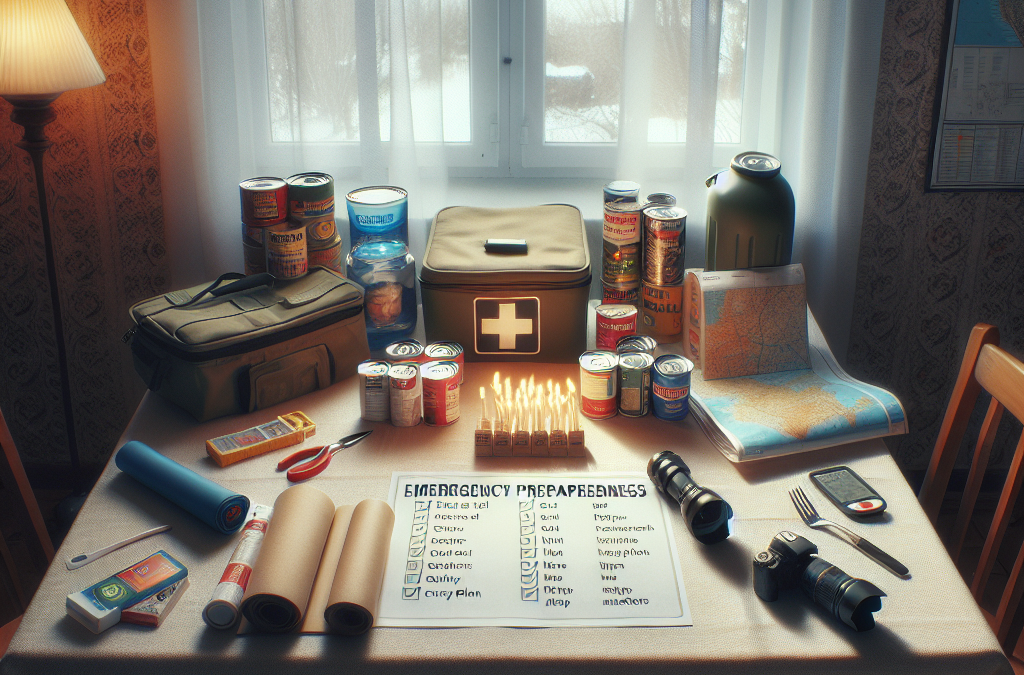
Alright, let’s talk kits! You know those survival kits you see on TV? Well, you don’t have to go all out, but it’s essential to have some basic supplies at the ready. Start with the essentials: water, canned food, a flashlight, and batteries. You can even add things like a portable phone charger.
Don’t forget about medications! If you or a family member needs regular prescriptions, include those in your kit. Also, think about personal hygiene items. It may not be glamorous, but things like hand sanitizer and moist towelettes can make a big difference.
And here’s a tip: make the kit accessible but safe from little hands if you have pets or kids. You want it ready to grab in an emergency, not hidden away where nobody knows where to find it.
Kits for Various Situations
While it’s great to have a one-size-fits-all kit, consider tailoring your supplies to different scenarios. For example, a car emergency kit should include a blanket, jumper cables, and a first-aid kit. Living in a region prone to earthquakes? You might want to focus on a kit that includes sturdy shoes, a whistle, and a map.
Get creative! Include items that will make tough situations a little more bearable, like family games, books, or snacks. This plan isn’t just about survival, it’s about keeping morale up too.
Also, remember to review and refresh your emergency kits every six months. Go through your supplies, check expiration dates, and replace anything that’s outdated or damaged. Trust me, you’ll feel much safer when you know your kit is up to date!
Educate Yourself and Others
Education is a powerful tool! Knowing how to respond to emergencies is just as critical as having a plan. Consider taking courses in first aid or CPR. These skills can make a world of difference during an emergency, especially if help is delayed.
Moreover, share your knowledge! Host a neighborhood get-together to discuss emergency preparations. I’ve done it, and it’s a fantastic way to build community spirit while ensuring everyone is clued in.
Finally, stay informed! Follow local emergency management and weather services to keep updated on potential threats. Having the latest information can help you make quick decisions in a pinch.
Communicate Effectively
Establishing Communication Plans
In an emergency, communication can be the difference between chaos and calm. It’s crucial to establish a communication plan that’s clear and straightforward. Each family member should know who to contact if they’re separated and have that information handy.
Consider using a family group chat. Text can be faster than calling during a crisis, plus everyone can see the updates simultaneously. Don’t forget to include an emergency contact outside the immediate household. Sometimes, it’s easier to reach someone further away when local lines are congested.
Make it a habit to regularly review this information as well, just in case; you might have new contacts or different numbers. This small step can save a lot of hassle later on!
Using Technology Wisely
Technology can be a real lifesaver during emergencies. There are several apps and tools that can help keep you connected. Familiarize yourself with emergency alert systems, weather apps, and your local emergency services’ notifications.
Smart home devices can also play a role. For example, some can detect smoke or carbon monoxide, giving you extra warning. Just ensure that everyone knows how they work and can trust them to do what they’re designed for.
However, don’t solely rely on technology! Make sure you still have non-digital options available, just in case the power goes out or the network fails. A good old-fashioned battery-operated radio might be a lifesaver!
Regular Updates and Training
Just like your phone needs updates, so does your communication plan! As time passes, technology and risks change. That’s why it’s super important to regularly update those emergency contacts and communication methods.
Additionally, consider scheduling family meetings to discuss any changes. This keeps everyone involved and aware of what’s going on. The more educated everyone is, the better prepared you’ll be.
You might even consider involving kids in training sessions. They often surprise you with how much they can grasp and remember, which can strengthen family bonds while building confidence.
Stay Informed and Adaptable
Keeping Up with Alerts and Warnings
Staying informed is vital, especially during emergencies. Sign up for local alerts and weather notifications so you know when a storm is heading your way or if there’s an evacuation order. Be sure to check your local news regularly to stay ahead of potential crises.
Don’t be shy about having conversations about current events, either. Knowledge is power, and discussing various scenarios can prepare everyone mentally. Engage with your family about what they might do in different situations.
Moreover, maintaining a continuous flow of information helps everyone feel more connected and less anxious. It’s all about calming those nerves and knowing you’re ready regardless of the situation.
Learning from Past Events
Take a look back; learning from past emergencies can be invaluable. Check out local incidents or national disasters to see what worked and what didn’t. Knowing the lessons learned can help you adapt your plan and keep your family safer in the future.
Also look at other communities’ responses. What strategies were effective for them? Together, these insights can lead to a more robust preparedness plan that’s custom-tailored for your needs.
Don’t beat yourself up for past missteps; instead, use them as stepping stones for improvement. Learn, adapt, repeat!
Flexibility is Key
No plan is fool-proof. You’ve got to be ready to adjust as situations change. If a plan isn’t working, don’t hesitate to rethink it. Ground rules should be flexible enough to adapt to new information or experiences.
I always remind myself that staying calm and being open-minded is incredibly valuable in stressful situations. An adaptable mindset helps keep the family cohesive and better equipped to handle whatever comes your way.
Remember to encourage open discussions about your plans too. Everyone should feel comfortable voicing their concerns or suggestions. Flexibility isn’t just about adjusting the plan; it’s about working together as a team.
FAQs
1. What should I include in my emergency preparedness kit?
Your kit should have essentials like water, non-perishable food, a flashlight, batteries, a first-aid kit, and important medications. Don’t forget personal items like hygiene products as well!
2. How often should I review my emergency plan?
It’s a good idea to review your plan every six months or after any significant changes, such as moving or changes in family structure.
3. What’s the first step to take for emergency preparedness?
The first step is assessing the risks in your area. Understanding potential disasters can help you create a relevant and effective plan.
4. Is it necessary to involve my neighbors in emergency planning?
Absolutely! Involving your neighbors creates a supportive community and enhances everyone’s safety. You’ll be stronger together during emergencies!
5. Can technology help in emergency situations?
Yes! Technology like weather apps, emergency notifications, and smart home devices can greatly aid in preparedness and response. However, make sure to have non-digital backups for when tech fails!

by Preparation | Jul 6, 2025 | Preparedness
Myth 1: Emergency Preparedness Is Only for Natural Disasters
Understanding the Scope of Emergencies
When I first started learning about emergency preparedness, I thought it was all about natural disasters like hurricanes or earthquakes. But, boy, was I mistaken! Emergencies come in all shapes and sizes, from man-made disasters to health crises. Covering all bases means preparing for situations like industrial accidents, cybersecurity threats, and even personal emergencies like car accidents or medical events.
It’s crucial to shift our mindset. By only focusing on natural disasters, we limit our scope and can end up unprepared for other critical situations. The more broad your preparedness plans are, the better you’ll be able to handle whatever life throws your way.
So let’s get realistic—our daily lives can suddenly take a turn for the worse due to a myriad of reasons. Including all possible emergencies in your preparedness plan not only gives peace of mind but helps you feel more in control of scary situations.
Creating a Comprehensive Plan
Now that we understand that emergencies are broader than just natural disasters, the next step is to create a comprehensive plan. This starts with assessing potential risks. Take a good look around your community and ask yourself what types of emergencies could arise beyond a major weather event.
Once you identify these risks, tailor your preparedness plan to address them. For instance, if you live in a densely populated area, consider potential accidents or emergency evacuations. This could involve creating an evacuation route from your home, compiling a list of local resources, or knowing emergency contact numbers.
Finally, keep testing and updating your plan regularly. I can’t stress this enough! Emergency preparedness isn’t a “one and done” deal. Update your plan as situations and resources change, and involve your family in drills to ensure everyone knows what to do when the time comes.
Resources for Diverse Emergencies
Diving into the resources available for different types of emergencies has opened my eyes. There are plenty of organizations like the Red Cross or local community service agencies that provide training tailored to various scenarios. Take a first aid class, learn self-defense, or even take a basic survival course—these skills can come in handy no matter the type of emergency.
Moreover, many online platforms offer free resources on how to prepare for specific types of emergencies. Whether you’re looking for checklists, how-to guides, or multimedia tutorials, there’s a wealth of information available at your fingertips.
Remember, knowledge is power! The more you learn about different emergencies, the better prepared you’ll be to face them. Why not arm yourself with the right info to handle any situation with confidence? Trust me, it makes a world of difference.
Myth 2: You Need to Spend a Lot of Money on Supplies
Budget-Friendly Preparedness
A big hurdle I encountered in my emergency preparedness journey was the misconception that you need deep pockets to get ready for emergencies. In truth, being prepared doesn’t have to mean breaking the bank. You can start small and gradually build your supplies.
Consider making a list of the essentials and shopping when what you need goes on sale. No need for fancy brands or the latest gadgets! Your local dollar store or community fairs often have everything you need.
Another neat trick I discovered is repurposing items you already own. For instance, old blankets can become emergency sleeping bags, and jars can work as food storage. You’ll be amazed at what you can create and gather without spending much!
Prioritizing and Pro-tips
Let’s be real; it’s easy to feel overwhelmed by an extensive list of emergency supplies. So, I always recommend prioritizing. Focus on your unique situation first. Do you have kids or pets? Consider their needs in your emergency kit before anything else.
Connect with friends who are also interested in preparedness. You can pool your resources or even share items to keep costs low while reaping the benefits of collective safety!
Lastly, don’t forget to rotate your supplies. Items like food and water need to be monitored for expiration dates to ensure you’re ready when the moment counts. Keeping a simple checklist can help you manage that with zero stress.
Community Support and Resources
One of the best parts of emergency preparedness is how it often brings communities together. I’ve found that many cities and towns offer community training sessions or workshops—some are even free. These can open doors for you to learn practical skills without going broke.
Additionally, look out for local volunteer opportunities that revolve around disaster preparedness. It’s a win-win situation: you gain knowledge and skill while giving back to your community.
Networking with others who share your interests not only helps with resources but can provide emotional support when preparing for the unknown. The more involved I became, the better I understood that prevention starts with community collaboration!
Myth 3: Preparedness Is for Doomsday Preppers Only
Normalizing Preparedness
Let’s set the record straight: you don’t have to be a doomsday prepper to take emergency preparedness seriously! I once stumbled upon the stereotype that only extreme survivalists worry about emergencies, which made me hesitate for a while.
However, I quickly realized that everyday life can be bursting with unpredictability! Emergencies exist outside of the extremes, and each of us can benefit from a solid preparedness plan, regardless of our lifestyle choices. It’s about peace of mind and security, not about stockpiling for the apocalypse!
Being prepared is about making informed decisions for you and your family, no matter the lifestyle you lead. It’s simply being responsible and proactive—nothing over the top!
Everyday Scenarios Matter
Think of the everyday scenarios in your life. Car accidents, power outages, or medical emergencies affect us all, not just the ‘preppers.’ I started realizing how often we overlook these incidents until something happens. Why not take simple steps to prepare ourselves now?
Addressing minor emergencies by having first aid kits in your car, maintaining backup power sources in your home, or knowing basic first aid can help you feel secure. By building this foundation, we can better manage both minor and major emergencies when they arise.
Finally, I’ve learned that preparedness extends to mental health too. Developing a mindset that embraces uncertainty without fear decreases anxiety. Accepting that life is unpredictable opens avenues for growth and readiness!
Engaging Family and Friends
One of the biggest game-changers for me has been involving my friends and family in the preparedness process. It’s not about prepping alone in a bunker somewhere! Instead, making it a fun, group activity fosters engagement and bond-building.
Consider hosting an emergency preparedness day where everyone brings something to share or discuss. You’ll be surprised at how many different ideas and resources come out just from a casual conversation.
The sense of camaraderie can prepare you to face uncertainties together, and it becomes less intimidating. And when a crisis does hit, it’s comforting to know you have a support system by your side!
Frequently Asked Questions
- 1. What should I include in my emergency kit?
- Your emergency kit should include food and water, basic first aid supplies, a flashlight, batteries, and personal documents. Tailor it to your family’s unique needs.
- 2. How do I start preparing for emergencies on a budget?
- Begin small by identifying essential items you need and gradually build up your kit. Look for sales, and consider repurposing items you already own.
- 3. How often should I update my emergency plan?
- Regularly review and update your emergency plan at least once a year, and ensure that it reflects any changes in your life, like moving or changes in family size.
- 4. Can community events help with emergency preparedness?
- Absolutely! Many communities offer workshops or training sessions that can help you learn valuable skills and connect with others interested in preparedness.
- 5. Is emergency preparedness really necessary for everyone?
- Yes! Emergencies can happen to anyone at any time. Having a plan in place is about peace of mind and ensuring your family’s safety.
by Preparation | Jul 6, 2025 | Preparedness
Understanding the Potential Threat
Recognizing Natural Disaster Types
From my personal experience, it’s crucial to know the types of natural disasters that can occur in your area. Whether it’s hurricanes, floods, wildfires, or tornados, each one has its unique warning signs and risks. For instance, hurricanes have designated seasons, while wildfires can strike suddenly during dry spells. By staying informed, I empower myself and my loved ones to respond swiftly when needed.
In preparation for such events, I always keep an eye on weather forecasts, especially during high-risk periods. It helps to understand what to expect, so when the alerts come in, I’m not caught off guard. For example, knowing that a flash flood watch is in effect prompts me to make a plan sooner rather than later.
Being aware of local disaster history also gives context. I remember a neighbor who had never dealt with floods before. When the warnings went out, they were unsure about what steps to take. Understanding local patterns can make a world of difference in readiness.
Creating an Evacuation Plan
Designing Your Escape Route
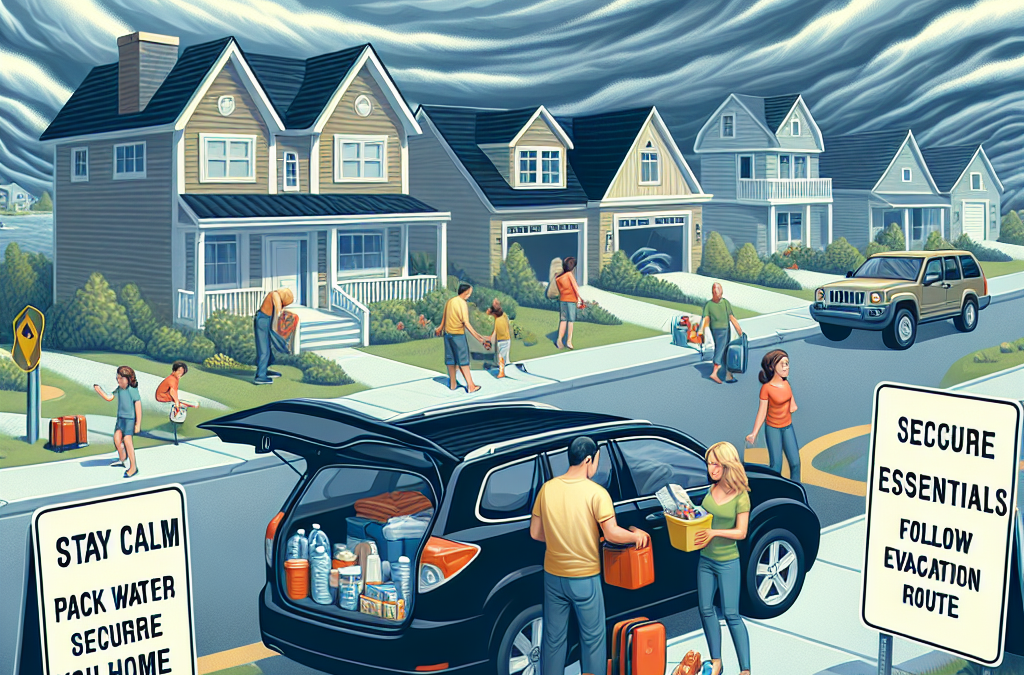
I’ve learned that having a clear escape route is vital, especially in the chaos of a natural disaster. I recommend mapping out routes ahead of time, considering potential road closures or hazards like fallen trees. Familiarizing myself with alternative paths has always made me feel more secure.
In my own experience, it was also necessary to check transport options. If I had to evacuate but didn’t have access to my vehicle, knowing public transit options allowed me to plan effectively. I’ve noted times when ridesharing apps also proved useful because you can never have too many backup plans!
Every member of the family needs to be on board with the plan. I’ve had discussions with my family about our plan, making sure kids and pets know what to grab. Practicing the route as we would during an actual emergency reinforces that knowledge and reduces panic.
Assembling an Emergency Kit
Gathering Essential Supplies
Let me tell you, having an emergency kit is a lifesaver. I remember once during a storm, I was scrambling to find essentials. Now, I keep a well-stocked emergency kit that includes food, water, medications, and basic tools. Those non-perishable snacks and bottled water will always keep my spirits up during the unexpected downtime.
I also realized it’s important to include personal items like important documents in waterproof bags. I was able to include things like insurance papers, IDs, and family photos. Should the worst happen, having those key items really takes a load off.
A good tip I picked up is checking the kit every six months. Life changes, and what you might need shifts over time. Recently, adding things for my pets turned out to be very smart! They need their supplies too, and it’s a good reminder that our furry friends rely on us.
Staying Informed
Utilizing Reliable Communication Channels
When a disaster strikes, staying informed is non-negotiable. I usually tune into local news, but I’ve embraced technology as well. Weather apps and emergency alerts are my go-tos. They keep me updated on the latest developments, which is super helpful as things pivot quickly during emergencies.
I’ve also found that social media can be a double-edged sword. While it’s excellent for real-time updates, it can also spread misinformation. So, I always cross-check any news I see with trustworthy sources, making sure I’m not falling for panic-inducing rumors.
Remember that communication isn’t just about getting information; it’s also about letting others know you’re safe. During an evacuation, I keep in touch with friends and family through text or social media. It’s a relief to let those who care about you know you’re okay, especially in such stressful times.
Executing the Evacuation Safely
Following Your Plan
As the evacuation begins, I always remind myself to stick to the plan. It’s easy to get overwhelmed, but staying calm helps focus on what needs to be done. I had an experience where a friend panicked and tried to go back for something they forgot—it’s crucial to resist that urge and prioritize safety first.
Always wear comfortable clothing and keep the essentials easily accessible. I made a point to have my backpack ready by the door in case I needed to grab it and go. If you’re ever in the car for a while, having water and snacks within reach helps keep stress levels down during long waits.
Lastly, being aware of your surroundings is essential. During my last evacuation, I noticed people getting into their cars, only to realize they were headed toward a blocked street. Keeping an eye out for road signs and traffic updates can save a lot of frustrating delays.
Frequently Asked Questions
1. What is the first step I should take when a natural disaster is approaching?
The first step is to stay informed. Monitor local news and weather reports to understand the situation. Based on that information, start formulating your evacuation plan as soon as possible.
2. How do I create an effective evacuation route?
Look for maps of your area, identify multiple routes to your safe zone, and be aware of any potential hazards. It’s important to plan ahead and consider the traffic situation.
3. What should I include in my emergency kit?
Your emergency kit should include non-perishable food, water, medications, first-aid supplies, important documents, and any personal items you may need, such as pet supplies if you’re evacuating with pets.
4. How can I stay updated during an emergency?
Utilize weather apps and local emergency management agencies for real-time alerts. Always verify information from multiple reputable sources to avoid misinformation.
5. What should I do if I have to evacuate but can’t find my important documents?
If you can’t find your documents, try to gather any substitutes or backups you have, like digital copies stored in cloud services. Your safety is the priority—don’t risk your wellbeing trying to locate them.

by Preparation | Jul 6, 2025 | Preparedness
Developing Critical Lifesaving Skills
What are Lifesaving Skills?
When I think about first aid training, the first thing that comes to mind is the invaluable skills I’ve developed. Lifesaving skills can range from CPR to managing severe bleeding. Each skill is designed to provide immediate help before professional medical services arrive. It’s kind of empowering to know you can keep someone alive or alleviate their suffering, right?
Imagine being at a picnic and someone suddenly faints. With basic training under your belt, you know what to do – check responsiveness, call for help, and have a game plan. These skills give you the confidence to act swiftly and effectively when it truly matters.
Moreover, mastering these skills isn’t just about memorizing steps. It’s about understanding the underlying principles of how our bodies work and how to react appropriately. Trust me; that lightbulb moment when you get it is amazing!
Responding to Emergencies with Confidence
The first time I had to put my training to the test was nerve-wracking. Still, having that first aid training gave me a solid backbone during a stressful time. It’s one thing to know theoretically how to respond but doing it in real life? That’s where training shines.
When those moments come, it’s not just about having the right knowledge; it’s about having the confidence to use it. My first aid training prepared me to stay calm and take immediate action instead of panicking. This can be the difference between life and death in an emergency situation.
Additionally, that confidence makes you a dependable person in the eyes of others. Friends, family, or even strangers know they can rely on you during crises, which feels pretty great!
Preventing Unnecessary Complications
First aid training helps prevent situations from escalating into something more severe. For instance, by training, I learned how to assess a situation properly. Sometimes, what seems like a small pill swallowed can actually be something far worse. Quick, informed actions can make all the difference.
Think about it – doing something as simple as elevating a sprained ankle can save someone from future complications like swelling or bruising. First aid puts a toolkit in your hands to address situations before they snowball out of control.
Plus, knowing basic first aid can ease a patient’s anxiety. When they see someone trained on hand, it provides a sense of security. They know help is available, which can lead to a quicker recovery trajectory.
Improving Community Safety
Creating a Culture of Safety
One of the most powerful things about first aid training is how it cultivates a culture of safety in communities. When lots of people are trained, it means more eyes are watching out for one another. I’ve noticed in my own neighborhood, a certain camaraderie develops, where we all feel responsible for each other’s safety.
This isn’t just about emergencies, though. It’s about everyday situations that could turn dire without intervention. A neighbor fainting or a child choking – having multiple people trained means that help is just a few steps away, no matter the event.
Moreover, this culture of safety spills into everyday life. People become more vigilant not only about their safety but also the safety of those around them. It’s a win-win situation!
Engaging Community First Aid Initiatives
Many local organizations or community centers often organize first aid training workshops. Getting involved in those is a fantastic way to bring people together. When I attended my first workshop, I met all kinds of folks who were just as passionate about community health as I was.
These initiatives foster engagement that helps people advance their skills while also bonding over shared learning experiences. It becomes less about just training and more about coming together as a community. There’s really something special about that feeling!
And let’s not forget the ripple effect. By learning first aid and encouraging more people to do so, we can create a network of trained individuals who can respond effectively. This can transform an entire community into a proactive, supportive unit in times of crisis.
Reducing Emergency Response Times
First aid training plays a crucial role in ensuring that situations are managed swiftly. Not everything requires paramedics immediately. Sometimes, a trained civilian can stabilize a person while waiting for the professionals. This seems small, but those minutes can be invaluable.
My own experiences taught me that acting fast can lead to better outcomes. Knowing how to perform basic first aid can mean the difference in response time, and that time can mean everything in an emergency.
Volunteer responders can also step in when needed. Trained citizens can help in their communities to address issues quickly until dedicated emergency services can take over. It makes our neighborhoods much safer places to live and thrive.
Boosting Overall Health Literacy
Understanding Health and Wellness
When I dove into first aid training, I also found myself learning about broader health topics. It’s not just about responding to emergencies; it’s about understanding how health works in our daily lives. That knowledge is empowering.
For instance, I learned a great deal about the importance of mental health during emergencies as well. It’s crucial to be mindful and provide support not just physically, but emotionally too, which is often overlooked!
Having a fundamental understanding of health encourages individuals to be more proactive in their own wellness and that of others around them. Isn’t it great when education becomes a full-circle experience?
Promoting Preventative Measures
One of the best byproducts of first aid training is its focus on prevention. We dive into discussions about healthy lifestyles, mitigating risks, and fostering a proactive approach rather than just a reactive one. I found myself being more cautious in life when I realized the common risks in everyday activities.
For example, understanding the right ways to lift heavy objects can mitigate injuries in the workplace. Simple awareness can prevent accidents before they occur. This doesn’t just help you; it promotes a safer environment for everyone!
Encouraging these preventative measures in everyday life can lead to healthier communities overall. The more educated we are, the better choices we make. It creates a domino effect that benefits everyone involved.
Enhancing Communication Skills
First aid training emphasizes the importance of clear and effective communication during emergencies. I’ve learned how critical it is to convey information succinctly, whether it’s relaying details to emergency responders or guiding someone through a procedure.
During my training, we practiced various scenarios where communicating effectively was the linchpin of a successful outcome. It illuminated the fact that how you express what’s happening can be just as crucial as the actions taken on the scene.
These skills extend beyond medical emergencies, too. In everyday situations, being able to communicate clearly and calmly reduces misunderstandings and helps foster cooperation, which is something we all can benefit from!
FAQs
1. Why should I consider first aid training?
First aid training equips you with the necessary skills to handle emergencies effectively, boosting your confidence and making you a valuable asset to your community.
2. What kind of skills will I learn in first aid training?
You’ll learn how to perform CPR, manage bleeding, treat burns, and handle various medical emergencies, among other essential skills. It’s a comprehensive package!
3. How can first aid training impact my community?
With more people trained in first aid, your community cultivates a culture of safety. It brings people together and ensures that there are individuals available to help during emergencies.
4. Are there any prerequisites for taking first aid training?
No specific prerequisites are needed! Most courses are designed for beginners and are accessible to anyone with a willingness to learn.
5. How often should I refresh my first aid training?
It’s recommended to refresh your first aid training every two to three years. This ensures you stay current with practices and adapt to any changes in first aid protocols.
by Preparation | Jul 6, 2025 | Preparedness
Let’s be real – life throws curveballs at us all the time. From unexpected medical expenses to sudden job loss, financial instability can creep up on anyone. Over the years, I’ve learned that having a solid financial plan isn’t just a good idea; it’s essential. In this article, I’m going to break down why having a strategy for such times is crucial, and I’ll share some of the insights I’ve picked up along the way. So, grab a cup of coffee, and let’s dive in!
Understanding Financial Instability
What Does Financial Instability Mean?
When I first heard the term “financial instability,” I thought it was just a fancy way of saying “broke.” But it’s much broader than that. Financial instability refers to a state where an individual’s or a household’s financial health is uncertain – whether that means fluctuating income, debts, or unexpected expenses. You could be earning well one month and struggling the next, and that uncertainty is what can really get you in a jam.
The crux of it all is vulnerability; when your finances are unstable, you can find yourself making decisions based on fear rather than logic. That’s why understanding what financial instability means for you personally is the first step in creating a solid plan to address it.
It’s not just about being broke; it’s also about the potential risk of being unable to meet your financial responsibilities. By grasping this concept, I’ve been able to better prepare myself for whatever life throws my way.
The Common Causes
Over the years, I’ve identified several causes of financial instability that are often overlooked. Job loss is a big one. Even if you’re a high performer, layoffs happen. I’ve seen colleagues and friends face sudden unemployment, and it can be devastating without a cushion to fall back on.
Another sneaky culprit is lifestyle inflation. It’s so easy to start spending more as you earn more, but that can lead to severe consequences when income streams dry up. I learned to keep my expenditures in check, which proved invaluable during uncertain times.
Shouldn’t ignore unexpected expenses, either! Whether it’s car repairs or medical bills, these can wipe out your savings in a heartbeat. I have learned to expect the unexpected and set aside some emergency funds to cushion those blows.
Why It Matters
You might be wondering: “Why should I care?” Well, let me tell you. A financial plan gives you peace of mind. When I know I have a strategy in place, I feel more secure, no matter what surprises come my way. It’s like a security blanket for my bank account!
Additionally, having a plan means I’m more resilient. Should the worst happen, I can bounce back quicker and more effectively. It’s truly empowering to know I have options and can navigate challenges without feeling paralyzed by fear.
Lastly, it sets the stage for future stability. By planning now, I open doors to opportunities down the line. Instead of being reactive, I can be proactive, which is a game-changer in the world of finances.
Building Your Financial Safety Net
Assessing Your Current Situation
To get started, I first took a hard look at my current financial status. This meant tracking my income and expenses, figuring out where my money was going every month. I was surprised by how much I could save simply by cutting out those little “just-because” splurges.
I used various apps to get a grip on my financial situation, but pen and paper works just as well. Seeing everything laid out in front of me made it easier to acknowledge what needed to change. Honestly, sometimes you’ve just got to face the music.
Once I had a solid grasp on my cash flow, it became evident what my next steps needed to be, and that clarity brought me immense relief.
Establishing Emergency Funds
Next up, I knew I needed to establish my emergency fund. This is my go-to buffer during times of financial uncertainty. The goal is to save enough to cover three to six months’ worth of living expenses, which might sound daunting. But I focused on starting small. The key is consistency!
Automating my savings made a world of difference. I set up a separate savings account, and every month a portion of my paycheck goes straight there. This way, I’m building that safety net without even thinking about it.
Over time, I found that having this emergency fund gave me so much more freedom. I stopped worrying as much about my day-to-day expenses because I knew I had backup when things went awry. This is definitely something I recommend to everyone!
Review Your Priorities
When I started this journey, I realized I needed to re-evaluate my spending. I went through everything – subscriptions, daily coffee runs, you name it. This process helped me understand what truly matters to me financially. Do I really need that extra streaming service, or could that money be better spent on my emergency fund?
I found that once I identified my priorities, it became easier to redirect my money into areas that aligned with my long-term goals. Plus, it felt good to take control over my finances and not let them control me.
This prioritization also helped me feel confident in my spending choices, which is super important when considering financial instability.
Developing a Long-Term Strategy
Set Clear Financial Goals
With a solid understanding of my current situation and an emergency fund in place, it was time to look ahead. I set some clear financial goals, like saving for a house, paying down debt, and planning for retirement. Breaking these down into achievable chunks made them feel much less intimidating!
I learned the importance of setting both short-term and long-term goals. Short-term goals could be things like saving for a vacation, while long-term goals are those bigger, life-changing milestones. Keeping these in sight keeps me motivated.
Setting goals isn’t just about the destination; it’s about the journey too. Each small win feels great, serving as a reminder that I’m on the right track.
Diversifying Your Income Sources
To really bolster my financial stability, I looked into diversifying my income sources. Relying on a single job can feel like walking a tightrope; it’s precarious. So, I explored side gigs that aligned with my skills and interests.
Whether it’s freelancing, consulting, or even investing, exploring these avenues gave me additional financial security. It also gave me more opportunities to learn and grow, which I always appreciate.
Developing multiple income streams essentially means I’m better buffered against financial instability. If one source dries up, I have others to lean on. That’s a comforting thought!
Investing for the Future
Lastly, I had to consider investing. Sure, it comes with risks, but it’s also one of the most effective ways to grow wealth over time. Researching and learning about different investment vehicles helped me feel more confident in making those decisions.
Saving is awesome, but investing lets my money work for me. It was eye-opening to see how compounding interest can significantly impact my financial future. So, I started dabbling in investments that match my risk tolerance.
Having a diverse portfolio also prepares me for potential financial instability down the line. It’s about not only safeguarding what I have now but making sure I can thrive in the future as well.
Staying Flexible and Prepared
Regularly Review Your Financial Plans
One thing I learned is that financial plans aren’t set in stone; they evolve. I make it a point to sit down at least twice a year to review and update my financial plan. This keeps me aware of where I’m at and where I want to go.
During these reviews, I reassess my emergency funds, savings, investments, and budget. Life changes, and so do financial needs. Adapting my plan has been key to maintaining my financial health.
No shame in adjusting your plans! The financial landscape can shift, and I want to be prepared to pivot when necessary. That flexibility really enhances my sense of security.
Educate Yourself Constantly
I can’t stress this enough: continuous education is vital. Whether it’s reading books, attending webinars, or listening to finance podcasts, staying informed makes such a difference. The more I learn, the better equipped I feel to handle challenges.
This education can even lead to new opportunities! Networking through learning platforms has opened doors I never imagined would be available to me.
Plus, discussing financial topics with friends often leads to new insights. There’s strength in community, as everyone brings unique perspectives to the table. I encourage you to tap into that!
Remain Patient and Stay Positive
Financial journeys are rarely linear; they come with ups and downs. I had to learn the valuable lesson of patience along the way. Sometimes plans fall through, and that’s okay.
Staying positive has been a game-changer for me. I focus on what I can control and celebrate my wins, no matter how small. This mindset helps me stay motivated to continue building my financial security.
Implementing these plans takes time, but the effort is worth it. When I feel those inevitable waves of financial uncertainty hit, I remind myself that I’m prepared and can weather the storm. That’s what it’s all about!
Frequently Asked Questions
1. Why is having a financial stability plan so crucial?
A financial stability plan is essential as it provides guidance on how to manage uncertainties, helping you feel more secure and in control of your finances during tough times.
2. How much money should I have in my emergency fund?
It’s generally advised to save between three to six months’ worth of living expenses. This amount can vary based on individual circumstances and comfort levels.
3. What are some effective ways to diversify my income?
You can consider freelancing, starting a side business, investing in rental properties, or engaging in the stock market to diversify your income streams.
4. How often should I review my financial plan?
It’s a good idea to review your financial plan at least twice a year, or whenever significant life changes happen, to ensure it still aligns with your goals.
5. What resources can I use to educate myself about finance?
There are many resources available such as finance books, online courses, podcasts, and webinars. Local workshops and community colleges also often offer personal finance courses.




