
by Preparation | Jul 30, 2025 | Preparedness
Planning Your Adventure
Choosing the Right Location
When planning a wilderness trip, you’ve got to think carefully about location. I personally recommend selecting a spot that suits your skill level. For beginners, a nearby forest or a national park with clear marked trails is perfect. As you get more comfortable, venturing into more rugged terrain becomes exciting. Just remember to scout out potential hazards in the area, like wild animals or unstable weather conditions.
Also, consider the season you’re heading out. Each time of year brings unique challenges and rewards. For example, springtime might feature blooming beauty but also unpredictable rain. On the flip side, winter hikes can be breathtaking with that pristine snow, but they demand more careful planning. Check weather forecasts and prepare accordingly—it can make or break your adventure.
Don’t forget to inform someone about where you’ll be. Whether it’s a friend or family member, having someone know your whereabouts can add an extra layer of safety, just in case things go sideways. Trust me, that little bit of precaution can give you peace of mind while you’re out enjoying the wild.
Essential Gear and Supplies
Your Packing List
So, let’s chat about gear. The essentials can vary widely depending on your destination and duration of stay. Generally, I always pack a sturdy backpack, a reliable water filter, and a first-aid kit. Trust me, you don’t want to be stuck with no way to purify your water, nor do you want an injury to turn into an ordeal.
Along with safety gear, having extra layers of clothing is key. There’s nothing worse than getting soaked or too cold because you didn’t plan for changing weather. I often bring a lightweight rain jacket and a warm layer, just in case. You can always take off layers, but being underdressed can lead to serious risks out there!
And let’s not forget about food. Pack snacks that provide quick energy, like nuts or energy bars. In a survival situation, having food that can give you sustenance without needing an elaborate setup is crucial. Remember to keep your food stored safely, too; those curious animals will be on the lookout for any opportunity!
Fire Making Skills
Different Methods to Start a Fire
Fire can seem daunting to start in the wild, but it’s so important. I love practicing various methods at home first, like using matches, lighters, and even fire starters like cotton balls soaked in petroleum jelly. Each method has its strengths. Matches are reliable, but lighter can be easier to manage.
Then, there are traditional methods like the bow drill—definitely a skill worth practicing. It may take practice, but when you finally get that ember, it’s incredibly rewarding. Even being in the wilderness brings back memories of my first successful fire! Nothing beats that warm glow after a long day of hiking.
Remember to gather tinder, kindling, and fuel wood before you start. Dry leaves, small twigs, and even bark work wonders for tinder. I often find that preparing your fire site, making a little teepee structure, helps keep the flames going strong once you get it lit. And always practice fire safety: have water at hand, and never leave a fire unattended.
Water Sourcing and Purification
Finding Clean Water
Water is another survival essential that can sometimes be overlooked. I’ve experienced firsthand how vital it is to have a reliable water source. Streams and rivers are typically your best bet, but you need to assess the water quality. Getting too close to human activity can lead to contamination, so it’s best to source your water upstream.
If you can’t find running water, rainwater collection can be a lifesaver. Using tarps or clean containers, I’ve gathered water during storms, and it doesn’t get much fresher. But always remember, collecting rainwater requires some foresight and having the right gear ready.
Never drink untreated water straight from nature without purifying it first! I carry a portable water filter wherever I go. Boiling is also a reliable method; if you can get a fire going, that’s a surefire way to kill off harmful bacteria. Just be mindful of how much fuel you use for boiling—make it count!
Navigation and First Aid
Reading Maps and Compasses
When wandering in the wilderness, knowing how to navigate is crucial. I remember my first trip without a map—I felt adventurous until I realized I was completely turned around. It’s important to familiarize yourself with reading topographical maps and using a compass, as they can prevent you from getting lost or worse.
Always practice your skills beforehand. Using landmarks along with your compass gives you confidence in your ability to find your way. A good tip is to locate several reference points on your map before heading out. This way, you’ll be able to tell how far you’ve walked and determine your location more easily.
In addition to navigation, being prepared with first-aid knowledge can save lives. Knowing how to treat common injuries like sprains or cuts helps keep spirits high on a trip. I’ve taken courses myself, which made me feel much more secure about what to do if something goes wrong. Plus, having a first-aid kit stocked and accessible is essential!
Conclusion
Wilderness survival is all about being prepared and knowing the skills to handle different situations. The more you know, the more confident you’ll feel heading out into the wild. Always remember, practice makes perfect, and learning from each trip only adds to your expertise.
FAQ
What should I pack for a day trip into the wilderness?
An ideal packing list includes water, snacks, a first-aid kit, a knife, a fire starter, and appropriate clothing. Always ensure you have essentials handy to keep safe and comfortable.
How do I start a fire without matches or a lighter?
Using methods like the bow drill or fire steel can help you start a fire without traditional means. It requires practice, so give it a go before you’re in a survival situation!
Where can I find clean drinking water in the wild?
Look for streams or rivers, ideally upstream from any human activity. Rainwater collection can also provide fresh water. Always remember to purify any water before drinking.
What are the best navigation tools for wilderness survival?
A good quality map and compass are essential. It’s also beneficial to have GPS devices, but always have a backup in case batteries die or you lose service.
How can I improve my first-aid skills for wilderness trips?
Taking certified first-aid courses is the best way. They provide hands-on experience, which is invaluable. Additionally, reading books or guides on wilderness first aid can be helpful.

by Preparation | Jul 30, 2025 | Preparedness
Assess Your Home’s Vulnerabilities
Identify Weak Points
In my experience, the first step to safeguarding your home involves taking a close look at its vulnerabilities. Think about the windows that don’t quite lock all the way or the back door that’s seen better days. Walk around your property and jot down anything that feels insecure. A solid game plan starts with knowing what needs to be addressed.
Make a mental note (or write it down, you know what works for you) of areas around your home that might be hidden from view, like the side gate. These spots are prime for opportunistic looters who might think they’re hiding from plain sight. Being aware of your home’s layout is crucial.
Once you’ve pinpointed potential weak spots, it’s time to brainstorm ways to strengthen them. Whether it’s reinforcing a door or improving outdoor lighting, each little step counts and makes your home a harder target.
Consider Your Neighborhood
The environment around your home plays a big role in security. Chat with your neighbors; trusting relationships among those living close to you can create a natural security network. I’ve found that simple conversations can lead to group strategies that involve shared watchfulness, especially during uncertain times.
Pay attention to any upcoming events or issues in the neighborhood that could affect security. Community meetings are a great way to stay updated and share tips for keeping each other safe. I remember a time when our neighborhood banded together over a rumor of increased break-ins; it made a significant difference.
Be aware of your surroundings, too. If something seems off, trust your instincts. Making notes about unusual activity can help you communicate concerns even if they’re shared with local authorities or neighbors.
Enhance Overall Security
Beyond just locking doors and windows, there’s a wide range of measures I’ve implemented that heighten home security. Installing smart locks or an advanced security system has given my family more peace of mind. I mean, knowing that I can monitor my home from wherever I am really reduces anxiety. Plus, you can set it up so that it alerts you to any unusual activity.
Surveillance cameras have also been a game changer for me. Having eyes on the perimeter of your property not only catches potential threats but also deters them. I’ve noticed that just having visible cameras puts people on notice. It’s like an unspoken warning that your home is not an easy target.
Lastly, I can’t stress enough the importance of regular maintenance checks. Ensure that alarms, cameras, and locks are in good working order. Setting a calendar reminder to do this every few months can mean the difference between safety and an unfortunate event.
Create a Safety Plan
Develop Family Communication Strategies
Whenever a crisis pops up, having a solid plan is vital. I usually set up a comprehensive communication strategy with my family. This entails everyone knowing how to reach each other during emergencies. Trust me, nothing can replace the peace of knowing your loved ones are safe and accounted for.
In addition to that, establish a meetup point outside your home where everyone can regroup if the situation escalates. During a tough situation, sticking to the plan becomes crucial—everyone remains calm, and decisions can be made without panic.
Regularly discuss and practice your safety plan. It may seem redundant, but practicing drill scenarios makes everyone feel more prepared and can save lives if push comes to shove. I’ve learned firsthand that repetition really cements knowledge.
Emergency Supplies Preparedness
When the going gets tough, being prepared with emergency supplies can truly be a lifesaver. From basic stuff like food and water to medical kits, I took the time to put together comprehensive kits that my family can easily access during a crisis. Keeping an eye on expiration dates is crucial; no one wants to rely on expired supplies.
Besides food and water, consider including items such as flashlights, batteries, and even a portable phone charger. During my own experiences, I found that a reliable power source can make navigating through dark times much easier.
Lastly, it doesn’t hurt to have copies of important documents stored in a safe place at home, or even better, in a digital format. This can include insurance documents, identification, and property titles. It may seem trivial, but having easy access to these details can be the difference in recovery efforts.
Know Local Emergency Services
I can’t stress this enough: knowing your local emergency services can create a crucial lifeline during crises. Familiarize yourself with local police, fire stations, and emergency numbers—not just for your own sake, but for everyone around you. It’s always useful to have this information easily accessible.
I also recommend building relationships with local law enforcement. Previously, I attended community events where officers interacted with residents, which helped me learn their approach in emergencies. Having a rapport can lead to quicker response times when seconds matter.
Ultimately, don’t hesitate to reach out to these services during emergencies. They’re there to help, and many times, they can provide immediate advice on securing your home during a crisis. A little bit of knowledge can go a long way in ensuring your home’s safety.
Secure Your Home Before Crisis Strikes
Install Effective Locks and Reinforcements
Once I started thinking more seriously about home security, investing in sturdy locks became my first move. Simple deadbolts provide a good level of security. But consider upgrading to smart locks; they offer more flexibility, especially when you’re away and want to control access remotely.
I also noticed reinforced doors and windows can deter break-ins significantly. Installing window security film makes panes harder to break through, which delays any potential looters. It’s like an extra layer of armor for your home.
The improvements don’t stop at the doors and windows. Secure sliding doors with rod-style locks or have them fitted with extra locks for good measure. It’s the little things that stack up and create an incredibly protective environment for your family.
Landscape for Security
Surprisingly, how you landscape your yard can have a significant impact on home security. From my experience, maintaining low shrubbery and sparse trees around your home creates a clear line of sight for neighbors and security cameras. Thieves prefer to hide in overgrown areas, so keeping your yard tidy can help dissuade them.
If you can, consider planting thorny bushes near windows and entry points. Not only do they add a natural deterrent, but they also maintain your home’s aesthetic appeal without making it feel like a fortress. I’ve always found that balance between security and a welcoming home is essential.
Lastly, good lighting plays a critical role. Plenty of outdoor lights, especially motion-sensor ones, can disorient unwanted visitors. When landscaping, make sure you’re not blocking those lights with high hedges or trees.
Join or Form a Neighborhood Watch
If there’s one thing I’ve learned, it’s the power of a community. Joining a neighborhood watch is one of the best ways to improve the security of your area. When more people keep an eye out for peculiar activity, it creates a sense of collective responsibility for safety.
Add regular community meetings or just simple get-togethers where you can talk about concerns or observations you’ve made in the area. I’ve found that knowing who lives near you and having shared strategies makes us all feel more secure.
Moreover, consider creating a communication platform with your neighbors. Whether it’s a group chat or an email list, staying in the loop can be the key to acting quickly when issues arise.
Maintain a Low Profile
Control Visibility of Valuables
When it comes to home security, I always remind myself less is more. Avoid making it obvious that you have valuable items at home. That huge flat-screen TV in the living room? Maybe consider minimizing the drapes or curtains so they don’t scream “look at me!” when you’re not at home.
It helps to think about what you throw in the trash, too. Packaging from expensive gadgets is often a giveaway to potential thieves. Instead, find ways to disguise those items when you dispose of them. Keeping a low profile can be one of the heaviest hitters in security.
Also, think about your online presence. While social media is great for sharing life highlights, posting photos or statuses about your latest purchases or vacations can inadvertently advertise your valuables to the wrong audience. I know it’s tempting, but exercising a bit of caution is always wise.
Use Smart Technology Wisely
In a world where technology is king, I’ve found integrating smart devices into home security is a game changer. From smart cameras to home automation systems, there are plenty of options available to enhance your home security. These devices keep me connected to my home no matter where I am.
For instance, smart doorbells with cameras allow you to see who’s at your door without ever leaving the couch. Pair that with remote locking and unlocking features, and it almost feels like you’re there, even when you aren’t. That capability is priceless when it comes to security.
However, remember to use smart technology wisely. Ensure you’ve secured your Wi-Fi network, as overly connected devices can introduce vulnerabilities if not protected. Investing in cybersecurity measures is just as important as physical security for today’s homes.
Practice Everyday Vigilance
I’ve learned that security is an ongoing commitment. I make it a point to lock doors and windows, even when I’m home, to keep those habits firm. It’s easy to slip into a routine, but staying vigilant is vital, especially during uncertain times.
Keep an eye on your neighborhood, looking out for anything odd or out-of-place. I often encourage my friends to take note of their surroundings while walking or driving. A little awareness can go a long way in prevention.
Lastly, trust your gut feelings. If something feels off, don’t hesitate to reach out for help, whether that’s calling local authorities or just asking a neighbor for heightened vigilance. It’s in these simple actions that we cultivate a safer community.
FAQs
1. How can I identify vulnerabilities in my home?
You can identify vulnerabilities by walking around your home and examining all entry points—doors, windows, garages, and sheds. Look for wear and tear, and consider areas that aren’t visible to passersby, as these can be attractive to thieves.
2. What should be included in an emergency supply kit?
Your emergency supply kit should include non-perishable food, bottled water, a medical kit, batteries, flashlights, and a portable charger. It’s also wise to have sanitation supplies and essential documents on hand.
3. Is it worth installing a home security system?
Absolutely, a home security system can be a strong deterrent against crime and provides peace of mind. Look for options that allow remote monitoring and response features for added security when you’re away.
4. How can landscaping help with my home security?
Good landscaping reduces hiding spaces for criminals and enhances visibility around your home. Keeping shrubs low and well-trimmed helps neighbors and passersby keep an eye on potential threats.
5. What role does the community play in home security?
The community plays a significant role in home security through shared vigilance. Neighborhood watch programs or simple connections with neighbors create a network that can monitor and respond to suspicious activities effectively.

by Preparation | Jul 30, 2025 | Preparedness
1. Assess Your Property
Check Your Roof and Gutters
First off, I can’t stress enough how important it is to check your roof. You’d be surprised by how many people ignore this until it’s too late. I like to climb up there myself—safely, of course—and look for any missing shingles or damage. A sound roof is your first line of defense against rain and wind. If I see anything suspicious, I’ll usually call in a pro to handle it.
Gutters are equally crucial. They direct water away from your property. I make it a point to clean my gutters regularly to avoid any blockages that could lead to overflow during a storm. Trust me, a clogged gutter can cause some serious water damage!
And while you’re at it, make sure that downspouts direct water at least 5-10 feet away from your foundation. I use extensions to help with this. It’s all about keeping the water where it won’t do harm!
Evaluate Windows and Doors
Next on my list are the windows and doors. If they’re old and drafty, it’s time for an upgrade. I’ve made the switch to double-paned windows, and let me tell you, it has made a world of difference. Not only do they provide better insulation during winter, but they’re also tougher against strong winds.
Don’t forget about sealing any gaps! A quick run of caulk can do wonders. I also like to invest in storm doors as an additional layer of protection. It might seem like a small thing, but it makes me feel safer during those crazy storms.
Lastly, consider the idea of impact-resistant glass if you’re in a high-risk area. It’s a bit of an investment, but it pays off when the weather gets rough! I’ve actually become quite the afficionado in storm-proofing after going through a few nasty hurricanes.
Landscape Wisely
Believe it or not, your landscaping plays a pretty big role in your home’s preparedness for extreme weather. I’ve made a habit of trimming back any trees that seem a little too close for comfort. Overhanging branches can become deadly projectiles if things get nasty.
It’s also a good idea to plant things that are resilient to harsh conditions. I prefer native plants that can withstand heavy rains or droughts without requiring too much fuss. Plus, they look great too! Round it off by creating some good drainage around your garden beds to avoid any flooding issues.
One more thing—make sure to check the slope of your yard. Ideally, it should slope away from your house to direct any runoff further down. Working on my yard has definitely given me peace of mind during storms.
2. Reinforce Structural Integrity
Invest in Storm Shutters
When I first moved into my house, I didn’t think much of storm shutters. But after a few intense weather events, I realized these bad boys are a game-changer! They protect windows from flying debris and can be a real lifesaver.
I’ve opted for accordion-style shutters because they’re easy to use and don’t stick out like a sore thumb when closed. Plus, they’re pretty durable. You know I love anything that requires minimal upkeep!
If storm shutters are a no-go for you, consider plywood as a backup plan. Just measure your windows, get the right thickness, and store them for emergencies. Just don’t wait until the last minute to put them up!
Secure Your Garage and Outdoor Items
Speaking of outdoor items, I’ve learned the hard way that securing everything outside is a must. Anything loose or movable is a potential projectile during high winds. I make it a point to bring in patio furniture and store my garden tools in a secured shed or garage.
If you have a garage, make sure it’s properly secured. A strong wind can easily shove open a weak door. I’ve added an extra padlock for peace of mind, and I also keep it organized. It sounds ridiculous, but a clutter-free garage makes it easier to grab essentials when you need them.
Consider anchoring large outdoor structures like sheds or gazebos as well. I’ve seen them get tossed around like they’re nothing during a storm. You can use tie-down straps or even concrete blocks to keep them in place!
Consider Flood Insurance
This next one isn’t about physical preparation but financial. Flood insurance is something I always recommend to friends in at-risk areas. Regular homeowners’ insurance often doesn’t cover flood damage, so it’s worth checking into.
Make sure you understand what’s covered and what’s not. I found it helpful to have a chat with my insurance agent to clarify any doubts. It’s better to be safe than sorry, right?
And remember, getting coverage before you need it is key. Most policies have a waiting period, so don’t wait until a storm is on the horizon. You don’t want to be caught without a safety net when you need it the most!
3. Prepare an Emergency Kit
Essential Supplies
This might sound a bit cliché, but an army marches on its stomach! I make sure my emergency kit is stocked with all the essentials: water, non-perishable food, a first aid kit, and any necessary medications. I like to keep enough supplies to last at least a week, just in case.
Don’t forget about a flashlight and extra batteries. I can’t tell you how many times I’ve been caught without light during a blackout, and trust me, it’s not fun! A portable charger for my phone is also on my must-have list.
Finally, remember to rotate those supplies every six months. I’ve made it a routine to check my kit when I change the clocks for daylight saving time, ensuring everything is fresh and usable.
Communication Plan
Part of being prepared is having a communication plan in place. I always make sure my family knows how to reach each other in case of separation during an emergency. You never know when a storm might hit and potentially disrupt cell service.
We’ve also established a meeting spot outside of town, just in case things get really chaotic. It gives each of us peace of mind knowing we have a plan. I recommend keeping written lists since not everyone is glued to their smartphones—especially in a crisis.
Don’t forget to update your contacts with emergency numbers and local disaster services. I keep a hard copy tucked in my emergency kit for easy access.
Have a Plan for Pets
For those of us with furry family members, don’t forget about them when you’re prepping your emergency kit. I always include pet food, medications, and copies of their medical records. I won’t lie, the thought of leaving my doggo behind during an emergency is enough to keep me up at night!
Make sure you have a leash and carrier ready to go. In instances of evacuations, having a safe way to transport your pets is vital. I encourage folks to practice loading their pets up so they get used to the hustle.
And don’t forget to keep identification on your pets—collars with tags and microchips. God forbid they get lost in the chaos.
4. Stay Informed and Connected
Weather Alerts and Apps
In my experience, knowledge is power when it comes to extreme weather. I can’t tell you how many times a simple weather alert saved me from being caught off-guard! I’ve loaded multiple weather apps on my phone to stay updated real-time, especially during storm season.
Local news stations are also a go-to resource. I make it a habit to check in regularly for updates and warnings. It’s comforting to have reliable information and know what to expect in case a storm is approaching.
Another tip is to set alerts for your nearby areas, not just your own. Sometimes storms can shift quite unexpectedly, so having a wider safety net helps in the long run!
Community Resources
Sometimes our communities are the best resource for information. I often connect with my neighbors to stay in the loop about local preparedness activities or shelters. It’s like having your own little support system!
Many towns have emergency management services that provide updates regarding road closures or community shelters. I make sure to follow those channels to stay informed.
If you get a chance, consider joining local preparedness groups. They often hold events and encourage hands-on learning about how to stay safe. Plus, you meet some pretty awesome people!
Emergency Services Information
Finally, knowing how to contact your local emergency services is key. I keep a list of numbers handy, including the fire department, police, and medical services. I’ve clearly labeled this and placed it in my emergency kit and on the fridge.
In addition, familiarize yourself with local evacuation routes. In case you need to leave quickly, knowing the best way out can save you precious time. I even plotted mine out and practiced driving them during clear days.
And remember, staying calm during a storm can make all the difference. The last thing you want is to panic and make rash decisions!
5. Create a Financial Plan
Emergency Fund
Now, knock on wood, but one thing I always recommend is having an emergency fund. You don’t want to be scrambling to cover unexpected costs like repairs or temporary housing. I aim to set aside about three to six months’ worth of expenses, which provides me with some serious peace of mind.
Having this cash reserve makes it easier to bounce back after a disaster. I like to have a mix of savings accounts and cash easily accessible in case the power is out for a while. You never know how long services might be disrupted!
Keeping track of these expenses in a budgeting app not only helps during crises but also teaches good financial habits overall!
Document Important Information
Speaking of finances, I’ve learned the hard way that documenting important information is key. I keep scanned copies of necessary documents—like insurance policies, personal IDs, and property deeds—both on my computer and securely in my kit. You never know when you might need these!
Having all your information in one place saves time and stress when you’re dealing with an emergency. Plus, it helps to speed up claims later, should you need to file one.
Keeping these files up-to-date is necessary, too. I recommend reviewing everything annually, especially if you’ve made any changes to your home or policies.
Insurance Review
Finally, take some time to review your insurance policies. I do this every year to ensure I’m adequately covered for whatever Mother Nature throws my way. Sometimes, life changes, and what was sufficient coverage might not be enough anymore.
I encourage folks to compare different providers or seek advice from an insurance broker who can provide tailored coverage options. It’s like doing a yearly check-up for your home—so important!
Ultimately, being financially prepared adds to your overall safety net when the weather gets rough.
Frequently Asked Questions
1. What is the most important step in preparing for extreme weather?
Assessing your property is crucial. Make sure your roof, gutters, windows, and doors are all in good condition and secured properly.
2. How can I make sure my home doesn’t flood?
Invest in proper drainage systems, landscape wisely to direct water away, and consider flood insurance for additional peace of mind.
3. What should I have in my emergency kit?
Your kit should include essentials like water, food, first-aid supplies, flashlights, batteries, and any medications you may need.
4. How often should I update my emergency plan?
I recommend reviewing your emergency plan at least once a year or whenever there are significant changes in your household or community.
5. Is flood insurance really necessary?
Yes! Many homeowners’ policies don’t cover flood damage, so having separate flood insurance can protect you financially if a disaster strikes.

by Preparation | Jul 30, 2025 | Preparedness
Unlock the secrets to natural health with our Apple Cider Vinegar Tonic, a powerful blend of lemon, ginger, and raw honey, designed to fight inflammation and boost your immune system. This easy-to-make tonic harnesses the anti-inflammatory properties and antioxidants of its all-natural ingredients to offer a holistic approach to wellness. Ideal for daily consumption, it provides a simple yet effective way to enhance your digestive health, reduce joint pain, and revitalize your energy levels, making it an essential addition to your health regimen.
Of course, it is important that you consult those you trust for advisement on your health and wellness. This tonic is for information purposes and should not be considered a health claim.
Healing Harmony Tonic: A Natural Anti-Inflammatory Remedy
Description: Discover the soothing benefits of our Healing Harmony Tonic, a natural remedy crafted from the earth’s purest ingredients. This tonic combines the powerful anti-inflammatory properties of apple cider vinegar, fresh lemon juice, ginger, and raw honey to create a refreshing drink that not only alleviates inflammation but also boosts overall health.
Ingredients:
- 1 cup of organic apple cider vinegar
- Juice of 2 fresh lemons
- 1-inch piece of fresh ginger, grated
- 2 tablespoons of raw honey
Properties and Benefits of Each Ingredient:
- Apple Cider Vinegar: Rich in acetic acid, it helps reduce inflammation and can lower blood sugar levels.
- Fresh Lemon Juice: Contains vitamin C and antioxidants, promoting immune defense and skin health.
- Ginger: Known for its potent anti-inflammatory and antioxidant effects, ginger can relieve nausea and pain.
- Raw Honey: Offers antibacterial and anti-inflammatory properties, and provides a natural energy boost.
Preparation Process:
- In a clean glass jar, combine the apple cider vinegar and fresh lemon juice.
- Add the grated ginger to the mixture.
- Stir in the raw honey until fully dissolved.
- Seal the jar and shake well to ensure all ingredients are thoroughly mixed.
- Store the tonic in the refrigerator for up to one week.
Suggested Daily Dosage: For best results, take 1 tablespoon of the Healing Harmony Tonic each morning on an empty stomach. If the taste is too strong, dilute it with a glass of water.
Best Uses and Timing: This tonic is ideal for those experiencing joint pain, digestive issues, or anyone looking to enhance their overall health naturally. Consuming it in the morning kickstarts your metabolism and leverages the tonic’s benefits throughout the day.
by Preparation | Jul 30, 2025 | Preparedness
Dealing with Leaky Faucets
Understanding the Basics
Let me tell you, nothing’s worse than a dripping faucet keeping you up at night. I’ve learned that understanding the anatomy of your faucet is the first step in diagnosing the problem. Depending on whether you have a cartridge, compression, ball, or ceramic disc faucet, the repair steps will vary slightly.
On top of that, it’s crucial to know how to turn off your water supply. I once made the mistake of diving into a repair without shutting the water off first, and boy, did I regret it! Always locate your main shut-off valve.
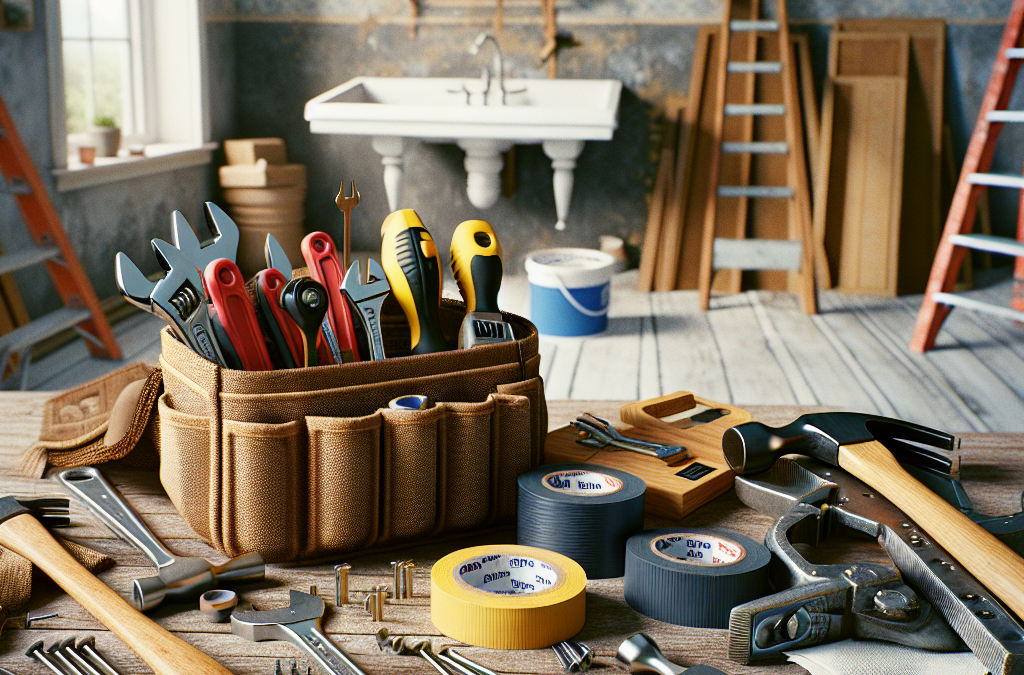
Finally, gather your tools—wrenches, screwdrivers, and replacement parts. Being equipped ahead of time can save you tons of headaches during an emergency!
Common Causes of Leaks
As I’ve gotten my hands dirty over the years, I’ve realized there are a few typical culprits behind leaky faucets. Most often, it’s just a worn-out washer or O-ring. These little pieces can wear down over time due to constant use. It’s pretty easy to switch them out once you’ve got the right parts!
Another thing you might find is mineral buildup. Especially if you live in an area with hard water, those pesky deposits can cause your faucet to act up. Regular cleaning and maintenance can really help keep this under control.
Not to forget, if the leak persists, there might be a more severe issue lurking under the surface, potentially requiring a plumber’s expertise. Don’t hesitate to call in the pros if you’re in over your head!
Step-by-Step Repair Process
Fixing a leaky faucet is often easier than you might think! Start by taking off the handle, which usually involves unscrewing a few screws. Once it’s off, you’ll be able to access the cartridge or the assembly inside. Make sure to take a picture of how it looked for reference.
Next, replace any worn washers or O-rings. This step might be as simple as unscrewing and putting new ones in place, but hey, easy mistakes can lead to bigger headaches. Pay attention to what you’re doing!
Once everything is back together, slowly turn your water supply back on and check for leaks. You’ll be surprised at how a tiny change can make a huge difference.
Fixing a Running Toilet
Identifying the Problem
Oh boy, a running toilet is probably one of the most common—and ignored—issues I come across. First things first, let’s identify the problem. Usually, it’s caused by a faulty flapper or an issue with the float mechanism. I had my fair share of “technical difficulties” before I learned to troubleshoot properly.
Check inside the tank and see if the flapper is seating correctly. If it’s old or warped, it’s time to swap it out. A little investment here can really keep your water bill in check!
Next, observe the float ball or float arm. If it’s stuck, the water will keep running. You can usually fix this by adjusting the height or replacing the entire assembly if needed.
Tools and Materials You’ll Need
Before you jump into the repair, gather your supplies. Flush these items through your checklist: a new flapper, adjustable wrench, and perhaps a screwdriver or two. I’ve tried it before without the right tools, and trust me, it’s not a good time!
While you’re at it, keep some cleaning gloves handy. Getting into the tank can be a bit messy, and it’s best to protect your hands. Plus, cleaning while you’re in there never hurts!
Also, don’t forget a towel or two for cleanup. Let’s face it, accidents happen—even to the pros!
A Simple Repair Guide
Once you have everything prepped, let’s get down to business! Start by turning off the water supply to the toilet, then flush to empty the tank. This step makes it far less messy.
Now, replace the flapper if it looks worn. Installing a new one is usually as simple as hooking it over the pegs on the flush valve. If everything looks good there, check the float mechanism. Make sure it moves up and down freely.
After that’s all set, just turn the water back on and check to see if everything functions properly. I can’t tell you how satisfying it feels to stop a running toilet!
Unclogging Drains
Recognizing Clogs
So, let’s talk about one of life’s biggest annoyances—clogged drains. I can’t tell you how many times I’ve faced this issue, especially in the kitchen after cooking up a storm. Understanding the signs of a clog is key; slow drainage or strange noises are usually the first indicators.
If you’ve noticed a gurgling sound when you run water, it often suggests that there’s a blockage somewhere. Also, if multiple sinks are backing up at once, it’s likely an issue with the main drain instead of just one sink.
Recognizing these signs early can save you a lot of fuss later on. Give your pipes a good visual check now and then—trust me, future you will thank you!
Tools for Unclogging
I’ve learned through trial and error that having the right tools for this job makes all the difference. A plunger is a must-have; it’s like the Swiss army knife for drain issues. A snake is also fantastic for deeper clogs. Having both at your disposal makes your DIY arsenal much stronger!
Additionally, you might want to stock up on some natural drain cleaners. I prefer using baking soda and vinegar because they’re effective and less harsh than chemical options. But, I’ll admit, there have been times I’ve had to pull out the big guns!
Lastly, have some old towels or rags on standby to clean up any spills or mess that may occur during the process. It’s better to be over-prepared than to get caught in an unexpected situation!
Clearing the Clog
Alright, let’s get to work clearing that clog! Start with the plunger—press down firmly to create a seal, and give it a good few pumps. You’d be surprised at how often this works, even on stubborn clogs!
If that doesn’t do the trick, it’s time to break out the snake. Insert it into the drain and twist while pushing forward. It’ll catch any hairs or gunk along the way. At this point, I’ve always found patience to be key—a few twists and pushes often yield the best results.
After you feel like you’ve done all the work, run some hot water down the drain to help wash everything free. In my experience, flushing the drain afterwards is often the best part of the whole process!
Sealing Drafty Windows
Identifying Drafts
Let’s not forget about those pesky drafts during winter. I can’t tell you how many times I’ve cranked up the heat only to feel cold air creeping in through the windows. The first step is to check where the drafts are coming from, and believe me, it can save you a ton on your heating bill!
Feel around the edges of your windows with your hands or use a lit candle to spot any errant drafts. If the flame flickers, you’ve got a culprit! Once you pinpoint the sources, you can focus your efforts on sealing them up.
Be thorough; even the tiniest gaps can cause a significant chill. I’ve had great success by doing a full inspection of all the windows, especially those that seem to be the oldest or most exposed to the elements.
Materials for Sealing
When it comes to sealing drafts, you’ve got options! Weather stripping is a great place to start. I usually opt for adhesive-backed foam tape as it’s super easy to use and surprisingly effective.
Then there’s caulk—my go-to for sealing gaps around the window frame. It’s like magic for keeping cold air out and warm air in. Keep in mind to get the right type of caulk for indoor or outdoor use!
Another idea is to use window film. This is a great temporary solution for when you need extra insulation. I’ve had plenty of success using it during the winter months.
Executing the Seal
The sealing process is relatively straightforward! Start with cleaning the window surfaces to remove any dust or old residue. You want the adhesive to stick well, right?
Next, apply your weather stripping around the edges, making sure to cut it to the right lengths. Don’t worry too much about being precise; it’s more about insulating that space!
For caulk, cut the tip of the tube, and apply it along the seams where the window meets the frame. Smooth it with your finger to ensure a solid seal. Once you’re finished, test for drafts again. You’ll be amazed by the difference!
Understanding Electrical Issues
Common Electrical Problems
Now, let’s dive into something a lot of folks dread—electrical issues. I get it; the thought of dealing with wires can be intimidating. But trust me, most common problems are pretty manageable! Flickering lights, tripped breakers, or dead outlets are signs that you might need to fix something.
Flickering lights can mean a loose bulb or a faulty fixture. If it’s a circuit breaker tripping, you might have an overload or a short circuit. Keeping an eye on these signs will help you avoid bigger, more dangerous problems in the long run.
Always remember: if you’re feeling uneasy, or if the issue requires more than your comfort level, don’t hesitate to bring in a good electrician!
Tools to Have on Hand
What I’ve learned over time is that having the right tools can make a potentially scary situation much easier. A multimeter is a must—I can’t tell you how many times that little device has saved me from guessing. It helps you measure voltage, current, and resistance.
I also recommend getting a good insulation tester and some safety glasses. A lot of electrical work can be messy, and the last thing you want is debris getting in your eyes.
Let’s not forget gloves, either. Ensuring you have proper personal protective equipment can’t be overemphasized!
Simple Repairs to Consider
When tackling minor electrical repairs, always start by turning off the power to the area you’re working on. Safety first, right? Once that’s done, unscrewing light fixtures or replacing outlets is usually as simple as matching colors to reconnect. Just be cautious and go slowly!
If you’re dealing with circuit breakers, resetting them is usually just a matter of flicking the switch back. If they keep tripping, it might be time to consult a professional to check for shorts or overloaded circuits.
In my experience, taking an afternoon to familiarize yourself with your electrical system and practicing some of these repairs can be incredibly empowering. You’ll gain confidence and maybe even a few new parties stories!
Conclusion
In conclusion, knowing how to handle these common home repairs can save you a lot of money and stress in emergencies. From leaky faucets to drafty windows, having some basic skills under your belt makes you much better equipped to tackle household issues. I hope that by sharing my experiences and knowledge, you’ll feel inspired to take on your own DIY challenges!
FAQs
1. Can I fix a leaky faucet myself?
Absolutely! Most leaky faucets can be repaired with some basic tools and a bit of knowledge on the type of faucet you have.
2. How do I know if my toilet is running due to a faulty flapper?
If you hear your toilet refilling frequently without you flushing it, or if you notice water trickling into the bowl, it’s likely the flapper needs replacing.
3. What should I do if I cannot unclog my drain?
If plunging and snaking don’t work, it may be time to call a plumber. They have specialized tools to handle tougher clogs.
4. Is window film effective for sealing drafts?
Yes! Window film can add an extra layer of insulation during colder months and is easy to apply.
5. When should I call a professional for electrical issues?
If you’re feeling uncertain or if the repairs involve complex wiring, it’s always best to call an electrician for safety reasons.

by Preparation | Jul 30, 2025 | Preparedness
1. Creating a Defensible Space
Understanding Defensible Space
Creating a defensible space around your property might sound a bit daunting, but it’s one of the most crucial steps you can take to protect your home from wildfires. Think of it as a buffer zone—this space provides a clear area where fire could be stopped before it reaches your home. This not only helps reduce the risk to your property but also makes it easier for firefighters to tackle the flames if they approach.
When I first learned about defensible spaces, I was surprised by how much detail went into it. It’s not just about clearing brush; it involves managing vegetation, maintaining landscape, and ensuring your property’s immediate surroundings are fire-resistant. That being said, it can be done in manageable steps!
Start by studying your property. Take a good look at the trees, shrubs, and grasses, and see if there are areas that could potentially act as fuel for a fire. Creating a defensible space means strategically trimming back branches, keeping grass trimmed, and removing dead plants—all the stuff that might catch fire easily.
Zones of Defensible Space
So, how do you actually build this defensible space? It’s based on three primary zones, each with specific tasks. The first zone is immediate around your home – usually within 30 feet. Here, keep the grass trimmed short and prune trees to avoid overhanging branches. I remember my first year here, and I got a little carried away, thinking a super green lawn would look nice—until I realized it was a fire hazard!
The second zone extends outwards from 30 to 100 feet, and in this area, you want to create a mix of vegetation that can slow down any fire. Use fire-resistant plants and create gaps between bushes. My personal trick here is to plant flowers that love a bit of heat! They can be beautiful and help fend off the flames.
Finally, the third zone, beyond 100 feet, should ideally be a natural area that remains undisturbed. You don’t want to completely strip the land, just maintain balance. Maintaining this natural area benefits wildlife, too, which I find rewarding.
Maintenance is Key
Once you’ve created your defensible space, don’t just forget about it! Regular maintenance is needed to keep this area effective. This can mean annual clean-ups, especially in the fall when leaves start to gather. Trust me, you don’t want to let that debris accumulate—it’s an open invitation for fire.
Try to schedule a time, perhaps monthly, to walk around your property and check in on your defensible space. It can be a bit of hard work but don’t forget to throw on your favorite playlist and make it fun! I often liven up my maintenance days with some good music.
Remember, a well-maintained defensible space is your first line of defense against wildfires. It’s one of those things you’ll be glad you prepared for if a wildfire does come your way.
2. Fire-Resistant Building Materials
Choosing the Right Materials
When it comes to building or renovating your property in a wildfire zone, paying attention to the materials you use can make a world of difference. Fire-resistant materials can significantly reduce the likelihood of your home catching fire from embers or direct flames. Trust me, I learned this the hard way while renovating my place!
Some of the best options for roofing include metal, tile, or concrete. Your walls can also be enhanced with materials like stucco or stone. I remember agonizing over which materials to use and finally realized that it’s an investment in peace of mind. I upgraded to a metal roof, and I can say, it really does look classy! Plus, I know it can stand up to wildfires much better than typical shingles.
Windows are another critical area to think about. Consider tempered glass windows, which are designed to resist heat and flames better than standard glass. I know they come with a higher price tag, but trust me, in the long run, it’s worth every penny knowing they offer extra protection.
Fencing and Decking
What about the exterior features of your home, like fences and decks? It can be easy to overlook these areas, but wooden structures can serve as a bridge for fire. I swapped out my wooden fence for a composite material that’s fire-resistant—it looks fantastic and I don’t have to worry as much.
Decks, too, need to be treated with care. Choose building materials labeled as fire-resistant or composite decking. I often host backyard get-togethers, and knowing my deck has that layer of safety gives me a whole lot of comfort while having fun with friends.
Regularly maintaining these structures is just as important. After heavy storms or winds, I check for any wear and tear that might have occurred. Staying proactive helps ensure your fire-resistant features stay effective!
Fire-Safe Landscaping
When planning your landscaping, this is another opportunity to think fire-safe! The plants you choose can either help or hinder your fire safety strategy. Fire-resistant landscaping denotes selecting plants that have a low oil content and won’t ignite easily—think succulents, perennials, and those beautiful flowering plants I just adore!
Also, layout is critical. Keeping plants spaced out can help to keep flames from jumping. I put a lot of thought into how I arranged my flower beds, and you can mix creativity with safety. Use decorative gravel around plants—it looks great and creates another barrier against fire.
Believe me, you can have a lovely yard and still be fire-smart. I find that embracing fire-safe landscaping can be both enjoyable and rewarding. Plus, it’s a conversation starter for folks passing by!
3. Emergency Preparedness Plans
Creating an Evacuation Plan
Alright, moving on, we need to talk about emergency preparedness. Living in wildfire-prone areas means being ready ahead of time. One of the first steps in my planning was creating an evacuation plan. I sat down, looked over the exits, and made sure my family knew exactly what to do if the sirens started blaring!
Don’t just make the plan—practice it! I encourage you to conduct regular drills. In my case, we made a fun family evening out of it, and it helped us all feel more comfortable with the process. It kind of turned into a game, and everyone gets to learn roles and responsibilities.
Ensure everyone knows where to meet after an evacuation too. Having a designated meeting point gives us all peace of mind, knowing we can connect with each other afterward. What might seem like a tedious task is invaluable when an emergency occurs.
Emergency Kits
Every good evacuation plan needs a solid emergency kit. I can’t stress enough how important it is to have one ready to go. I always keep one in the house and another in the car just in case life throws a curveball!
In my kits, I have essentials like water, non-perishable food, first aid supplies, and any medication we might need. I also added a copy of important documents and maps of the area. When I made my emergency kits, it felt good to know I was taking a step to look out for my family—and it was honestly quite easy to put together while also being proactive!
And, of course, don’t forget about your pets! Make sure you have supplies for them as well. I can’t imagine leaving behind my furry companions. They are, after all, part of the family!
Staying Informed
Staying informed about wildfire risks in your area is super vital. I recommend signing up for local alerts or using smartphone apps that notify you about emergency situations. Seriously, this is your lifeline when it comes to timely information.
As a habit, I monitor weather reports during high-risk seasons. It’s amazing how much detailed information is out there, and staying informed makes it easier to remain calm and collected. It helps me feel more in control of the situation, and I can make better decisions too.
Involving friends and neighbors in your emergency preparedness discussions can also create a strong support network. Share tips, ideas, or even avenues for sharing resources—together, we can be better prepared!
4. Community Engagement and Support
Building a Neighbourhood Network
One of the best pieces of advice I can share is to get to know your neighbors. Building relationships can create a safety net where everyone looks out for each other. I started hosting small get-togethers during the summer, which was an awesome way to bond!
During these gatherings, we exchanged contact information, which allows us to check in with each other during wildfire alert seasons. It doesn’t need to be anything fancy—a good old-fashioned potluck works wonders to help strengthen community ties.
In times of crisis, it’s often those closest to you, your neighbors, who can provide immediate assistance. You’d be surprised at how many people in my neighborhood jumped in to help when one of us had to evacuate unexpectedly!
Volunteer Programs
Don’t underestimate the power of getting involved in volunteer programs focused on wildfire prevention and awareness. Engaging with these programs not only helps build community but also spreads vital knowledge. I’ve volunteered with local fire departments, and it’s been a rewarding experience.
Participating in clean-up days or educational workshops about fire safety can create lasting change. Plus, you meet similarly-minded folks who care about the same issues, which builds camaraderie!
It’s incredible how much knowledge you’ll gain and how many resources you’ll have access to. It’s like having a hidden network of wildfire wisdom right at your fingertips.
Support Local Fire Departments
Support your local fire department however you can. They’re often the first responders when disasters occur. I like to donate or participate in fundraising events. Getting to know your local firefighters not only helps support their efforts; it fosters relationships that can be valuable in times of crisis. Plus, they’re often a wealth of knowledge when it comes to fire safety!
Engaging in community support also means advocating for funding and resources for your local fire department. When communities come together, we can create environments where our first responders have everything they need to keep us safe.
Also, consider attending community safety meetings or training sessions. It’s a bonus if you’re already buddies with the firefighters; learning their tips and tricks can make a real difference in how prepared you feel as the summer gets hotter.
5. Insurance and Recovery Plans
Choosing the Right Insurance
Let’s talk about something that might not be the most thrilling topic but is nonetheless super important—insurance! If you live in a wildfire zone, your insurance policy should reflect that reality. I initially overlooked this until I learned that I had to be very specific about wildfire coverage!
While shopping for insurance, it’s important to ask the right questions. Be sure to discuss the intricacies of your policy with your agent so you know what’s covered in the event of fire damage. Getting this clear understanding can provide peace of mind knowing your hard work won’t go down in flames without support.
.I highly suggest documenting the valuable items in your home as well—photos, receipts, whatever it takes. It may seem tedious, but if something happens, you’ll be thankful you took the time to gather this info!
Having a Recovery Plan
Insurance isn’t everything; having a recovery plan is essential too. Beyond just how to handle the aftermath, it’s about knowing how you’ll rebuild and restore your life once a wildfire passes through. I never thought I’d need to consider this until I started gathering resources!
Create a list of contacts—contractors, suppliers, and local resources to help you bounce back if needed. Research who can meet your needs if a crisis occurs. It may feel a bit overwhelming, but again, take it one step at a time. And don’t forget to add in emotional support resources; rebuilding isn’t just physical.
Taking into account the emotional toll after a wildfire is equally important. It’s a significant life change, and having access to support systems will help tremendously in recovery. I found solace in community support groups aiming to rebuild safely and sustainably.
Tips for Financial Recovery
Once you’ve sorted through the chaos, getting your financial recovery plan on track is crucial. Familiarize yourself with local relief programs that can assist with rebuilding expenses. Knowledge is power, after all!
Also, it’s helpful to speak to a financial advisor who understands the journey specific to disaster recovery, particularly for wildfires. They can steer you in the right direction and help establish financial strategies to recover effectively.
Finally, remember to take it slow. Recovery takes time—both physically and mentally. Celebrate small victories along the way because they add up in the long run, turning the dream of recovery into a reality.
FAQs
1. What is a Defensible Space?
A defensible space is a buffer zone created around your property to reduce fire risk. This zone helps slow down potential flames and allows firefighters better access to defend your home during a wildfire.
2. How can I prepare my home for wildfires?
You can prepare by using fire-resistant building materials, creating a defensible space, and regularly maintaining your property. It’s essential to stay informed and create a solid evacuation plan as well.
3. What should I include in my emergency kit?
Your emergency kit should contain essentials like water, food, first aid supplies, important documents, and any necessary medication. Don’t forget supplies for pets if you have them!
4. How can I support my community’s fire prevention efforts?
You can support community efforts by engaging in volunteer programs, attending local meetings, and working closely with your local fire department. Advocate for resources and funding to boost local firefighting capabilities.
5. What should I do if I’ve lost everything in a wildfire?
First, take a deep breath and allow yourself time to process the loss. Reach out to local relief efforts, connect with insurance representatives, and consider support groups that can aid both emotional and physical recovery. Remember, it’s okay to seek help!




