In this article, we share helpful information about the Purposes of Hydroponics Greenhouses.
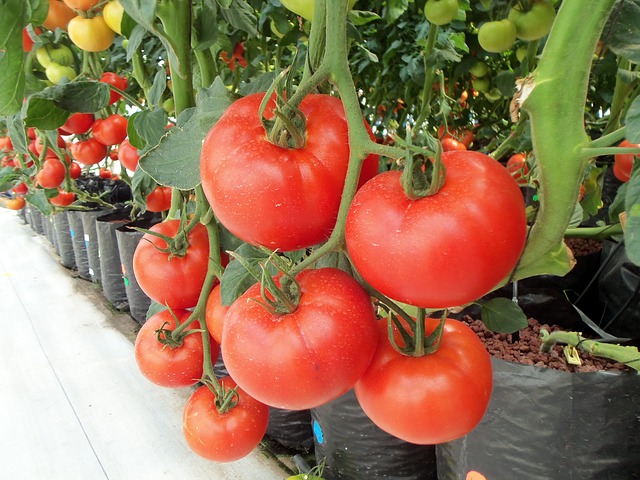
Hydroponic greenhouses provide an inorganic method of raising plants. Most plants that are hydroponically raised must be treated with proper care in controlled conditions. The use of gravel is common on this kind of greenhouses where the gravel supports the roots of the plants because no soil is used in raising the plants. It also balances the assorted nutrients that feed the plants in the form of liquid.
Those large commercially oriented greenhouse have automated ways to refine and propagate seeds. All the things needed to grow the seeds are all set with automated care and maintenance. There are sensitive sensors on the gravel that automatically turns on the pumps that contains water or other chemical solutions that are applied on the seeds.
Using hydroponic greenhouses gives a gardener the advantage of increasing the crop amount yielded in a single harvest. In normal agriculture, he may only produce the regular crop harvest. He may double or triple the crop production by applying the methods in hydroponic gardening. It should create big success in his greenhouse by using chemical fertilizers rather than the usual potting soil or organic fertilizers.
Steve Fox of New Mexico proposes that greenhouse gardeners should increase the production of yielded crop by extensively practicing the use of inorganic chemical fertilizers. He may also avoid poisoning the soil from organic chemical fertilizers that kills the living microorganisms that are essential in the natural growth of the plants. He says that these chemicals should be used only on controlled conditions by special hydroponic greenhouses where the destruction of the gravel beds will be avoided which are important in the for the root support of the hydroponically raised plants.
A person may wonder how the food he eats comes from hydroponic greenhouses knowing that this method used chemical inorganic fertilizer. This could bother a person’s mindset on the food that he eats. Many nutritionists have proven that these vegetables or fruits that came from hydroponic greenhouses are safe and nutritious because plants only absorb the fertilizer in an organic state.
Daniel Arnon, a physiologist professor from the University of California have stated that the plant nutrients acquired from organic composts are applied to plants when they are converted into inorganic state because of the role of the microorganisms to fertilize the soil. Many food scientists have studied and proved that all fertilizer elements should be converted first into soluble form before the roots of the plant use it.
The widely used chemical fertilizers have oriented many greenhouses to feed the crops and not the soil. This may result to the death of the soil because of the break down of the organic composition. When it comes to fertilizing the soil, it is important to remember the proper organic steps to feed the soil so that it will produce sufficient inorganic fertilizer needed to produce more nutrients in it. This points out that organic gardening may not necessarily produce the needed nutrients, where in organic fertilizer must be formed first to supply the nutrients in the organic form.
When a person applies raw chemical fertilizers on the soil, he may affect the soil condition. Microorganisms that may have been living in the soil would surely die because of these artificial fertilizers. The soil can no longer grow any plants unless the continuous use of chemical fertilizers is applied.
Hydroponic gardening may not need the services of the soil. The plants are fed through exact nutrient dosages to increase their production and for faster growth. Business minded persons are interested on this kind of method. On the other hand, the world today cannot anymore accommodate the growing demand for food because of the unstoppable growth of the world’s population that is why chemicals are now widely used on many crops to satisfy with the increasing demand for food supply.
Many experts realize that the use of chemical solutions in crops is bad for the environment. Most of these chemical solutions are made from petroleum products that should give a person the conclusion that these products are pollutants. However, the present times dictate the need to accept this reality because of the need to supply the farmers with the needed chemical solutions to produce and harvest more crops to sustain the production of food.
Disaster preparedness is a crucial aspect of ensuring the safety and well-being of individuals, families, communities, and even nations. It involves taking proactive measures to prepare for natural disasters such as hurricanes, tornadoes, earthquakes, floods, wildfires, and other emergencies that may occur unexpectedly. By being ready for these events, you can minimize damage, injury, and loss of life.
Importance of Being Ready for Natural Disasters
Being prepared for natural disasters is critical because it helps reduce stress levels during an emergency situation. Having essential supplies on hand allows people to focus on their immediate needs rather than worry about where they will find food or water. Additionally, having a plan in place can help save lives by reducing panic and confusion. In some cases, being prepared also means knowing when to evacuate and how to stay safe while doing so.
Essential Supplies and Equipment Needed in a Emergency Kit
A comprehensive emergency kit should include items like nonperishable food, water, first aid supplies, flashlights with extra batteries, blankets, clothing, and footwear. Other important items to consider adding to your kit are tools like a crowbar or hammer for breaking windows or doors, duct tape, plastic sheeting, and garbage bags for sealing leaks or creating makeshift shelter. Don’t forget to include important documents like insurance policies, IDs, and medical records in a watertight container.
Tips on How to Stay Safe During A Natural Disaster
Stay informed – Keep up with weather reports and local news channels to stay updated on any potential threats.
Have a plan – Develop a family emergency plan that includes escape routes, meeting places, and communication strategies. Practice this plan regularly.
Create a survival kit – Follow the guidelines mentioned earlier to create a comprehensive emergency kit.
Stay indoors – If advised to do so by authorities, remain inside until the all clear signal has been given.
Do not drive unless absolutely necessary – Roads may be impassible due to debris or flooding making driving dangerous.
Remain calm – Panicking can lead to poor decision-making which could put yourself and others at risk.
Surviving in any outdoor situation means that you have to have the gadgets that can help you. While there are many tools available that offer to help ensure survival, there are five top gadgets that no one should be without.
These are all items that contribute to your safety and need for food, water and shelter. These are gadgets that will make your experience in survival mode easier.
A solar powered charger for your cell phone and radio will help ensure that you can call for help if you need to. There are gadgets available that are a 3 in 1. This means you can charge your cell phone, have a radio and a flashlight all contained one easy to carry gadget.
Portable solar cookers are great gadgets to have. They set up anywhere and provide a method for you to cook on and boil water for clean supplies in an instant. You can use this at home too when the power’s gone out.
A good UV water purification tool – which looks like a wand and purifies your water in just under a minute – can help you achieve safe drinking water in a flash. No more pills to buy, just let these gadgets do their work.
A flint and knife bracelet is the perfect pairing for survival experts. It’s a little corded bracelet that fits around your wrist and gives you immediate access to a fire starter and a sharp knife right away.
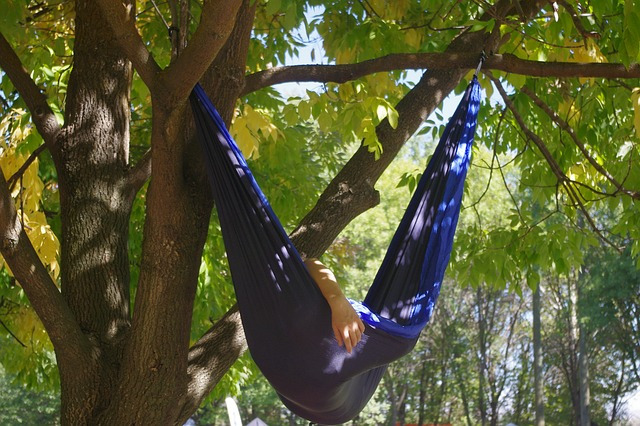
A tent hammock is another gadget that’s perfect for survivalists to own. Not only do you get protection from outside intruders like mosquitoes, but you’re lifted off the ground to protect you from water or land animals.
There are so many survival gadgets being created to help people get prepared. There are containers that create power from any form of liquid, clothes that repel bugs just based on the materials they’re made from, and solar backpacks that have a solar panel soaking up the sun while you trek around so that you can use the energy it absorbs later.
You always want to make sure that all of your basic needs are met and prepared for before you begin investing in cool gadgets. It’s much better to have a 6-month supply of MREs for the family than to own the latest bug out gear.
But once you have the necessities met, it’s perfectly fine to begin upgrading your efforts with items that contribute to your convenience. Having to be in survival mode is hard enough – so anything that makes the experience less traumatic will help you get through it.
Disaster preparedness is crucial for ensuring the safety of individuals during natural disasters. Whether it’s a hurricane, tornado, earthquake or wildfire, being equipped with knowledge about how to stay safe can make all the difference in surviving these events. Here are some tips and tricks you need to know:
Introduction to Disaster Preparedness
Before any emergency situation arises, it’s essential to have an emergency plan in place. This includes identifying potential risks that may affect your area such as floods, fires, etc., creating an evacuation route, storing necessary supplies like food, water, first aid kits, flashlights, batteries, cash, important documents, and having communication tools available. It also involves educating yourself on what actions to take before, during, and after a disaster strikes.
Importance of Emergency Supplies and Plans
Having access to adequate resources can mean the difference between life and death during a disastrous event. Make sure you have enough non-perishable food, clean drinking water, blankets, clothing, and shelter materials to last at least 72 hours. Additionally, consider investing in portable generators, solar panels, and other alternative power sources to keep lights, phones, and computers running. Don’t forget to store extra medications, pet food, and any special equipment needed by family members with disabilities or medical conditions.
Staying Safe During a Natural Disaster
When a natural disaster hits, there are certain steps you should take to ensure your safety. Firstly, listen to local news reports and follow instructions from authorities. Stay indoors if possible and avoid using electrical appliances or devices that could cause sparks. Keep windows closed and cover vents to prevent exposure to hazardous airborne particles. If you must go outside, wear protective gear including masks, gloves, and eyewear. Avoid walking through standing water which could be contaminated with chemicals or debris.
Recovering After the Storm
After the storm has passed, it’s vital to assess the damage and take appropriate action. Check for injuries and provide first aid when necessary. Contact utility companies to report damages and request assistance. Take photos of the damage for insurance purposes. Finally, begin the process of rebuilding and restoring normalcy to your daily routine while keeping in mind the importance of continuously updating your emergency plans and supplies.
In conclusion, disaster preparedness is critical for safeguarding against the devastating effects of natural disasters. By following these tips and tricks, you can increase your chances of survival and recovery during these trying times.
In preparedness it is important to know how you will create and resupply your food. Growing food is important, but for some people it is not a great solution. To help with your preparedness, we want to share some information on Learning to Fish For Preparedness
If you are new to the sport of fishing, you need to know some of the basic rules of fishing. Like other forms of hunting, fishing involves both your environment and those around you. Be respectful of both. You can responsibly enjoy this treasured pastime in several ways.
Fishing is an ancient practice. It dates back nearly 10,000 years. A number of various techniques and traditions have been used during fishing’s progression. Modern technological developments have changed the way people fish, but many of the same rules, regulations, and social norms involving fishing remain.
Always practice good stewardship of our waterways when you are fishing. Remember that these waterways were around thousands of years before you and will remain long after we are gone. You can make a conscious decision to leave the areas in which people fish in better condition than when you found it. Take care of our lakes, rivers, and other waterways so that others will enjoy these areas for years to come. Practicing certain behaviors will ensure that you are taking good care of the places where people fish.
Never litter when you are fishing. Always bring a trash bag or other receptacle to use for the collection of your trash. You can easily deposit it in a nearby trash receptacle. Dump your refuse in properly assigned dumping stations instead of tossing it in the water. You do not need to spend much time figuring out the many ways in which this hurts the environment.
As you fish, always use the correct type of bait and fishing gear. Certain areas allow for certain bait and gear. You will also encounter limits on the number, size, and kind of fish that you can keep. Become familiar with what these limits are and pay attention to them. Do not wait until you are at your fishing spot to search for what is allowed and what is not. Check with your destination before you head out on your fishing trip to see what the local regulations allow. If you plan on using a boat while fishing, research to see what kinds of watercraft are allowed where you are going to fish.
Every fishing location is different, so pay special attention to local procedures and cautions. This also applies when you decide to clean your boat after you leave the water. You do not want to spread non-native species to another body of water.
Finally, never fish where it is not permitted. There is always a reason why it is illegal. Some reasons include the protection of certain wildlife, the proper care of vegetation, and the safety of you and others who want to fish.
You should also follow a number of cautionary behaviors to ensure your safety. As with all forms of hunting, safety is first. If you will be using a boat while you fish, always wear your life jacket. Make sure that your passengers wear their life jackets, as well.
Be very careful when baiting and removing hooks. Make sure that you never fish on unauthorized waterways. Follow the posted speed limits and wake warnings that accompany the use of a boat. Bring with you all relevant safety items, such as water, flashlights, maps, and a cell phone.
Fishing continues to be a favorite pastime. 2001 saw nearly 16% of the U.S. population over the age of 16 spend 16 days fishing. You enjoy the sport of fishing, so follow the rules that allow for the continuation of fishing. Be responsible and courteous of others and your environment. Take time to discover how you can be both a better and safer angler.
The significance as well as need of water for maintaining life can never be over-stated. In lots of components of the globe, water is often taken for approved since it is easily obtainable in our residences and on our farms. We just transform a faucet and also this invaluable life-giving source circulations.
Clearly, water is necessary for our personal consumption and health, however it is likewise crucial for our food supply – expanding our crops as well as tending our livestock. Simply specified, if we are to survive we should carefully conserve as well as maintain our water.
https://youtu.be/zw7hlEmNyKo
Even though we are just now heading into Winter in the US, Springtime will certainly be right here and also for a number of us our thoughts will certainly be on planting and growing our garden. Despite the snow, rain as well as bitter cool much of us will withstand over the coming weeks we begin expecting the planting season and how to correctly get ready for the growing season.
With numerous areas out west in the USA encountering a serious water scarcity, gardening might not be on top of everybody’s priority listing. Just recently, as an example, more than 37 million citizens in California were asked to limit their water utilize as a result of a four-year historical dry spell. As well as it’s not simply The golden state. Wide swaths of the western as well as well as southwestern USA are experiencing some degree of drought and also water over-use.
It is a growing need that we look at means to better use our natural resources – particularly water. As we look at a broadening population and also possible climate adjustments, we must be checking out methods to teach people how to grow yards that make use of restricted resources and also still create healthy and balanced crops as well as boost yields.
Right here are a couple of ideas to think about:
A wicking bed is a kind of garden that is good for growing in city environments. It can be developed atop garbage, and also is developed to utilize minimal water. Have a look at this video clip …
Line the bottom of a pallet box with a sheet of contractor’s plastic. Lay an item of agricultural pipe, the length of package, in addition to the plastic. Connect a standing PVC pipe to one end of the pipe. You’ll pour water right into the opening of the PVC every two weeks, basically utilizing 75 percent less water than a common water hose method.
Cut a small water drainage hole along among the sides of package. Put small overflow pipe. Fill the box concerning two-thirds of the means with crushed rock. Lay down a piece of cloth in addition to smashed products. Cover the burlap with two feet of dust. Plant seeds, view them grow.
Keyhole horticulture was created in Africa where dirt is often poor quality. The yard is relatively easy to develop, as well as nurtures a sufficient harvest with little waste.
Develop a rock wall circle regarding six-feet in size and three feet tall, producing a notch to access the facility. Utilizing sticks or metal wire, create a tower in the facility of the circle. Line the inside of the circle wall with cardboard. Fill the area surrounding the tower with garden compost, paper, as well as two inches of dust.
Load the tower with cooking area scraps (fruits, veggies). Water the tower and surrounding area sparingly. Remain to load the center tower with kitchen scraps, yard clippings, etc. At some point, the nutrients from the garden compost will certainly filtrate into the dust, breaking down papers as well as turning the dust into excellent quality. The seeds from scraps will spread as well as grow.
Lay newspapers and cardboard over existing grass, covering the area completely. This step will kill the grass by depriving it of sunlight. Throw down compost– lawn cuttings, leaves, woodchips– on top of the covered location to keep newspaper as well as cardboard from surprising. Wait regarding a month for yard to fully die and also for dirt to take in paper.
What you’re entrusted to is compost as well as dust, abundant in nutrients. That indicates your plants will certainly grow faster. Using your hands, dig a hole into the dust, plant seeds and await crops to expand.
Growing your very own food can be equipping. Locating the best means to develop your yard making use of marginal resources with best yield, is particularly rewarding. We urge you to look for means to save water while doing so. The value of water as well as managing a growing scarcity is critical to our survival.

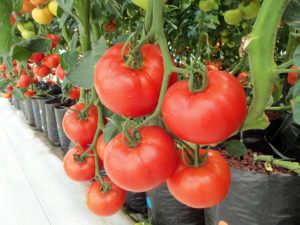 Hydroponic greenhouses provide an inorganic method of raising plants. Most plants that are hydroponically raised must be treated with proper care in controlled conditions. The use of gravel is common on this kind of greenhouses where the gravel supports the roots of the plants because no soil is used in raising the plants. It also balances the assorted nutrients that feed the plants in the form of liquid.