by Preparation | Apr 9, 2025 | Preparation Call, Preparation Guide, Preparation Supplies
Human beings have a strong will to survive, but that will can easily get beaten down when faced with overwhelming situations. A situation is only overwhelming when there’s a lack of knowledge or skill. When you know what do to because you’ve already planned ahead of time, you can act on instinct rather than react in a panic.
Fire drills are practiced in schools (and should be in your home, too) so that everyone will know what he or she is supposed to do. When you perform a task often enough, you can do it automatically without thinking about it when an emergency hits.
Test yourself by conducting drills by going camping on the weekends and only bring your survival bag. Camp in inclement weather so you’ll be prepared to handle that, but remember to let someone know the area where you’re going to go camping.
Practice often so you’ll know what to do in the event of weather disasters, health emergencies and threats to your safety. Practice using the first aid kit, treating a wound, an unconscious person, practice setting a broken bone, treating a burn, etc. Practice what to do if you’re unable to call for help and you’re wounded.
It’s important because the best way to survive is to practice what you’re going to do in any worst case scenario. You might not live in an area prone to tornadoes, but that doesn’t mean one won’t happen-be prepared for the unexpected.
Get a FREE Subscription to PREPARE
Number one, prepare yourself mentally. If you allow the situation to overwhelm you or to make you fall into the trap of self-pity, your survival odds drop. The first step to take is to assess your situation and realize that you need three things – shelter, food and water. Of the three, find shelter first, a water supply second and food last.
Of course, practice is easy when you’re already prepared for survival. You should have a stockpile of food and necessities already gathered in your emergency pantry for your survival.
You should have staples in large quantities. Have water jugs filled and ready in your emergency pantry. Besides food, have batteries, flashlights and a camp stove put back as well.
But you should also get survival guides and study those so that you’ll know what to do if you have to get your food source from the land. For example, some people advocate eating plants, but certain plants will not only upset your stomach, they’ll kill you. What you want to do is to hope the worst case scenario never takes place – but you want to be prepared for it if it does.
by Preparation | Apr 9, 2025 | Preparation Call, Preparedness
Are we called to be Prepared?
It is an important question to ask ourselves: do we need to be prepared? The answer is a resounding yes. Being ready for whatever life throws our way is essential in order to survive and succeed. Taking proactive steps to ensure that we are equipped to handle any situation is a must. This means being aware of our surroundings, having a plan in place, and having the skills and resources needed to make it through difficult times. Preparation is a key component to success, and it’s something that we all must take seriously.
I believe the best way to prepare for the future is to understand the present. We must keep a close eye on the current economic and political climate, so we can make necessary adjustments to our plans. Instead of dwelling on the potential disasters that might come, we should focus on what we can do now to ensure a better tomorrow. This means taking steps to build our own resilience, learning new skills, and creating meaningful connections in our communities. With the right preparation, we can create a future of opportunity and hope.
In my own live, I desire to live in Faith that God has my future in His hands. That does not mean I simply ignore the circumstances I face, but I live a life with hope that my future is secure.
I’m an optimist who believes that despite the challenges and difficulties we may encounter, we can still find a way to make things better and show an example of living without fear. Despite my optimism, I understand that some people may be resistant to taking action and I am concerned about how this will affect them.
I strongly believe that living with a positive outlook can have a huge influence on an individual’s life, however, I am not certain if it can change the course of a war or stop a natural calamity. Certainly, individuals can have a powerful influence on the direction of history, and if enough people come together, they have the potential to create significant change.
At this moment, it’s difficult to be optimistic about the decisions so many people have taken collectively and the effects that this has had on the world. I often wish we could have another chance to make amends or improve on situations that could clearly have been better planned. It’s unclear if we can change the consequences of what was already predicted in the past. Nobody can know the future and no one can accurately predict what’s going to happen. Nevertheless, we can ask for guidance and be prepared to face any problems that may arise in the future.
Being prepared means working and planning to be ready for situations that life throws at you. It involves having a plan in place for any potential emergency situation. It means having the necessary supplies like food, water, and medical supplies on hand just in case the unexpected happens. It also means staying educated on safety protocols and staying mindful of your surroundings. Being prepared means having a little bit of faith that you can handle anything that comes your way.
Being proactive about the future is important, especially when there are signs of a storm coming. Taking proactive steps to get everything in order before the storm is essential. Don’t forget to consider your family and make plans for them as well, since they may not be as prepared.
In the upcoming period, we will provide extra knowledge about being prepared. We will debate the probable inflationary dilemma and multiple wars that we may face and how it will have an effect on our lives. Most of all, keep your minds positive with trust, expectation, and affection.
by Preparation | Apr 9, 2025 | Preparation Call, Preparation Guide, Preparation Supplies
 If you are in preparedness, here are survival supplies you should be storing long-term.
Surviving long-term after a disaster will depend on how well you prepared before the disaster struck. You need to gather what you need to survive right now. You can store the items in a cool, dry place and have it on hand for when it’s needed.
There are four important things you have to remember when preparing for long-term survival. Those four things are: the need for shelter to be safe from the elements, first aid, food and water and the ability to protect yourself from people or animals that would attempt to harm you.
Long-term supplies to set aside for safety from the elements should be tents for each member of the family if you’re going to use single man tents, sleeping bags, thermal blankets and ponchos.
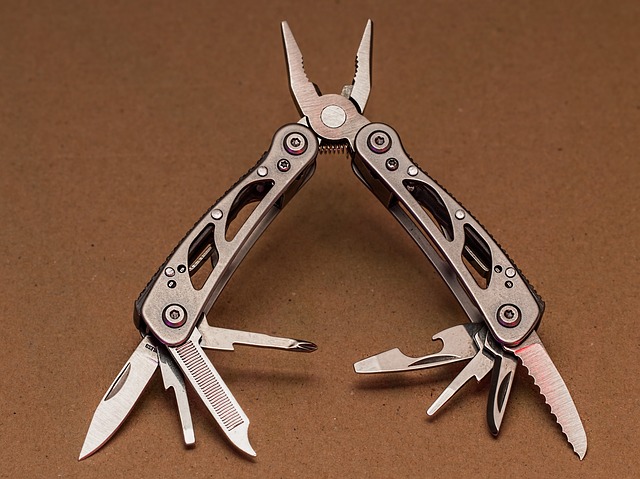
Safety from the elements also includes the ability to keep warm if necessary. You’ll need an axe for cutting wood for fires, a way to start a fire – such as waterproof matches or a lighter, gloves and a multi tool.
Get a FREE Subscription to PREPARE Magazine
For first aid survival, you’ll need a first aid kit that includes insect repellent, personal hygiene items and field dressings. You’ll need tweezers, scissors and a surgical kit. You may not know how to close a large wound, but in case you have to save a life, you should know this information. You can keep a how-to guide on hand with your supplies. Make sure you have supplies that will treat teeth or eye problems too.
You should be able to protect yourself and your family from harm. Some people choose to arm themselves with guns and ammunition. If you choose to do that, make sure you store the ammunition in a waterproof box.
In the event that long-term survival is needed, your food supply should already be on hand. You’ll want foods that can store for years without the possibility of spoil. Start with your basic foods – like sugar, coffee, powered milk and staples like flour and salt.
Foods that will keep stored for many years are peanut butter, beans and rice. Canned foods are an excellent choice to have on hand as long as you have a handheld can opener. An electric one won’t do you much good if the power is out!
Store up canned foods like chili, fruits, soups and meats like tuna, salmon, and chicken. Trail mix, beef jerky and powdered juices can all be safely stored for years. If you prepare now, you can make homemade canned items like fruits and vegetables that can last until they’re needed.
When you’re storing foods that are in packages, you’ll need to put those down into a container to keep them safe from insects or mice. You can buy bulk supplies of MREs (meals ready to eat) that can feed an entire family for a year or longer.
Have communication sources like a cell phone and a battery operated CB radio. You’ll want to get LED flashlights and lanterns, waterproof bags for clothing and you’ll want to have a way to clean your clothes. Store a laundry board and a five gallon bucket with some laundry soap and bleach.
Because stress can build quickly in a long-term survival event, store games and other stress busters with your supplies, especially if you have children.
by Preparation | Apr 9, 2025 | Preparation Call, Preparedness
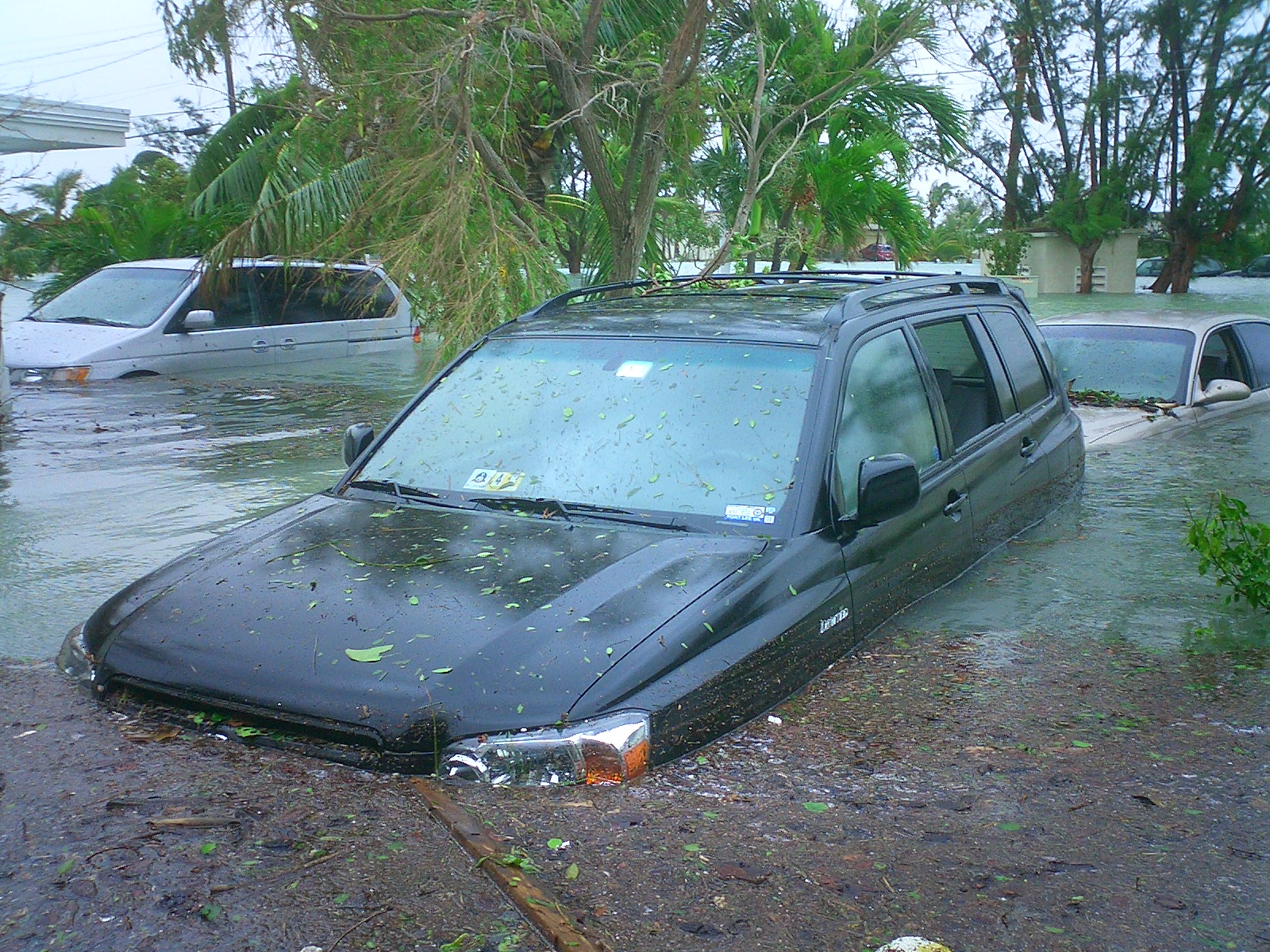
In times of crisis, being prepared is crucial for the safety and survival of individuals and communities. This article delves into the essential needs for preparedness and how to ensure you’re ready for any emergency situation.
Introduction on Why Should You Prepare
Disasters can strike at any moment, leaving individuals and communities in chaos and disarray. Whether it’s a natural disaster, a terrorist attack, or a pandemic, being prepared is key to ensuring safety and survival in times of crisis. In this article, we will explore the essential needs for preparedness and how to ensure you’re ready for any emergency situation.
Water is Essential in Preparedness
One of the most basic and essential needs for preparedness is access to clean water. In the event of a disaster, the water supply might be contaminated or disrupted, making it impossible to obtain safe drinking water. It’s recommended that individuals have at least one gallon of water per person per day for drinking and sanitation purposes. Having a reliable water filtration system, water purification tablets, or access to natural sources of water such as springs or lakes can also be helpful.
Be Sure to Store Food for Emergencies
 Another essential need for preparedness is food. In times of crisis, food might be scarce or difficult to obtain. It’s important to have a supply of non-perishable food items that can sustain individuals for at least a few weeks. Canned goods, dried fruits and vegetables, and protein bars are good options. It’s also important to consider dietary restrictions and allergies when preparing food supplies.
First Aid
Accidents and injuries can occur at any time, but in a disaster situation, access to medical care might be limited or non-existent. A basic first-aid kit is an essential component of preparedness. It should include items such as bandages, gauze, antiseptic, pain relievers, and any necessary prescription medications. Knowing basic first aid techniques can also be helpful in emergency situations.
Communication
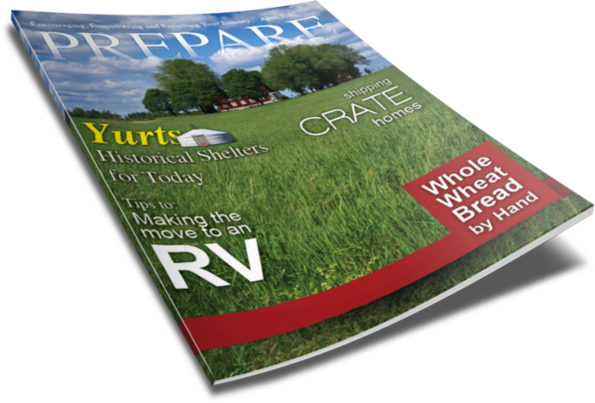
PREPARE Magazine
In a disaster situation, communication can be a lifeline. It’s essential to have a way to communicate with loved ones, emergency services, and other individuals in the community. A battery-operated or hand-crank radio can provide up-to-date information on the situation and any emergency alerts. Also, having a charged cell phone or a backup way to charge devices is important.
Shelter and Clothing
In a disaster situation, access to shelter and clothing can become a critical need. It’s important to have a plan in place for where to go in the event that you need to evacuate your home. Having a go-bag or bug-out bag with essential clothing items such as warm blankets and extra clothing can help in a crisis situation.
Tools and Supplies
Having the necessary tools and supplies can help individuals be self-sufficient in an emergency situation. Having a reliable flashlight, batteries, a multi-tool or small hand-held tools, and duct tape can be essential for basic repairs and maintenance. It’s also important to have a supply of basic hygiene items such as soap, toothbrushes, and toilet paper.
Final Thoughts on Preparedness Needs
Being prepared for a disaster situation is crucial for the safety and survival of individuals and communities. The essential needs for preparedness include access to clean water, food, first aid, communication, shelter and clothing, and tools and supplies. By being prepared and having a plan in place, individuals can increase their chances of survival and recovery in a disaster situation.
by Preparation | Apr 9, 2025 | Preparation Call, Preparation Supplies
Sometimes it may become necessary for you to tighten-up and live frugally. Living on a Survival Diet in a Pinch may become an urgency.
 In the cities and towns of most states, there are dozens or more supermarkets. Fast food places are in abundance so there’s a never-ending variety of food choices. With all of these food choices, you might find it surprising to learn you can actually live and thrive on only a handful of different foods.
Not only can you thrive on fewer food choices, but your body will be able to get the nutrients it needs to be healthy even on less. Why is this important new? Because in the event of a natural catastrophe or a government economic meltdown, you’ll have to be prepared to survive.
When you have no access to supermarkets or other places that sell food, all you can count on are the food supplies that you can take in your backpack or the food that you get from living off the land.
Your body needs protein, fats and carbohydrates. Since a backpack can’t hold all of the food you need for a long-term survival situation, you have to be prepared. Your body has to have the bare necessities in order to live.
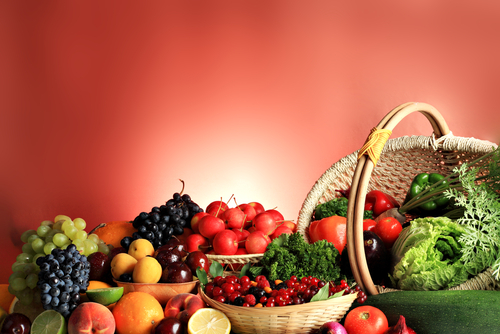
Some of these bare necessities are known as superfoods. They not only give the body great nutrients – such as iron and calcium – but they can be dried for longer periods of storage time, too.
You want to make sure that your body has what it needs to stay healthy, so you’ll want foods that contain vitamins and fiber. You’ll also want foods that are loaded with antioxidants, too.
Potassium foods are good for the body – as are foods that can lower your cholesterol. Foods from sea and natural waters can help provide the nutrients your body needs as well.
Get a FREE subscription to PREPARE Magazine
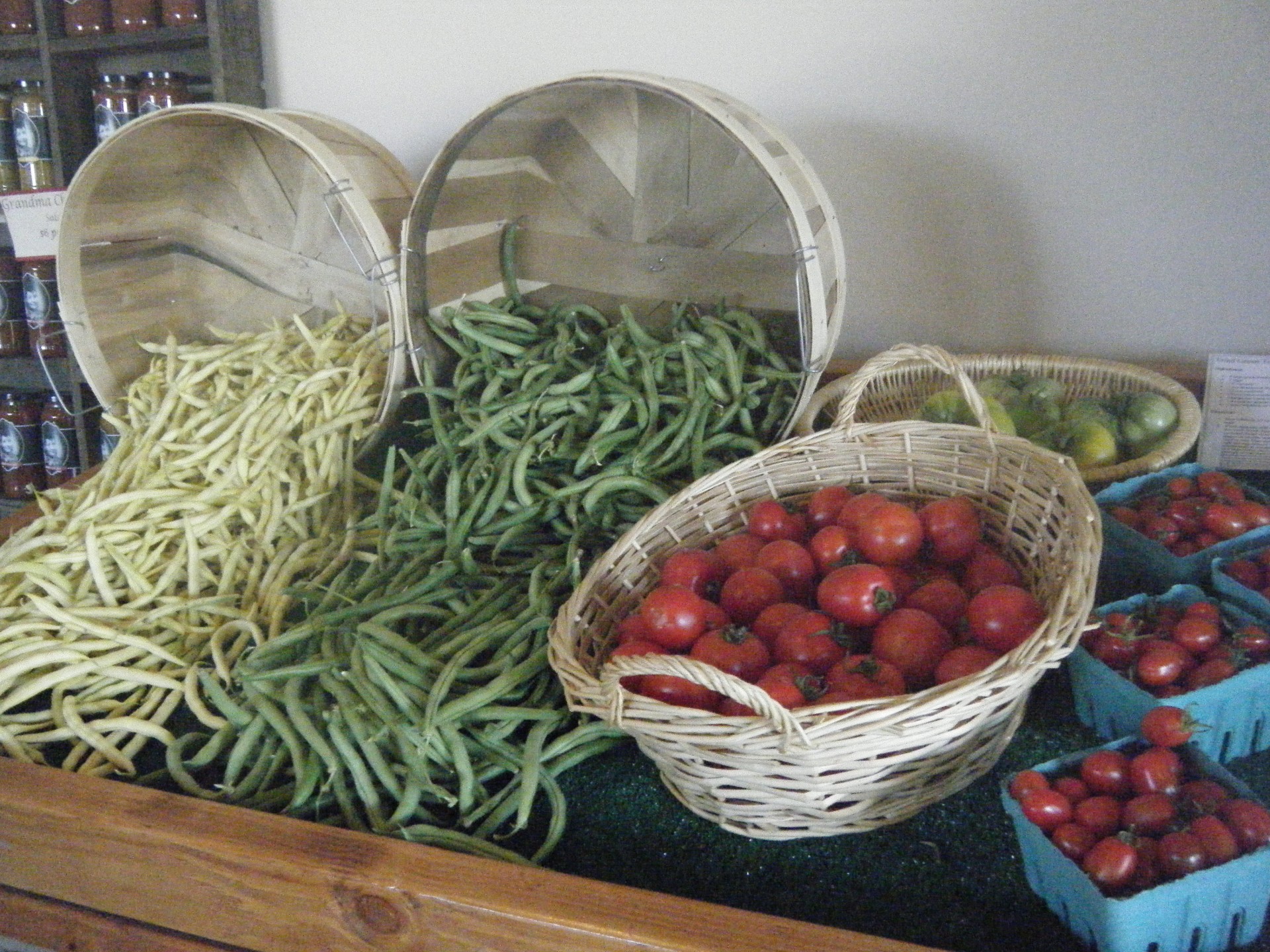
Getting ready now to live off the land makes good sense. If you have foods already growing that can feed yourself and your family, then you can do well with long term survival.
It’s a good idea to have emergency food packed, but you don’t know how long that food is going to have to last you and eventually the rations will run out. But you can begin now and plant foods that can be the staples you need.
You can grow fruit and all sorts of healthy foods. In fact, living off the land, off the foods you grow for yourself, is actually better for you than what you can buy prepackaged at the supermarket.
Prepare now by planning your garden with seeds and plants, but also take the time to learn what plants that grow in the wild are edible in case you and your family have to leave the area where your garden is growing.
by Preparation | Apr 9, 2025 | Preparation Call
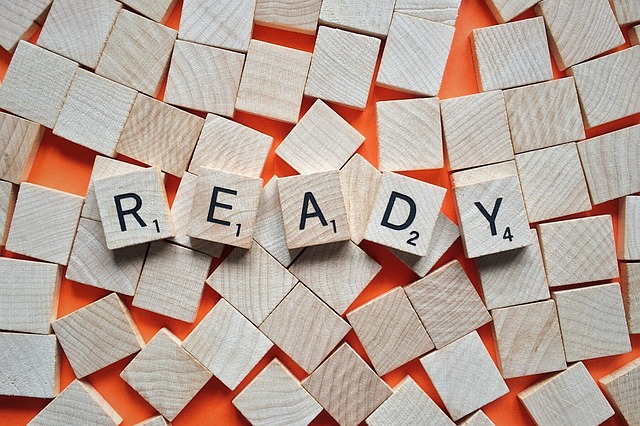
Now is the time for preparedness because we are currently facing unprecedented challenges and uncertainties that demand proactive measures to ensure our safety and well-being. The COVID-19 pandemic has shown us that we are vulnerable to unforeseen crises that can greatly impact our lives, health, and economy. Natural disasters, such as hurricanes, wildfires, and floods, are also becoming more frequent and severe due to climate change. We can no longer afford to take our safety for granted and assume that everything will be taken care of for us.
Preparedness allows us to take control of our lives and reduce the risks associated with these unpredictable events. It involves planning, organizing, and practicing in advance to ensure that we have the necessary resources, skills, and knowledge to cope with emergencies when they arise. By being prepared, we can avoid the chaos and panic that often surround crises and make rational decisions that are in our best interests.
Moreover, preparedness allows us to think beyond ourselves and care for others in our communities, particularly the most vulnerable, who may not have the means to prepare themselves. It is a way to build resilience and social cohesion, bringing us closer together in times of need.
In summary, preparedness is essential now more than ever as we face a world full of uncertainties. It enables us to take proactive measures to safeguard our lives and those of our loved ones, build resilience in our communities, and ensure that we are ready to face any challenges that come our way.