
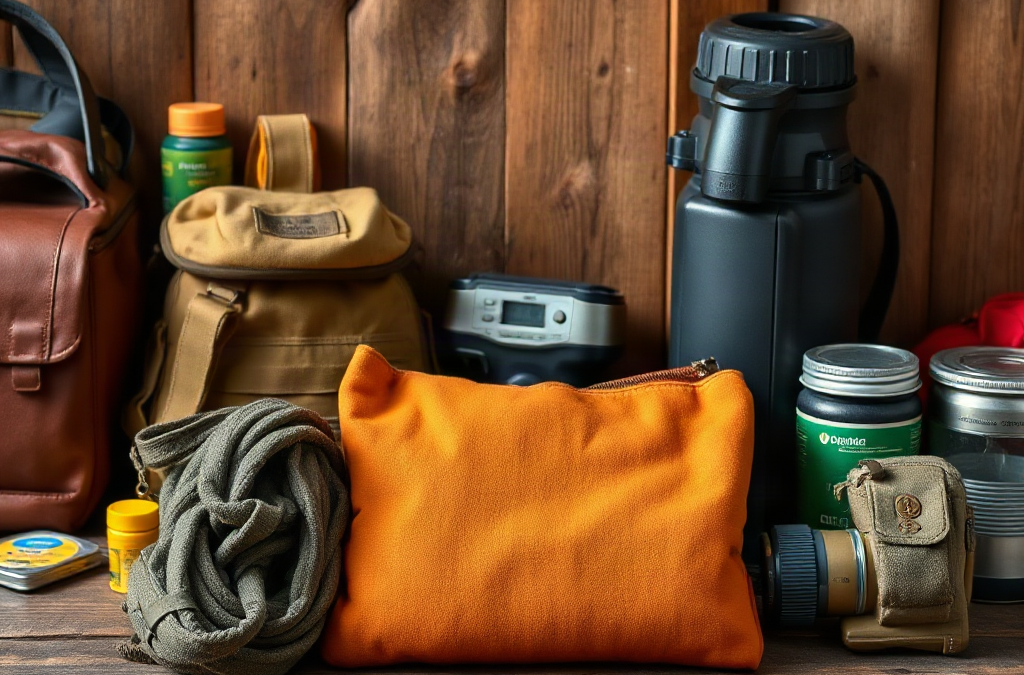
Preparedness lists that distinguish essential from optional gear should rank items by immediate survival value, replacement difficulty, reliability, and the specific disruption being planned for. Water containers, safe drinking-water methods, basic food, required medications, lighting, communication, sanitation supplies, and a way to manage heat or shelter usually belong in the essential tier because their absence creates a direct problem. Optional gear can improve comfort or capability but should not displace core items, spare batteries, or practice time. Test every essential item in realistic conditions, remove duplicates that serve the same purpose, and label advanced tools as optional until someone in the household can use them safely.
How to Separate Essential Gear From Optional Additions
A useful preparedness list is not a catalog of everything that might be helpful. It is a decision tool that shows what a household needs to function during a defined disruption and what can wait until the basics are covered. The distinction matters because storage space, money, attention, and carrying capacity are limited. A large collection of specialized tools can create a false sense of readiness if the household lacks water, medication, lighting, or a workable sanitation plan.
Classify an item as essential when its absence creates an immediate safety, health, or operating problem and no practical substitute is available. A flashlight may be essential during a nighttime power outage, while a headlamp upgrade may be optional if a dependable flashlight is already available. A manual can opener is a low-cost essential when stored food requires it; a second high-end opener is usually a convenience. The classification depends on the scenario, the people involved, and the alternatives already available.
Use four questions for each proposed item:
- What specific problem does it solve?
- How soon would that problem become serious without it?
- Can an existing household item perform the same job safely?
- Can the intended user operate, maintain, and replace it?
Weak lists often confuse novelty with necessity. A complex water device may appear more capable than stored water, but it can require a suitable source, replacement parts, batteries, or treatment instructions. Preparedness lists that distinguish essential from optional gear should therefore explain dependencies, not merely name products. A basic item that works immediately may deserve priority over an advanced item that works only after several conditions are met.

The best first draft describes the disruption before naming gear. A short power interruption, an extended water-service problem, an evacuation, and a winter heating failure produce different priorities. Gear becomes essential only in relation to a credible use case. That prevents expensive optional equipment from crowding out the supplies that solve ordinary, foreseeable problems.
The Core Categories That Deserve First Priority
Most households should build the first tier around water, food, health, light, communication, sanitation, and temperature or shelter needs. These categories are connected: water storage is less useful if it cannot be accessed cleanly, food may be unusable without an opener or cooking plan, and a communication device is weaker when its charging method is ignored.
Water deserves early attention because interruption affects drinking, food preparation, hygiene, and sometimes medication routines. Store water in clean, clearly labeled containers and account for how it will be moved and used. Treatment equipment may be useful, but it does not automatically replace a stored supply; treatment depends on the water source and the device’s instructions. A common mistake is buying a filter without planning for cloudy water, limited flow, replacement cartridges, or safe storage afterward.
Food should be familiar, shelf-stable, and usable with the available equipment. A mixture of ready-to-eat foods, ordinary pantry items, and any required preparation tools is often more practical than a collection of products no one has sampled. Include household-specific needs such as infant feeding, allergies, medical diets, or pet food. Optional comfort foods can improve morale, but they should follow dependable calories, safe preparation, and a way to open containers.
Health and sanitation items often receive less attention because they seem ordinary. Required prescriptions, basic first-aid materials, soap, toilet supplies, waste bags, disinfecting products, and personal hygiene items can prevent a manageable disruption from becoming a more difficult household problem. Prescription planning should follow medical advice and applicable pharmacy rules rather than assumptions about how much can be stored.
Lighting and communication should be simple enough for everyone to use. Several modest lights may be more useful than one sophisticated unit because a single failure will not leave the household in darkness. Include compatible batteries or a tested charging method. Radios, phones, written contact information, and a small power bank address different failure points; none should be treated as a complete communication plan by itself.
Temperature and shelter needs vary by climate and housing. Blankets, weather-appropriate clothing, and a way to reduce drafts may be essential during cold conditions, while ventilation, shade, and hydration become more important in heat. A camping stove, generator, or heater may be optional in one home and central in another, but combustion equipment introduces ventilation, fuel storage, and carbon-monoxide risks that must be handled according to official instructions. The priority of each category should reflect the actual building and the people living there.
How to Rank Items Under Budget and Space Limits
When money or storage is tight, rank gear by consequence rather than by price or popularity. A useful order is: immediate life and health needs, items that enable other supplies, reliable substitutes for unavailable services, and comfort or efficiency improvements. This places water containers, medication, lighting, sanitation, and food-opening tools ahead of specialized accessories.
Consider the difference between a dependency and a duplicate. A battery-powered light needs compatible batteries; those batteries are part of the light’s usable system. A food supply that requires heating needs a safe preparation method or should be replaced with food that can be eaten without cooking. By contrast, three tools with overlapping functions may represent poor use of space even if each tool is individually useful.
A simple scoring method can make disagreements visible. Give each item a high, medium, or low mark for urgency, frequency of use, substitution difficulty, reliability, and maintenance burden. An item that scores high for urgency and substitution difficulty usually belongs in the essential tier. An item with modest urgency, easy substitution, and high maintenance belongs in the optional tier. The score does not make the decision automatically; it exposes why the decision was made.
Budget decisions benefit from staged purchasing. First cover gaps that would create immediate danger, then add redundancy for single points of failure, and only afterward purchase convenience or specialty gear. For example, one dependable light for each sleeping area, spare batteries, and a common charging method may offer more useful coverage than a premium lantern with features nobody has tested. A family that must evacuate may prioritize compact, portable versions, while a household sheltering in place may favor larger containers and easier storage.
Do not treat the cheapest item as the best value if it breaks, leaks, expires quickly, or cannot be used by the person who needs it. At the same time, premium construction is not automatically essential. The practical test is whether the item performs its stated function under likely conditions. Keep a compact priority list near the storage area and mark each item as essential now, needed to make another item work, or optional upgrade. That label is more useful than a long unranked shopping list.
Testing, Updating, and Removing Weak Choices
Preparedness gear earns its place through use, not purchase. Test essential items in ordinary conditions before relying on them during a disruption. Open the food, inspect containers for leaks, operate the lantern, verify battery compatibility, try the communication method, and confirm that every household member knows where supplies are stored. Practice reveals friction that product packaging does not show.
Real-world testing also exposes hidden assumptions. A device may be difficult for a child or older adult to operate. A water container may be too heavy when full. A cooking method may require more ventilation or fuel than expected. A first-aid kit may contain supplies that do not match household needs. These are not minor details: an item that cannot be accessed or operated safely is not functioning as essential gear.
Review supplies on a schedule connected to actual expiration and maintenance dates. Check food quality, medication instructions, battery condition, fuel storage, clothing sizes, contact information, and seasonal needs. Rotate ordinary pantry items into normal use rather than allowing unfamiliar products to sit untouched. Mark replacement dates on the container or storage record, and keep instructions with equipment that requires more than one step.
Remove gear when it duplicates another item, depends on unavailable consumables, has become unsafe, or no longer fits the household. Replacement is not failure; it is evidence that the list is being maintained. A sophisticated device that repeatedly goes unused may be less valuable than a simpler substitute that everyone understands.
Review the plan after a small disruption, such as a brief outage or severe weather warning. Note what was difficult to find, what ran out first, what remained untouched, and which task took longer than expected. Those observations provide better evidence than online popularity. A maintained preparedness list should become shorter and more accurate over time, not simply larger.
Frequently Asked Questions
What belongs on an essential gear list first?
Start with water, required medication, food that can actually be used, lighting, sanitation supplies, communication, and climate-specific shelter or temperature needs.
How can optional gear be identified?
Label an item optional when it mainly adds comfort, speed, or specialized capability and the household can safely function without it or use an existing substitute.
Should advanced equipment replace basic supplies?
Usually not. Advanced equipment often depends on training, maintenance, power, fuel, or replacement parts, so basic supplies should be secured first.
How often should a preparedness list be reviewed?
Review it at least seasonally and after using supplies, changing residences, adding household members, or experiencing a disruption that exposes a gap.
What is the most common mistake with gear lists?
An unranked list is the common failure. It can encourage purchases of duplicate or specialized items while leaving essential consumables, instructions, and maintenance tasks unresolved.
Further Reading
Authoritative Sources
- Build a Kit
ready.govProvides a government-based framework for identifying basic supplies and adapting them to household needs
- Individuals and Communities
fema.govOffers planning information for household actions, hazards, communication, and community preparedness
- Emergency Water Supply Guidance
cdc.govExplains household water concerns and safer practices when normal water service is disrupted
Conclusion
A strong gear list makes priorities visible before a disruption creates pressure. Define the scenario, cover immediate health and operating needs, identify dependencies, and test each essential item with the people who may use it. Water, medication, usable food, light, sanitation, communication, and climate protection generally deserve attention before specialty tools or comfort upgrades. Rank purchases by consequence and substitution difficulty rather than by novelty, price, or online popularity. Then review the list after real use and remove equipment that is unsafe, duplicated, or too demanding to maintain. The goal is not the largest collection of gear; it is a compact, understandable system that continues to work when ordinary services, time, and convenience are limited.
Related Content
- The Ultimate Guide to Preparedness for Earthquakes: 7 Effective Tips for 2025
- Tips for Preparing Your Home Against Looters
- Maximizing Readiness and Survival: Strategies for Thriving in Uncertain Times
- Prepare, React, Recover: The Three Pillars of Effective Disaster Readiness
- Essential Items for Your Car Survival Kit




