
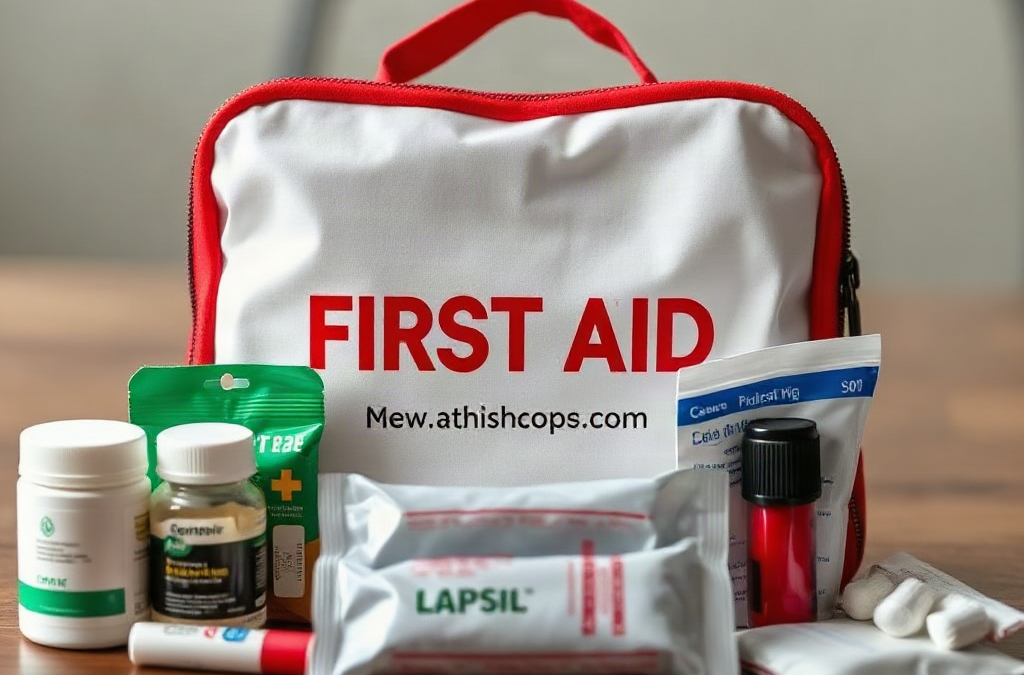
Premade first aid kit gaps preppers should address include medication coverage, wound-care depth, personal medical supplies, protective equipment, and clear-use instructions. Many kits contain adhesive bandages and gauze but lack enough blister care, irrigation supplies, trauma dressings, prescription backups, or tools suited to the household’s likely setting. Review the kit by injury type and duration rather than counting items, then add supplies for bleeding control, burns, sprains, hygiene, and recurring health needs. Check expiration dates, package integrity, and storage conditions, and seek professional medical guidance for medications, advanced interventions, and conditions beyond your training.
Why Store-Bought Kits Leave Practical Gaps
Premade kits are useful starting points, but their contents usually reflect a broad consumer market rather than one household’s risks, skills, climate, or duration of need. A compact pouch may be convenient for a vehicle or day trip, while a home kit needs greater quantities, better organization, and supplies for repeated minor injuries. The label “first aid” does not indicate that a kit covers every likely problem.
Manufacturers also face space and cost limits. Small boxes often contain several sizes of adhesive strips, a little gauze, antiseptic wipes, gloves, and perhaps a cold pack. Those items address minor cuts, but they may not cover burns, blisters, eye irritation, sprains, prolonged wound care, or a person’s regular medical needs. A kit can look full while having only one or two useful items for a particular injury.
Audit the kit by scenario rather than by item count. Ask what happens if someone cuts a hand while repairing equipment, develops a blister during an evacuation walk, or needs daily medication during a delayed return home. The answer reveals gaps more clearly than a generic inventory.
A practical review separates supplies into three layers: immediate first aid, ongoing care, and personal health requirements. Immediate first aid covers gloves, wound coverings, cleaning supplies, and simple tools. Ongoing care includes replacement dressings, waste bags, hygiene items, and additional lighting or labeling. Personal requirements may include prescription medicines, glasses, hearing-aid batteries, diabetes supplies, allergy medication, or mobility-related items. Each layer has different storage and replacement concerns.

Use the Premade first aid kit gaps preppers should address as a starting point for a household-specific inventory, not as a substitute for medical training. The most useful kit is one people can identify quickly, use correctly, and replenish after a small incident.
Wound Care and Bleeding-Control Shortfalls
Wound care is commonly underbuilt because premade kits favor low-cost, low-volume items. A few narrow adhesive strips are not equivalent to a system for cleaning, covering, securing, and monitoring wounds. Gauze may be present but insufficient for a larger injury, and a kit may lack a way to hold a dressing in place when adhesive does not work well on wet, hairy, or moving skin.
Look for a range of wound coverings, medical tape, rolled gauze, nonstick dressings, and a safe method for cleaning visible debris. Disposable gloves protect both the injured person and the helper from contact with blood or contaminated material. Small scissors can assist with cutting tape or clothing, but tools should be stored so they do not puncture sterile packaging.
Bleeding-control supplies deserve special attention, yet they should match the user’s training. A pressure dressing may be practical for someone who understands direct pressure and wound assessment. More advanced devices require instruction, careful storage, and an understanding of when they are appropriate. Buying specialized equipment without learning its use can create false confidence and delay a call for emergency help.
Consider a workshop or gardening scenario. A shallow cut may need cleaning and a small dressing; a deeper wound may require sustained pressure, larger coverings, and urgent professional care. A kit that contains only small bandages forces the responder to improvise with household fabric, which may be dirty, difficult to secure, or unsuitable for monitoring. Improvisation is sometimes necessary, but it should not be the planned baseline.
Burns, blisters, and eye exposures are other frequent omissions. Add dressings appropriate for minor burns, blister protection for people walking long distances, and eyewash or clean rinsing supplies where dust, chemicals, or workshop debris are plausible hazards. Avoid treating an antiseptic wipe as a universal solution; some injuries need flushing, protection, or medical evaluation rather than repeated application of a product.
Do not use a dressing checklist as permission to manage serious injuries at home. Heavy bleeding, deep wounds, severe burns, loss of function, embedded objects, and eye injuries can require urgent care. The kit should support immediate care while help is sought, not replace it.
Personal Medicines, Hygiene, and Protective Supplies
Personal health items are among the most consequential omissions in a generic kit. Commercial packages rarely include prescription medicines, adequate quantities of routine over-the-counter products, backup glasses, or supplies tied to a diagnosed condition. A household may have excellent gauze and still be unprepared if one person cannot access essential medication or monitoring equipment.
Build a private medication list that records names, strengths, instructions, allergies, prescriber information, and refill details. Store medicines according to their labeling, since heat, moisture, and freezing conditions can affect some products. Ask a pharmacist or clinician how to handle backup quantities, substitutions, and temperature-sensitive items. Do not place loose pills in an unlabeled bag, and do not assume that a medicine suitable for one adult is safe for another.
Hygiene supplies affect wound outcomes and usability. Add nitrile gloves in more than one size if needed, hand sanitizer, soap, disposable waste bags, tissues, and a way to keep clean materials separate from used ones. A compact kit may include one pair of gloves, but that is inadequate for repeated care or multiple people. Masks may be useful in dusty cleanup situations, although their protection varies by design and fit.
Age and activity change the inventory. Children may need appropriately sized coverings and dosing tools, while older adults may need hearing-aid batteries, skin-protection supplies, or mobility aids. A person with contact lenses may require glasses and lens-care planning; a person with severe allergies may need their prescribed emergency medication readily accessible. These are not optional “extras” if they determine whether someone can function safely.
Common assumptions create avoidable problems. Pain relievers can interact with existing conditions or medicines, and topical products can irritate sensitive skin. Antibiotics should not be added casually or used as a general response to every wound. A thermometer, written medical information, and emergency contacts may be more useful than another duplicated packet of adhesive strips.
Keep the personal section discreet and easy to remove when carrying the kit between locations. The Premade first aid kit gaps preppers should address will differ for a solo commuter, a family with young children, and a group working outdoors. The correct additions are determined by actual health needs and foreseeable tasks, not by the size of the box.
How to Audit, Pack, and Maintain the Kit
A useful audit begins with a written inventory and ends with a realistic practice check. Empty the premade kit onto a clean surface, record quantities and expiration dates, and discard damaged or unidentified items according to local disposal guidance. Then group supplies by use: bleeding and wounds, burns, sprains, medicines, hygiene, tools, and personal requirements. Grouping exposes duplication in one category and absence in another.
Prioritize additions in this order:
- Personal necessities: prescription planning, glasses, hearing support, allergy needs, and condition-specific equipment.
- Basic wound capability: gloves, cleaning supplies, varied dressings, tape, and secure packaging.
- Likely environment: blister care for walking, burn supplies for cooking, eye rinsing for dusty work, or cold protection for outdoor storage.
- Duration and scale: enough consumables for the number of people and the period before resupply.
- Organization: labels, a contents list, and quick access to the most frequently used items.
Pack for retrieval under stress. Clear pouches or labeled compartments are usually more useful than a tightly compressed assortment. Keep sterile dressings sealed, separate medications from general supplies, and place gloves where they can be reached without unpacking the entire kit. A duplicate small pouch can serve a vehicle or day bag, while a larger home cache holds replenishment stock.
Practice reveals failures that an inventory cannot. Have each responsible adult locate gloves, dressings, tape, and a flashlight without coaching. Check whether packaging opens with wet or cold hands, whether labels remain readable, and whether the kit fits its assigned storage location. If a user cannot identify an item or explain its purpose, replace it with a simpler option or obtain appropriate instruction.
Maintenance should follow use and calendar review. Replace opened, soiled, expired, leaking, or heat-damaged supplies immediately. Review the kit when seasons change, household members’ medicines change, or travel plans expand. A common mistake is buying a second premade kit before correcting the first one; duplication increases volume without improving capability. The better test is whether the kit covers the injuries and health interruptions your household can realistically face.
For additional planning context, use Premade first aid kit gaps preppers should address alongside recognized first-aid training and advice from qualified medical professionals. Supplies work best when their limits are understood.
For reliable guidance, consult recognized first-aid training organizations, local emergency medical services, pharmacists, and clinicians familiar with your household’s conditions. Official product labeling and training materials are more dependable than an unlabeled online packing list, especially for medicines and advanced bleeding-control equipment.
Frequently Asked Questions
What is the biggest gap in most premade first aid kits?
Personal medicines and enough supplies for repeated care are often missing. Many kits also lack varied dressings, adequate gloves, burn care, blister protection, and a practical cleaning method.
Should preppers add a tourniquet to a basic kit?
Advanced bleeding-control equipment may be useful in some settings, but users should receive appropriate training and understand its limits. It should supplement, not replace, basic first aid and emergency communication.
How much medication should be stored?
Ask a pharmacist or prescriber about lawful and medically appropriate backup quantities. Keep medicines labeled, protected from unsuitable temperatures, and reviewed whenever prescriptions or household needs change.
Are antiseptic wipes enough for wound cleaning?
Not always. Some wounds benefit from thorough rinsing and a suitable dressing, while chemical exposures or eye injuries may need prolonged flushing and professional assessment.
How often should a premade kit be checked?
Inspect it after every use and on a regular calendar schedule. Check expiration dates, package seals, storage temperature, quantities, labeling, and whether the contents still match the household’s activities and health needs.
Conclusion
A premade first aid kit is a container of starting supplies, not proof that a household is medically prepared. Review it against realistic injuries, personal health requirements, storage conditions, and the time that may pass before resupply. Add varied wound dressings, gloves, cleaning and burn supplies, blister protection, hygiene materials, and clearly managed personal medicines before buying more duplicates. Keep advanced tools within the limits of your training, and treat serious bleeding, deep wounds, severe burns, and eye injuries as situations requiring urgent professional help. Finish the audit with a hands-on retrieval test, then record what was used and replenish it promptly. A smaller, clearly organized kit matched to real needs is more dependable than a larger box filled with generic items.
Related Content
- The Ultimate Guide to Surviving Natural Disasters
- How to Recognize Signs of Burnout in Prepping Efforts: Symptoms, Causes, and Effective Strategies
- What Every Renter Needs to Know About Preparedness
- The Risks of Relying Only on Social Media for Advice: Misleading Information and Consequences
- Emergency Supplies for Kids: Essential Items for Safety During Crises




