
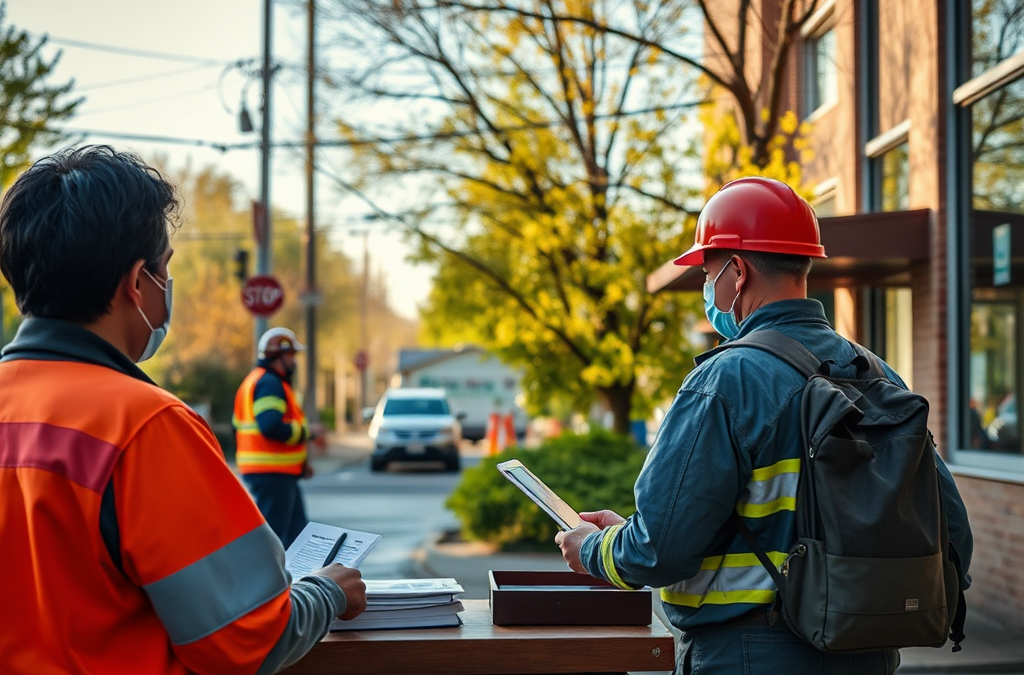
Local laws play a critical role in shaping emergency preparedness actions by establishing essential guidelines and protocols that communities must follow. These regulations can dictate the development of emergency response plans, the training requirements for personnel, and the distribution of resources during crises. For instance, businesses may be required to create specific emergency plans that align with local safety codes, ensuring they are equipped to protect their employees and coordinate effectively with emergency services. By understanding and adhering to these local laws, communities can enhance their resilience and improve their overall response to disasters. Engaging with local regulations not only fosters preparedness but also strengthens community ties in times of need.
Understanding Local Laws and Their Purpose
Local laws are designed to provide a framework for governance, ensuring safety and order within communities. These regulations can encompass a wide range of areas, including zoning, building codes, and public safety ordinances. Their relevance becomes particularly pronounced in the context of emergency preparedness, where they dictate how communities respond to disasters and emergencies.
For instance, local governments may enforce building codes that require structures to withstand specific environmental hazards, such as earthquakes or floods. This proactive approach not only protects lives but also minimizes property damage during emergencies. Understanding the nature and intent of these laws is essential for residents and local officials alike, as they form the backbone of community resilience strategies.
How Local Regulations Affect Preparedness Actions
Local regulations can significantly shape emergency preparedness actions by setting mandatory guidelines for both individuals and organizations. These regulations often dictate the types of emergency plans that must be developed, the training required for emergency personnel, and the allocation of resources during a crisis.
For example, many jurisdictions require businesses to develop emergency response plans that comply with local safety codes. This ensures that in the event of a disaster, businesses are prepared to protect their employees and customers, as well as to coordinate with local emergency services. Additionally, local laws can influence funding for emergency services, determining how resources are distributed and which communities receive support during crises.

Community Engagement and Local Laws
Community engagement plays a critical role in the effectiveness of local laws regarding emergency preparedness. When residents are informed and involved in the legislative process, they can advocate for regulations that address specific community needs and vulnerabilities. This engagement can take many forms, including public meetings, surveys, and collaboration with local organizations.
For instance, communities prone to flooding may push for stricter building codes that require elevated structures. By voicing their concerns, residents can influence local lawmakers to prioritize safety measures that reflect the unique challenges their area faces. This collaboration fosters a sense of ownership and responsibility among community members, enhancing overall preparedness.
Challenges and Misconceptions of Local Regulations
Despite their importance, local laws can also present challenges and misconceptions that hinder effective emergency preparedness. One common misconception is that all local regulations are overly restrictive or unnecessary. In reality, many laws are designed to enhance safety and resilience, although they may require adjustments to accommodate specific community needs.
Another challenge is the lack of awareness among residents regarding existing local laws. Many individuals may not understand the regulations that govern their community, leading to non-compliance or inadequate preparedness. Local governments can address this by providing clear communication and resources that educate residents about their rights and responsibilities in emergency situations.
Frequently Asked Questions
What are local laws regarding emergency preparedness?
Local laws regarding emergency preparedness are regulations set by local governments that dictate safety standards, resource allocation, and community response protocols during emergencies.
How do local laws impact community safety?
Local laws impact community safety by establishing guidelines for building codes, emergency response plans, and resource distribution, thereby enhancing resilience against disasters.
Can residents influence local emergency laws?
Yes, residents can influence local emergency laws by participating in public meetings, advocating for necessary changes, and collaborating with local organizations to address specific community needs.
What challenges do local laws face in emergency preparedness?
Challenges include misconceptions about regulations being overly restrictive, lack of awareness among residents regarding their rights and responsibilities, and inadequate communication from local governments.
Why are local laws important for emergency preparedness?
Local laws are important for emergency preparedness as they provide a structured framework for safety measures, ensuring communities are equipped to respond effectively to disasters.
Further Reading
Authoritative Sources
- Ready.gov
ready.govThis resource provides comprehensive information on emergency preparedness and the importance of local laws in ensuring community safety
- FEMA
fema.govFEMA's website offers insights into federal regulations that support local emergency preparedness efforts
- National Fire Protection Association (NFPA)
nfpa.orgNFPA provides guidelines and codes that influence local laws regarding fire safety and emergency response
Conclusion
Understanding the impact of local laws on emergency preparedness actions is essential for building resilient communities. By engaging with local regulations, residents can advocate for necessary changes that reflect their unique needs and vulnerabilities. Awareness of these laws not only enhances individual preparedness but also fosters a collective responsibility to ensure community safety during emergencies. Prioritizing education and collaboration within the community can lead to more effective emergency response strategies and ultimately save lives.
Related Content
- How to Handle Medical Emergencies Alone
- 5 Essential Steps to Prepare for an Emergency
- Uncover Life-Saving Essentials: The Ultimate List of Emergency Gear Must Haves for Every Household
- Emergency Preparedness: What You Need to Know Now
- The Role of Training in Effective Emergency Response: Key Methods and Real-World Applications




