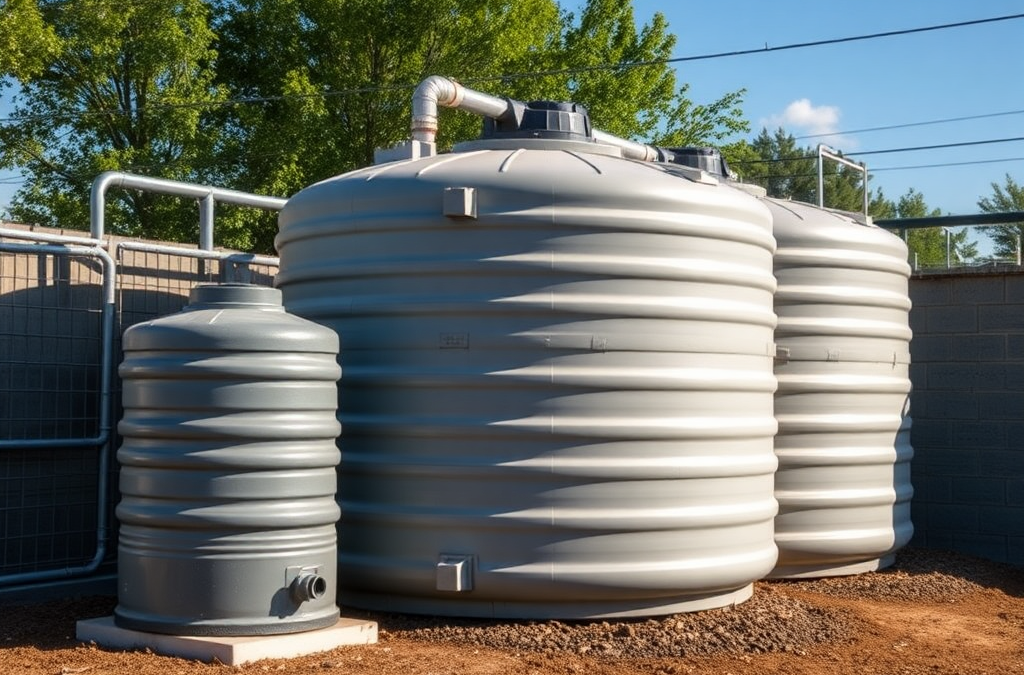
Long-term water storage solutions face challenges such as contamination, material degradation, and inadequate maintenance. Contamination can occur due to exposure to sunlight and temperature changes, which may promote bacterial growth or algae formation. To prevent these issues, use opaque, food-grade containers specifically designed for water storage. Regular inspections and proper sealing of containers can significantly reduce contamination risks.
Understanding Water Storage Solutions
Long-term water storage solutions are critical for preparedness and sustainability. These solutions enable individuals and communities to maintain a reliable water supply during emergencies or in areas with limited access to fresh water. The effectiveness of these storage solutions depends on the type of container used, the environment in which they are stored, and the maintenance practices followed.
Choosing the right container is essential; options include plastic barrels, glass jars, and stainless steel tanks. Each material has its advantages and disadvantages, particularly concerning longevity and safety. Understanding these factors can help mitigate potential risks associated with long-term water storage.
Common Contamination Risks
Contamination is one of the significant issues with long-term water storage solutions. Factors such as exposure to light, temperature fluctuations, and inadequate sealing can lead to bacterial growth and chemical leaching. For example, if water is stored in clear plastic containers, exposure to sunlight can encourage algae growth, compromising water quality.
To minimize contamination risks, it is crucial to use appropriate storage containers that are designed for water storage. Containers should be opaque, food-grade, and made from materials that do not leach harmful chemicals. Regularly inspecting the storage environment and ensuring that containers are sealed can further reduce the risk of contamination.

Material Degradation Over Time
Over time, the materials used for water storage can degrade, leading to potential issues with safety and quality. For instance, certain plastics can break down and leach chemicals into the water, especially when exposed to heat or sunlight. Glass containers, while inert and safe, can be heavier and more prone to breaking.
Choosing durable materials for long-term storage is essential. Stainless steel and high-density polyethylene (HDPE) are commonly recommended due to their resistance to corrosion and chemical reactions. It is also vital to regularly inspect containers for signs of wear, such as cracks or discoloration, which can indicate that the material is degrading.
Best Practices for Long-Term Storage
Implementing best practices for long-term water storage can significantly enhance the safety and quality of the stored water. First, always start with clean, safe water. Utilize filtration systems or purifying tablets to eliminate contaminants before storage.
Next, choose the right containers and store them in a cool, dark place to minimize exposure to heat and light. Rotate your water supply every six months to ensure freshness, and conduct regular checks for leaks or contamination signs. Additionally, labeling containers with the storage date can help maintain an effective rotation schedule.
Mistakes to Avoid
Several common mistakes can undermine the effectiveness of long-term water storage solutions. One major error is using non-food-grade containers, which can leach harmful substances into the water. Additionally, neglecting to clean containers before use can introduce bacteria, leading to contamination.
Another mistake is failing to regularly inspect stored water for quality. Relying on water stored for years without checking can be risky, as even properly sealed containers can develop issues over time. Finally, overlooking the importance of proper sealing can lead to evaporation and contamination, rendering the stored water unsafe for consumption.
Frequently Asked Questions
What is the best material for long-term water storage?
High-density polyethylene (HDPE) and stainless steel are excellent choices due to their durability and resistance to leaching.
How often should I replace stored water?
It is recommended to rotate and replace stored water every six months to ensure its freshness and safety.
Can I store water in glass containers?
Yes, glass containers are safe for water storage, but they are heavier and more fragile compared to plastic options.
What signs indicate water contamination?
Signs of contamination include unusual odors, discoloration, or the presence of floating particles in the water.
Is it necessary to purify water before storing it?
Yes, purifying water before storage is essential to eliminate any existing contaminants and ensure its safety for consumption.
Further Reading
Authoritative Sources
- EPA Water Safety Guidelines
epa.govThis source provides comprehensive information on safe water storage practices and contamination prevention
- CDC Drinking Water Storage
cdc.govOffers guidance on how to properly store drinking water to minimize health risks
- FDA Food Safety Resources
fda.govContains regulations and recommendations for food-safe materials, including those used in water storage
Conclusion
Addressing issues with long-term water storage solutions is essential for ensuring safe and reliable access to water. By understanding common risks such as contamination and material degradation, individuals can implement best practices that enhance water quality. Regular inspections, proper container choices, and mindful storage conditions are critical for effective long-term water storage. Prioritize these strategies to minimize risks and ensure your water supply remains safe for future use.
Related Content
- The Ultimate Guide to Creating a Family Emergency Plan
- 5 Essential Steps to Prepare for an Emergency
- 5 Essential Steps to Disaster Preparedness: Are You Ready
- How to Determine the Right Amount of Food Storage: Factors to Consider and Practical Strategies
- How to Stock for Emergencies: Essential Foods and Supplies Checklist




