
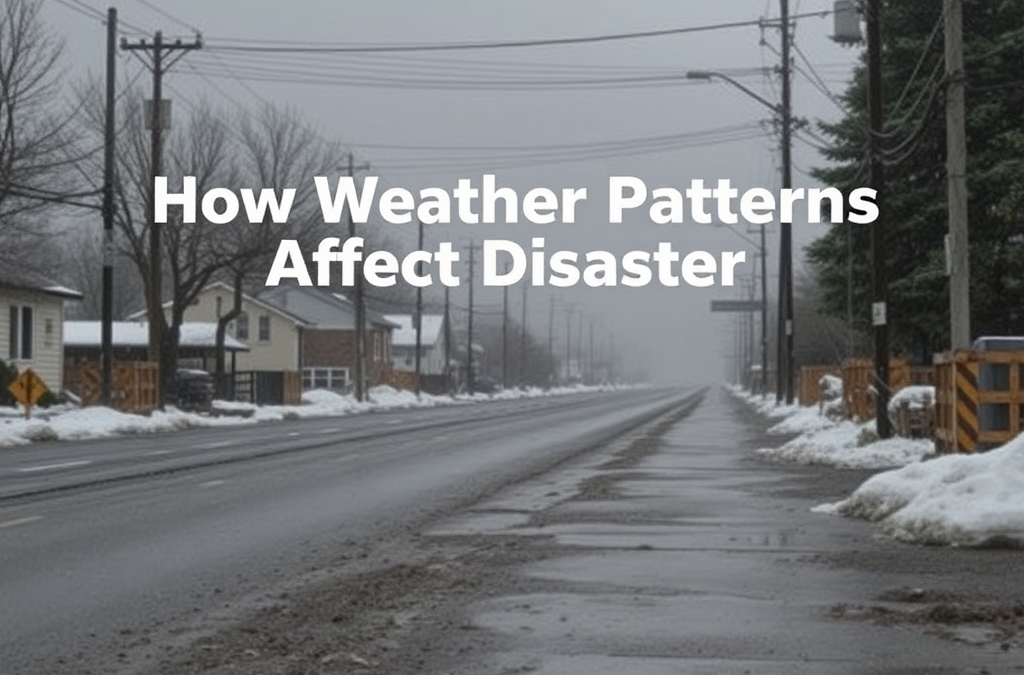
Weather patterns are crucial in disaster planning as they dictate the types and frequencies of natural hazards a region may encounter. Planners should analyze historical weather data and current climate trends to identify potential risks, such as hurricanes in coastal areas or flooding near rivers. Incorporating climate change projections into preparedness strategies is essential, as traditional methods may not address the increasing severity of weather events. For effective disaster response, it's important to regularly update risk assessments and adapt plans based on the latest meteorological insights. This proactive approach ensures that resources are allocated efficiently and communities are better prepared for impending disasters.
Understanding Weather Patterns
Weather patterns are critical in shaping disaster scenarios, as they dictate the frequency and severity of natural events like storms, droughts, and floods. Understanding these patterns involves analyzing historical weather data, seasonal trends, and geographical factors that contribute to different types of disasters. For instance, coastal regions are more susceptible to hurricanes, while areas near rivers may face flooding risks. Recognizing these patterns allows planners to anticipate potential disasters and allocate resources accordingly.
Common misconceptions about weather patterns include the belief that they are static and predictable. In reality, weather systems can change rapidly due to various factors, including atmospheric conditions and human activity. Disaster planners must remain flexible and adapt their strategies to account for these fluctuations. An effective approach includes regularly updating risk assessments based on the latest meteorological data and climate models.
Impact of Climate Change on Weather Patterns
Climate change significantly alters weather patterns, leading to more extreme weather events and unpredictable conditions. Rising global temperatures contribute to increased storm intensity, prolonged droughts, and changing precipitation patterns. These shifts necessitate a reevaluation of disaster preparedness plans, as traditional methods may no longer suffice in the face of heightened risks.
For example, areas that previously experienced mild winters may now face severe cold snaps, while regions accustomed to regular rainfall might struggle with drought. Disaster planners must incorporate climate projections into their strategies, ensuring that their plans are robust enough to handle these emerging threats. This can include investing in infrastructure improvements, community education, and emergency response training tailored to the new climate realities.

Regional Considerations in Disaster Planning
Each region has unique weather patterns that influence disaster risks. For instance, the Midwest may face tornado threats, while the Southeast deals with hurricanes. Understanding these regional nuances is essential for effective disaster planning. Planners should analyze local historical data to identify trends and potential hazards specific to their area.
A common mistake in regional disaster planning is the failure to involve local stakeholders and communities in the process. Engaging residents can provide invaluable insights into local vulnerabilities and resources, fostering a collaborative approach to preparedness. Additionally, planners should consider local geography and infrastructure when designing their disaster response strategies, ensuring they are tailored to the specific needs of the community.
Developing a Weather-Responsive Disaster Plan
Creating a disaster plan that effectively responds to weather patterns involves several key steps. First, conduct a thorough risk assessment that evaluates potential hazards based on historical weather data and current climate trends. This assessment should guide the development of response strategies tailored to address specific threats.
Next, establish clear communication channels to disseminate critical information during a disaster. This includes alert systems for severe weather warnings and community education on emergency procedures. Regular drills and training sessions can help ensure that both emergency responders and residents are prepared for various scenarios. Finally, continuously review and update the disaster plan to incorporate new data and lessons learned from past events, ensuring it remains relevant and effective.
For those interested in a deeper understanding of how weather patterns affect disaster planning, consider exploring resources from meteorological organizations and disaster response agencies. These sources provide valuable insights into current research and best practices in disaster preparedness.
Frequently Asked Questions
How do weather patterns influence disaster preparedness?
Weather patterns dictate the types of hazards a region may face, influencing risk assessments and resource allocation for effective disaster preparedness.
What role does climate change play in disaster planning?
Climate change leads to extreme weather events and unpredictable conditions, requiring updates to disaster plans to address heightened risks effectively.
Why is regional analysis important in disaster planning?
Regional analysis helps identify specific hazards based on local weather patterns, ensuring disaster plans are tailored to the unique needs of the community.
What are common mistakes in disaster planning?
Common mistakes include failing to involve local stakeholders, not updating plans based on new data, and underestimating the impact of climate change.
How can communities prepare for extreme weather?
Communities can prepare by conducting risk assessments, establishing clear communication channels, and engaging in regular training and drills.
Further Reading
Authoritative Sources
- Ready.gov Preparedness Guidance
ready.govFederal preparedness guidance for household planning, alerts, supplies, and emergencies
- American Red Cross Emergency Preparedness
redcross.orgEmergency preparedness resources for families, disasters, and practical safety planning
- FEMA Preparedness Resources
fema.govNational preparedness resources for planning, mitigation, and response readiness
Conclusion
Weather patterns play a crucial role in shaping disaster planning strategies. By understanding the implications of these patterns and the impacts of climate change, disaster planners can create more effective, responsive plans. Prioritizing regional analysis, community engagement, and continuous updates to preparedness strategies will enhance resilience against future weather-related disasters. Communities should focus on proactive measures, ensuring they are equipped to respond to the evolving challenges posed by changing weather conditions.




