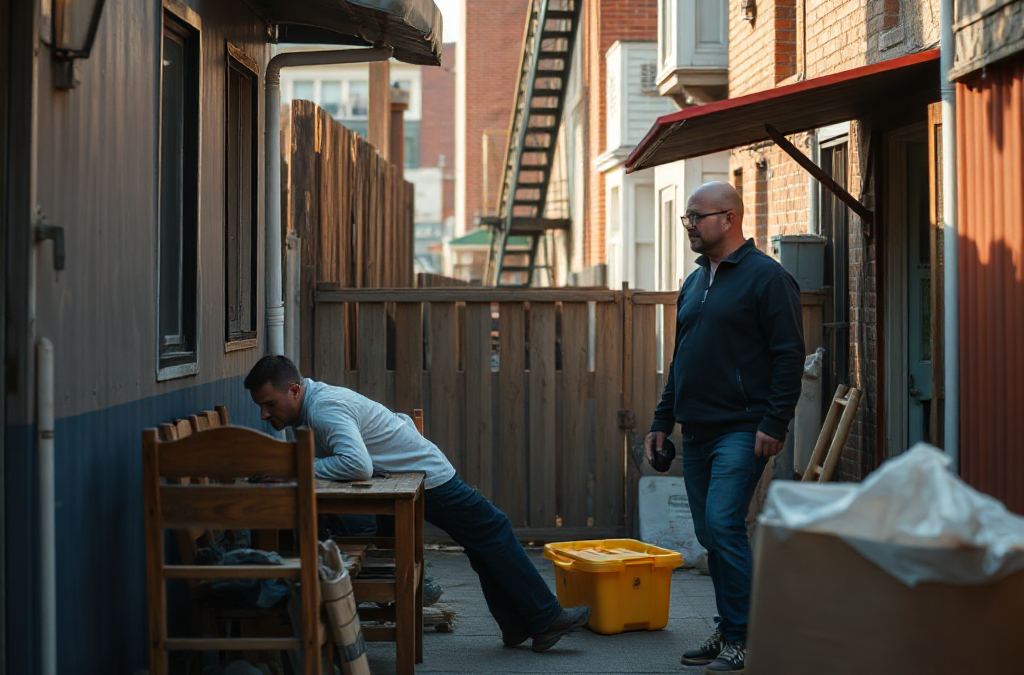
Prepping without a yard presents unique challenges, particularly in urban environments where space is limited. Urban dwellers can overcome these obstacles by embracing vertical gardening techniques, which allow for food production in confined areas like balconies or walls. Additionally, community gardening initiatives can provide shared resources and foster collaboration among neighbors, enhancing overall preparedness. It’s essential to prioritize building connections with local organizations that can offer support during emergencies, as these relationships can be invaluable in times of need.
Understanding Urban Prepping Needs
Urban living presents unique challenges for prepping, primarily due to limited space and resources. Without a yard, individuals must adapt their strategies to ensure they can effectively prepare for emergencies. This includes understanding local risks, such as natural disasters or social unrest, that may impact urban areas more severely. It’s crucial to prioritize what supplies are necessary and how to acquire them in a city environment.
One common mistake is underestimating the importance of community connections. Urban preppers often overlook the value of networking with neighbors and local organizations that can provide support during emergencies. Building relationships can lead to shared resources, knowledge, and skills that are vital when traditional prepping methods are not feasible.
Maximizing Vertical Space for Food Production
Growing food without a yard may seem impossible, but vertical gardening offers a practical solution. Utilizing walls, balconies, and even window sills can provide opportunities for food production in limited spaces. Vertical gardens can include containers, trellises, and wall planters that allow for the cultivation of various herbs and vegetables.
For instance, using stackable planters or hanging pots can help maximize space while also enhancing aesthetics. It’s important to choose plants that thrive in smaller environments, such as lettuce, herbs, and strawberries. Additionally, understanding the sunlight and watering needs of these plants is crucial for successful growth. The key is to experiment with different setups to find what works best in your space.

Community Resources and Collaboration
Community gardening initiatives are a valuable resource for urban preppers. Many cities have established community gardens where individuals can rent plots or participate in cooperative growing efforts. These gardens not only provide space for cultivation but also foster a sense of community and shared responsibility.
Engaging in local gardening groups or online forums can lead to opportunities for collaboration, skill-sharing, and resource pooling. For example, some community gardens host workshops on sustainable practices, which can enhance your prepping skills. Participating in these initiatives can also lead to access to tools, seeds, and knowledge that would be difficult to acquire alone.
Storage Solutions for Limited Spaces
Effective storage is essential for urban preppers facing space constraints. Utilizing multi-functional furniture, under-bed storage, and vertical shelving can help maximize available space. Prioritizing essential supplies, such as food, water, and first-aid kits, is crucial for developing an effective storage plan.
One effective strategy is to create a modular storage system that allows for easy access and organization. For instance, using clear bins can help you quickly identify supplies without rummaging through clutter. Additionally, consider rotating stock to ensure that older items are used first, reducing waste and keeping supplies fresh.
Frequently Asked Questions
Can I grow food without a yard?
Yes, you can grow food using vertical gardens, container gardening, and community gardens to maximize limited space.
What are essential supplies for urban prepping?
Essential supplies include non-perishable food, water, first-aid kits, tools, and items for self-defense, if necessary.
How can I connect with other preppers in my area?
Join local community groups, online forums, or social media pages focused on prepping and survival to find like-minded individuals.
What are the best plants for container gardening?
Herbs like basil and parsley, as well as vegetables like lettuce and tomatoes, are well-suited for container gardening.
What is a community garden?
A community garden is a shared space where individuals can grow food collectively, often providing access to resources and knowledge.
Further Reading
Authoritative Sources
- Library of Congress Research Guides
guides.loc.govResearch guides that help readers locate reliable background sources on a wide range of subjects
- USA.gov Official Information and Services
usa.govOfficial U.S. government information and public resources for practical reference
- Google Scholar
scholar.google.comAcademic search resource for finding research literature and source material
Conclusion
Prepping without a yard requires creativity and adaptability. Urban preppers must leverage vertical space, community resources, and effective storage solutions to ensure readiness. By connecting with neighbors and utilizing shared spaces, individuals can enhance their preparedness efforts while building a supportive network. Prioritize the essentials, stay informed about local risks, and remain flexible in your strategies to thrive in an urban environment.