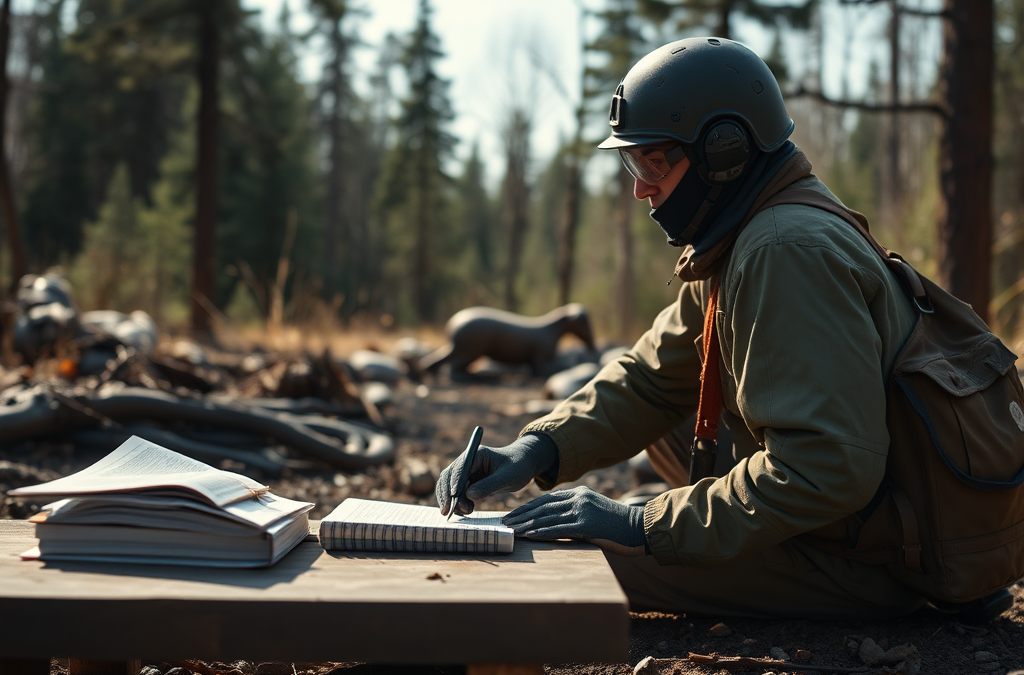
Survival planning tips emphasize the importance of understanding local risks and preparing accordingly. Begin by assessing potential threats in your area, such as natural disasters or civil unrest, to prioritize your emergency preparations. Gather essential supplies, including non-perishable food, clean water, and first aid kits, ensuring you have at least a 72-hour supply for each household member. Additionally, create a detailed emergency response plan that outlines communication strategies and evacuation routes. Regularly review and update your plan and supplies to adapt to changing conditions and maintain readiness for any situation.
Assessing Risks and Threats
Understanding the specific risks in your area is crucial for effective survival planning. Each region has unique threats, whether they are natural disasters like hurricanes, earthquakes, or man-made emergencies such as chemical spills or civil unrest. By identifying these risks, you can prioritize your preparations and allocate resources effectively.
For example, if you live in a flood-prone area, you should focus on water safety, evacuation routes, and securing your property against water damage. Conversely, those in wildfire-prone regions should prioritize fire-resistant materials and evacuation plans. Regularly reviewing local news and emergency management resources can help you stay informed about potential threats.
Essential Supplies for Survival
Gathering the right supplies is a cornerstone of survival planning. Essential items include non-perishable food, clean drinking water, first aid kits, and basic tools. A recommended guideline is to have at least a 72-hour supply of food and water for each person in your household, along with a means to purify water if necessary.
Additionally, consider including items like flashlights, batteries, a multi-tool, and a portable charger for communication devices. A common mistake is underestimating the importance of sanitation supplies, which can become critical in disaster situations. Regularly check and rotate your supplies to ensure they remain usable and up-to-date.

Creating an Emergency Response Plan
An effective emergency response plan outlines how you and your family will respond in various scenarios. This plan should include communication strategies, evacuation routes, and designated meeting points. Ensure that all family members are aware of the plan and their roles during an emergency.
For instance, if you need to evacuate, having a clear route and understanding where to go can save valuable time. Include contact information for local emergency services and nearby shelters. Regularly review and practice your plan, as familiarity can significantly reduce panic during an actual emergency.
Training and Drills
Regular training and drills are essential components of survival planning. These practices help build confidence and ensure that everyone knows what to do in an emergency. Schedule drills for different scenarios, such as fire evacuations, severe weather responses, or medical emergencies.
Consider enrolling in first aid and CPR courses to enhance your skills. Many communities offer free or low-cost training options. A common oversight is neglecting to involve all family members in training, which can lead to confusion during a real emergency. By practicing together, you can ensure a coordinated response.
Frequently Asked Questions
What are the first steps in survival planning?
The first steps include assessing local risks, gathering essential supplies, and creating an emergency response plan.
How much food and water should I store for emergencies?
It's recommended to have at least a 72-hour supply of food and water for each person in your household.
What should be included in an emergency kit?
An emergency kit should include non-perishable food, water, first aid supplies, tools, and sanitation items.
How often should I review my emergency plan?
Your emergency plan should be reviewed at least once a year or whenever significant changes occur in your household.
What types of training should I pursue for emergencies?
Consider training in first aid, CPR, and emergency response drills to enhance your preparedness.
Further Reading
For additional resources on survival planning, check out the following:
Authoritative Sources
- Ready.gov
ready.govA comprehensive resource for emergency preparedness guidelines and planning tools
- American Red Cross
redcross.orgOffers resources for creating emergency plans and understanding disaster preparedness
Conclusion
Effective survival planning is essential for ensuring safety during emergencies. By assessing risks, gathering supplies, creating a response plan, and conducting regular drills, you can enhance your preparedness. Prioritize these steps to build a resilient strategy that protects you and your loved ones in any situation.
Related Content
- From Chaos to Control: Mastering the Art of Disaster Preparedness
- Why Emergency Drills Could Save Your Life
- 10 Effective emergency shelter options for 2025: The Ultimate Guide
- The Challenges of Prepping Without a Yard: Urban Solutions and Strategies
- How to Identify the Best Locations for Emergency Supplies: Key Factors and Practical Considerations