
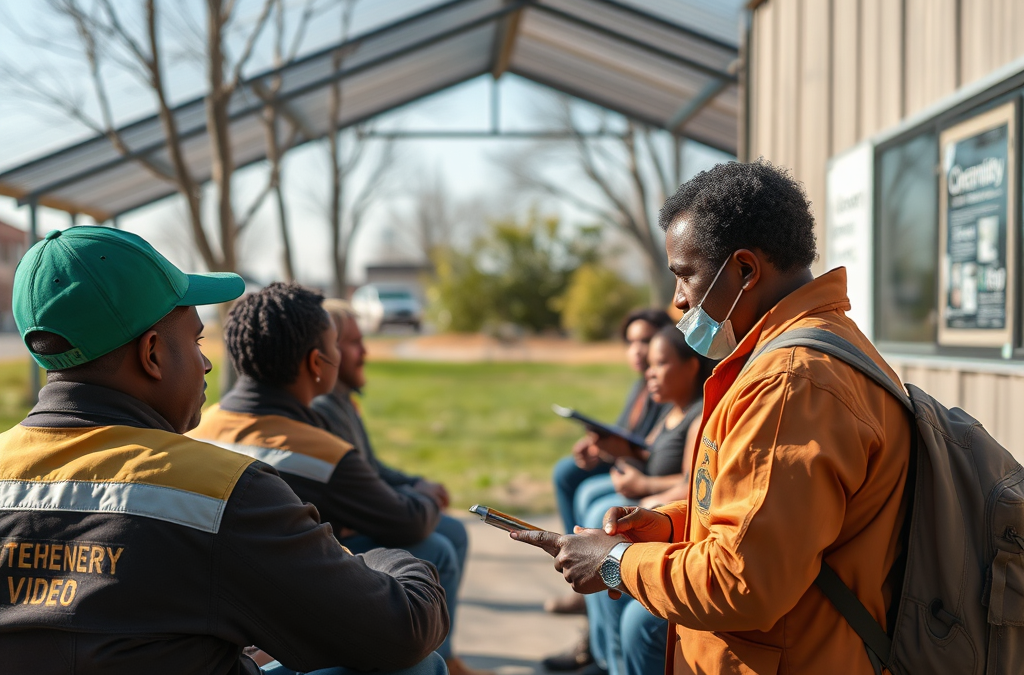
Community training for preparedness is essential as it cultivates a network of individuals equipped to respond effectively during emergencies. This training not only imparts critical skills like first aid and crisis communication but also fosters trust and collaboration among community members. Regular drills and training sessions enhance overall safety, allowing residents to practice their responses and identify weaknesses in their emergency plans. By prioritizing community involvement in preparedness efforts, neighborhoods can significantly improve their resilience and response times during crises, ultimately leading to a safer environment for all.
Understanding Community Training
Community training refers to organized efforts aimed at equipping individuals within a community with the knowledge and skills necessary to respond effectively during emergencies. This training encompasses various aspects, including first aid, disaster response, and crisis communication. Understanding the importance of community training is vital, as it creates a network of prepared individuals who can act quickly in the face of adversity.
Effective community training enhances local resilience by fostering a collective approach to preparedness. When community members are trained together, they develop trust and camaraderie, which are essential during emergencies. This collective understanding of local risks and resources allows for a more coordinated response, improving overall safety and security.
Benefits of Community Training
The benefits of community training for preparedness are multifaceted. First and foremost, it builds a network of informed individuals ready to assist each other. Training sessions can cover critical skills such as basic first aid, emergency evacuation procedures, and communication strategies, ensuring that everyone knows their role during a crisis.
Moreover, community training enhances the overall safety of neighborhoods. For instance, communities that regularly conduct drills for natural disasters are often better prepared than those that do not. These drills help individuals practice their responses, identify potential weaknesses in their plans, and refine their strategies. In addition, having a trained community can lead to faster response times during emergencies, as individuals are less likely to panic and more likely to take appropriate action.

Common Misconceptions
Despite the clear advantages of community training, several misconceptions persist. One common belief is that only emergency services should handle preparedness training. This notion underestimates the value of community involvement and the unique insights local residents can provide regarding their specific risks and resources. Another misconception is that training is unnecessary for small communities, which can be detrimental. Every community, regardless of size, faces potential emergencies that require coordinated responses.
Furthermore, some individuals may believe that training is only beneficial for specific groups, such as volunteers or first responders. In reality, every community member plays a role in preparedness, and training should be inclusive. By engaging all residents, communities can ensure a more comprehensive approach to emergency response.
Implementing Effective Training Programs
To implement effective community training programs, it is essential to assess local needs and resources. Communities should begin by identifying potential risks, such as natural disasters, health emergencies, or security threats. Once these risks are understood, training programs can be tailored to address specific needs.
Collaboration with local organizations, emergency services, and volunteers can enhance the effectiveness of training initiatives. By pooling resources and expertise, communities can develop comprehensive training sessions that cover a wide range of scenarios. Additionally, regular drills and exercises should be incorporated into training programs to reinforce skills and ensure participants remain engaged.
For those interested in learning more about community training and preparedness, consider exploring resources from local emergency management agencies, community organizations, or national preparedness initiatives. These resources can provide valuable insights into developing effective training programs.
Frequently Asked Questions
What is community training for preparedness?
Community training for preparedness involves organized efforts to equip individuals with skills necessary for effective emergency response, fostering collaboration and resilience.
Why is community training important?
It builds a network of prepared individuals, enhances local resilience, and improves response times during emergencies, ultimately ensuring community safety.
What are common misconceptions about community training?
Common misconceptions include the belief that only emergency services should handle preparedness training and that training is unnecessary for small communities.
How can communities implement effective training programs?
Communities should assess local risks, collaborate with organizations, and incorporate regular drills to create tailored and engaging training sessions.
Who should participate in community training?
All community members should participate in training programs to ensure a comprehensive approach to preparedness and effective emergency response.
Further Reading
Authoritative Sources
- Ready.gov Preparedness Guidance
ready.govFederal preparedness guidance for household planning, alerts, supplies, and emergencies
- American Red Cross Emergency Preparedness
redcross.orgEmergency preparedness resources for families, disasters, and practical safety planning
- FEMA Preparedness Resources
fema.govNational preparedness resources for planning, mitigation, and response readiness
Conclusion
Community training for preparedness is vital for building resilient networks and enhancing local response capabilities. By engaging all community members, fostering collaboration, and implementing tailored training programs, communities can significantly improve their readiness for emergencies. Prioritizing community involvement in training efforts not only enhances safety but also strengthens relationships among residents, ensuring a united front during crises. As communities prepare for potential challenges, investing in training programs will yield lasting benefits.
Related Content
- Common Mistakes in Emergency Preparedness Kits: Key Items to Avoid and Include
- Preparing for Extreme Weather: Tips and Techniques
- The Ultimate Emergency Preparation Guide 2025: 10 Effective Tips to Stay Safe
- The Risks of Over-Reliance on Technology in Emergencies: Understanding Limitations and Consequences
- 5 Simple Steps to Prepare for Flooding




