
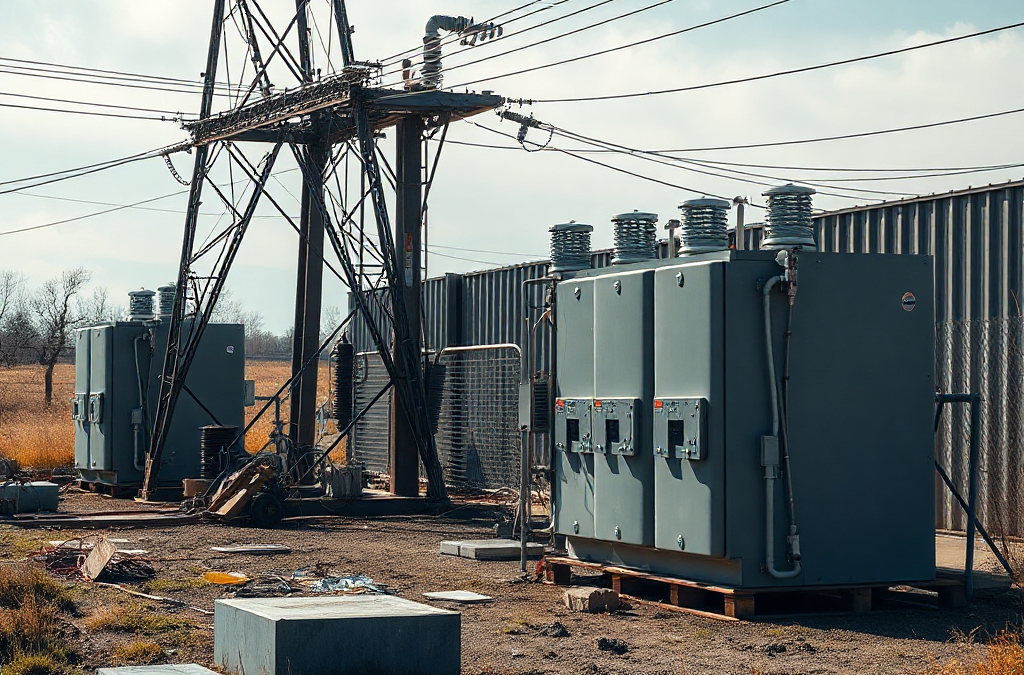
Neglecting power source alternatives can result in severe energy shortages, soaring costs, and detrimental environmental effects. This overreliance on traditional energy sources exposes societies to vulnerabilities, particularly during geopolitical tensions or natural disasters that disrupt supply chains. Additionally, failing to embrace diverse energy solutions stifles innovation and technological advancements, ultimately hindering economic growth and competitiveness in the global market. To mitigate these risks, it is essential for individuals and organizations to invest in a mix of renewable and alternative energy sources, thereby enhancing energy security and promoting sustainability.
Understanding Power Source Alternatives
Power source alternatives refer to various energy generation methods that differ from traditional fossil fuels. These alternatives include renewable energy sources such as solar, wind, hydroelectric, and geothermal power, as well as nuclear energy. Understanding these alternatives is crucial as they offer sustainable solutions to meet energy demands without depleting finite resources.
Embracing power source alternatives not only addresses the growing energy needs but also aligns with global efforts to combat climate change. By investing in a mix of energy sources, individuals and organizations can create a resilient energy portfolio that reduces dependence on any single source. However, neglecting these alternatives can lead to missed opportunities for innovation and sustainability.
Impacts of Neglecting Alternatives
Neglecting power source alternatives can have far-reaching impacts on energy security and economic stability. When societies rely heavily on a limited range of energy sources, they become vulnerable to fluctuations in supply and price. This overreliance can lead to energy crises, especially in times of geopolitical tensions or natural disasters that disrupt traditional energy supplies.
Moreover, ignoring alternative power sources can stifle technological advancements in energy efficiency and storage. Countries that fail to adopt innovative energy solutions risk falling behind in the global energy transition, limiting their competitiveness and economic growth. The consequences of such neglect can be profound, affecting everything from consumer prices to national security.

Economic Consequences
The economic ramifications of neglecting power source alternatives are significant. High dependence on fossil fuels often results in volatile energy prices, impacting household budgets and business operations. As fossil fuel reserves dwindle and extraction costs rise, consumers face higher energy bills, which can strain local economies.
Additionally, the lack of investment in alternative energy sources can result in lost job opportunities in emerging sectors such as renewable energy technology and sustainable infrastructure. By not diversifying energy portfolios, regions may miss out on the economic benefits of green jobs and innovation, which are increasingly critical in a rapidly changing job market.
Environmental Implications
From an environmental perspective, neglecting power source alternatives contributes to ongoing climate change and ecosystem degradation. Traditional energy sources, particularly fossil fuels, are major contributors to greenhouse gas emissions, which are linked to global warming and extreme weather events. By failing to transition to cleaner energy sources, societies exacerbate these environmental challenges.
Furthermore, the environmental costs of fossil fuel extraction, including habitat destruction and water pollution, highlight the urgent need for alternative energy solutions. Investing in renewable energy not only helps mitigate climate change but also promotes biodiversity and sustainable land use practices, fostering a healthier planet for future generations.
Frequently Asked Questions
What are the main power source alternatives?
Main power source alternatives include renewable sources like solar, wind, hydroelectric, geothermal, and nuclear energy.
How does neglecting alternatives impact energy prices?
Neglecting alternatives can lead to higher energy prices due to overreliance on fossil fuels, which are subject to market volatility.
What are the environmental risks of sticking to traditional energy sources?
Traditional energy sources contribute to greenhouse gas emissions, climate change, and habitat destruction, harming ecosystems.
Can investing in alternatives create job opportunities?
Yes, investing in alternative energy sources can create jobs in renewable energy technology and sustainable infrastructure sectors.
Why is energy diversification important?
Energy diversification enhances energy security, reduces risks from supply disruptions, and fosters innovation in energy technologies.
Further Reading
Authoritative Sources
- International Renewable Energy Agency (IRENA)
irena.orgThis organization provides valuable insights into the benefits and advancements in renewable energy technologies
- National Renewable Energy Laboratory (NREL)
nrel.govNREL conducts research on renewable energy and energy efficiency technologies, offering data and analysis
- Environmental Protection Agency (EPA)
epa.govThe EPA provides information on the environmental impacts of energy production and strategies for sustainable practices
Conclusion
Neglecting power source alternatives poses significant risks, including economic instability, environmental degradation, and energy insecurity. To mitigate these consequences, both individuals and organizations must prioritize the adoption of diverse energy solutions. By investing in alternative power sources, we can enhance resilience, drive economic growth, and protect the environment for future generations. Embracing change in energy consumption is not just beneficial; it is essential for a sustainable future.
Related Content
- How to Build a Survival Bunker on a Budget
- The Ultimate Guide to Basic Disaster Prep: 10 Effective Tips for 2025
- How to Manage Emergency Communication in a Crisis: Effective Channels and Strategies
- Why Most People Fail at Disaster Preparedness
- How to Effectively Share Resources in Community Prepper Groups: Best Practices and Resource Management Techniques




