
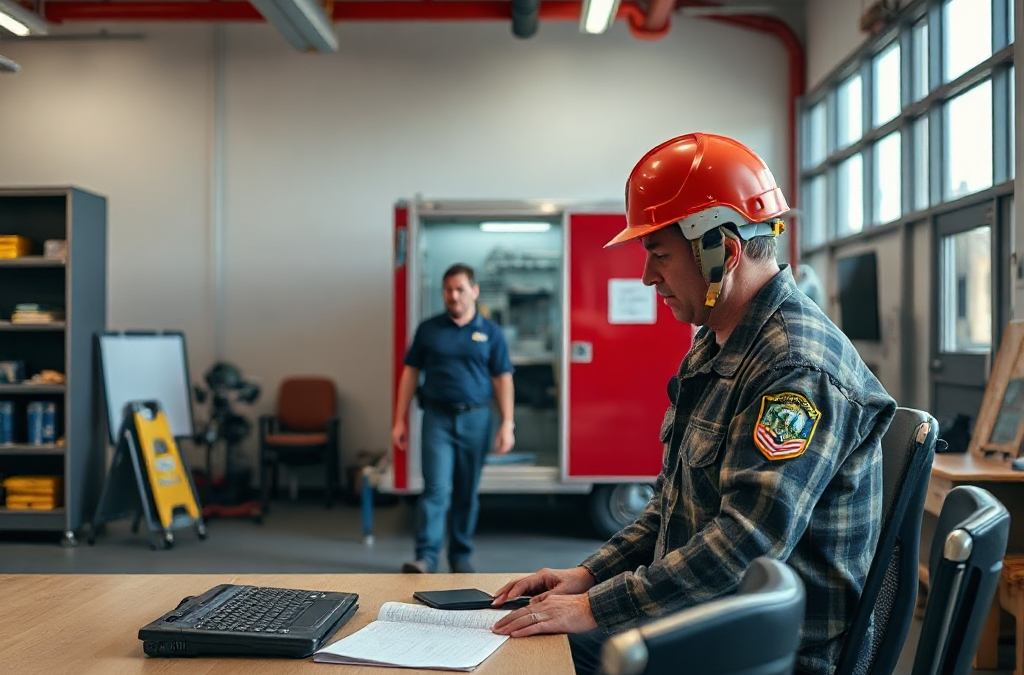
To assess the effectiveness of your emergency drills, establish key performance indicators (KPIs) that reflect your organization's goals, such as evacuation time and task completion rates. Collect participant feedback through debriefings and surveys to gain insights into their experiences and perceptions of the drill's realism. Regularly reviewing both quantitative metrics and qualitative feedback will help identify strengths and weaknesses in your drills. This comprehensive approach not only enhances preparedness but also fosters a culture of continuous improvement, ensuring that future drills are more effective and aligned with real-life scenarios.
Identifying Key Performance Indicators
To effectively assess emergency drills, it’s vital to establish key performance indicators (KPIs) that align with your organization’s objectives. These KPIs can include metrics such as the time taken to evacuate a building, the number of participants who successfully complete assigned tasks, and the accuracy of responses to simulated emergencies. By quantifying these elements, you can gauge the efficiency and effectiveness of your drills.
For instance, if a drill’s objective is to evacuate a facility in under five minutes, measuring the actual time taken allows you to determine if participants are meeting expectations. Evaluating these KPIs not only highlights strengths but also uncovers weaknesses that need addressing, ensuring that future drills are more effective.
Participant Feedback and Observations
Gathering feedback from participants is crucial for a comprehensive assessment of emergency drills. After each drill, conduct debriefings to discuss what went well and what could be improved. Encourage open dialogue, allowing participants to share their experiences and observations. This feedback offers valuable insights that quantitative metrics alone may not reveal.
Consider using surveys or questionnaires to collect structured feedback, focusing on aspects like clarity of instructions, perceived realism of the scenario, and overall confidence in responding to emergencies. This qualitative data complements the quantitative KPIs and provides a holistic view of drill effectiveness.

Realistic Scenario Simulation
Realism in emergency drills is essential for effective training. Ensure that scenarios closely mimic potential real-life situations to prepare participants adequately. This includes using actual equipment, realistic timelines, and involving all relevant stakeholders, such as emergency services when possible.
For example, if you are conducting a fire drill, use smoke machines, alarms, and even emergency responders to create a more immersive experience. This realism not only enhances engagement but also allows participants to practice critical decision-making under pressure. Evaluating how well participants navigate these realistic scenarios can help you identify gaps in training and areas for improvement.
Continuous Improvement and Training
Assessment of emergency drills should not be a one-time event; it requires an ongoing commitment to improvement. After analyzing performance data and feedback, develop action plans to address identified weaknesses. This may involve additional training sessions, revising protocols, or modifying drill scenarios to enhance effectiveness.
Additionally, consider implementing a regular schedule for drills to ensure skills remain sharp. Continuous training reinforces knowledge and prepares participants for actual emergencies. By fostering a culture of preparedness and responsiveness, your organization will be better equipped to handle real-life crises.
Frequently Asked Questions
What are the main goals of emergency drills?
The main goals are to improve preparedness, enhance response skills, and ensure participants can effectively handle real emergencies.
How often should emergency drills be conducted?
Emergency drills should be conducted regularly, typically at least twice a year, to maintain readiness and reinforce skills.
What should be included in the debriefing after a drill?
Debriefings should include performance evaluation, participant feedback, areas for improvement, and action items for future drills.
How can realism be incorporated into drills?
Realism can be incorporated by using actual equipment, simulating real-life scenarios, and involving emergency services when appropriate.
What are common mistakes during emergency drills?
Common mistakes include lack of clarity in instructions, insufficient realism, and not allowing enough time for participants to complete tasks.
Further Reading
Authoritative Sources
- Ready.gov
ready.govA comprehensive resource for emergency preparedness, offering guidelines and best practices for conducting effective drills
- FEMA
fema.govProvides a wealth of information on emergency management and preparedness, including tools for evaluating drill effectiveness
- National Fire Protection Association (NFPA)
nfpa.orgOffers resources on fire safety and emergency preparedness, including best practices for conducting drills
Conclusion
Assessing the effectiveness of your emergency drills is crucial for ensuring preparedness and improving response capabilities. By focusing on key performance indicators, gathering participant feedback, and creating realistic scenarios, you can enhance the value of your drills. Continuous improvement through regular training and evaluation will foster a culture of readiness within your organization, ultimately leading to better outcomes in real emergencies.
Related Content
- Issues With Second-Hand Preparedness Gear: Common Risks and Evaluation Criteria
- Surviving the First 72 Hours of a Crisis: What You Need to Know
- Preparedness for Effective Response Under Resource Limits: Priorities, Tradeoffs, and Field-Tested Methods
- Basic Go Bag Items: Essential Supplies for Emergency Preparedness
- Survival Skills Training for the Whole Family




