
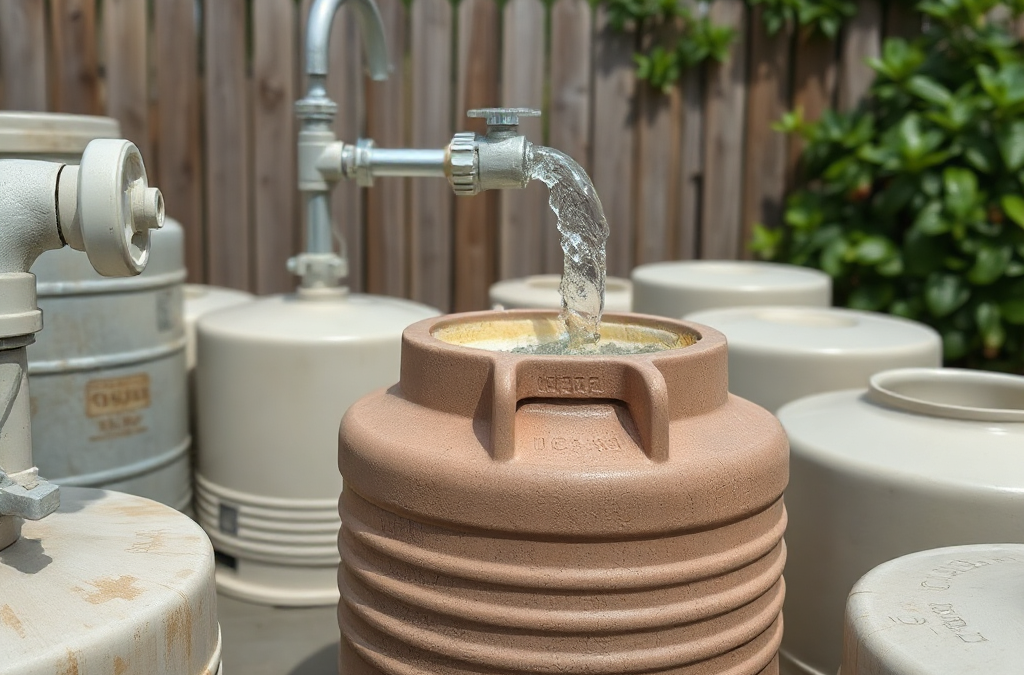
Common misconceptions about emergency water storage can severely impact preparedness. Many individuals mistakenly believe that tap water can be stored indefinitely, but it can become unsafe over time due to contamination. It's essential to store at least one gallon of water per person per day for a minimum of three days, ideally extending to two weeks to cover all needs, including cooking and sanitation. Additionally, not all containers are suitable; using food-grade containers specifically designed for water storage is vital to prevent harmful chemical leaching. Understanding these facts ensures that families are better equipped for emergencies.
Understanding Water Storage Needs
Water storage is a critical component of emergency preparedness, yet many people misunderstand how much water they truly need. The general guideline is to store at least one gallon of water per person per day for a minimum of three days, but ideally, this should extend to two weeks. This requirement encompasses drinking, cooking, and sanitation needs. Misconceptions arise when individuals underestimate their family’s total water needs, often forgetting to account for pets or additional cooking requirements during emergencies.
Moreover, environmental factors can influence water consumption. For instance, during extreme heat or physical exertion, the body requires more hydration. Thus, planning for a larger reserve is advisable. It is also essential to consider the specific needs of vulnerable populations, such as children, the elderly, or those with medical conditions, who may require additional hydration. Understanding these factors helps ensure adequate preparation for any emergency situation.
Choosing the Right Storage Containers
Not all containers are suitable for water storage, and using the wrong type can lead to contamination. Many people mistakenly believe that any plastic container will suffice, but it is crucial to use food-grade containers specifically designed for water storage. These containers are made to withstand the conditions necessary for safe water preservation without leaching harmful chemicals.
Common options include commercially available water storage barrels, which can hold large quantities and are designed for long-term storage. Alternatively, smaller food-grade plastic bottles can be used for smaller supplies. It’s essential to avoid containers that previously held non-food substances, as residues can contaminate the water. Additionally, storing water in clear containers can lead to algae growth if exposed to sunlight; thus, opaque containers are recommended for long-term storage.

Common Mistakes in Water Storage
Many individuals make critical mistakes emergency water storage. One prevalent misconception is that tap water can be stored indefinitely. In reality, even treated tap water can become contaminated over time, especially if not stored correctly. It is recommended to replace stored water every six months to ensure its safety.
Another common error is neglecting to prepare for water filtration and purification methods. In emergencies, access to clean water may be limited, so having a plan for filtering and treating water is essential. Relying solely on stored water without considering backup purification methods can leave individuals unprepared.
Additionally, some people overlook the importance of labeling their water containers with the storage date. This simple practice helps keep track of when to rotate supplies, ensuring that older water is used first. By addressing these common mistakes, individuals can significantly enhance their emergency water preparedness.
Maintaining Your Water Supply
Proper maintenance of stored water is vital to ensure its safety and usability. Regularly inspecting storage containers for leaks or damage helps prevent contamination. It is advisable to clean and sanitize containers before refilling them with water. A solution of one teaspoon of unscented liquid chlorine bleach per quart of water can effectively sanitize containers.
Furthermore, if water is stored for an extended period, periodic testing for clarity and odor is essential. If the water appears cloudy or has an unusual smell, it should be discarded, and the container should be cleaned before refilling. Ensuring that stored water remains uncontaminated and safe for consumption is paramount for effective emergency preparedness.
Frequently Asked Questions
How long can water be stored safely?
Water can be safely stored for up to six months, after which it should be replaced to ensure safety.
What type of container is best for water storage?
Food-grade plastic containers are the best choice for water storage, as they do not leach harmful chemicals.
Should I treat tap water before storing it?
If the tap water is from a municipal source, it is generally treated and safe to store; however, it is advisable to sanitize containers before filling.
How much water should I store per person?
It is recommended to store at least one gallon of water per person per day for a minimum of three days.
What should I do if my stored water smells bad?
If stored water has a bad smell, it should be discarded, and the container should be cleaned and sanitized before refilling.
Further Reading
Authoritative Sources
- Ready.gov Preparedness Guidance
ready.govFederal preparedness guidance for household planning, alerts, supplies, and emergencies
- American Red Cross Emergency Preparedness
redcross.orgEmergency preparedness resources for families, disasters, and practical safety planning
- FEMA Preparedness Resources
fema.govNational preparedness resources for planning, mitigation, and response readiness
Related Content
- 10 Essential Tips on How to Prepare for Hurricanes (2025)
- The Best Way to Store Emergency Medical Supplies
- Household Preparedness Plan: Essential Steps for Effective Emergency Response
- Surviving the First 24 Hours of a Disaster: What You Need to Do Now
- Emergency Response Essentials: Key Supplies and Actions for Effective Crisis Management




