
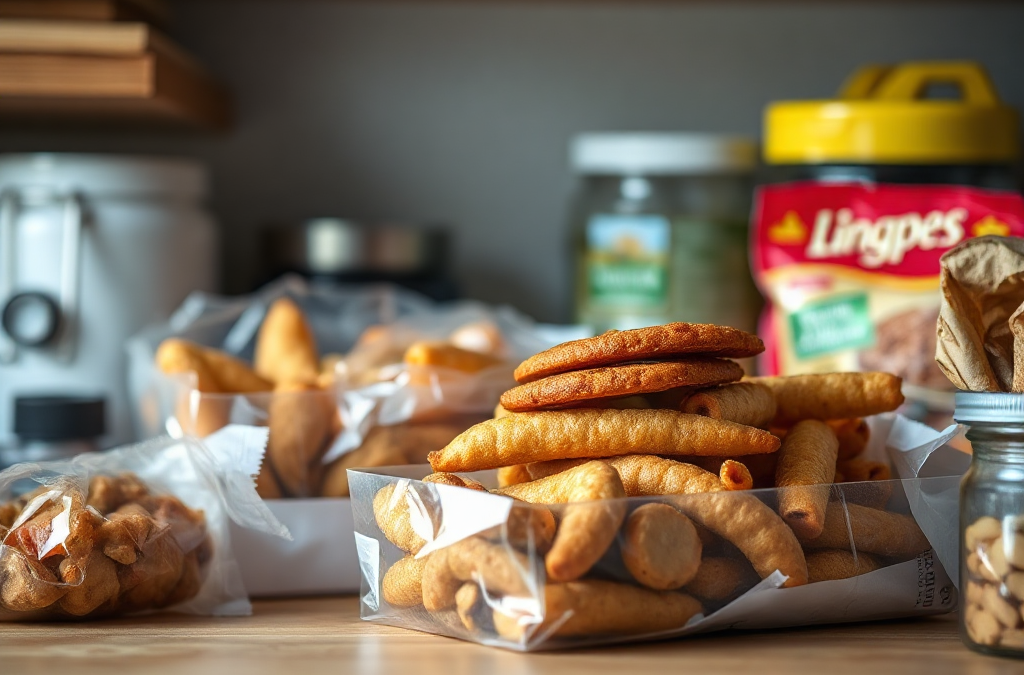
To evaluate the long-term viability of prepper foods, focus on their shelf life, nutritional content, and proper storage methods. Select items with extended shelf lives, like freeze-dried or dehydrated foods, and store them in a cool, dry environment to prevent spoilage. Regularly inspect your supplies for any signs of deterioration and implement a rotation system to use older items first. Additionally, prioritize a balanced selection of food groups to ensure adequate nutrition during emergencies, avoiding those high in preservatives that may compromise health over time.
Understanding Shelf Life and Expiration Dates
The shelf life of prepper foods is crucial for ensuring their long-term viability. Shelf life indicates how long a food product will maintain its quality and safety when stored correctly. It’s important to distinguish between “best by” dates and actual expiration dates. Foods may still be safe to consume after their best by date, but their quality may decline.
For example, canned goods typically last for several years beyond their best by dates, while dry products like grains or legumes can last even longer if stored in airtight containers. Regularly checking the shelf life of your food supplies and understanding what these dates mean can help in planning your food storage strategy.
Nutritional Value and Food Selection
Nutritional value is another key factor in evaluating the viability of prepper foods. It’s essential to choose foods that provide a balanced diet, especially during emergencies when fresh produce may not be available. Focus on a variety of food groups, including proteins, carbohydrates, and fats, to ensure you meet your nutritional needs.
Consider adding foods like canned beans, freeze-dried vegetables, and high-calorie snacks such as nuts or granola bars. These not only have a long shelf life but also provide essential nutrients. However, be cautious of foods high in preservatives or artificial ingredients, as they may not be as beneficial for your health in the long run.

Storage Conditions and Best Practices
Proper storage conditions are vital for maintaining the viability of prepper foods. Temperature, humidity, and light exposure can significantly impact food quality. Most prepper foods should be stored in a cool, dark, and dry place to maximize their shelf life.
Using airtight containers, vacuum sealing, or mylar bags with oxygen absorbers can help extend the longevity of your food supplies. Additionally, regularly checking the storage area for signs of pests or moisture can prevent spoilage and waste.
Common Mistakes to Avoid
One common mistake many make is overstocking on a limited variety of foods, which can lead to nutritional deficiencies. It’s essential to diversify your food storage to include a range of nutrients. Another mistake is failing to rotate supplies; regularly consuming and replenishing your stock ensures that food remains fresh and safe to eat.
Additionally, neglecting to check for damage or spoilage can lead to unexpected waste. Make it a habit to regularly inspect your food storage and maintain a clear inventory of what you have.
Frequently Asked Questions
What types of prepper foods last the longest?
Foods like freeze-dried meals, canned goods, and dehydrated fruits can last for many years, often exceeding 20 years if stored properly.
How should I store prepper foods?
Store prepper foods in a cool, dry, and dark place, using airtight containers to protect against moisture and pests.
How often should I check my food supplies?
Regular checks every six months are recommended to ensure food is still viable and to rotate supplies as necessary.
Can I eat food after the expiration date?
Many foods are safe to eat after their expiration date, but quality may decline; always check for signs of spoilage first.
What are some common mistakes when prepping food?
Common mistakes include overstocking on a narrow variety of foods, neglecting to rotate supplies, and not checking for spoilage regularly.
Further Reading
Authoritative Sources
- Food Product Dating
fda.govThis resource provides insights into food labeling and expiration dates, helping you understand how long various foods can last
- Food Storage Guidelines
extension.purdue.eduPurdue.eduPurdue Extension offers a comprehensive guide on food storage practices to ensure safety and quality
- USDA Food Safety Information
fsis.usda.govUsda.govThe USDA provides essential information about food safety standards and storage recommendations
Conclusion
Evaluating the long-term viability of prepper foods involves understanding shelf life, selecting nutritionally balanced options, and ensuring proper storage. Prioritize a diverse food supply, regularly check for spoilage, and maintain suitable storage conditions to maximize the longevity of your food. By avoiding common mistakes and staying informed, you can effectively prepare for future needs and ensure your food supplies remain safe and nutritious.
Related Content
- From Chaos to Control: Mastering the Art of Disaster Preparedness
- How to Identify the Best First Aid Supplies for Emergencies: A Practical Checklist and Essential Items
- 5 Essential Steps to Disaster Preparedness: Are You Ready
- The Challenges of Prepping Without a Yard: Urban Solutions and Strategies
- Joseph: An Important Preparation Call




