
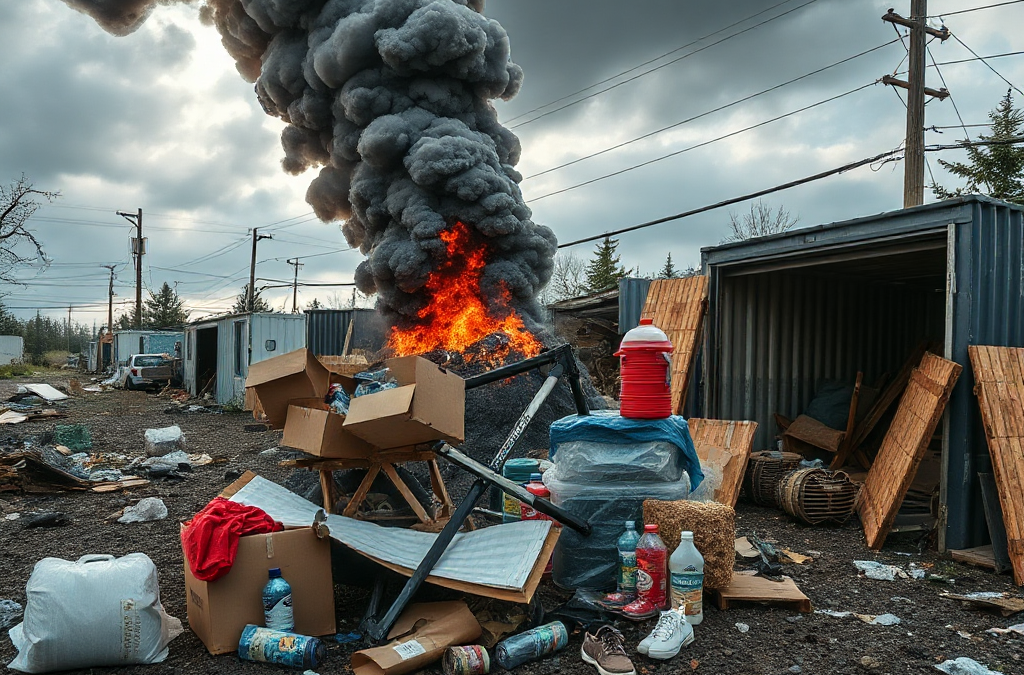
Preparing for specific natural disasters presents unique challenges that require tailored strategies. For example, when facing hurricanes, it's crucial to establish a reliable evacuation plan and secure your property against potential flooding and high winds. In contrast, earthquake preparedness focuses on ensuring structural safety and having emergency kits readily accessible. Each disaster type demands an understanding of its specific risks and timelines, which can significantly impact your readiness. By recognizing these differences, you can effectively address the obstacles associated with each natural disaster and enhance your overall preparedness.
Understanding Natural Disasters
Natural disasters vary significantly in their causes, impacts, and required preparations. For instance, floods, earthquakes, and wildfires each necessitate unique responses. Understanding the specific characteristics of these events—such as the speed of onset, duration, and potential damage—is vital for effective preparedness. Floods may develop gradually, allowing time for evacuation, while earthquakes occur suddenly, leaving little to no time for response.
Furthermore, geographical factors play a crucial role in disaster risk. Coastal areas may be more susceptible to hurricanes, while regions near fault lines face earthquake threats. Knowing the specific natural disasters that are most likely to occur in your area enables you to tailor your preparedness efforts, ensuring that your supplies and plans are relevant and effective.
Tailoring Your Preparations
Prepping for specific natural disasters requires a customized approach. Each type of disaster presents unique challenges that influence the necessary supplies and response strategies. For example, when preparing for hurricanes, it is essential to have a reliable evacuation plan, adequate food and water supplies, and a means to secure your home against high winds and flooding. In contrast, prepping for a wildfire necessitates creating defensible space around your property and having an evacuation kit ready.
Additionally, understanding the timeline for each type of disaster is crucial. Some events, like hurricanes, may provide advance warning, allowing for more comprehensive preparation. Others, such as earthquakes, strike without notice, requiring a focus on immediate safety measures and emergency kits that can be accessed quickly. This distinction highlights the importance of being proactive and adaptable in your preparedness efforts.

Common Mistakes in Disaster Prep
Many individuals and families make critical errors when preparing for natural disasters. One common mistake is underestimating the severity of the threat. For instance, people may believe they are safe from flooding if they live on elevated ground, ignoring the possibility of flash floods or water runoff from surrounding areas. This can lead to inadequate preparation and a lack of necessary supplies.
Another frequent oversight is failing to update emergency plans and supplies regularly. As circumstances change—such as new family members, changes in mobility, or the aging of supplies—it’s essential to reassess and revise your preparations. Regular drills can also help ensure that everyone in the household knows what to do when disaster strikes, reducing panic and confusion during an actual event.
Evaluating Your Resources
Assessing your resources is a critical aspect of effective disaster preparedness. This evaluation includes not only physical supplies but also community resources and support networks. Identify local emergency services, shelters, and community groups that can provide assistance during disasters. Establishing connections with neighbors can also enhance collective preparedness, as sharing resources and information can be invaluable during a crisis.
Consideration of financial resources is equally important. Investing in quality supplies and equipment can make a significant difference in your ability to respond effectively. However, it’s essential to balance expenditure with practicality; not all high-cost items are necessary for every type of disaster. Create a prioritized list of what you need based on the specific risks you face, ensuring that your resources are allocated effectively.
Frequently Asked Questions
What are the most common types of natural disasters?
The most common types include hurricanes, earthquakes, floods, wildfires, and tornadoes, each requiring distinct preparation strategies.
How can I ensure my family is prepared for a disaster?
Develop a comprehensive emergency plan, conduct regular drills, and maintain an updated supply kit tailored to potential disasters in your area.
What supplies are essential for disaster preparedness?
Essential supplies include non-perishable food, water, first aid kits, flashlights, batteries, and important documents stored securely.
How often should I review my emergency plan?
Review your emergency plan at least once a year or whenever significant life changes occur, such as moving or changes in family composition.
What role does community play in disaster preparedness?
Community resources, networks, and support can significantly enhance individual preparedness, providing assistance and information during disasters.
Further Reading
Authoritative Sources
- Library of Congress Research Guides
guides.loc.govResearch guides that help readers locate reliable background sources on a wide range of subjects
- USA.gov Official Information and Services
usa.govOfficial U.S. government information and public resources for practical reference
- Google Scholar
scholar.google.comAcademic search resource for finding research literature and source material
Conclusion
Effectively preparing for specific natural disasters involves understanding the unique challenges each type presents and tailoring your response accordingly. By identifying potential risks, regularly updating your emergency plans, and evaluating available resources, you can significantly improve your readiness. Prioritize practical steps and actively engage with your community to ensure a comprehensive approach to disaster preparedness.
Related Content
- Learning to Fish For Preparedness
- Preparedness During Crisis: Essential Steps for Effective Response Strategies
- Emergency Communication Failures and Solutions: Identifying Causes and Effective Strategies
- Significance Of Hygiene In Your Emergency Situation Preparedness Plan
- How to Filter and Store Water Long Term




