
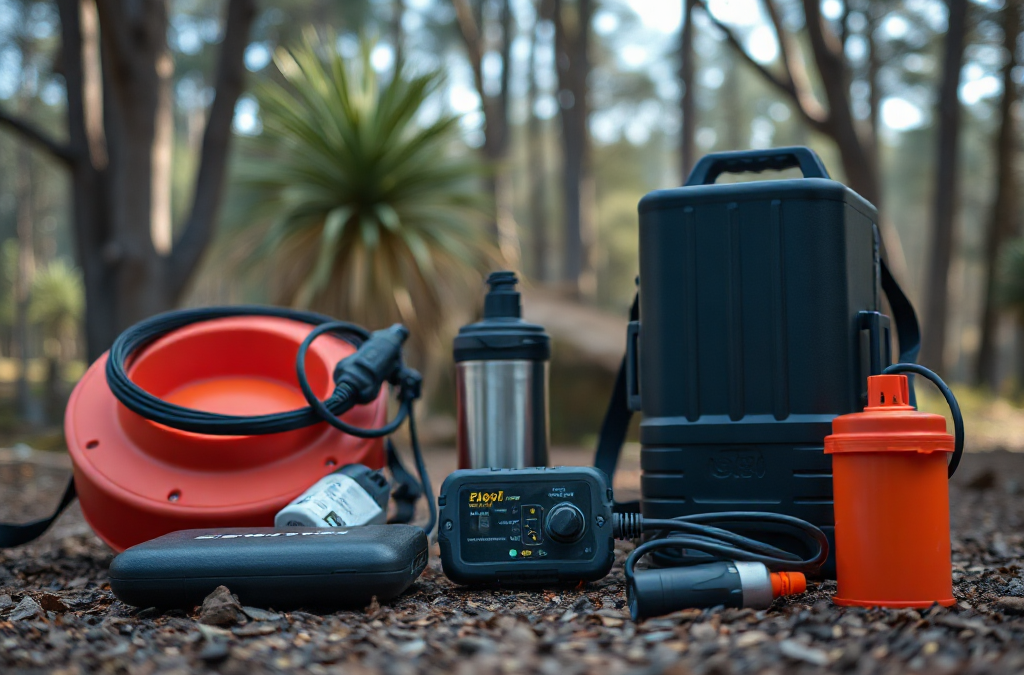
Portable power sources are essential in prepping as they provide reliable energy during emergencies, enabling the use of critical devices. These sources can be solar-powered, battery-operated, or generator-based, each suited to different situations. For example, solar systems are great for sustainable long-term use but may falter in poor weather, while battery-operated devices offer portability for immediate needs but require recharging. Preppers should assess their specific requirements and the limitations of each type to ensure they are adequately prepared for any scenario.
Understanding Portable Power Sources
Portable power sources are vital for preparedness, especially in emergency situations where access to electricity is compromised. These devices ensure that essential equipment remains functional, supporting communication, medical needs, and basic lighting. Their importance cannot be overstated, as they bridge the gap between a reliable power supply and the unpredictable nature of disaster scenarios.
In prepping, it’s crucial to recognize that not all power sources are created equal. Each type has its unique strengths and weaknesses, which can significantly impact your emergency response. For instance, during a power outage, a portable power source can mean the difference between maintaining critical operations or being left in the dark.
Types of Portable Power Sources
Portable power sources can be broadly categorized into three main types: solar-powered systems, battery-operated devices, and generators. Each type serves different needs and comes with its own set of advantages and limitations.
Solar-Powered Systems: These are ideal for long-term prepping scenarios where sustainability is key. Solar panels can recharge batteries during the day, providing a renewable energy source. However, their efficiency can be weather-dependent, making them less reliable during prolonged cloudy conditions.

Battery-Operated Devices: Batteries can be a quick solution for short-term power needs. They are easy to transport and can power small devices such as lights, radios, and phones. The main drawback is their limited capacity and the need for recharging, which may not be feasible during extended outages.
Generators: Generators can provide substantial power and are excellent for heavy-duty needs, such as running refrigerators or medical equipment. However, they require fuel, which can be a challenge to store and transport. Additionally, they can be noisy and produce emissions, requiring proper ventilation.
Choosing the Right Power Source for Your Needs
When selecting a portable power source, consider your specific needs and the scenarios you are preparing for. Start by assessing the essential devices you need to power during an emergency. This could include medical equipment, communication devices, or basic lighting.
Next, evaluate the duration you expect to be without traditional power. For short outages, battery-operated devices may suffice, while long-term scenarios may require a combination of solar and generator power. Additionally, consider the portability of the device—how easy it is to transport and set up can influence your choice.
Finally, assess the space and resources available for storage. Some power sources, like large generators, require more space and fuel storage than smaller battery packs or solar setups, which may be more suitable for confined living situations.
Common Mistakes to Avoid When Using Portable Power Sources
One common mistake is underestimating the power needs of essential devices. Always calculate the wattage requirements of your devices to ensure that your power source can handle the load. Failing to do so can lead to overloading the system, resulting in equipment failure or damage.
Another pitfall is neglecting maintenance. Portable power sources require regular checks and maintenance to ensure they function properly when needed. For example, solar panels should be cleaned regularly to maximize efficiency, while batteries need to be charged periodically to maintain their lifespan.
Lastly, many preppers overlook the importance of having a backup plan. Relying solely on one type of power source can be risky. It’s advisable to have multiple options available, so if one fails, you have alternatives to rely on.
Frequently Asked Questions
What is the best portable power source for prepping?
The best portable power source depends on your specific needs. Solar power is great for sustainability, while generators provide high capacity for heavy-duty needs.
How long can a portable power source last?
The duration a portable power source lasts varies by type and usage. Battery-operated sources may last hours, while solar setups can provide ongoing power with proper sunlight.
Are portable generators safe to use indoors?
No, portable generators should never be used indoors due to the risk of carbon monoxide poisoning. Always operate them in well-ventilated outdoor areas.
Can solar power work in cloudy weather?
Yes, solar panels can still generate power in cloudy conditions, but their efficiency will be reduced. It's important to have a battery backup for cloudy days.
What should I consider when storing fuel for a generator?
When storing fuel for a generator, consider safety, expiration dates, and proper storage containers. Keep fuel in a cool, dry place away from ignition sources.
Further Reading
Authoritative Sources
- Power Outages
ready.govThis resource offers comprehensive guidance on preparing for power outages, including the importance of portable power sources
- How to Choose a Portable Generator
energy.govThis article provides insights into selecting the right generator for your needs, including safety considerations
- Portable Generator Buying Guide
consumerreports.orgConsumer Reports offers a detailed guide on various portable generators, including features and performance ratings
Conclusion
Portable power sources are indispensable for anyone serious about prepping. Whether you opt for solar panels, batteries, or generators, understanding their unique benefits and constraints is essential for effective emergency preparedness. Always evaluate your power needs, maintain your equipment, and have a backup plan to ensure you remain powered during critical situations. By making informed decisions about your portable power sources, you can enhance your readiness for any emergency.
Related Content
- Tips for Building a Windproof Shelter
- From Planning to Action: A Comprehensive Approach to Disaster Readiness
- The Ultimate Guide to Home Security During Disaster in 2025: 7 Effective Strategies
- Long Term Emergency Supplies: Essential Foods and Gear for Preparedness
- The Ultimate Guide to Homestead Preparedness Planning in 2025: 7 Effective Tips




