
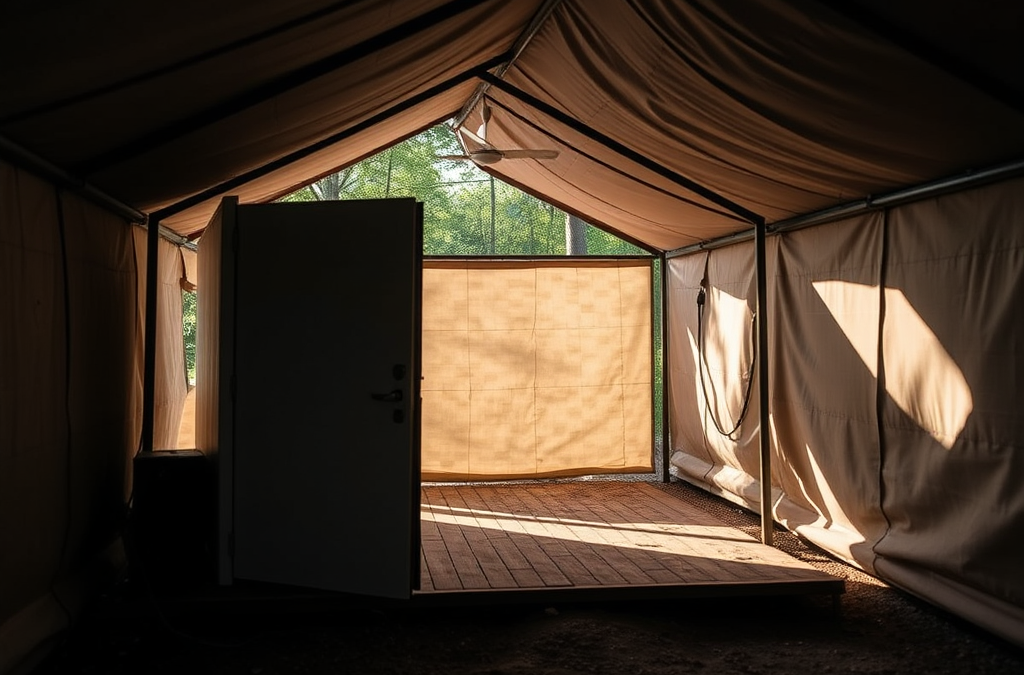
For instance, temporary shelters like tents are portable and quick to set up, but they may not offer the same level of protection as permanent structures. Conversely, community shelters often provide more resources but may be overcrowded and lack privacy. Prioritizing safety, accessibility, and resource availability will enhance your emergency preparedness.
Another critical consideration is the shelter’s location. Proximity to essential resources, such as food, water, and medical supplies, is vital. Evaluate the risks associated with the area, including potential natural disasters, and choose a shelter that minimizes those risks. Additionally, ensure that the shelter has adequate ventilation and insulation to protect against extreme weather conditions.
The direct answer to How to Choose the Right Shelter for Emergencies: Key Factors and Practical Considerations depends on choose, right, shelter and the specific conditions described in the article. For instance, temporary shelters like tents are portable and quick to set up, but they may not offer the same level of protection as permanent structures.
Types of Emergency Shelters
Emergency shelters can be classified into various types, including temporary, semi-permanent, and permanent structures. Each type has its advantages and disadvantages that you should weigh based on your specific circumstances.
Temporary shelters, such as tents and tarps, are lightweight and easy to transport, making them ideal for short-term use. However, they may not provide sufficient protection from harsh weather conditions. Semi-permanent shelters, like trailers or mobile homes, offer more durability and comfort but require a more significant investment. Permanent structures, such as reinforced buildings, provide the best protection but may not be feasible for every situation.
Assessing Shelter Locations
Location is a critical factor in choosing the right shelter for emergencies. Factors to consider include accessibility, proximity to resources, and the potential for natural disasters. A well-located shelter can make a significant difference in safety and survival.

Evaluate areas that are less prone to flooding, landslides, or other natural disasters. Ensure that the shelter is easily accessible for all members of your group, especially those with mobility issues. Additionally, consider the distance to nearby resources, such as food, water, and medical facilities, which can be crucial during an emergency.
Essential Supplies for Your Shelter
Equipping your emergency shelter with the right supplies is essential for comfort and survival. Basic supplies should include food, water, first aid kits, and sanitation items. Additionally, consider incorporating tools and equipment that can assist in maintaining the shelter.
Common items to include are non-perishable food items, portable water filters, flashlights, battery-operated radios, and extra blankets. Having a well-stocked shelter can help alleviate stress during emergencies and ensure that you are prepared for any situation.
Common Mistakes to Avoid
When selecting a shelter for emergencies, it’s easy to make mistakes that can jeopardize your safety. One common error is underestimating the importance of structural integrity. Always choose a shelter that can withstand environmental hazards, such as high winds or heavy snowfall.
Another mistake is failing to plan for adequate supplies. Ensure that you have enough resources to sustain your group for an extended period, as emergencies can often last longer than anticipated. Regularly review and update your supplies to ensure they remain suitable for use.

Further Reading
Authoritative Sources
- Library of Congress Research Guides
guides.loc.govResearch guides that help readers locate reliable background sources on a wide range of subjects
- USA.gov Official Information and Services
usa.govOfficial U.S. government information and public resources for practical reference
- Google Scholar
scholar.google.comAcademic search resource for finding research literature and source material
Frequently Asked Questions
What types of shelters are best for emergencies?
Temporary shelters like tents are portable and quick to set up, while permanent structures offer the best protection. Choose based on your specific needs and circumstances.
How do I assess the location of an emergency shelter?
Consider accessibility, proximity to resources, and the risk of natural disasters to ensure the shelter is safe and practical.
What essential supplies should I have in my emergency shelter?
Basic supplies include food, water, first aid kits, sanitation items, and tools for maintaining the shelter.
What common mistakes should I avoid when choosing a shelter?
Avoid underestimating the shelter’s structural integrity and failing to plan for adequate supplies, as these can jeopardize safety during emergencies.
How can I ensure my shelter is safe during an emergency?
Choose a shelter that is structurally sound, situated in a safe location, and equipped with adequate supplies to sustain your group.
Conclusion
Choosing the right shelter for emergencies is a critical decision that can greatly impact your safety and survival. Prioritize assessing your individual needs, understanding the types of shelters available, and evaluating their locations. Always ensure your shelter is well-stocked with essential supplies and avoid common mistakes like underestimating structural integrity. By taking these factors into account, you can enhance your preparedness and resilience during any emergency situation.
Related Content
- Storm Prep for Families: Essential Steps and Supplies for Safety
- 10 Powerful Ways to Create More Prepared Emergency Kits in 2025
- The Consequences of Ignoring Power Outages: Risks, Impacts, and Safety Measures
- The Importance of Ongoing Education in Emergency Preparedness: Essential Skills and Resources
- How to Choose the Right Gear for Your Survival Kit




