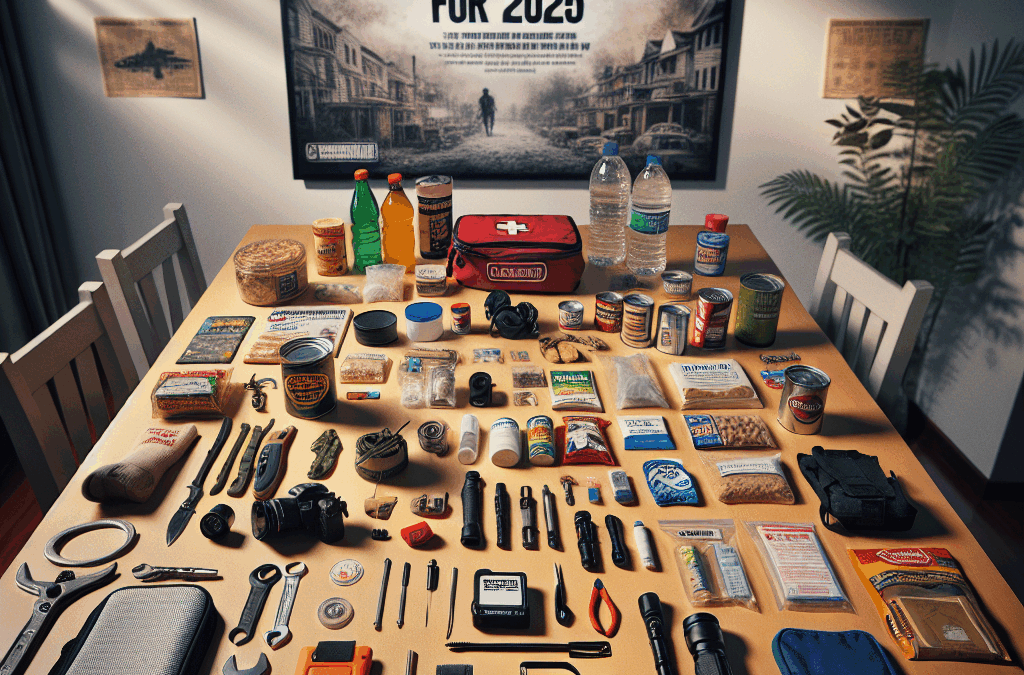
Prioritizing your prepping supplies is crucial. Consider the types of emergencies most likely to affect your area, such as natural disasters or civil unrest. It’s vital to have a clear plan for food storage, water purification, and emergency communication. Common mistakes include underestimating the amount of water needed or neglecting to practice emergency drills with your family.
Additionally, many people overlook the importance of a well-rounded supply kit that includes not only food and water but also hygiene products, medications, and tools for specific scenarios. Regularly reviewing and updating your supplies ensures they remain relevant and effective.
Understanding Non-Perishable Foods
Non-perishable foods are essential for any prepping strategy, as they can be stored for extended periods without spoiling. Focus on items such as canned goods, dried beans, rice, and freeze-dried meals. These foods provide necessary nutrients and can be easily prepared, even in challenging situations.
When selecting non-perishable foods, prioritize items that your family enjoys and will consume. This not only reduces waste but also ensures that everyone is willing to eat the supplies during an emergency. Additionally, consider the caloric density of your food choices, as you may require more energy than usual during stressful situations.
A common oversight is failing to rotate your food supplies. Regularly check expiration dates and replace items as needed to maintain freshness. Implementing a first-in, first-out system can help ensure that older items are used before they expire.
Water Storage and Purification Techniques
Water is one of the most critical resources to have during emergencies, as it’s essential for hydration, cooking, and sanitation. Aim to store at least one gallon of water per person per day for at least three days. Consider utilizing water storage containers that are designed for long-term storage, ensuring they are food-grade and BPA-free.
Thank you for reading this post, don't forget to subscribe NOW for FREE!

In addition to storing water, it’s important to have purification methods in place. This can include water filters, purification tablets, or boiling methods. Understanding how to purify water from various sources can significantly increase your preparedness level.
Many people overlook the need for backup water sources. Rainwater collection systems or nearby natural water sources can provide additional water supplies. However, ensure you have purification methods ready to make any collected water safe for consumption.
First Aid Kits: What to Include
A well-stocked first aid kit is vital for addressing injuries and illnesses during emergencies. Essential items should include bandages, antiseptic wipes, gauze, adhesive tape, pain relievers, and any personal medications. Consider including a first aid manual to guide you through common medical emergencies.
When assembling your first aid kit, tailor it to your family’s specific needs, taking into account any medical conditions or allergies. Regularly review and update the kit to ensure that all items are within their expiration dates and that any necessary medications are included.
A common mistake is failing to practice using the first aid kit. Familiarize yourself and your family with its contents and how to use each item effectively. This preparedness can make a significant difference in emergency situations.
Emergency Tools and Their Uses
Having the right tools can greatly enhance your preparedness. Essential tools include multi-tools, flashlights, batteries, and a portable charger for electronic devices. These items can help you navigate and communicate effectively during emergencies.
When selecting tools, prioritize versatility and durability. A multi-tool can serve multiple functions, reducing the need for several individual items. Additionally, consider tools that are easy to use, even under stress.
Many people forget to practice with their emergency tools. Regularly review their functions and ensure that everyone in your household knows how to use them effectively. This preparation can save time and increase safety during an emergency.
Further Reading
Authoritative Sources
- Ready.gov
ready.govA valuable resource for emergency preparedness planning and tips from the U.S. Department of Homeland Security
- American Red Cross
redcross.orgOffers extensive information on first aid, emergency preparedness, and response strategies
- FEMA
fema.govProvides guidance on disaster preparedness and recovery resources
Frequently Asked Questions
What are the most important basic prepping tips?
Focus on stockpiling non-perishable foods, clean water, first aid supplies, and essential tools. Prioritize items based on your specific risks and family needs.
How much water should I store for emergencies?
Store at least one gallon of water per person per day for at least three days. Adjust based on your family’s size and needs.
What should I include in my first aid kit?
Include bandages, antiseptic wipes, gauze, pain relievers, and personal medications. Tailor the kit to your family’s specific health needs.
How do I purify water during an emergency?
Use water filters, purification tablets, or boiling methods to make collected water safe for drinking. Understand various methods to enhance your preparedness.
What tools are essential for prepping?
Essential tools include multi-tools, flashlights, batteries, and portable chargers. Choose versatile and durable options for maximum effectiveness.
Related Content
- Unlock Peace of Mind: Practical Basic Prepping Tips for Every Household
- How can I prepare my home for extreme weather conditions?
- The Challenges of Prepping in a Remote Location: Overcoming Isolation and Resource Limitations
- When should I start preparing for long-term crises?
- Readiness for Major Events: Essential Plans and Strategies for Effective Response




