
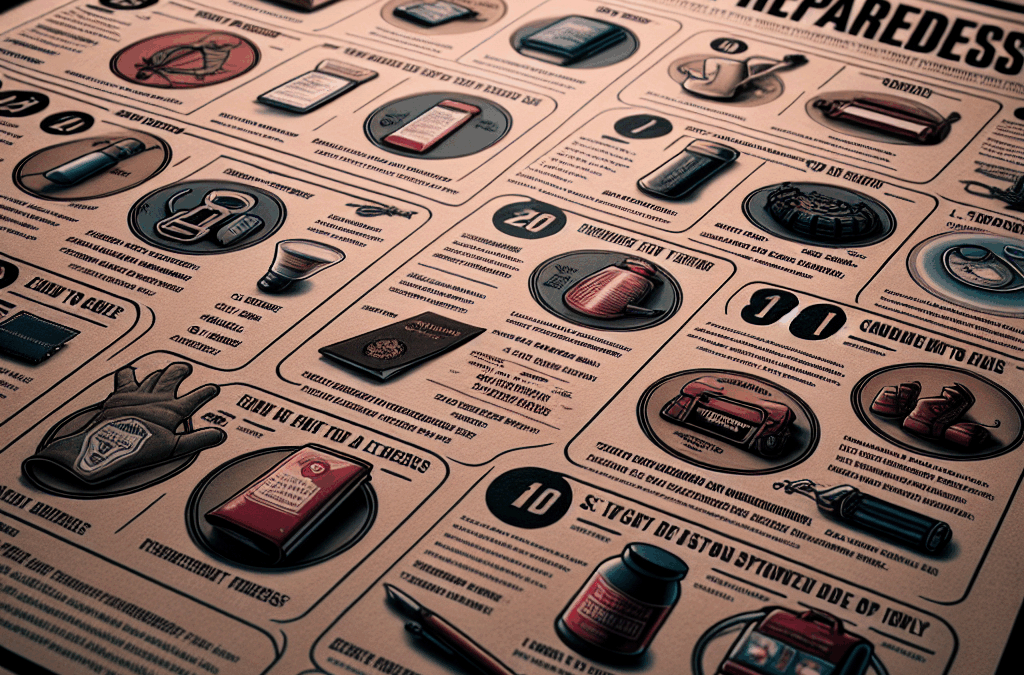
Understanding the specific types of disasters that could affect your area is crucial. Whether it’s hurricanes, earthquakes, floods, or wildfires, each scenario requires tailored planning. For instance, homes in coastal areas should prioritize hurricane preparedness, while those in earthquake-prone regions must focus on structural safety and quick evacuation plans. Common mistakes include underestimating the need for practice drills and failing to update emergency kits regularly.
Additionally, many people overlook the importance of communication during a disaster. Establishing a clear communication plan ensures that all family members can connect during emergencies. This also includes knowing the locations of emergency shelters and having a list of important contacts. Regularly reviewing and practicing your disaster plan can significantly enhance your family’s readiness.
Creating an Emergency Plan
An effective emergency plan outlines how your family will respond to various disasters. It should include evacuation routes, meeting points, and communication strategies. Assign roles to each family member to ensure everyone knows their responsibilities during a crisis.
Prioritize the risks specific to your location and adapt your plan accordingly. For instance, a family in a tornado-prone area should identify safe rooms, while those near flood zones must plan for higher ground evacuation. Regular reviews of the plan keep it relevant and effective.
Common pitfalls include failing to involve all family members in the planning process, which can lead to confusion during an emergency. Ensure everyone understands the plan and practices it regularly to build confidence and familiarity.
Assembling a Disaster Supply Kit
Your disaster supply kit should contain essential items to sustain your family for at least 72 hours. Include non-perishable food, water, first aid supplies, flashlights, batteries, and important documents. Tailor the kit to your family’s specific needs, such as medications or baby supplies.
Thank you for reading this post, don't forget to subscribe NOW for FREE!

Consider the costs of assembling a comprehensive kit. While it may require an initial investment, the benefits of being prepared far outweigh the expense. Regularly check the kit for expired items and update it as your family’s needs change.
A common mistake is underestimating the importance of water. Experts recommend at least one gallon of water per person per day for three days. Ensure your kit includes a water purification method, as this can be critical during prolonged emergencies.
Practicing Preparedness Drills
Practicing drills is essential for ensuring everyone knows how to react during an emergency. Schedule regular drills that simulate different disaster scenarios to help family members feel prepared and confident.
Focus on realistic scenarios that reflect your location’s risks. For example, practice earthquake drills by identifying safe spots and practicing “Drop, Cover, and Hold On.” Regular practice helps reinforce your emergency plan and ensures that each family member knows their role.
Many families neglect to include pets in their preparedness drills. Ensure you have a plan for their safety and include them in practice scenarios. This helps everyone understand that the family unit, including pets, is a priority during a disaster.

Understanding Risk and Safety
Understanding the risks associated with your location is key to effective disaster readiness. Research the types of disasters that are most likely to occur in your area and the recommended safety measures for each.
Be aware of local emergency services and resources available to you, such as community shelters or disaster response teams. Knowing where to go and what to expect can greatly reduce anxiety during an emergency.
Common misconceptions include believing that disasters won’t happen to you or that you can rely solely on emergency services. Personal preparedness is essential; do not wait for external help. Take proactive measures to ensure your family’s safety.
Further Reading
Authoritative Sources
- Ready.gov
ready.govThis government resource provides comprehensive information on disaster preparedness, including planning, resources, and safety tips
- American Red Cross
redcross.orgOffers detailed guides on assembling emergency kits and creating disaster plans
- FEMA
fema.govThe Federal Emergency Management Agency provides extensive resources for disaster preparedness and recovery
Frequently Asked Questions
What should be included in a disaster supply kit?
A disaster supply kit should include non-perishable food, water, first aid supplies, flashlights, batteries, and important documents.
How often should I update my emergency plan?
Update your emergency plan at least once a year or whenever significant changes occur in your family or living situation.
What are common mistakes in disaster preparedness?
Common mistakes include underestimating risks, failing to involve all family members in planning, and neglecting to practice drills.
How can I prepare my pets for a disaster?
Include pet supplies in your disaster kit and practice evacuation drills that include pets to ensure their safety.
Where can I find local emergency resources?
Check your local government website or community centers for information on emergency shelters and resources available in your area.
Conclusion
Disaster readiness at home is critical for ensuring the safety and well-being of your family during emergencies. By creating a comprehensive emergency plan, assembling a well-stocked disaster supply kit, and practicing preparedness drills, you can significantly enhance your household’s resilience. Remember to regularly review and update your plans and supplies, as preparedness is an ongoing process. Prioritize communication and education within your family to ensure everyone knows how to respond effectively during a crisis. Taking these steps will empower you to face potential challenges with confidence.
Related Content
- The Challenges of Finding Space for Prepping Supplies: Effective Storage Solutions and Strategies
- The Ultimate Guide to Emergency Water Storage Strategies in 2025
- The Ultimate Guide to the Best Natural Disaster Kit for 2025
- Guide to Stockpiling Medications for Long-Term Emergencies
- How to Handle Power Failures in Urban Areas




