
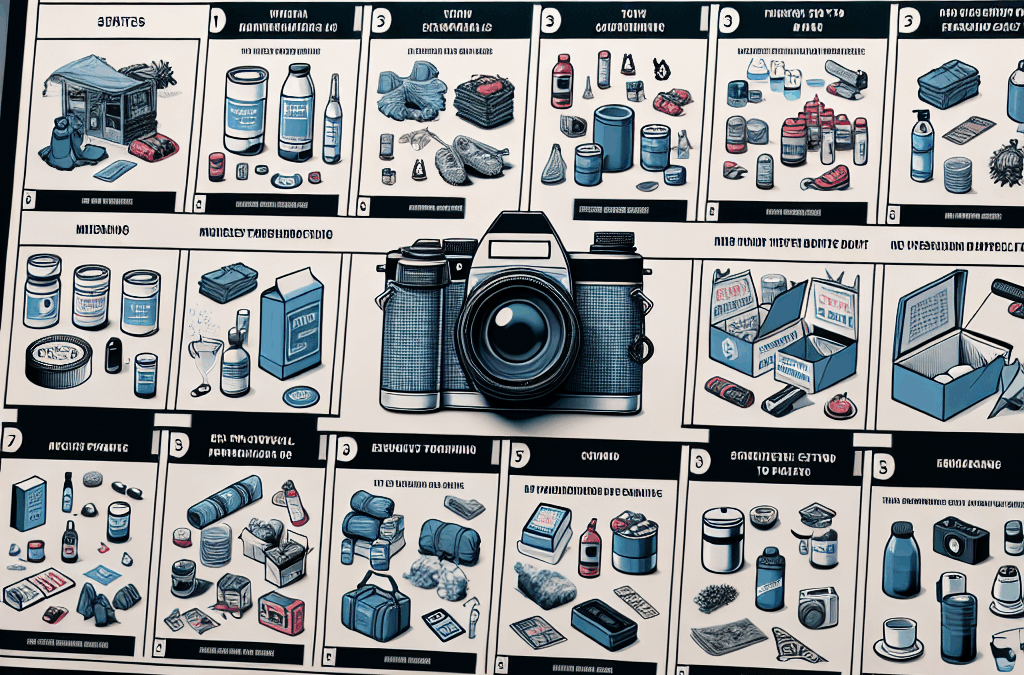
Understanding the importance of a natural disaster kit cannot be overstated. Many people mistakenly believe that they will have time to gather supplies when a disaster strikes. However, emergencies can occur with little warning, making it crucial to be prepared in advance. Additionally, having a well-stocked kit can significantly reduce stress during a crisis, allowing you to focus on safety rather than scrambling for necessities.
Common mistakes people make include underestimating the quantity of supplies needed or neglecting to replace expired items. It’s essential to periodically review and update your kit to ensure that all items are current and functional. Equally important is the need to customize your kit based on the local risks you face and the specific needs of your family members, including pets.
Key Components of a Natural Disaster Kit
The foundation of an effective natural disaster kit lies in its key components. Essential items typically include at least one gallon of water per person per day for at least three days, non-perishable food to last the same duration, a first aid kit, a flashlight with extra batteries, and a battery-operated or hand-crank radio. Additionally, including personal hygiene items, important documents, and any necessary medications is crucial.
Many people overlook the importance of including a multi-tool or knife, which can be invaluable for various tasks during an emergency. Furthermore, consider adding a whistle to signal for help, dust masks to filter contaminated air, and moist towelettes for personal sanitation. Each of these components serves a specific purpose and can make a significant difference in an emergency situation.
In customizing your kit, think about the specific needs of your household. For instance, if you have infants or elderly family members, ensure to include baby formula, diapers, or specialized medical supplies. Additionally, don’t forget to account for pets by including food and water for them as well. A well-rounded kit considers all members of your family.
How to Customize Your Kit
Customizing your natural disaster kit is essential to ensure it meets the unique needs of your household. Start by assessing the specific risks associated with your location; for instance, if you live in an area prone to flooding, prioritize waterproof bags for your supplies. Consider the age and health of family members when determining necessary items, such as medications or mobility aids.
Thank you for reading this post, don't forget to subscribe NOW for FREE!

Moreover, personalizing your kit means including items that reflect your lifestyle. For example, if you regularly travel with children, consider adding entertainment options to keep them calm during stressful situations. If your family includes pet companions, ensure you have their food, leashes, and any required medications. Tailoring your kit not only enhances its effectiveness but also ensures everyone feels included and prepared.
Regularly re-evaluating your kit is also a vital part of customization. As family members’ needs change, so should your kit. Set a reminder to check your supplies every six months and replace any expired items. This proactive approach ensures your kit remains relevant and useful.
Maintenance and Replacement of Supplies
Maintaining your natural disaster kit is crucial for ensuring its reliability when needed. A common mistake is to create a kit and then forget about it. Regular maintenance involves checking the expiration dates on food and medications, as well as replacing batteries in flashlights and radios.
Additionally, consider the environmental conditions in which your kit is stored. For example, extreme temperatures can affect the integrity of certain supplies. Store your kit in a cool, dry place, and ensure it is easily accessible in case of an emergency. It’s also beneficial to have a secondary kit in your car for emergencies while traveling.
Incorporating a checklist can help streamline the maintenance process. Create a list of all items in your kit and their expiration dates, and review it during your regular checks. This systematic approach minimizes the risk of being caught unprepared.

Safety Tips During a Disaster
When a disaster strikes, having a natural disaster kit is only part of the equation. Knowing how to stay safe during the event is equally important. First, listen to local authorities and follow their guidance regarding evacuation or shelter-in-place orders. Having a plan in place before a disaster occurs can save lives.
During a disaster, prioritize your safety and that of your family. Avoid using candles for light, as they pose a fire hazard. Instead, rely on battery-operated lights or flashlights. If you must evacuate, take your natural disaster kit with you to ensure you have essential supplies on hand.
Additionally, remain calm and help others when possible. In chaotic situations, panic can lead to poor decision-making. Having a well-prepared kit and a clear plan can instill confidence and help you navigate emergencies more effectively.
Further Reading
Authoritative Sources
- Ready.gov: Build a Kit
ready.govThis government resource provides comprehensive information on how to build a disaster kit tailored to your needs
- American Red Cross: Emergency Kit
redcross.orgThe Red Cross offers guidelines on essential items to include in your emergency kit
- National Hurricane Center: Evacuation Preparedness
nhc.noaa.govThis resource outlines the importance of preparedness and evacuation plans during hurricanes
Frequently Asked Questions
What should be in a natural disaster kit?
A natural disaster kit should include water, non-perishable food, a first aid kit, flashlight, batteries, personal hygiene items, and any necessary medications.
How often should I check my disaster kit?
It’s advisable to check your disaster kit at least every six months to ensure all items are up-to-date and in good condition.
Can I include pet supplies in my disaster kit?
Yes, it’s important to include food, water, and any necessary medications for pets in your natural disaster kit.
How much water should I store?
You should store at least one gallon of water per person per day for at least three days in your natural disaster kit.
What is the best way to store my disaster kit?
Your disaster kit should be stored in a cool, dry place that is easily accessible in case of an emergency.
Conclusion
Preparing a natural disaster kit is a critical step in ensuring your safety and survival during emergencies. Focus on including essential supplies tailored to your household’s specific needs, and regularly maintain and update your kit to keep it effective. Remember that being proactive about your disaster preparedness can make a significant difference, allowing you to respond calmly and effectively when a crisis arises. Start today by assessing your current supplies and taking action to create or enhance your natural disaster kit.
Related Content
- How to Maintain Food Safety During Emergencies: Essential Steps for Safe Food Handling
- Community Readiness Support: Key Strategies for Effective Local Engagement
- Strategies for Protecting Your Property in Wildfire Zones
- Disaster Preparedness: The Basics Of Emergency Situation Supplies
- Leading 10 Works For Emergency Situation Preparedness And Survival Training




