
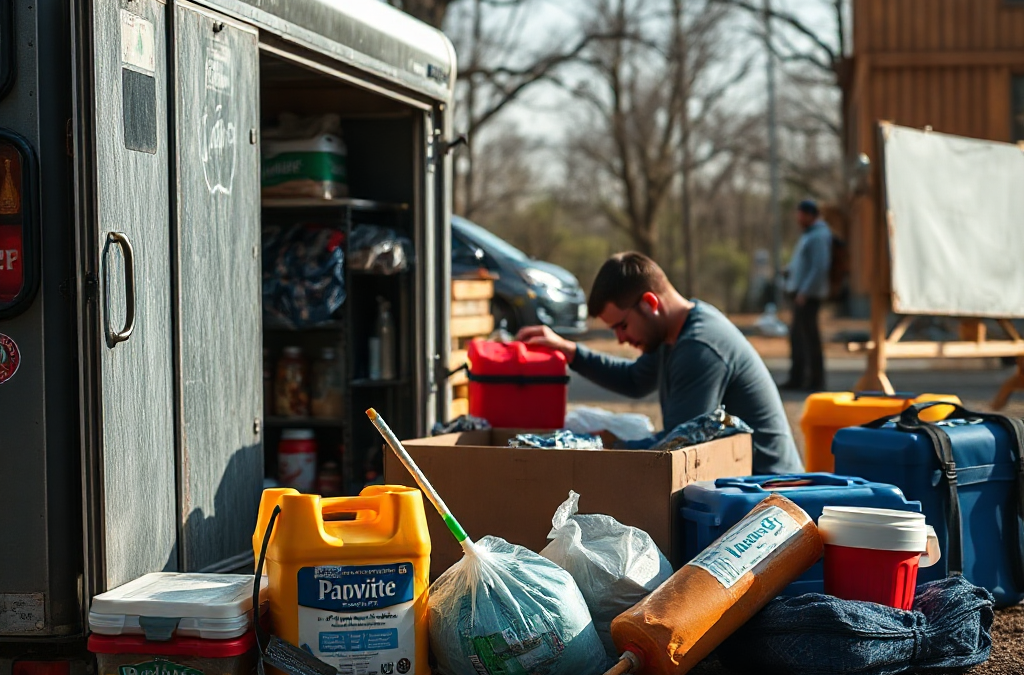
To prioritize your emergency supply stock, focus on essential non-perishable food, clean water, first aid supplies, and necessary tools. Stocking a variety of non-perishable foods, such as canned goods and dried fruits, ensures you have nutritious options that require little preparation. Aim for at least one gallon of water per person per day for drinking and sanitation, and consider water purification methods to safeguard against contamination. A well-equipped first aid kit is crucial for treating injuries, and including essential tools like flashlights will help maintain safety during emergencies. Regularly check and rotate your supplies to keep them fresh and effective.
Non-Perishable Food Items
Prioritizing non-perishable food items is crucial for emergency preparedness, as these foods provide essential nutrition without the need for refrigeration. Stocking items like canned vegetables, beans, rice, pasta, and dried fruits can sustain you during extended periods without access to fresh food. It’s important to select foods that require minimal preparation and have a long shelf life.
Common mistakes include overlooking dietary restrictions or preferences and failing to rotate supplies regularly. To avoid these pitfalls, plan a diverse food stock that accommodates all family members and check expiration dates periodically. Consider adding high-calorie foods like peanut butter or energy bars that can provide quick energy in a crisis.
Water Supply Essentials
Water is one of the most critical supplies to prioritize in your emergency stock. It is recommended to store at least one gallon of water per person per day for at least three days, covering both drinking and sanitation needs. Water purification tablets or filters can enhance your preparedness, ensuring access to safe drinking water if your main supply is compromised.
A common misconception is that tap water is always safe; however, in emergencies, water sources can become contaminated. To mitigate this risk, consider investing in a water storage tank or multiple sealed containers. Regularly check and replace stored water every six months to ensure it remains safe to drink.

First Aid Supplies
Having a well-stocked first aid kit is vital for addressing injuries that may occur during emergencies. Your kit should include bandages, antiseptics, pain relievers, and any necessary prescription medications. It’s advisable to tailor your first aid supplies to your family’s specific health needs, including any allergies or chronic conditions.
Many people underestimate the importance of first aid training; knowing how to use your supplies effectively can be the difference between minor injuries and severe complications. Regularly review your kit, replace expired items, and consider taking a first aid course to enhance your preparedness.
Essential Tools and Equipment
Essential tools and equipment can significantly enhance your ability to respond effectively during an emergency. Items such as flashlights, batteries, multi-tools, and portable chargers should be prioritized. Flashlights provide necessary illumination during power outages, while multi-tools can serve multiple functions, reducing the need for multiple individual tools.
When assembling your emergency stock, consider the environment you live in and the types of emergencies you may face. For instance, if you live in an area prone to flooding, waterproof containers for supplies can be beneficial. Regularly check your equipment to ensure it’s in working order and readily accessible.
Frequently Asked Questions
What are the most important items to have in an emergency supply stock?
The most important items include non-perishable food, clean water, first aid supplies, and essential tools.
How much water should I store for emergencies?
Store at least one gallon of water per person per day for at least three days.
How often should I check my emergency supplies?
Check your emergency supplies every six months to ensure everything is up to date and functional.
What types of food should I prioritize for my emergency stock?
Prioritize non-perishable foods like canned goods, rice, pasta, and dried fruits that are easy to prepare.
Should I include a first aid kit in my emergency supplies?
Yes, a well-stocked first aid kit is essential for treating injuries during emergencies.
Further Reading
Authoritative Sources
- Food and Water in an Emergency
ready.govThis resource provides guidelines on how to prepare food and water supplies for emergencies
- Emergency Kit Checklist
redcross.orgA comprehensive checklist for assembling an emergency kit, including essential items for various scenarios
- Food and Water Safety in Disasters
cdc.govGuidance on maintaining food and water safety during and after a disaster
Conclusion
Prioritizing what to stock in your emergency supply is essential for ensuring safety and readiness during unexpected situations. Focus on non-perishable food, clean water, first aid supplies, and essential tools to create a comprehensive emergency stock. Regularly review and update your supplies to accommodate changes in your family’s needs. By taking these proactive steps, you enhance your ability to respond effectively during emergencies and safeguard your well-being.
Related Content
- How to Handle Emergencies: Essential Steps for Effective Response
- Emergency Preparedness Supplies: Essential Items for Any Crisis Situation
- How to Use a Map and Compass for Navigation
- Emergency Response Essentials: Key Supplies and Actions for Effective Crisis Management
- How to Prepare for a Natural Disaster: A Step-by-Step Guide




