
In a world where natural disasters seem to be on the rise, being prepared is no longer just an option; it’s a necessity. From hurricanes and earthquakes to wildfires and floods, understanding the types of disasters that could impact your area is the first step in creating a robust disaster preparedness plan.
*Understanding the Types of Disasters: Know Your Risks**
Every region has its unique set of risks. If you live near coastal areas, hurricanes might be your primary concern. Conversely, those in tectonically active zones may face earthquakes. Familiarize yourself with local hazards by consulting government resources or community groups focused on disaster preparedness. Knowing what you’re up against allows you to tailor your planning effectively.

*Creating a Comprehensive Emergency Plan**
Once you’ve identified potential threats, it’s time to create an emergency plan. Involve every member of your household in this process so that everyone knows their roles during a crisis. Outline evacuation routes, establish communication methods (like designated meeting points), and include important contact information for family members as well as local emergency services. Regularly review and rehearse this plan; practice makes perfect when adrenaline is high.
*Building a Survival Kit: Essential Items to Include**
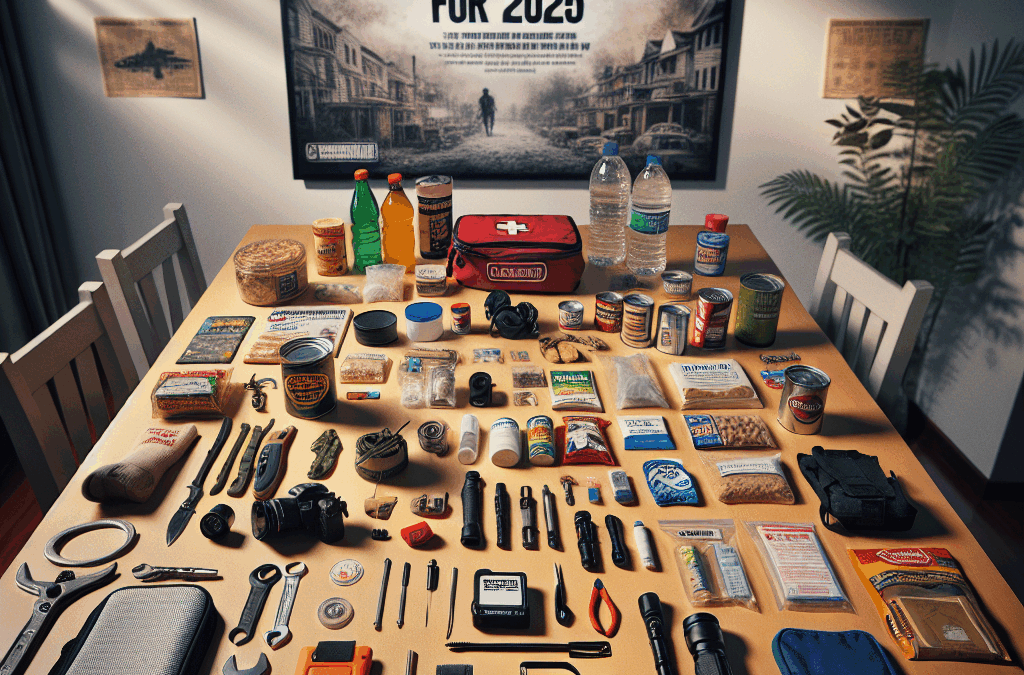
An essential part of disaster readiness is assembling a survival kit packed with vital supplies. Start with basics such as water (at least one gallon per person per day for three days), non-perishable food items, and manual can openers. Don’t forget personal hygiene products, flashlights with extra batteries, and first aid supplies! A multi-tool can also prove invaluable in various scenarios. Importantly, consider including documents like insurance papers stored in waterproof containers—these can be lifesavers after a disaster strikes.
*Staying Informed: The Importance of Communication**
Communication channels are crucial during emergencies. Stay updated through reliable sources like weather apps or local news outlets that provide timely alerts about impending disasters or necessary evacuations. Consider investing in battery-operated radios that can receive broadcasts even when power goes out. Establishing group chats with neighbors or family members ensures everyone stays connected during critical moments.
Thank you for reading this post, don't forget to subscribe NOW for FREE!

*Preparing Your Home: Safety Measures and Precautions**
Your home should serve as a fortress during emergencies rather than become another hazard zone. Assess your property for vulnerabilities like overhanging branches or weak roofing materials that might pose risks during storms or earthquakes. Reinforce doors and windows if necessary and think about installing smoke detectors and carbon monoxide alarms for added safety assurance.
Additionally, creating defensible space around your property can prevent wildfires from spreading near your home—clear away debris and maintain landscaping regularly.
*Community Involvement: Preparing Together for Resilience**
When it comes to disaster preparedness, community involvement cannot be overstated! Join local organizations focused on emergency readiness or volunteer for neighborhood watch programs that enhance collective resilience against disasters. Building strong relationships within your community fosters support networks crucial during emergencies—after all, teamwork often leads to better outcomes when facing adversity.
In conclusion, while we can’t predict every storm life throws our way, we can certainly prepare ourselves to weather them better! By understanding risks specific to our area, crafting thorough plans, assembling survival kits filled with essential items, staying informed through effective communication strategies, securing homes against potential threats—and most importantly—fostering community engagement—we stand stronger together ready to face whatever nature may unleash upon us!



