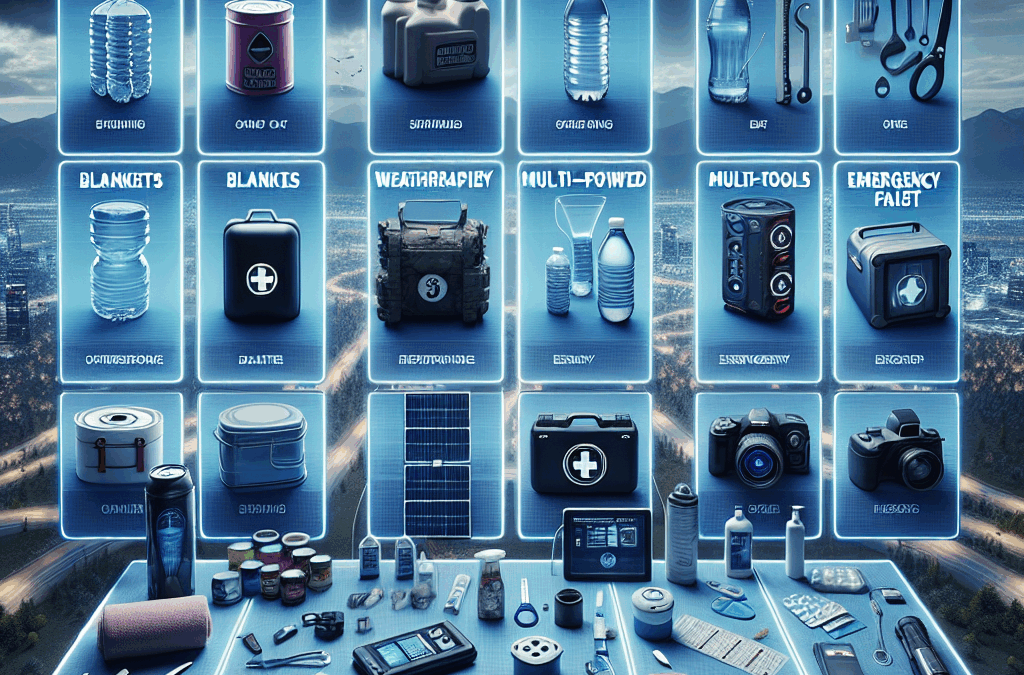
by Preparation | Aug 7, 2025 | Preparedness
Table of Contents
- 1. Essential Water Storage Solutions
- 2. Non-Perishable Food Supplies
- 3. First Aid and Medical Kits
- 4. Emergency Power Sources
- 5. Communication Devices
1. Essential Water Storage Solutions
Why Water Storage Is Critical in 2025
Water is the cornerstone of survival, and for families, ensuring a reliable supply is essential. With climate change causing unpredictable weather patterns, water shortages are projected to become more common in 2025. Having adequate water storage solutions helps families stay prepared for emergencies like natural disasters or disruptions to municipal water systems.
Typically, a family of four needs at least one gallon of water per person per day for drinking, cooking, and sanitation. Experts recommend storing enough water to cover at least three days, but ideally, a two-week supply is better for long-term resilience. According to recent studies, many households underestimate their water needs during crises, which can lead to dehydration and health issues.
Investing in high-quality water containers that are BPA-free, sturdy, and easy to carry is crucial. Consider water purification tablets or portable filters as backup options. Exploring innovative water storage solutions, such as underground tanks or collapsible containers, can maximize space and ensure freshness over time.
Practical Tips for Water Storage
Label your water containers with purchase and expiration dates to monitor freshness. Rotate your water supply every 6 to 12 months to prevent stagnation or spoilage. Additionally, keep your stored water in a cool, dark place to extend its shelf life, especially in warmer climates where temperature fluctuations can accelerate contamination risks.
In 2025, smart water storage units with monitoring features are gaining popularity. These units can alert you when supplies are low or if contamination is detected, offering peace of mind. Remember, always have a plan for how to access and purify additional water sources, such as rainwater harvesting or nearby natural water bodies.
2. Non-Perishable Food Supplies
Stocking Up on Long-Lasting Foods
When it comes to emergency supplies for families, food is just as important as water. Non-perishable foods ensure your family can sustain itself during extended disruptions. In 2025, choosing foods with a long shelf life, high nutrient density, and ease of preparation is essential. Think canned goods, dried grains, and freeze-dried meals.
Recent advancements include biodegradable packaging and smarter dehydrated foods that retain flavor and nutrients longer. A typical family should stock at least a two-week supply of non-perishable foods. Having variety is key â include canned fruits, vegetables, protein sources like beans and tuna, and grains like rice or pasta.
Consider storage containers that are organized by meal type or dietary restrictions to streamline access during stressful situations. Label all food with purchase dates, and rotate stocks regularly to keep supplies fresh and safe to eat.
Practical Tips for Food Shelf Life
Use clear, airtight containers to prevent pests and moisture from spoiling your supplies. Incorporate emergency-ready foods like MREs (Meals Ready to Eat) and energy bars for quick nutrition. Always keep a manual can opener nearby for canned goods.
In 2025, smart inventory systems are becoming more popular, allowing families to track expiration dates digitally and receive alerts. Donât forget to include special dietary needs and include child-friendly options to keep your family nourished through any crisis.
3. First Aid and Medical Kits
Building an Effective Emergency Medical Kit
Accidents happen even in normal settings, and their likelihood increases during emergencies. Having a comprehensive first aid kit tailored for families in 2025 can be a lifesaver. Your kit should include bandages, antiseptic wipes, adhesive tape, scissors, tweezers, and essential medications.
Modern first aid kits also incorporate items like sterile gloves, burn creams, and medications for common ailments such as pain relievers, allergy medications, and anti-diarrheal drugs. Consider adding specialized equipment for family members with specific health conditions like asthma inhalers or insulin supplies.
Regularly check and restock your medical supplies, and ensure all family members know basic first aid skills. Digital apps are now available to guide you through emergency procedures, which can be invaluable during high-stress situations.
Enhanced Medical Preparedness Strategies
Keep a printed first aid plan tailored to your familyâs needs and ensure itâs accessible. Storing copies of important medical records and prescriptions in waterproof containers is also wise.
Emerging 2025 trends include portable telemedicine devices, allowing families to consult healthcare professionals remotely during crises, reducing unnecessary visits to overwhelmed clinics. Staying updated and practicing basic first aid weekly can make a difference in critical moments.
4. Emergency Power Sources
Power Solutions for 2025 Families
Power outages are a common concern, especially during storms or grid failures. Emergency power sources, such as portable generators, solar chargers, and battery packs, are vital for modern families. In 2025, renewable solutions like solar-powered units are more efficient and environmentally friendly.
A backup generator can keep essential appliances running, but safety precautions are necessary, including proper ventilation and regular maintenance. Solar chargers and power banks are excellent for smaller devices like smartphones, radios, and medical devices.
Consider the energy demands of your household and choose power sources accordingly. Investing in solar panels with storage batteries can provide sustainable energy independence during extended outages, reducing reliance on traditional fuel-powered generators.
Maximizing Power Backup Efficiency
Store fuel safely away from living spaces and follow manufacturer instructions for generator operation. Keep a detailed checklist of your power sources, including maintenance schedules and usage logs.
Power sources with multiple charging options, like USB ports, are highly versatile in 2025. Also, having a supply of spare batteries for critical devices ensures continuous operation when needed most.
5. Communication Devices
Staying Connected During Emergencies
Effective communication is critical to coordinating family safety during crises. Traditional devices like cell phones and radios remain essential, but in 2025, new technologies are enhancing connectivity options for families.
Consider investing in satellite phones or multi-band radios with NOAA weather alerts to stay informed even when cellular networks are down. Emergency apps can provide real-time updates, first aid guidance, and location sharing features for family members.
Creating a family communication plan that includes designated contact points and practice drills can help everyone stay organized and calm during emergencies. Make sure all devices are fully charged and have backup power supplies on hand.
Practical Communication Strategies
Share written emergency plans with all family members, including contact information and rendezvous points. Regularly test your communication devices to ensure theyâre working properly.
Explore emerging 2025 tech, such as mesh networks and device-to-device communication systems, which can operate independently of traditional infrastructure, offering resilient options in disaster scenarios.
Frequently Asked Questions
Emergency supplies for families are vital in 2025 due to increasing climate-related disasters, infrastructure failures, and global uncertainties. Being prepared ensures your familyâs safety and reduces anxiety during crises.
Q2: How much water should I store for my family?
Ideally, store at least one gallon per person per day for a minimum of three days, but aiming for two weeks is better to handle longer emergencies. Regularly rotate supplies to keep water fresh.
Q3: What are the most essential items in a family emergency kit?
Basic first aid supplies, medications, water, non-perishable food, flashlights, batteries, and communication devices are key components. Tailor your kit to your family’s specific needs for maximum effectiveness.
Q4: How can I ensure my family stays connected during an emergency?
Use multiple communication tools such as cell phones, radios, and satellite devices. Have a family communication plan and practice it regularly. Stay informed with weather alerts and emergency updates via apps and broadcast systems.
Q5: How important is it to include renewable energy sources in my emergency supplies?
In 2025, renewable power sources like solar panels and portable solar chargers are becoming essential for sustainable, reliable energy, especially during extended outages. They help reduce dependence on fossil fuels and provide eco-friendly backup power.
Conclusion
Preparing the right emergency supplies for families in 2025 is more crucial than ever. From water storage and non-perishable food to advanced communication and power solutions, each element plays a vital role in ensuring safety and resilience. As we’ve explored in this comprehensive guide, being proactive with your preparedness strategies can make all the difference during unexpected crises. Invest wisely, stay informed, and keep your familyâs safety at the forefrontâbecause a well-stocked emergency kit can help weather any storm.
by Preparation | Aug 7, 2025 | Preparedness
- 1. Develop a Personalized Emergency Plan
- 2. Build a Comprehensive Emergency Kit
- 3. Secure Your Home Against Disasters
- 4. Stay Informed with Reliable Updates
- 5. Establish Communication Protocols
- 6. Know Local Emergency Services and Resources
- 7. Practice Regular Drills and Updates
- Frequently Asked Questions
In 2025, disaster preparedness remains more crucial than ever. Whether youâre concerned about hurricanes, earthquakes, or other crises, having a clear and actionable disaster readiness checklist can make all the difference. This comprehensive guide highlights 7 effective strategies to ensure you and your loved ones are prepared to face any emergency confidently. By following these steps, you can enhance your resilience and reduce risks, making your home and community safer.
1. Develop a Personalized Emergency Plan
Understanding Your Risks
The first step in any disaster readiness checklist is understanding the specific risks your area faces. For instance, if you live in a flood-prone zone, your preparedness plan will need to emphasize flood safety and evacuation procedures. Use local government resources and FEMA maps to identify potential hazards. Knowing what disasters are most likely helps you tailor your plan effectively.
Research recent incidents in your area to learn how emergency responses unfolded. This historical context can highlight vulnerabilities and common pitfalls. Personalizing your emergency plan means taking into account your familyâs unique needs, including pets, elderly members, or individuals with special health conditions.
Effective planning reduces panic during actual emergencies. Sit down with your family to discuss possible scenarios and what each person should do. Make sure everyone understands the plan and knows where to meet if separated during a disaster.
Creating a Step-by-Step Action Guide
Draft a clear, step-by-step guide for emergency situations. This document should cover evacuation routes, key contacts, and critical actions to take during different types of disasters. Keep physical copies accessible, along with digital backups on your devices.
For example, establish primary and secondary evacuation routes, noting any potential obstacles or shortcuts. Also, assign roles, such as who gathers important documents or who contacts emergency services. The plan must be simple enough for children to understand, yet comprehensive for adults.
Practicing this plan regularly, at least twice a year, ensures it remains familiar. Updating it according to new hazards or changes in family circumstances is also essential for maintaining an effective disaster readiness checklist.
2. Build a Comprehensive Emergency Kit
Essential Supplies for Survival
A well-stocked emergency kit is a cornerstone of any disaster readiness checklist. Your kit should include enough supplies to sustain your family for at least 72 hours. Essential items include non-perishable food, clean water (one gallon per person per day), first-aid supplies, flashlight, batteries, and personal hygiene products.
In 2025, consider including rechargeable batteries and power banks to keep your devices charged. Also, pack basic medications, copies of important documents, and cash in small denominationsâdisasters often disrupt banking services.
Remember to tailor your kit for special needs, such as infant formula, pet food, or medical devices. Regularly check expiration dates and rotate stock to keep supplies fresh and ready for deployment.
Specialized Equipment Depending on Risks
Depending on your location, add specialized gear. For example, earthquake-prone areas may need helmets, sturdy boots, and dust masks. Those living in wildfire zones might prioritize masks and protective clothing. In coastal regions, consider including a portable radio to receive weather alerts, even if power is out.
Gather tools such as multi-purpose knives, duct tape, and fire extinguishers. Creating a designated storage space for your emergency kit ensures quick access when needed. Consider placing smaller kits in multiple locationsâone at home, one in your car, and one at work.
Practicing how to quickly assemble and access your emergency kit ensures you’re prepared when moment of disaster strikes. Catalog your supplies to ensure nothing crucial is overlooked.
3. Secure Your Home Against Disasters
Structural Improvements for Safety
Enhancing your homeâs resilience is a vital part of the disaster readiness checklist. Reinforcing doors, windows, and roofs can reduce damage during storms or earthquakes. For example, installing shutters can protect windows from debris or high winds.
Consult with construction professionals to identify other structural upgrades. In earthquake zones, bolting heavy furniture to walls and securing appliances can prevent injuries. Also, check for vulnerabilities and address them proactivelyâsuch as fixing cracks or leaks that could worsen in a disaster.
In 2025, smart home technology offers new ways to improve safety through sensors that monitor structural integrity or detect fires and gas leaks, providing early warnings.
Fire and Flood Prevention Measures
Implement fire safety measures like clearing combustible materials around your home and installing smoke and carbon monoxide detectors. A fire-resistant landscaping plan is also beneficial, especially in wildfire-prone areas. Keep fire extinguishers accessible and ensure all family members know how to use them.
For flood prevention, consider installing sump pumps, elevating electrical outlets, and sealing basement cracks. Creating barriers or sandbag stations can offer immediate defense during floods. Check local building codes for flood-proofing requirements and incentives.
These investments not only protect your property but also help to preserve lives during emergencies. Regular maintenance and inspections are essential for ongoing safety and disaster readiness.
Utilizing Technology and Alerts
In 2025, technology plays a critical role in disaster readiness. Setting up reliable alert systemsâsuch as NOAA Weather Radio, emergency apps, and SMS alertsâcan keep you informed about imminent threats. These tools can provide real-time updates, safety instructions, and evacuation notices.
Most smartphones now support geolocation alerts, which deliver customized warnings based on your specific location. Make sure your devices are updated and notifications enabled. Subscribe to local emergency management agencies’ alerts for the latest information.
Having multiple sources of information ensures redundancy, so if one system fails, others can keep you updated. Regularly test your alert systems to confirm they work properly.
Monitoring Local and National News
Supplement technological alerts with traditional news sources. Local radio, television, and online news portals are vital during large-scale disasters. Establish a routine to check these outlets regularly, especially during severe weather seasons or if rumors of a potential crisis emerge.
Community-based social media groups can also be practical for sharing real-time updates and safety tips. However, verify information from trusted sources to avoid misinformation spreading during emergencies.
Being consistently informed enables you to respond quickly and adjust your disaster readiness plan as new threats develop in 2025.
5. Establish Communication Protocols
Maintaining Contact with Family and Friends
A vital part of your disaster readiness checklist is creating reliable communication protocols. Identify a family emergency contact outside your immediate area who can coordinate updates and relay messages. Make sure everyone knows this contact information.
Designate alternative ways of contacting each other if cell networks are congested or down, such as text messages, social media, or satellite phones. Practice these communication methods during drills to ensure everyone understands what to do.
Sharing a written list of contacts and communication procedures with all family members can prevent chaos during an actual disaster. Keep hard copies and digital backups in multiple locations.
Using Emergency Communication Devices
Equip your household with devices designed for emergency communication, such as two-way radios or personal locator beacons. These tools are especially useful if traditional networks fail or you’re in remote areas.
In 2025, advancements in satellite communication make it easier and more affordable to stay connected when traditional infrastructure is compromised. Consider investing in these technologies as part of your disaster readiness checklist.
Regularly test these devices and educate family members on their operation to ensure they function when most needed.
6. Know Local Emergency Services and Resources
Identifying Local Shelters and Assistance Programs
Knowing your local emergency services is vital for effective disaster preparedness. Research nearby shelters, community centers, and aid organizations ready to provide assistance during crises. Keep a list of their locations and contact information visible at home and saved on your devices.
Many communities in 2025 offer specialized programs for vulnerable populations, such as elderly or disabled residents. Register for alerts or assistance programs to ensure prompt help when needed.
Establishing relationships with local authorities and community groups can also facilitate faster response times and support during emergencies. Building these connections beforehand is a critical step in your disaster readiness checklist.
Access to Critical Resources
Ensure you know how to access critical resources like medical facilities, food banks, and utility services. Keep a list of emergency contacts for your utilities (water, gas, electricity) to report outages swiftly.
In many cases, local authorities provide resource caches or distribution points during major disasters. Stay informed about their locations and schedules, especially during Peak Disaster seasons of 2025.
Having a clear understanding of available resources makes it easier to mobilize and recover after an emergency, bolstering your disaster readiness plan.
7. Practice Regular Drills and Updates
Conducting Simulated Emergency Drills
Practicing your disaster readiness checklist through drills helps identify weaknesses and areas for improvement. Simulate different scenarios like fire, flood, or earthquake responses to see how well your family follows the plan.
During drills, review communication protocols, evacuation routes, and the proper use of emergency supplies. After each session, gather feedback and adjust your plan accordingly.
Make these drills a routineâat least annuallyâto ensure everyone remains prepared and confident during actual emergencies. In 2025, incorporate new technology and emerging hazards into these exercises for comprehensive preparedness.
Reviewing and Updating Your Checklist
Your disaster readiness checklist shouldnât be static. Regular reviews and updates are essential, especially when there are changes in your family, home, or local risks. Update contact information, supplies, and safety procedures as needed.
Stay informed about new threats or technological advancements that could enhance your safety. Subscribe to alerts from local agencies and experts to keep your plan current.
This continuous process of practicing and updating ensures your readiness remains effective throughout 2025 and beyond, giving you confidence that youâre prepared for any disaster.
Frequently Asked Questions
Q1: What should I include in my disaster readiness checklist for 2025?
Include personalized emergency plans, a comprehensive emergency kit, home safety upgrades, reliable alerts, communication protocols, awareness of local resources, and regular drills.
Q2: How often should I review and update my disaster preparedness plan?
At minimum, review and update your plan bi-annually, especially after any family or home changes, or significant local hazard updates. Always incorporate new technology and lessons learned from drills.
Q3: Why is a disaster readiness checklist important in 2025?
With evolving threats like climate change and technological disruptions, a comprehensive disaster readiness checklist ensures you and your family are prepared to minimize risks, stay safe, and recover faster.
Q4: How can I ensure my family follows the emergency plan?
Practice regularly through drills, keep the plan simple and accessible, involve everyone in creation, and review it periodically. Familiarity reduces panic during actual events.
Q5: Are there recommended technological tools for disaster preparedness in 2025?
Yes, tools like alert apps, satellite communication devices, smart home sensors, and portable power banks are vital for modern preparedness strategies in 2025.
Creating a detailed disaster readiness checklist is a proactive step toward safeguarding yourself and your loved ones in 2025. By following these 7 effective strategiesâdeveloping plans, building kits, reinforcing your home, staying informed, establishing communication, knowing local resources, and practicing drillsâyou set a strong foundation for resilience. Remember, disaster preparedness isnât a one-time effort but an ongoing process that empowers you to respond confidently when emergencies strike. Stay safe, stay prepared, and keep your disaster readiness checklist up to date!
by Preparation | Aug 7, 2025 | Preparedness
Preparing for unexpected emergencies is essential in today’s unpredictable world. Whether it’s natural disasters, economic collapse, or societal unrest, having solid survival preparation tips can make all the difference. In this comprehensive 2025 guide, Iâll share the top ten survival tips to help you stay safe and be ready for any crisis that might arise. From planning and gear to mindset and community, let’s dive into actionable advice that truly works.
Table of Contents
- 1. Develop a Solid Emergency Plan
- 2. Assemble a Reliable Bug-Out Bag
- 3. Learn Basic First Aid Skills
- 4. Stock Up on Essential Supplies
- 5. Build Situational Awareness
- 6. Practice Fire Making and Shelter Building
- 7. Secure a Water Supply and Purification Method
- 8. Familiarize Yourself with Food Foraging and Preservation
- 9. Establish Emergency Communication Methods
- 10. Cultivate the Right Mindset and Self-Reliance
1. Develop a Solid Emergency Plan
Anticipate Common Scenarios
Creating a comprehensive emergency plan is the cornerstone of effective survival preparation tips. Start by assessing the risks specific to your areaâflooding, earthquakes, hurricanes, or social unrestâand tailor your plan accordingly. For example, if you live in a wildfire-prone region, your evacuation routes and shelter locations should be meticulously mapped out.
Document all emergency contacts, including local authorities, family members, and neighbors. Share your plan with loved ones so everyone knows what to do in a crisis. Regular drills help reinforce these plans, ensuring everyone is prepared and confident to execute when necessary.
Remember, a well-thought-out emergency plan reduces panic and increases your chances of safety. Use digital maps, printed copies, and checklists to ensure no critical detail is overlooked. Practice makes perfect, so rehearse your plan periodically to keep it fresh in your mind.
2. Assemble a Reliable Bug-Out Bag
What to Pack for Maximum Efficiency
A bug-out bag (BOB) is your portable survival kit, and crafting one of the best survival preparation tips is to pack smartly. Focus on essentials such as water, non-perishable food, first aid supplies, clothing, and tools. In 2025, lightweight and multifunctional gear is more efficient than bulky items.
Consider including items like a durable flashlight, a multi-tool, a portable water filter, and emergency blankets. Determine the weight you can comfortably carry and prioritize versatile items that serve multiple purposes. Donât forget cash, copies of important documents, and a basic sanitation kit.
Personalize your bug-out bag based on your family size and specific needs, such as medications or special equipment. Regularly review and update its contents to ensure everything is in working condition and up-to-date with new survival tech.
3. Learn Basic First Aid Skills
Handling Medical Emergencies Effectively
Being able to provide basic first aid can be the difference between life and death in a survival situation. In 2025, the importance of knowing how to treat wounds, burns, and fractures remains vital. Invest in a comprehensive first aid kit and learn how to use it efficiently.
Enroll in a first aid and CPR course, ideally certified by organizations like the Red Cross. Practice regularly, so your responses are instinctive when emergencies happen. Knowing how to stop bleeding, perform CPR, or treat a fracture can save lives until professional help arrives.
Keep updated on new first aid techniques and consider advanced courses for trauma management. The more prepared you are to handle medical issues, the more confident you’ll be during stressful situations.
4. Stock Up on Essential Supplies
Creating a Stockpile for Long-Term Survival
A critical survival preparation tip is to accumulate a stockpile of supplies that can sustain you and your family for at least 30 days. Focus on non-perishable foods like canned goods, grains, and dried fruits, as well as water, toiletries, and hygiene products.
In 2025, consider also storing energy sources such as batteries, solar chargers, and alternative power banks. Proper inventory management ensures you know what you have and what needs replenishment. Rotate supplies periodically to prevent expiration and keep freshness.
Donât forget to include special supplies for infants, elderly family members, or pets. An organized pantry and storage system help maintain readiness and reduce last-minute panic buying during emergencies.
5. Build Situational Awareness
Recognizing Early Warning Signs
One of the top survival preparation tips is to develop heightened situational awareness. Pay attention to your environment, news updates, and social cues that may indicate impending danger. In 2025, staying connected to real-time alerts through reliable sources can provide crucial lead time.
Practice observing your surroundingsânotice unusual behaviors, sounds, or changes in traffic patterns. This awareness can help you make quick decisions, like avoiding a developing threat or securing your location early.
Cultivate habits like scanning your environment, listening attentively, and trusting your instincts. The more aware you are, the better your chances of avoiding or mitigating hazards.
6. Practice Fire Making and Shelter Building
Basics of Wilderness Survival Skills
Mastering fire making and shelter building remains foundational among survival preparation tips. Fire provides warmth, cook food, and signals for help. Practice different methods like friction fire, flint, or magnesium fire starters.
Shelter offers protection from the elements, which is critical for maintaining health and morale. Learn how to construct shelters using natural materials, tarps, or emergency blankets, adapting to various environments.
Regular practice ensures these skills become second nature. Invest time in wilderness survival courses or do solo practice in safe locations to build confidence and competence.
7. Secure a Water Supply and Purification Method
Ensuring Safe Drinking Water
Water is life, and securing a reliable source is essential in survival preparation tips. Identify potential water sources near your home or planned bug-out location, and always have purification methods on hand.
In 2025, portable water filters, UV purifiers, and chemical treatments are the most effective tools. Simple techniques like boiling water can also work if other options are unavailable, provided you have a sufficient heat source.
Learning to locate and purify water efficiently minimizes risk of dehydration and waterborne illnesses. Consider stocking backup purification supplies and practicing purification techniques regularly.
8. Familiarize Yourself with Food Foraging and Preservation
Natural Food Sources and Storage Techniques
In the realm of survival preparation tips, knowing how to forage safely for wild edibles can be invaluable. Learn about local plants, berries, and edible insects or fish. Always verify identifications to avoid poisonous varieties.
Additionally, mastering food preservation methods like dehydration, canning, or smoking extends your food supply’s longevity. In 2025, new preservation technologies like vacuum sealing and freeze-drying have become more accessible and reliable.
Building these skills enhances independence and resilience, especially if store supplies run low. Keep comprehensive guides and field manuals handy, and practice harvesting and preservation techniques periodically.
9. Establish Emergency Communication Methods
Staying Connected During Crises
Reliable communication channels are a key survival preparation tip that often gets overlooked. Store batteries, backup chargers, and consider two-way radios or satellite phones for situations where cell service fails.
In 2025, many people are turning to mesh networks and decentralized communication apps that operate without internet infrastructure. Practice using these devices regularly to ensure they work smoothly when needed.
Creating a communication plan with family and friends ensures everyone knows how to check in and share information. This coordination minimizes chaos and confusion during emergencies.
10. Cultivate the Right Mindset and Self-Reliance
Developing Resilience and Confidence
Perhaps the most overlooked of the survival preparation tips is mental preparedness. A resilient mindset helps you stay calm, adapt quickly, and make rational decisions when chaos ensues.
Training your mind through scenario planning, meditation, and positive visualization prepares you for high-stress situations. Building self-reliance fosters confidence in your abilities to handle unexpected challenges.
In 2025, embracing a survival mindset includes continuous learning, practicing skills, and maintaining a proactive attitude. Limit reliance on technology and external help, focusing instead on skills and mindset that lead to long-term stability.
Frequently Asked Questions
- What are the most important survival preparation tips for 2025?
- Key tips include developing a solid emergency plan, assembling a bug-out bag, and cultivating resilience. Staying informed and adaptable are also crucial.
- How often should I review my survival supplies and plan?
- Itâs advisable to review your supplies and plan at least twice a year, especially before seasons with higher natural disaster risks. Regular practice keeps skills sharp.
- What are some affordable survival preparation tips?
- Start with basic skills like first aid, water purification, and shelter building. Use natural resources and DIY methods to save money while building competence.
- Why is mindset important in survival situations?
- A positive and prepared mindset helps you remain calm, resourceful, and focused, greatly increasing your chances of survival in challenging circumstances.
- How can I improve my wilderness survival skills in 2025?
- Enroll in local courses, practice regularly in safe environments, and continuously study new techniques and technologies to stay current and capable.
Conclusion
Implementing these survival preparation tips in 2025 can significantly enhance your safety and readiness for any emergency. From planning and gear to mindset and community support, each tip contributes to a comprehensive survival strategy. Remember, being prepared isnât just about having supplies; itâs about developing skills, awareness, and resilience that last a lifetime. Stay proactive, stay informed, and keep practicing these essential survival techniques to ensure your safety no matter what challenges arise.




