
Select Page
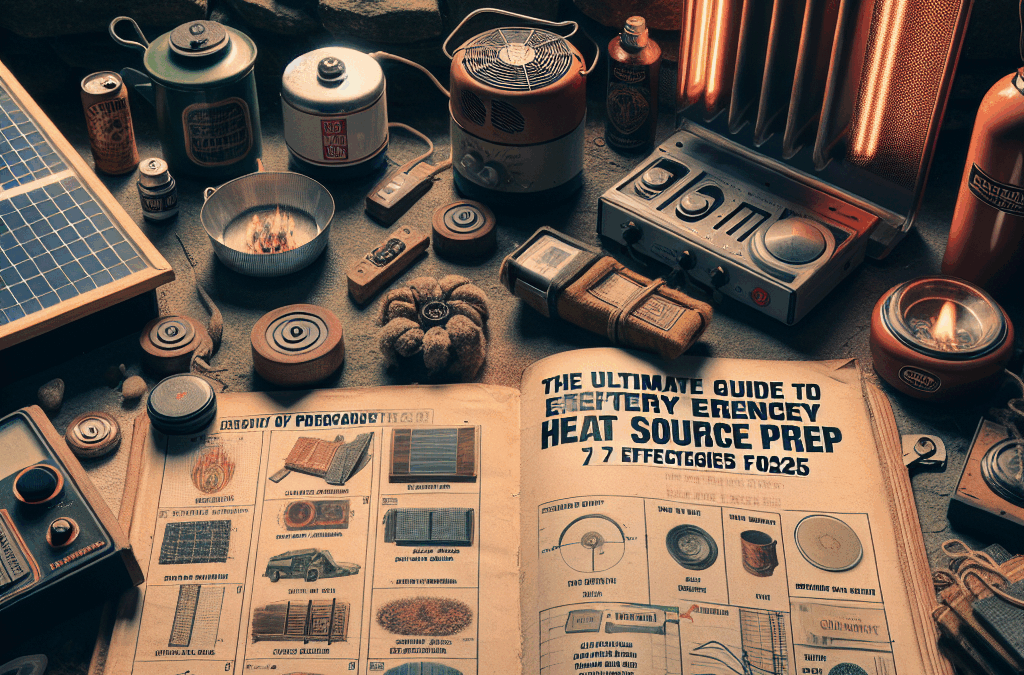
The Ultimate Guide to emergency heat source prep: 7 Effective Strategies for 2025

The Ultimate Guide to emergency heat source prep: 7 Effective Strategies for 2025

Table of Contents

  1. 1. Assess Your Home’s Heating Needs and Risks
  2. 2. Stock Up on Reliable Heating Devices
  3. 3. Invest in Portable and Alternative Heat Sources
  4. 4. Create a Safe Fuel Storage Plan
  5. 5. Maintain and Test Your Emergency Heating Equipment
  6. 6. Develop a Family Emergency Heat Plan
  7. 7. Stay Informed and Prepare for Weather Patterns

1. Assess Your Home’s Heating Needs and Risks

Understanding Your Heating Requirements

Every home has unique heating needs based on location, size, and insulation quality. In 2025, with climate patterns becoming increasingly unpredictable, it’s essential to evaluate how much heat you typically require during winter. For example, homes in northern states may need more robust emergency heat sources than those in milder climates.

Start by calculating the square footage of your living space and consider your current heating system’s capacity. Using this information, you can determine how much supplemental heat you’ll need during a power outage or equipment failure. This proactive assessment forms the foundation of effective emergency heat source prep.

It’s also wise to identify risks such as poor insulation or draft points that can lead to faster heat loss. Addressing these can reduce the amount of supplemental heat needed and improve overall safety during any emergency scenario.

Identifying Potential Risks

Emergencies like winter storms or grid failures can compromise your usual heating sources. Knowing potential risks allows you to prepare accordingly. For instance, rural areas might have limited access to emergency services during severe weather, making self-sufficiency crucial.

Be aware of historical weather patterns in 2025, which may now include more frequent storms or unexpected cold snaps due to climate change. Review past power outage reports and prepare for scenarios that could last several days. This helps you choose appropriate emergency heat sources and plan minimal dependencies on external assistance.

By understanding your specific risks and needs, you lay a solid groundwork for all subsequent emergency heat source prep strategies, ensuring your family remains warm and safe when it matters most.

2. Stock Up on Reliable Heating Devices

Choosing the Right Equipment for 2025

In 2025, reliable heating devices are crucial for emergency heat source prep. Consider investing in durable, energy-efficient options. For example, kerosene heaters, propane space heaters, and wood stoves are increasingly popular as backup options due to their portability and effectiveness.

Ensure that chosen units are certified by safety standards such as UL or CSA and are suitable for indoor use if necessary. Read reviews and select models with high reliability ratings to minimize risk during emergencies. Remember, quality equipment can last longer and perform better when you need it most.

Additionally, consider modern features like automatic shut-off, carbon monoxide detectors, and adjustable settings to enhance safety and comfort during outages.

Where to Source Emergency Heating Devices in 2025

Reliable sources, including licensed dealers and online retailers, can provide warranties and post-purchase support, which are vital for emergency preparedness. During peak seasons, be proactive—buying early ensures availability and often better prices.

It’s also advisable to check local building codes and regulations regarding portable heaters and fuel storage. This helps you avoid legal issues and ensures safe usage within your home.

Remember, the goal of emergency heat source prep in 2025 is not only about having devices but ensuring they are dependable and ready to be used when needed. Proper sourcing and selection are foundational steps in this process.

3. Invest in Portable and Alternative Heat Sources

Benefits of Portable Heaters

Flexibility is key during emergencies, which is why portable heaters are a smart addition to your emergency heat source prep plan. Devices like portable propane heaters or battery-powered infrared units can provide heat exactly where it’s needed, without requiring permanent installation.

In 2025, advances in battery technology make portable solar-powered heaters more feasible than ever. They can be recharged during sunny days, offering an eco-friendly, silent heat source during prolonged outages.

Using portable equipment allows you to prioritize heating specific areas, which conserves fuel and reduces safety risks associated with larger, stationary units.

Alternative Heat Sources to Consider

Reflective heat shields, fire pits (used outdoors), and even heated blankets or pads can supplement existing systems. Always ensure that any alternative heat source complies with safety standards and is used in well-ventilated areas to prevent carbon monoxide buildup.

In 2025, new innovative solutions like ceramic space heaters with smart controls provide safer, more energy-efficient options. Integrating these into your emergency heat source prep increases your resilience during cold-weather crises.

Practicality, safety, and versatility are the goals here. Always test and familiarize yourself with new equipment well before an emergency occurs.

4. Create a Safe Fuel Storage Plan

Types of Fuel and Storage Best Practices

Fuel is the lifeblood of many emergency heat sources, especially in 2025. Proper storage ensures you have enough to last through unexpected outages or shortages. Common fuels include kerosene, propane, wood, and stored electricity (via batteries or solar).

Always store fuels in approved containers, kept in well-ventilated, cool, and secure locations away from living spaces. For example, propane tanks should be stored at least 10 feet from your home and not inside garages or basements.

Regularly check fuel levels and condition, and rotate stocks to prevent degradation. This organization ensures you won’t face shortages or safety hazards during critical times.

Copy of PREPARE Mag ad 970 x 250

Legal Regulations and Safety Tips

Follow all local regulations regarding fuel storage. In many places, there are restrictions on quantities and container types. Staying compliant not only keeps you safe but also avoids legal penalties.

Implement safety measures such as fire extinguishers nearby, proper labeling, and remote monitoring if possible. Educate everyone in your household about the dangers of mishandling fuels.

Having a clear, well-executed fuel storage plan is a cornerstone of effective emergency heat source prep, providing peace of mind during winter storms and unforeseen crises in 2025.

5. Maintain and Test Your Emergency Heating Equipment

Regular Maintenance Routines

Just like any equipment, emergency heaters require regular maintenance to ensure they function properly during a crisis. In 2025, this means scheduling annual inspections, cleaning filters, and checking for gas leaks or corrosion.

Follow the manufacturer’s guidelines for servicing and replace any worn or damaged parts promptly. Maintaining your devices not only extends their lifespan but also guarantees safety and reliability.

Don’t forget to keep spare parts, such as filters or igniters, on hand. This readiness can save you critical time when an emergency strikes.

Testing for Functionality

Prior to winter, test all emergency heat sources to ensure proper operation. Running your portable heater for a set period allows you to confirm safe functionality and identify potential issues.

In addition, evaluate whether your backup power sources, like batteries or generators, are operational. Keeping logs of maintenance and test results helps you stay organized and prepared.

In 2025, technological innovations also include smart monitoring that alerts you to performance issues remotely, adding an extra layer of confidence in your emergency heat source prep efforts.

6. Develop a Family Emergency Heat Plan

Creating Clear Guidelines and Responsibilities

An effective emergency heat source prep strategy for 2025 involves every family member knowing their role. Designate responsibilities such as operating heaters, monitoring fuel levels, or helping vulnerable members stay warm.

Develop a step-by-step plan outlining actions during a power outage or severe weather event. Practice drills to ensure everyone understands how to stay safe and warm.

Effective communication—via walkie-talkies, cell phones, or pre-arranged signals—is vital, especially if traditional lines are disrupted.

Planning for Special Needs and Vulnerable Members

Identify family members who require additional assistance, such as the elderly, children, or those with medical conditions. Ensure you have accessible heat sources, medications, and warm clothing ready for them.

Craft a contingency plan that includes possible evacuation routes or shelters if the home heating becomes unsafe or insufficient. Preparation in this area can make all the difference in 2025 when emergencies tend to be more unpredictable.

By establishing a comprehensive family emergency heat plan, you maximize safety and comfort during critical times, making your emergency heat source prep truly effective.

7. Stay Informed and Prepare for Weather Patterns

Utilizing Modern Weather Alerts and Resources

Keeping informed is essential to a successful emergency heat source prep strategy in 2025. Use reliable weather apps, alerts, and community resources to monitor upcoming storms and temperature changes.

Subscribe to local emergency services notifications, and consider installing smart home systems that can adapt and alert you during severe weather events.

Being aware of changing weather patterns allows you to adjust your preparations proactively, ensuring your emergency heat sources are ready beforehand.

Adapting to Climate Trends

Climate data from 2025 indicates increasing unpredictability, with some regions experiencing more frequent cold snaps, storms, or power outages. Study long-term weather forecasts and historical data to identify patterns specific to your area.

This knowledge helps you update your emergency heat source prep plan continually. For instance, if longer power outages are anticipated, having larger backup fuel stocks becomes essential.

Remaining proactive and adaptable in your approach ensures you maintain a resilient, effective emergency heat source prep strategy, safeguarding your family in 2025 and beyond.

Conclusion

Properly preparing for emergencies with an effective heat source prep plan in 2025 is more than just a safety measure—it’s a crucial aspect of resilience in an increasingly unpredictable climate. By assessing your needs, stocking reliable devices, investing in portable alternatives, creating safe fuel storage, maintaining equipment, developing a family plan, and staying informed, you set yourself up for success during any winter crisis. Remember, the key to weathering emergencies is proactive, strategic preparation centered around the critical concept of emergency heat source prep. Stay warm, stay safe!

Frequently Asked Questions

How often should I test my emergency heat source in 2025?
It’s recommended to test your emergency heat sources at least twice a year—preferably before winter and during mid-winter—to ensure they function properly when needed.
What is the most reliable emergency heat source for 2025?
Kerosene heaters and propane space heaters are considered reliable options in 2025, provided they are properly maintained and used according to safety guidelines.
How can I safely store fuel for emergency heat sources?
Store fuels in approved containers in well-ventilated, cool, and secure areas away from living spaces. Follow all local regulations and regularly inspect your storage setup for safety.
What are some modern portable heat sources for 2025?
Advances in battery technology have led to solar-powered portable heaters and infrared units that are safe, quiet, and energy-efficient, making them excellent in emergency situations.


Copy of PREPARE Mag ad 970 x 250

The Ultimate Guide to Creating an Effective Emergency Communication Plan in 2025

The Ultimate Guide to Creating an Effective Emergency Communication Plan in 2025

Table of Contents

  1. 1. Understanding the Importance of an Emergency Communication Plan
  2. 2. Assessing Potential Emergency Scenarios
  3. 3. Defining Clear Communication Objectives

  4. 2025. Continuous Improvement and Regular Testing


1. Understanding the Importance of an Emergency Communication Plan

Why Every Organization Needs an Emergency Communication Plan

An emergency communication plan is the backbone of effective crisis management. In 2025, organizations recognize that swift, accurate communication can significantly reduce chaos and protect assets. Without a well-structured plan, confusion and misinformation can spread rapidly, leading to potentially disastrous outcomes.

Real-world incidents, like natural disasters or cyber-attacks, have shown that organizations with a robust communication plan are better prepared. For example, during Hurricane Laura in 2024, companies that had existing communication strategies managed evacuations more efficiently and maintained better stakeholder trust.

Developing an emergency communication plan now, in 2025, involves understanding your organization’s unique risks and establishing clear procedures. This proactive approach ensures you’re prepared BEFORE a crisis strikes. Remember, the goal is quick, coordinated responses that save lives and reduce damage.


2. Assessing Potential Emergency Scenarios

Identifying Risks Specific to Your Location and Industry

Understanding the specific threats your organization faces is the first step in creating an effective emergency communication plan. Whether you’re in a coastal area prone to hurricanes or an urban center vulnerable to cyber-attacks, tailor your plan accordingly.

Research indicates that risk assessment is often overlooked but is vital. In 2025, utilizing data analytics and simulations can help identify vulnerabilities. For example, factories might prioritize communication protocols for hazardous materials incidents, while tech companies focus on data breach responses.

Engaging stakeholders in this assessment process ensures all potential scenarios are considered. Create detailed risk profiles that inform the development of communication strategies, ensuring readiness for diverse emergencies.


3. Defining Clear Communication Objectives

Setting Goals for Crisis Communication

Before crafting your emergency communication plan, establish clear objectives. What do you want your messages to accomplish? Common goals include informing stakeholders, coordinating response efforts, and maintaining public trust.

In 2025, organizations succeed by setting SMART goals (Specific, Measurable, Achievable, Relevant, Time-bound). For instance, aim to notify all employees within 15 minutes of an incident or ensure messages reach external partners within 30 minutes.

Defining these objectives helps shape the content and channels of communication, ensuring messages are relevant and timely. Remember, the effectiveness of your emergency communication plan hinges on clarity and purpose.

Copy of PREPARE Mag ad 970 x 250

2025. Continuous Improvement and Regular Testing

Routine Drills and Plan Updates

In 2025, no emergency communication plan is complete without regular testing. Conducting drills helps identify gaps and ensures everyone understands their roles. Scheduled tests, like simulation exercises, provide opportunities to refine procedures.

Updating your plan based on lessons learned is crucial. New threats emerge constantly, and communication channels evolve. Review your plan quarterly, incorporating feedback from drills and real incidents.

Leverage technology in 2025 to automate alerts and monitor message dissemination in real-time. Continuous improvement ensures your emergency communication plan remains effective and ready to deploy when needed.

Frequently Asked Questions

1. What is an emergency communication plan?

An emergency communication plan is a structured strategy that outlines how an organization will communicate during emergencies. It ensures timely, accurate, and coordinated messaging to all stakeholders, including employees, customers, and the public.

2. Why is an emergency communication plan important in 2025?

In 2025, organizations face diverse and evolving threats. An effective plan minimizes confusion, speeds response times, and helps protect lives and assets during crises. With recent advancements in technology, having a solid plan is more critical than ever.

3. How often should I review my emergency communication plan?

It’s recommended to review your plan at least annually, with additional updates after drills, incidents, or changes in organizational structure. Regular testing ensures readiness and helps incorporate new communication tools.

4. What channels should be included in an emergency communication plan?

Effective channels in 2025 include mass notification systems, social media, SMS alerts, email, internal apps, and public address systems. Utilizing multiple channels ensures redundancy and broad coverage.

5. How can I ensure my team is prepared to implement the emergency communication plan?

Training and regular drills are key. Conduct scenario-based exercises, provide clear guidelines, and foster a culture of preparedness. When everyone understands their roles, response effectiveness increases significantly.

Conclusion

Creating an effective emergency communication plan in 2025 is an essential step towards organizational resilience. A well-crafted plan not only facilitates rapid responses during crises but also builds confidence among stakeholders. Remember, the key to success lies in thorough assessment, clear objectives, regular testing, and continuous improvement. Don’t wait for an emergency to reveal gaps—prepare now to ensure your organization is ready for whatever 2025 throws your way. An effective emergency communication plan is your safety net in unpredictable times.

Copy of PREPARE Mag ad 970 x 250

10 Effective Crisis Preparation Tips to Stay Ahead in 2025

10 Effective Crisis Preparation Tips to Stay Ahead in 2025

In an increasingly unpredictable world, mastering crisis preparation tips is crucial for individuals and businesses alike. As we approach 2025, the importance of being proactive has never been greater. Today, I’ll share 10 proven crisis preparation tips that will help you navigate emergencies confidently and effectively. Whether it’s natural disasters, cybersecurity threats, or economic downturns, these strategies will keep you prepared and resilient.

1. Preparing Emergency Kits

Assembling Essential Supplies

One of the foundational crisis preparation tips is to assemble comprehensive emergency kits. These kits should include non-perishable food, water, first aid supplies, batteries, flashlights, and personal hygiene items. In 2025, experts emphasize customizing kits based on regional risks such as earthquakes, floods, or hurricanes.

For example, families living in hurricane-prone areas should include moisture-wicking clothing and waterproof gear. Having a ready-to-go kit ensures you can sustain yourself for at least 72 hours during an unexpected crisis. Regularly updating the kit’s contents also guarantees that all supplies are valid and functional.

Global surveys indicate that over 60% of households lack a well-prepared emergency kit. Making it a priority can significantly impact your ability to respond effectively during emergencies, reducing panic and confusion.

Storage and Accessibility

Proper storage of your emergency kit is crucial. Keep it in a designated, easily accessible location—preferably near an exit or in your primary residence’s central area. Clearly label containers and ensure all family members know the kit’s location.

In workplaces or community centers, having multiple kits distributed strategically can save time during an emergency. Review storage options annually to confirm accessibility and update supplies as needed.

Remember, a well-prepared emergency kit is one of the simplest yet most effective crisis preparation tips to implement for 2025.


2. Developing a Communication Plan

Effective Messaging During Crisis

Clear communication is vital during any crisis. Developing a detailed communication plan ensures everyone knows how to stay connected and receive updates. This plan should include contact lists, emergency channels, and social media strategies.

For example, businesses can create designated WhatsApp groups or SMS alerts for employees. Families should establish a central contact person outside the affected area to coordinate information. In 2025, integrating technology like emergency notification apps can enhance response times and accuracy.

Remember to regularly test and update your communication plan to adapt to new tools and changing circumstances.

Roles and Responsibilities

Assigning roles ahead of time minimizes chaos during a crisis. Each person should know their responsibilities, whether it’s managing finances, coordinating evacuations, or providing first aid. Training everyone on these roles ensures smooth execution under stress.

Consider conducting mock drills to reinforce these responsibilities. For workplaces, establishing a chain of command boosts efficiency and clarity when seconds count.

This deliberate planning and role delegation form a core element of crisis preparation tips for 2025, boosting overall resilience.

3. Establishing a Risk Assessment

Identifying Vulnerabilities

The first step in risk assessment is identifying potential threats specific to your location and situation. Use data from local authorities, insurance reports, and past incident histories to pinpoint vulnerabilities.

For instance, coastal areas should assess tsunami and hurricane risks, while urban zones might focus on cybersecurity threats. In 2025, integrating AI-based risk modeling can provide more accurate predictions and insights.

Understanding these risks allows you to prioritize preparedness efforts and allocate resources effectively.

Creating a Custom Action Plan

Based on your risk assessment, develop a tailored action plan. This includes defining evacuation routes, securing property, and establishing safety protocols. Regular reviews ensure your plan remains relevant as circumstances evolve.

Business owners should also consider insurance coverage and financial buffers to mitigate economic impacts. By proactively addressing vulnerabilities, you adhere to essential crisis preparation tips that can make all the difference in 2025.

Use tools like SWOT analysis to evaluate your readiness and improve weak points.


4. Creating an Evacuation Strategy

Planning Multiple Routes

An effective evacuation strategy includes planning multiple routes to safety. Relying on a single pathway can be risky if that route becomes inaccessible. Always identify at least two alternative routes from your home or business.

Map these routes in advance and keep printed copies along with digital versions accessible offline. Practice evacuations regularly with family or staff to ensure familiarity and efficiency.

Studies show that well-practiced evacuation plans significantly reduce panic and confusion during real emergencies.

Designating a Safe Spot

Identify a safe, accessible location where everyone can gather post-evacuation. This could be a community center, a park, or an emergency shelter. Having a predetermined meeting point streamlines reunification efforts.

In 2025, consider integrating GPS tracking and communication apps to monitor everyone’s location and provide real-time updates. It’s a vital part of how crisis preparation tips evolve in a tech-driven landscape.

Ensuring all members are aware of the safe spot is fundamental to minimizing chaos in emergency situations.

5. Training and Drills

Regular Practice for Everyone

Training sessions and drills are crucial components of crisis preparation tips. They help build muscle memory and reduce panic. Businesses should conduct quarterly drills, while families should practice evacuation and safety procedures twice yearly.

Real-world examples reveal that drills can reveal gaps in your plan, allowing improvements before an actual crisis occurs. Engaging everyone in these exercises increases confidence and preparedness levels.

In 2025, leveraging virtual reality simulations or gamified training modules can enhance engagement and retention of safety protocols.

Updating Training Content

Stay current with the latest best practices by updating training materials regularly. Incorporate new technologies, local hazards, and lessons learned from recent crises worldwide.

For example, cybersecurity training should reflect current hacking tactics, while natural disaster protocols should adapt to climate change impacts.

This continuous improvement is vital for maintaining effective crisis response capabilities in 2025 and beyond.

Copy of PREPARE Mag ad 970 x 250

6. Keeping Up-to-Date Technology

Leveraging the Latest Innovations

In 2025, technological advancements offer unprecedented support for crisis preparation. Smart home devices, AI-based risk alert systems, and integrated emergency apps are game-changing tools.

For instance, IoT sensors can detect structural damages or environmental hazards early, allowing prompt action. Businesses can employ AI to predict risks and optimize resource allocation.

Implementing these technologies requires staying informed and investing in reliable systems to ensure preparedness is not compromised.

Responding to Tech Failures

No system is infallible, so have backup plans for technological failures. Using traditional methods like printed maps, manual communication setups, and manual data backups remain essential.

Balance tech integration with redundancy to ensure seamless response during crises. Regular testing of new tools confirms they function as intended during actual emergencies.

This dual approach enhances your overall risk management strategy in 2025.


7. Developing Financial Contingency Plans

Ensuring Financial Stability

Financial resilience is a key aspect of crisis preparation tips. Building emergency funds, maintaining insurance coverage, and establishing credit lines can help mitigate economic shocks.

For example, a cash reserve covering 3-6 months of expenses provides peace of mind during shutdowns or job losses. Regularly reviewing and adjusting financial plans ensures they remain adequate for new threats.

In 2025, digital banking tools and financial planning apps simplify tracking and managing your contingency funds efficiently.

Protecting Business Assets

Business owners should consider insuring against cyber threats, natural disasters, and business interruption. Diversifying suppliers and maintaining flexible operations can prevent complete shutdowns.

Implementing procedures for quick financial adjustments during crises also minimizes losses. These measures—part of comprehensive crisis preparation tips—are vital for long-term stability.

Stay informed about evolving risks to adapt your financial contingency plans proactively in 2025.

8. Establishing Partnerships

Collaborating with Local Agencies

Partnerships with local authorities, emergency services, and community groups strengthen your crisis response. Establishing these relationships before emergencies fosters trust and coordination.

Participate in community drills and share resources to build a cohesive network. In 2025, digital platforms facilitate real-time collaboration and resource sharing among stakeholders.

Solid partnerships ensure faster response times and resource mobilization, embodying a critical crisis preparation tip for any organization or community.

Building Supply and Resource Networks

Create networks with suppliers and neighbors for mutual aid during crises. Sharing resources like food supplies, medical equipment, or transportation options can be lifesaving.

Formal agreements or informal mutual aid commitments can facilitate quick action when needed. Strong social capital can be just as crucial as physical supplies in staying resilient.

This collaborative approach is a hallmark of effective crisis preparation in 2025.

9. Learning from Past Incidents

Reviewing Previous Crises

Analyzing past emergencies provides invaluable lessons. After-action reviews help identify strengths and gaps in your response plans. Use case studies from recent events worldwide to inform your strategies.

Organizations that learn from failure are more resilient. Incorporate these insights into drills and training, making continuous improvements a routine part of crisis preparation.

For 2025, staying informed through reports, webinars, and conferences helps embed lessons learned into your readiness framework.

Updating Plans Accordingly

Update your crisis management plans based on new insights and changing risks. This adaptability is key to long-term resilience. Maintain a living document that evolves with emerging threats and technologies.

Involving stakeholders in review cycles ensures buy-in and comprehensive updates. Combining lessons learned with innovative solutions enhances your position for upcoming crises.

This proactive learning process embodies effective crisis preparation tips that stand the test of time.

10. Cultivating a Crisis-Resilient Mindset

Building Psychological Preparedness

Beyond physical readiness, developing mental resilience is essential. Training your mindset to stay calm, adaptable, and solution-focused can make all the difference in a crisis.

Techniques such as mindfulness, stress management, and positive visualization help bolster psychological resilience. Encouraging these practices among teams and families prepares everyone to perform under pressure.

Research shows that individuals with a resilient mindset recover faster and cope better with disasters, making this an indispensable crisis preparation tip for 2025.

Fostering a Culture of Preparedness

Creating a culture where safety and preparedness are valued encourages proactive behavior. Regularly share information, celebrate readiness milestones, and recognize efforts.

Leadership plays a critical role in setting the tone and instilling confidence. When everyone understands their role and feels empowered—crisis response becomes instinctive.

In 2025, fostering such a resilient culture will be more important than ever, ensuring that preparedness is ingrained in daily life.

Frequently Asked Questions about Crisis Preparation Tips

What are the most important crisis preparation tips for 2025?
Key tips include assembling emergency kits, developing communication and evacuation plans, leveraging technology, and fostering a resilient mindset—covering both physical and psychological preparedness.
How often should I review my crisis plan?
It’s recommended to review your plan at least biannually and after any major incident or significant change in circumstances to ensure continued effectiveness.
Can technology really improve crisis response?
Absolutely. Advanced tools like AI risk modeling, real-time alerts, and communication apps significantly enhance response speed and coordination in 2025.
How do I build a resilient mindset for emergencies?
Practicing stress management techniques, staying informed, and maintaining a positive outlook are essential for fostering psychological resilience during crises.

Conclusion

Effective crisis preparation tips are the backbone of resilience in 2025. From assembling emergency kits to cultivating a resilient mindset, each step plays a vital role in ensuring you can handle whatever surprises come your way. By proactively applying these strategies, you not only safeguard yourself and your loved ones but also foster a culture of preparedness that adapts to the evolving landscape of risks. Remember, staying ahead with these crisis preparation tips can make all the difference when it matters most.

Copy of PREPARE Mag ad 970 x 250
