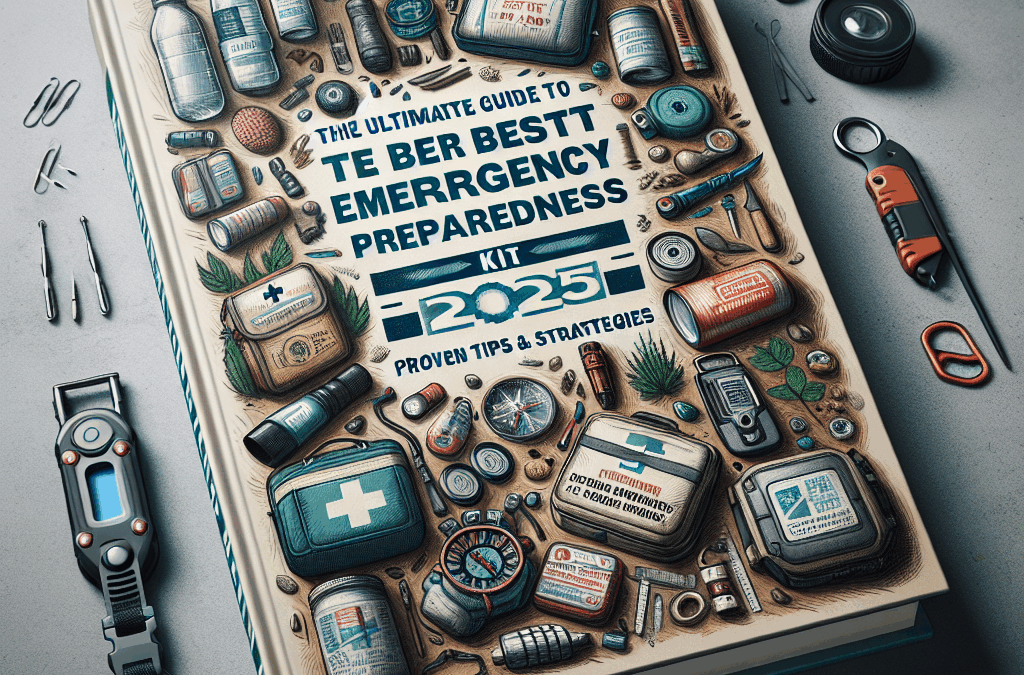
An emergency preparedness kit is vital for ensuring safety during unexpected events such as natural disasters, power outages, or other crises. In 2025, the increasing frequency of severe weather events makes it more essential than ever to be prepared. Having a comprehensive kit allows you to sustain yourself and your family for at least 72 hours, which is the recommended minimum response time during emergencies.
Real-world examples from recent natural disasters highlight the importance of being ready. During hurricanes and earthquakes, those with a ready emergency preparedness kit were able to respond swiftly, reducing stress and risk. Moreover, studies show that having a well-stocked kit significantly improves survival chances and recovery time.
Creating and maintaining an emergency preparedness kit is a proactive step. Itâs not just about stockpiling supplies but also about planning for specific scenarios that could affect your regionâwhether it’s floods, wildfires, or winter storms. In 2025, adaptability and preparedness are more critical than ever.
2. Selecting the Right Container for Your Emergency Kit
Types of Containers and Their Benefits
The container you choose for your emergency preparedness kit plays a crucial role. Options include sturdy plastic bins, military-grade duffel bags, or wheeled trolleys. Each has advantages depending on your mobility needs and storage space. For example, a waterproof container ensures your supplies stay dry if floodwaters rise.
Investing in a container thatâs durable and portable is key. In 2025, lightweight but tough materials like High-Density Polyethylene (HDPE) are popular for their resilience. You also want your container to be clearly labeled and easy to access during stressful situations.
Location also matters. Store your emergency kit in a designated, accessible spot in your home, garage, or even in your vehicle. Having a portable container allows for quick evacuation or moving supplies to different locations if needed.
2025. Ensuring Your Emergency Preparedness Kit Is Up-to-Date
Regular Checks and Maintenance
One of the most overlooked but critical steps is regularly reviewing and updating your emergency preparedness kit. In 2025, new products, changing weather patterns, and new threats mean your kit should evolve. Schedule quarterly or bi-annual checks to ensure all supplies are within expiry dates, functioning, and sufficient for your needs.
Replace expired food, water, medications, and batteries. Additionally, review your personal information, maps, and communication devices. It’s a good practice to simulate emergency scenarios to test your readiness.
Keeping your kit current ensures that when disaster strikes, you’re not caught off guard by outdated supplies or missing essentials. Staying proactive can make the difference between a minor inconvenience and a major crisis.
Frequently Asked Questions about Emergency Preparedness Kits
1. How do I start building an emergency preparedness kit for 2025?
Begin by assessing your familyâs specific needs, including medical supplies, food, water, and tools. Use our comprehensive checklist to guide you through selecting essential items, and focus on durability and portability for your kit. Remember, preparation is an ongoing processâregular updates are key.
2. What are the must-have items in an emergency preparedness kit?
Key items include non-perishable food, bottled water, first aid supplies, flashlights, batteries, warm clothing, hygiene products, and important documents. In 2025, including rechargeable devices and multi-purpose tools is recommended to enhance versatility.
3. How often should I update my emergency preparedness kit?
You should check your kit every 3 to 6 months. Replace expired items, refresh batteries, and review your supplies based on any life changes or new threats in your area. Staying current ensures maximum efficiency during an emergency.
4. Can I prepare an emergency kit for my pets too?
Absolutely! Include pet-specific food, water, medications, and comfort items. Ensuring your pets are also well-prepared can ease stressful situations and keep them safe during emergencies in 2025.
Conclusion
In today’s world, having a well-prepared emergency preparedness kit is more critical than ever. By carefully selecting, maintaining, and regularly updating your kit, you ensure that your family is protected during unforeseen events in 2025. Remember, preparedness is a continuous effortâstay vigilant, and keep your kit ready for any disaster.
For the best results, tailor your emergency preparedness kit to your specific needs, climate, and potential threats, and stay informed about new recommendations for 2025. Your safety depends on your proactive steps today.
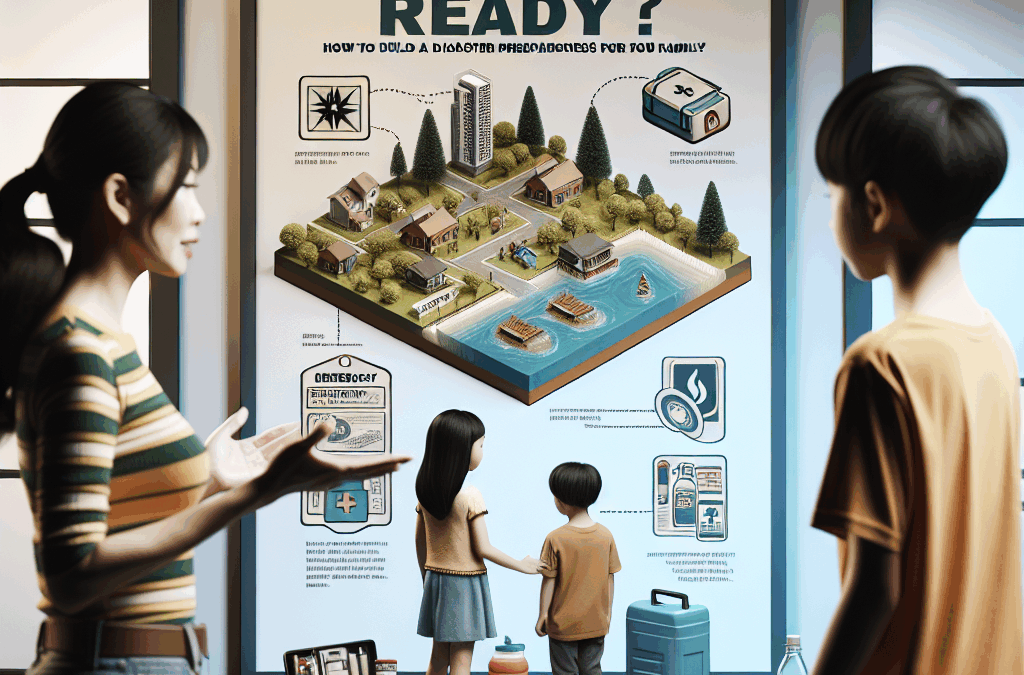
When it comes to disaster preparedness, the first question you should ask yourself is: Are you ready? Disasters can strike without warning, and being prepared could mean the difference between chaos and calm. Building a solid disaster preparedness plan for your family is not just advisable; it’s essential.
*Understanding the Risks: Identifying Potential Disasters in Your Area**
The journey to readiness begins with understanding what you’re up against. Each region has its unique set of risks. Is your area prone to hurricanes, earthquakes, wildfires, or flooding? Take some time to research local hazards—check with your city’s emergency management office or review resources from organizations like FEMA. Additionally, consider secondary threats such as power outages or civil unrest that could arise in conjunction with these primary disasters. Knowing these risks will inform all subsequent steps in your preparedness plan.
*Creating a Comprehensive Emergency Kit: Essentials for Every Family**
Next on the agenda is assembling an emergency kit that caters specifically to your family’s needs. Think of this as your lifeline during a disaster! Start with the basics: water (one gallon per person per day for at least three days), non-perishable food items (enough for at least three days), and a battery-powered or hand-crank radio. Include flashlights, extra batteries, first aid supplies, and hygiene products like soap and toilet paper.
Don’t forget important documents such as insurance policies and medical records; keep them in a waterproof container. Tailor your kit further by including medications, baby supplies if applicable, pet food if you have furry friends, and even comfort items like games or books for children. Regularly check expiration dates and refresh items as needed—an outdated kit does no one any good!
*Developing a Communication Plan: Staying Connected During a Crisis**
In times of crisis, communication breaks down easily amidst panic and confusion. That’s why having a well-thought-out communication plan is crucial. First off, discuss how family members can reach each other during emergencies—designate an out-of-town contact who everyone can check-in with if local lines are overwhelmed.
Consider establishing meeting points both near home and further away in case evacuation is necessary. Make sure everyone knows how to access social media platforms or text messaging services since these often remain operational when phone lines are congested.
*Practicing Your Plan: Importance of Drills and Family Meetings**
A plan isn’t effective unless everyone knows how to implement it—this is where practice comes into play! Schedule regular family meetings to discuss roles during different types of emergencies; this ensures that everyone understands their responsibilities.
Conduct drills so that actions become second nature—you wouldn’t want panic to take over when every second counts! Whether it’s practicing fire evacuations or simulating tornado sheltering procedures, rehearsals help eliminate uncertainty.
*Staying Informed: Resources for Ongoing Preparedness Education**
Finally, staying informed is vital for ongoing preparedness education. Subscribe to emergency alerts through local news outlets or government agencies—staying updated allows you to react swiftly when needed. Consider joining community preparedness groups where you can learn valuable skills like first aid or CPR while networking with others who share similar concerns.
In conclusion, crafting a comprehensive disaster preparedness plan requires diligence but pays off immensely when faced with adversity. By understanding risks specific to your area, assembling an emergency kit tailored for your family’s needs, developing clear communication strategies, practicing regularly through drills—and continuously seeking educational resources—you’ll cultivate resilience within your household that will benefit you all in times of need! Remember: It’s better to be prepared than caught off guard!
In a world where natural disasters, health crises, and unexpected emergencies can strike without warning, understanding the importance of emergency preparedness is more crucial than ever. It’s not just about surviving; it’s about thriving in the face of adversity. When you take the time to prepare, you empower yourself and your loved ones to handle whatever life throws your way.
*Understanding Emergency Preparedness: Why It Matters**
Emergency preparedness goes beyond packing a few supplies. It encompasses a proactive mindset that prioritizes safety and resilience. Imagine facing an unforeseen event—such as a hurricane or earthquake—without any plan in place. Panic can easily set in when chaos reigns. By preparing ahead of time, you significantly reduce anxiety and enhance your ability to respond effectively. Preparedness fosters community resilience as well; when individuals are prepared, entire neighborhoods can rebound faster from disasters.
*Creating Your Emergency Plan: Steps to Take**
Crafting an effective emergency plan involves several key steps:
1. **Identify Risks:** Assess potential threats specific to your region—these might include floods, wildfires, or even civil unrest.
2. **Establish Communication Channels:** Designate a family meeting point and ensure everyone knows how to reach each other during an emergency.
3. **Assign Roles:** Everyone should have specific responsibilities during a crisis—whether it’s gathering supplies or caring for pets.
4. **Practice Regularly:** Conduct drills based on different scenarios so that everyone feels confident in their roles.
5. **Review and Revise:** Periodically revisit your plan to make necessary updates based on changing circumstances or new information.
By following these steps, you’re not just creating a document; you’re building confidence and coherence within your household.
*Essential Supplies: Building Your Disaster Kit**
A well-stocked disaster kit is vital for any emergency situation. Start with the basics:
Non-perishable food items (canned goods, energy bars)
Water (one gallon per person per day for at least three days)
First aid supplies
Flashlights and batteries
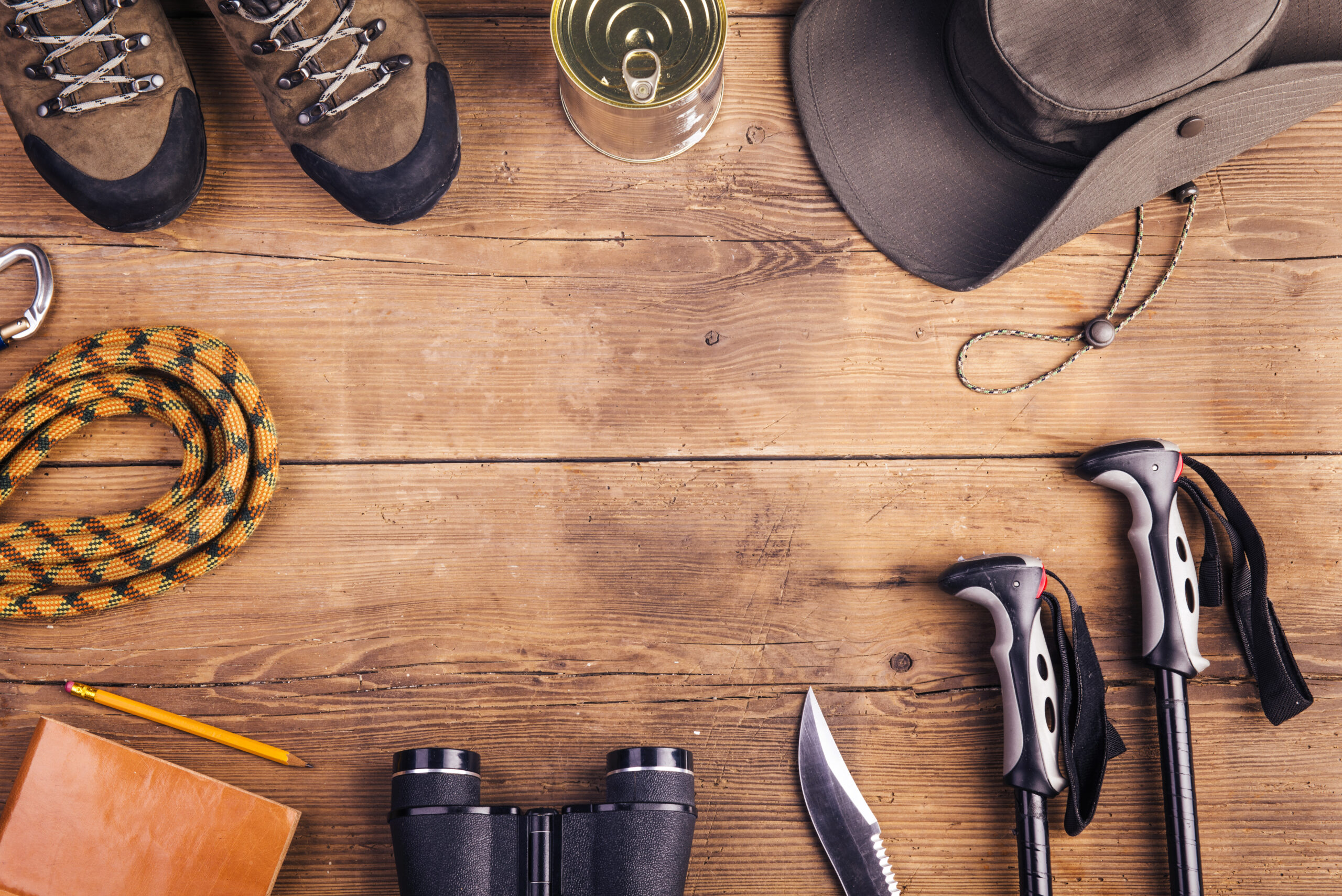
Multi-tool or Swiss army knife
Whistle (to signal for help)
Don’t forget personal necessities like medications, hygiene products, and important documents stored securely yet accessibly! Tailor your kit according to individual needs—for instance, include baby formula if you have young children.
*Training and Resources: Equipping Yourself and Your Community**
Knowledge is power! Invest time into learning essential skills such as first aid/CPR training or basic firefighting techniques through local classes or online resources. Many communities offer workshops focused on preparedness; these often foster camaraderie while equipping participants with invaluable skills.
Engage with local organizations focused on disaster response—they often provide resources tailored specifically for various emergencies affecting your area.
*Staying Informed: Communication Strategies During Emergencies**
During crises, clear communication becomes paramount. Establish a system that allows family members to stay connected via texts or social media updates rather than relying solely on phone calls which may be interrupted by network overloads.
Consider utilizing apps designed for emergency management that share real-time updates about local hazards or shelter locations.
Finally, stay informed through local news channels or official social media accounts of municipal agencies dedicated to public safety—this ensures you receive timely alerts regarding evacuations or warnings.
Taking these proactive measures will not only prepare you but also inspire others in your community to do the same—a collective effort yielding stronger resilience across neighborhoods during uncertain times! Prepare today so tomorrow holds fewer surprises; protect those who matter most by fostering readiness; prevail against challenges with unwavering resolve!