One of the foundational steps in preparedness for disaster is assessing your specific risks. In 2025, climate change has increased the frequency of natural disasters such as hurricanes, wildfires, and floods. Understanding your local hazards enables you to develop a tailored emergency plan. Whether you live in a coastal area or near fault lines, customizing your plan ensures better preparedness.
Begin by researching the common hazards in your region. Then, identify the safest evacuation routes, safe shelters, and critical contacts. An effective emergency plan doesnât just sit on paper; itâs a living document. Review and update it annually to adapt to new circumstances or changes in your environment.
Having a clear, written plan reduces confusion and panic during an actual disaster. Practice sharing this plan with family members, so everyone understands their role. Remember, the goal of preparedness for disaster is to minimize risk and ensure everyoneâs safety when disaster strikes.
Important Components of Your Disaster Plan
A well-rounded disaster plan should include several key elements: communication strategies, evacuation procedures, and designated meeting points. Make sure each family member understands what to do, where to go, and how to stay connected.
Additionally, incorporate specific plans for vulnerable members, such as children, seniors, or pets. Disasters can be unpredictable, but thorough preparation can make all the difference. In 2025, leveraging smart technology like emergency apps can enhance your planâs effectiveness by providing instant updates and step-by-step guidance.
Remember, a comprehensive disaster preparedness plan isnât just about reactionâitâs about proactive safety measures you take today to safeguard your future.
2. Build a Comprehensive Emergency Kit
What to Include in Your Emergency Kit
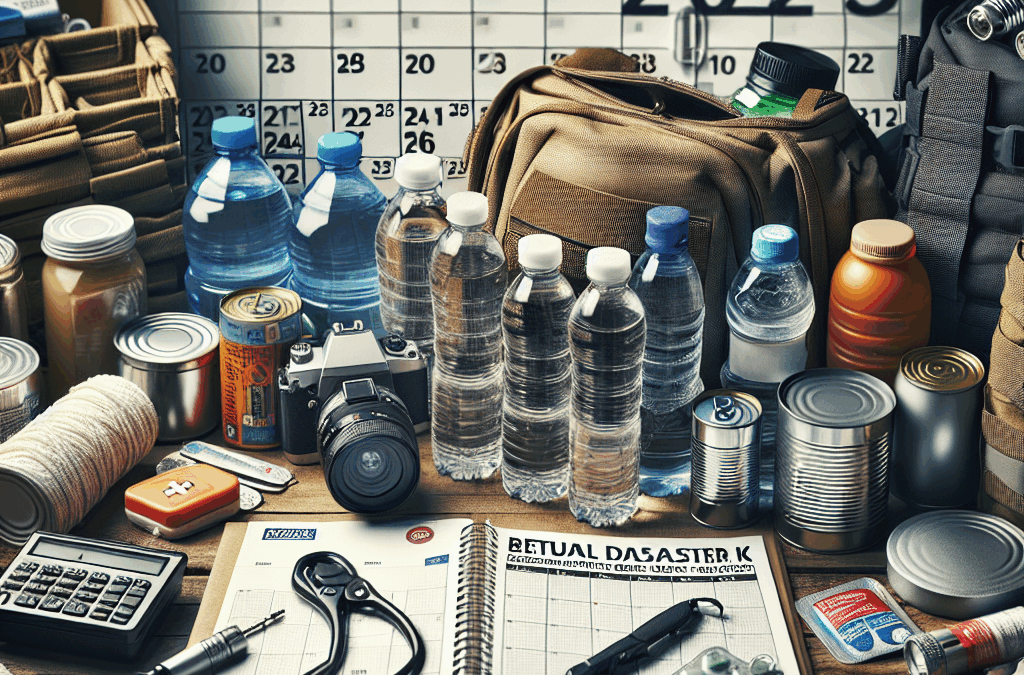
Creating an emergency kit is vital for preparedness for disaster. Your kit should sustain your household for at least 72 hours, ideally up to a week, in case of disruptions. Key items include non-perishable food, bottled water, first aid supplies, flashlights, batteries, and personal hygiene products.
In 2025, technological advancements mean including solar-powered chargers and portable power banks in your kit. These ensure your devices stay powered during outages. Donât forget important documents, such as identification, insurance papers, and medical records, kept in waterproof containers.
Tips for your kit: store it in an accessible, designated location known to everyone. Rotate stored food and water to ensure freshness. Regularly check and update your supplies, especially perishable items and batteries.
Specialized Items and Extras
Depending on your specific needs and regional risks, consider adding specialized items. For example, allergy medications, infant supplies, or pet food. If you live in an area prone to earthquakes, include dust masks, sturdy footwear, and tools for minor repairs.
Emergency kits should evolve with your circumstances. As of 2025, integrating smart devices like GPS trackers or emergency alert systems can improve responder access and improve safety. Planning ahead with a well-stocked emergency kit gives you peace of mind knowing youâre prepared for unexpected events.
3. Stay Informed with Real-Time Alerts
Leverage Technology for Alerts
Staying informed is a critical component of preparedness for disaster. In 2025, technology plays a major roleâvia smartphone notifications, social media, and dedicated emergency apps. These tools deliver real-time alerts about weather changes, evacuations, or safety instructions.
Make sure all family members have access to reliable sources of information. Download and familiarize yourself with local emergency alert apps and sign up for community notification systems. Websites like the National Weather Service or local agencies provide accurate updates to help you make informed decisions.
By having immediate access to alerts, you can initiate safety measures fasterâwhether itâs evacuating during a wildfire or seeking shelter during a storm. Staying informed is perhaps the simplest yet most effective preparedness for disaster strategy.
Understanding and Interpreting Alerts
Not all alerts are self-explanatory; understanding their significance improves your response time. Learn the symbols, codes, and terminology used in alerts, such as âEvacuate immediatelyâ or âSeek shelter.â Review your communityâs warning protocols regularly.
Keep multiple sources of alerts active â alert apps, local radio, and emergency broadcasting systems. During 2025, emerging AI-driven alert systems promise even faster, more precise notifications. Make it a habit to verify information through official channels before taking action.
Staying ahead of the information curve empowers you and your loved ones, reducing panic and enhancing your preparedness for disaster.
4. Secure Your Home and Property
Practical Home Safety Measures
Preventive actions are fundamental to preparedness for disaster. Secure loose items like outdoor furniture or tools, which can become projectiles during storms or high winds. Reinforce windows with shutters or plywood, and strengthen garage doors and entryways.
In 2025, consumers are increasingly adopting smart home technologyâlike automated shutoff valves or surveillance systemsâthat can mitigate damage and improve safety. Installing smoke and carbon monoxide detectors and ensuring theyâre working correctly is also crucial.
Home safety isnât just reactive; itâs about creating a resilient environment that lessens damage and protects your loved ones. Basic upgrades today can save lives tomorrow.
Insurance and Documentation
Verify your insurance coverage is up-to-date and adequate for regional risks. Keep digital and physical copies of important documents stored securely, accessible in case of disaster.
Having insurance is a key part of preparedness for disaster, providing financial protection after an event. In 2025, pairing insurance with digital documentation and smart storage ensures quick access and claims processing, reducing recovery time.
Preparation also involves maintaining an inventory of valuables and property, which simplifies insurance claims and recovery efforts post-disaster.
5. Establish Communication Strategies
Internal and External Communication Plans
Effective communication is essential during disasters. Establish a communication plan that includes outside contacts, such as relatives or friends, and local emergency services. Ensure everyone knows how to reach each other if cell networks are congested or down.
Use multiple channels: phone calls, text messages, social media, and two-way radios. Consider investing in emergency communication devices like satellite phones for remote areas. Practice your plan regularly to ensure it works smoothly during a crisis.
In 2025, the rise of AI-based communication systems and emergency networks enhances the reliability of information sharing. Regular drills help identify and address potential communication failures before disaster strikes.
Key Contact List and Backup Plans
Compile a detailed list of emergency contacts, including doctors, local authorities, and support networks. Keep multiple copiesâdigital and printedâin accessible locations.
Set up backup plans in case primary communication methods fail. For example, designate a meeting spot if you get separated. Training family members on these protocols enhances overall preparedness for disaster.
Strong communication strategies reduce chaos and confusion, enabling faster response and recovery efforts.
6. Train and Practice Regularly
Conduct Drills and Simulations
Practicing your emergency plan is crucial to preparedness for disaster. Schedule regular drills involving your family or community to simulate various scenariosâfire, flood, or earthquake. These exercises reveal gaps and improve coordination.
In 2025, virtual reality and augmented reality tools are making disaster simulations more realistic and accessible. Incorporate these technologies to enhance training and preparedness.
Regular practice builds confidence and muscle-memory, ensuring everyone responds instinctively when real emergencies happen. Keep records of drills and adjust your plan accordingly.
Education and Training Programs
Stay informed about latest safety practices by attending workshops, online courses, or community sessions. Teaching children and vulnerable family members about safety procedures empowers them and boosts overall preparedness.
First aid and CPR certification are invaluable skills for disaster situations. Additionally, learning how to operate emergency equipment, like fire extinguishers, increases your resilience.
Continuous education fosters a community of prepared individuals capable of handling diverse disaster scenarios effectively.
7. Connect with Community Resources
Local Support Networks and Volunteering
Community engagement enhances disaster preparedness for everyone involved. Connect with local organizations, participate in neighborhood watch programs, or volunteer in emergency response teams. A well-connected community can share resources, information, and support more effectively.
Many cities in 2025 have established resiliency hubs, which offer supplies, safety information, and training. Becoming familiar with these resources ensures quick access during times of need.
Community preparedness reduces individual burden and builds collective resilience, making disasters manageable at the local level.
Partnerships with Authorities and NGOs
Establish relationships with local authorities, emergency services, and NGOs. These partnerships can provide vital support, training, and funding to enhance your preparedness efforts.
Participate in community planning meetings and preparedness workshops. Building trust and familiarity with responders ensures coordinated action during crises.
Strong community ties and collaboration often lead to faster recovery and shared resilience in 2025âs unpredictable disaster landscape.
Conclusion
In 2025, focusing on preparedness for disaster is more crucial than ever. From developing detailed emergency plans to building robust emergency kits and establishing effective communication strategies, each step you take adds a layer of resilience. Remember, the key to surviving and thriving after a disaster lies in proactive preparation today. By implementing these 7 effective strategies, you position yourself and your loved ones to navigate future challenges confidently and safely. Stay vigilant, stay prepared, and make 2025 your year of readiness.
Frequently Asked Questions
What is the most important aspect of preparedness for disaster?
The most important aspect is having a comprehensive emergency plan that is well-practiced and understood by everyone involved. Preparation reduces panic and saves lives during actual events.
How often should I update my emergency kit?
Itâs recommended to review and update your emergency kit at least once a year. Check expiration dates, replace used supplies, and incorporate new emergency technology whenever necessary.
Why is community connection vital for disaster preparedness?
Community connections facilitate resource sharing, information dissemination, and mutual support, which are essential in managing large-scale or prolonged disasters effectively.
Can technology improve disaster preparedness for 2025?
Yes, advancements such as real-time alert systems, smart home devices, and AI-driven response tools significantly enhance disaster preparedness, making responses faster and more efficient.
Disasters can strike at any moment, often leaving a trail of chaos and uncertainty in their wake. Whether it’s a natural disaster like a hurricane or an unforeseen emergency such as a fire, being prepared can make all the difference. This is why understanding the importance of disaster preparedness is crucial. It’s not merely about having an emergency plan; it’s about cultivating resilience within individuals and communities alike. By focusing on three core pillars—Prepare, React, and Recover—we lay the groundwork for effective disaster readiness.
*Prepare: Building Your Emergency Plan and Kit**
The first step towards effective disaster readiness begins with preparation. Creating an emergency plan tailored to your family’s specific needs is paramount. This includes establishing communication protocols, identifying safe meeting places, and ensuring everyone understands their roles during an emergency. Don’t forget to consider pets! They are part of the family too.
Equally important is assembling an emergency kit that contains essential supplies—think non-perishable food items, water (at least one gallon per person per day for three days), a flashlight, first aid supplies, medications, and important documents stored in waterproof containers. Tailor your kit based on unique needs; perhaps you need baby formula or specialized medical equipment. Regularly check and update these supplies to ensure everything remains usable.
*React: How to Respond During a Crisis**
When disaster strikes, having a well-thought-out plan allows you to react swiftly and effectively. Stay calm; panic breeds confusion and hasty decisions often lead to danger. Follow your established communication protocols – reach out to family members to confirm safety or coordinate evacuations if necessary.
Pay attention to local alerts through weather services or community notifications for real-time updates on evacuation orders or shelter locations. If you have time before evacuating, grab your emergency kit along with vital personal belongings—documents that prove identity or ownership should be prioritized.
*Recover: Steps to Rebuild and Heal After a Disaster**
Once the immediate danger has passed, focus shifts towards recovery—a process that requires patience but is equally essential in restoring normalcy in life after turmoil strikes. Begin by assessing the damage; this will help prioritize what needs immediate attention versus long-term rebuilding efforts.
Seek assistance from local agencies or relief organizations that offer resources for recovery support including financial aid or counseling services for emotional distress caused by trauma experienced during disasters. Remember that healing isn’t just physical; it involves mental recovery too!
*Community Support: The Role of Collaboration in Readiness**
One cannot underestimate the power of community solidarity when facing disasters together. Collaboration fosters resilience among neighbors who might otherwise feel isolated during emergencies. Participate in local preparedness initiatives—community drills can bolster confidence while enabling everyone involved to share knowledge about resources available nearby.
Moreover, forming neighborhood groups dedicated specifically toward planning responses can create robust networks where information flows freely before crises unfold; this ensures collective strength amidst chaos when it matters most!
*Practicing Your Plan: Drills and Training for All Scenarios**
Finally, practicing your disaster response plan through drills helps solidify knowledge gained during preparation stages into muscle memory—a crucial element when minutes count! Involve every member of your household in training sessions covering various scenarios from fires to natural disasters so they know how best to react instinctively under pressure.
In conclusion, embracing these three pillars—Prepare, React, Recover—coupled with community collaboration prepares us not just as individuals but also as united forces against adversity ahead! Take proactive steps today because tomorrow may bring unexpected challenges—it pays dividends later down the road!
Having access to clean water during a natural disaster is crucial. In 2025, data shows that more than 30% of disaster-related fatalities are due to dehydration or waterborne illnesses. A well-prepared natural disaster kit should include water purification tools to ensure safety. These tools are effective in filtering out harmful pathogens and contaminants from questionable water sources, which are common during emergencies.
For example, portable water filters like the LifeStraw or Sawyer Filter have proven effective in independent tests and are a staple in any preparedness kit. These devices allow you to drink directly from streams or contaminated sources safely. Also, carrying water purification tablets can be a lifesaver when filters aren’t available or malfunctioning. In 2025, advancements in portable purification tech mean smaller, more efficient devices than ever before.
To maximize preparedness, I always recommend storing at least one gallon of water per person per day, for a minimum of three days. Incorporating water purification tools into your emergency kit ensures your safety even when supplies run low. Make sure to practice using these tools ahead of time so youâre familiar with their operation during an actual emergency.
Tips for Maintaining Water Supplies
Water supplies in your disaster kit should be stored in food-grade containers and replaced regularly. When water is stored improperly, it can become a breeding ground for bacteria. Use sturdy, sealed bottles that prevent leaks and contamination. Additionally, rotate stored water every six months to ensure freshness and potency of purification tablets or filters.
Labeling your water containers with purchase and expiry dates helps you keep track of freshness. In 2025, many new water storage options feature UV sterilization caps, making it easy to treat water on demand with just a few minutes of exposure. These innovations help extend the shelf life of your water supplies and ensure safety in critical moments.
Remember, always have backups, especially if you live in an area prone to flooding or hurricanes. A comprehensive natural disaster kit prioritizes not just water storage but also reliable purification methods to adapt to different scenarios efficiently.
2. Non-Perishable Food Items
Choosing Nutritious and Long-Lasting Food
In 2025, the focus on nutrition in emergency food supplies has grown significantly. Your natural disaster kit should include a variety of non-perishable foods that provide essential nutrients and energy. Canned goods, freeze-dried meals, and ready-to-eat bars are popular choices. When selecting foods, aim for items with long shelf livesâat least five yearsâand minimal preparation requirements.
Practical examples include high-protein options like jerky, nuts, and trail mixes, which are easy to store and transport. Including comfort foods, such as chocolate or instant coffee, can improve morale during stressful times. Consider dietary restrictions and allergies, ensuring your kit is versatile for all family members. Incorporating vitamin supplements can also help fill nutritional gaps during extended emergencies.
Storage tips include keeping foods in airtight, waterproof containers and labeling expiration dates clearly. In 2025, innovative packaging such as vacuum-sealed pouches and biodegradable containers have become more common, helping reduce waste and environmental impact. Regularly updating your supply ensures freshness and preparedness.
Meal Planning and Preparation Tips
Pre-planning meals before an emergency can save crucial time and resources. Stock up on various meal options so you can rotate supplies and avoid spoilage. Preparing grab-and-go meal kits in advance, with items like instant oatmeal or rice meals, allows quick access during emergencies. Don’t forget utensils, can openers, and portable stoves if cooking is necessary.
Dehydrated and freeze-dried foods require minimal water and heat, making them ideal for emergencies. In 2025, new multi-purpose cooking devices combine solar, battery, and hand-crank power sources, enabling versatile meal preparation even when power is out. Always test your meal options periodically to ensure they remain in good condition and can be prepared easily during a crisis.
Having a well-thought-out food strategy in your natural disaster kit ensures you wonât go hungry. Focus on lightweight, nutrient-dense foods that can sustain you through prolonged power outages or supply chain disruptions.
2025. Emergency Shelter and Comfort Items
Types of Emergency Shelters
Providing a safe space is vital during a natural disaster. Your natural disaster kit should include items like emergency tents, tarp tarps, and sleeping bags. These supplies offer protection from the elements and can be set up quickly in various environments. When choosing an emergency shelter, consider size, portability, and ease of setup.
For instance, compact, lightweight tents are suitable for hiking but may not offer enough space or insulation for families. Emergency bivvy bags or space blankets can provide warmth and protection without bulk. In 2025, modular shelter systems that integrate solar-powered vents and insulated materials are becoming more popular, offering enhanced comfort and energy efficiency.
Prioritize shelters that are sturdy against wind and rain, and ensure you have accessories like stakes, ropes, and repair kits. Practice setting up your shelter at home so you’re prepared to do so quickly during an actual emergency. The right shelter can significantly impact your safety and well-being during prolonged disaster scenarios.
Adding Comfort Items for Mental Well-being
Stress management is essential, especially in extended displacement situations. Including comfort items such as personal hygiene supplies, blankets, and photos helps maintain mental health. Small comforts can diminish the feeling of being overwhelmed and aid in maintaining a positive outlook.
Electrical-powered devices like radios or flashlights with backup batteries are important for updates and entertainment. In 2025, solar-powered chargers and wireless charging pads have become more accessible, making it easier to keep communication devices operational. Remember, a well-equipped natural disaster kit isnât just about survival but also about fostering resilience and hope during tough times.
Make sure to allocate space and weight in your kit for these comfort items, and update them regularly to keep morale high when disaster strikes.
Frequently Asked Questions
What should be included in a natural disaster kit?
A comprehensive natural disaster kit should include essentials like water purification tools, non-perishable food, first aid supplies, emergency shelter, hygiene products, lighting, and communication devices. Tailor your kit to your area’s most common hazards and the needs of your family.
How often should I update my natural disaster kit?
Itâs recommended to review and update your disaster kit every six months. Check expiration dates, replace used or outdated items, and ensure all components are functional. Regular maintenance keeps your kit reliable and ready for emergencies in 2025.
Why is a natural disaster kit important?
Having a prepared natural disaster kit can significantly increase your chances of safety and survival during emergencies. It ensures you have access to necessary resources, reduces stress, and helps you respond quickly and effectively in unpredictable situations.
Can I customize my natural disaster kit for different emergencies?
Absolutely! Customizing your kit based on the specific risks in your area, such as floods, hurricanes, earthquakes, or wildfires, will make it more effective. Consider adding specialized gear like flood barriers or fire-resistant clothing to enhance your preparedness in 2025.