Staying nourished during emergencies is crucial. In 2025, emergency food supplies encompass a variety of shelf-stable options like dehydrated meals, canned goods, and energy bars. These items are designed to last for years without refrigeration, making them ideal for long-term preparedness.
Many emergency food kits now include nutritious meals that require only water, reducing the need for extensive cooking equipment. Consider choosing options that cater to dietary restrictions and preferences for better morale and health during crises.
When selecting your emergency food supplies, look for high-calorie, nutrient-dense options to ensure energy levels remain stable. Proper inventory management and rotation are key to maintaining freshness and preparedness readiness.
Storage Tips for Emergency Food
Effective storage involves a cool, dark, and dry environment. Use airtight containers to prevent pests and moisture. Label everything clearly with purchase and expiration dates for easy rotation.
Arrange your food supplies so that older items are used first, following the FIFO (First In, First Out) principle. This ensures you always have fresh, usable food in your emergency kit.
It’s wise to diversify your food storage to include a mix of carbohydrates, proteins, and fats, catering for various nutritional needs during extended emergencies.
Practical Advice for Maintaining Your Emergency Food Supply
Regularly check expiration datesâideally once every 6 monthsâand replace expired items. Keep a list of your inventory for quick reference during emergencies.
Practice preparing these emergency foods in advance. Simple cooking or rehydration methods help reduce panic during actual emergencies.
Building a 2025 emergency food supply that is easy to access and store will provide peace of mind and preparedness for whatever crisis may arise.
2. Water Purification Devices
Popular Water Purification Options for 2025
Access to clean drinking water is fundamental during emergencies. In 2025, water purification devices like portable filters, UV purifiers, and chemical tablets continue to be essential components of emergency preparedness items. These tools remove contaminants and pathogens, turning questionable water sources into safe drinking water.
Upgrade to models that are lightweight, durable, and user-friendlyâperfect for both urban and wilderness settings. For example, pump filters like the Sawyer Mini are popular for their efficiency and portability.
Advancements in UV sterilization technology now allow compact devices to sterilize large quantities of water quickly, making them indispensable during extended outages or natural disasters.
Choosing the Right Water Purification Gear
Assess your typical environmentâurban, rural, or outdoorâto determine the best purification method. If you’re in an area prone to flooding or contamination, consider multi-stage filtration systems for added safety.
Always keep extra replacement filters, chemical tablets, and backup devices as part of your emergency preparedness items. This prevents interruptions in water safety during prolonged crises.
Incorporating reliable water purification technology in your emergency kit ensures ongoing access to safe water, a critical need in 2025’s unpredictable disaster landscape.
Practical Tips for Water Storage
Fill clean, food-grade containers and rotate stored water regularly. Aim to keep at least a gallon per person per day for drinking and sanitation.
Label stored water with purchase or fill date, and replace every six months for freshness. Consider storing water in multiple locations for added safety and accessibility.
Combining stored water with portable purification devices provides a comprehensive water management strategy for any emergency situation.
3. First Aid Kits
Essential Components of a Modern First Aid Kit
Preparedness in 2025 means having a comprehensive first aid kit tailored for various emergencies. These kits typically include bandages, antiseptic wipes, tweezers, scissors, gloves, and pain relievers. Advanced kits may also contain items like tourniquets, burn treatments, and medications.
Customizing your kit to specific family needsâkids, seniors, or individuals with special conditionsâensures youâre ready for all scenarios. Compact, portable kits are ideal for vehicles and travel, while larger kits serve home settings better.
Quality over quantity matters when selecting first aid supplies. Invest in kits with reliable brands and regularly check for expired medications or supplies that need replenishing.
Training and Maintenance
Knowing how to use your first aid kit is just as important as having it. Attend certified first aid and CPR courses to boost your confidence and skills during emergencies.
Review your kit periodicallyâevery 6 monthsâto replace expired items and update supplies based on changing needs.
Having well-organized, accessible first aid kits embody the core of effective emergency preparedness items that could save lives in 2025.
Extra Tips for First Aid Readiness
Create a family emergency plan that includes steps for medical emergencies. Ensure all members know the locations of first aid kits and how to use their contents.
Consider including digital copies of first aid instructions or a small manual in your kit for quick reference.
Preparedness extends beyond physical supplies; being trained and organized ensures youâre ready to handle any medical crisis.
4. Emergency Flashlights
Choosing the Best Flashlights for 2025
In 2025, emergency flashlights are smarter, brighter, and longer-lasting. LED technology dominates the market, offering up to 10 times the lifespan of traditional bulbs. Look for flashlights with rechargeable batteries, solar charging options, or hand-crank mechanisms for peace of mind during extended outages.
Opt for models with multiple light modesâhigh, low, strobe, and SOSâto adapt to varied situations. Waterproof and impact-resistant designs ensure durability in harsh conditions.
Consider headlamps for hands-free operation, especially useful in medical emergencies, repairs, or outdoor navigation during blackouts.
Features to Look for in 2025
Rechargeability and energy efficiency are top features this year. Many models can be charged via USB, solar, or hand-cranking, reducing dependence on disposable batteries.
Some flashlights now incorporate smart technology that allows remote control or automatic brightness adjustments based on ambient light levels.
Adding portable, compact flashlights to your emergency preparedness items ensures reliable illumination when you need it most.
Maintenance and Storage Tips
Regularly test your flashlights to confirm they work properly. Replace batteries or fully recharge them every few months, even if not in use.
Store flashlights in accessible, known locationsânear your emergency kit, car, or bedroom. Use protective cases or covers to prevent damage.
Properly maintained lighting devices are vital components of your 2025 emergency preparedness plan, helping you navigate safely through crises.
5. Power Banks and Portable Chargers
Latest Trends in Portable Charging Devices
In 2025, portable power banks are more efficient, compact, and capable of charging multiple devices simultaneously. High-capacity models with fast-charging technology are essential emergency preparedness items, especially when electricity is interrupted for days or weeks.
Consider power banks with solar panels or hand-crank features, providing alternative charging options in off-grid situations. Devices with multiple USB ports allow charging smartphones, radios, and small appliances from a single device.
The trend toward rugged, waterproof power banks ensures durability in extreme conditionsâa vital consideration for outdoor or disaster scenarios.
Choosing the Right Portable Charger
Prioritize high-capacity models to ensure your devices stay powered longer. For example, a 20,000mAh or higher capacity can recharge a smartphone multiple times.
Evaluate compatibility with your devices and look for features like quick charging and pass-through chargingâcharging the bank while simultaneously powering devices.
Including multiple portable chargers as part of your emergency preparedness items ensures continuous communication and access to vital information during crises.
Best Practices for Using and Maintaining Power Banks
Keep your power banks fully charged and recharge them periodically, even if unused, to maintain readiness. Store them in a cool, dry place to prevent damage.
Limit exposure to extreme temperatures and moisture, which can degrade battery life. Label your devices for quick identification in emergencies.
Having reliable portable chargers in your emergency kit guarantees your ability to stay connected and access essential information throughout 2025 emergencies.
6. Multi-Tool and Survival Knives
Top Features of Multi-Tools in 2025
Multi-tools with stainless steel construction, multiple functions, and compact design continue to be among the most valued emergency preparedness items in 2025. They can include screwdrivers, pliers, bottle openers, and more, all in one device.
Survival knives with full tang design, sharp blades, and durable handles are also essential. They are useful for cutting, building shelter, or food prep in outdoor environments.
Look for models that meet ANSI standards for safety and durability, ensuring longevity and reliability when needed most.
How Multi-Tools Enhance Emergency Preparedness
Having a multi-tool handy means youâre prepared for various tasksârepairing equipment, opening cans, or performing medical procedures. They reduce the need to carry multiple separate tools.
Multi-tools are compact enough to fit in pockets, backpacks, or emergency kits, making them extremely versatile for many situations in 2025âs unpredictable world.
Train yourself on the various functions to maximize their usefulness, ensuring you can quickly respond in emergencies.
Care and Maintenance of Survival Gear
Clean and dry your multi-tools after use to prevent rust. Sharpen blades periodically to maintain cutting efficiency.
Store your knives and multi-tools in protective cases or sheaths to prevent damage.
These simple steps contribute to the longevity of your emergency preparedness items, ensuring theyâre ready when needed in 2025âs emergencies.
7. Emergency Blankets
Types of Emergency Blankets for 2025
In 2025, emergency blankets are made from advanced thermal-reflective materials that retain body heat in extreme cold. They are lightweight, compact, and highly effective, making them a must-have in any emergency kit.
Mylar blankets are still popular because they are inexpensive and effective. Some newer models incorporate multiple layers for added insulation and durability.
Additional features include waterproofing and wind resistanceâimportant attributes for survival in harsh environments.
Uses of Emergency Blankets
Emergency blankets serve multiple purposes: warmth, signaling rescuers, ground cover, or temporary shelter. Their reflective properties make them highly visible, especially at night or in low light conditions.
In cold climates, they can prevent hypothermia by conserving body heat. Outdoors enthusiasts use them for insulation in survival situations.
Always keep several emergency blankets in your preparedness items, especially if you live in colder regions or participate in outdoor activities.
Storage and Deployment Tips
Store blankets in waterproof, lightweight containers for easy access. Fold or roll them neatly to prevent damage.
Practice deploying them quickly in simulated scenarios so you can do it efficiently during real emergencies.
Properly maintained emergency blankets can provide critical warmth, comfort, and visibility during 2025 disasters or accidents.
8. Communication Devices
Important Communication Tech for 2025
Reliable communication is vital during emergencies. In 2025, popular items include handheld radios, satellite phones, and emergency communication apps. These devices help maintain contact with loved ones and emergency services when cell networks are down.
Satellite phones are especially valuable in remote areas or during natural disasters when terrestrial networks are disrupted.
Emergency communication apps can provide alerts, GPS tracking, and direct connections to rescue services, enhancing safety and coordination.
Choosing Effective Communication Devices
Select devices that are easy to operate, weather-resistant, and have long battery life. Consider multi-band radios that can receive NOAA weather alerts and emergency broadcasts.
Include portable chargers and spare batteries to keep your communication devices powered up for extended periods.
Training family members on device operation ensures everyone can stay connected during crises in 2025.
Strategies for Staying Connected
Establish a family communication plan, including designated meeting spots and check-in procedures. Share GPS coordinates if possible to facilitate rescue efforts.
Keep your devices in an accessible location, and regularly test them to ensure functionality.
Having dependable communication devices as part of your emergency preparedness items guarantees vital information flow during unpredictable events.
9. Personal Protective Equipment (PPE)
Must-Have PPE for 2025
In 2025, PPE includes masks, gloves, eye protection, and protective suits designed to guard against chemical, biological, or viral threats. With ongoing global health concerns, PPE remains a critical component of emergency preparedness items.
Consider upgrading to reusable, washable masks with high filtration efficiency. Gloves made from durable materials provide protection during sanitation or medical interventions.
Eye protection such as safety goggles can shield against debris, chemical splashes, or infectious agents.
Integrating PPE into Your Emergency Plan
Store PPE items in easily accessible locations at home, work, and in your vehicle. Ensure everyone in your household knows how to correctly use PPE.
Regularly inspect PPE gear for tears or degradation and replace as needed. Proper storage extends shelf life and maintains effectiveness.
Proper PPE use minimizes health risks during emergencies, making them indispensable emergency preparedness items in 2025.
Training and Best Practices
Attend training sessions or watch tutorials on correct PPE donning and doffing procedures to prevent contamination.
Incorporate PPE use into your family emergency drills, ensuring everyone is prepared for health crises.
Thoughtful integration of PPE into your overall emergency preparedness plan enhances safety and resilience in 2025.
10. Emergency Radio
Top Emergency Radios for 2025
Compact, multi-functional emergency radios with NOAA weather alerts, hand-crank, solar charging, and AM/FM/NOAA capabilities are essential in 2025. They keep you updated on weather conditions and emergency broadcasts regardless of power availability.
Advanced models may include LED flashlights, USB charging ports, and rechargeable batteries, making them vital parts of emergency preparedness items.
Select radios with clear sound quality, long battery life, and durable construction for outdoor or disaster scenarios.
Features to Consider
Solar-powered or hand-crank chargers prevent reliance on batteries, ensuring continuous operation. Multiple charging options increase flexibility during prolonged outages.
Look for devices that have multiple power sources and compatibility with various devices, safeguarding your communication and information access.
Effective emergency radios are a lifeline, providing crucial updates and information during emergencies in 2025.
Maximizing Your Emergency Radio Use
Test your radio periodically and familiarize yourself with all functions. Keep spare batteries and power sources available.
Store the radio alongside your other emergency preparedness items for quick access.
Having a trusted emergency radio ensures you stay informed and connected, which is vital in crisis situations during 2025.
Conclusion
As we look towards 2025, understanding and investing in the right emergency preparedness items is more important than ever. From reliable food supplies and water purification devices to advanced communication tools and protective gear, each of these items plays a vital role in your safety strategy. Building a comprehensive kit with
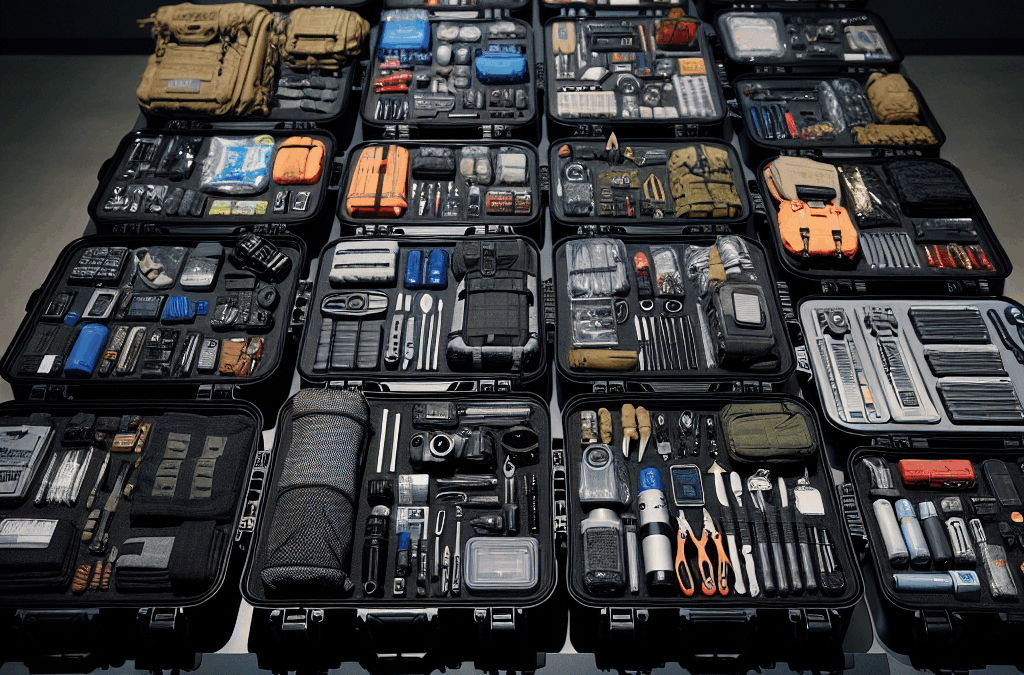
In 2025, the focus on more prepared emergency kits emphasizes efficient and quick access. Modular storage containers allow you to organize supplies by category such as first aid, food, water, and tools. These containers can be labeled clearly and stacked neatly, making retrieval faster during stressful situations.
Investing in transparent bins or color-coded containers can further streamline your kit organization. This way, every family member can easily find what they need without rummaging through the entire kit. Remember: a well-organized kit reduces panic and saves valuable time in emergencies.
Furthermore, consider using stackable drawers or portable totes that fit into your home storage areas or vehicle compartments. This flexibility ensures your emergency kits are not only prepared but accessible wherever you need them. The goal is to create more prepared emergency kits that are practical and easy to maintain.
Creating Digital Inventory Records
Alongside physical organization, maintaining a detailed digital inventory of your emergency supplies can be a game-changer. Use apps or spreadsheets to log quantities, expiration dates, and replacement needs. This proactive approach ensures that in 2025, your kits remain fully stocked and ready to deploy at a moment’s notice.
Set reminders for regular check-ins or automatic notifications to update supplies. Digital records can also guide family members or neighbors during emergencies, reducing confusion and delays. Combining physical organization with digital tracking makes your preparedness efforts more robust and reliable.
2. Customized Kits for Specific Disasters
Understanding Local Risks
In 2025, tailoring emergency kits to specific regional hazards is more important than ever. For example, coastal areas should focus on tsunami readiness, while inland regions might prioritize earthquake preparedness. Knowing what disasters are most likely in your area allows you to customize your more prepared emergency kits accordingly.
Research recent data from government agencies like FEMA or the USGS to identify prevalent risks. Customization ensures you’re not wasting space on supplies you don’t need and enhances your ability to respond effectively to threats most relevant to your location.
Additionally, consider seasonal hazardsâstorm season supplies for hurricanes or winter gear for cold climates. This strategic approach ensures your kits are comprehensive and targeted for maximum efficiency.
Incorporating Specific Items
Once you understand regional risks, include specialized items such as waterproof clothing, portable chargers, or even snowshoes, depending on your area. For floods, consider waterproof containers and sandbags, while for hurricanes, include battery-powered fans and generators.
Updating your kits with these specific supplies creates more prepared emergency kits tailored to your environment. Regularly review and refine these components based on new risks or weather patterns to stay ahead of potential emergencies.
3. Incorporating Smart Technology
GPS Trackers and Emergency Apps
In 2025, smart technology integration is a game-changer in emergency preparedness. GPS trackers for family members and pets can help locate loved ones quickly during a disaster. Emergency management apps can provide real-time alerts, weather updates, and shelter locations, making your more prepared emergency kits smarter.
Equip your kit with portable battery packs or solar chargers to keep these devices powered. Being proactive with technology ensures you can stay informed and connected, drastically improving response times during critical situations.
Many apps now include checklists and reminders for periodic supplies refresh, complementing physical kits with digital managementâan essential step toward more prepared emergency kits.
Smart Safety Devices
Consider adding smart safety devices like automated lighting, carbon monoxide detectors, or connected fire alarms. These innovations can monitor your environment and alert you remotely to any hazards, even if you’re away or asleep.
Augment your kits with these tools to enhance safety and responsiveness. Investing in technology in 2025 not only modernizes your emergency preparedness but also tangibly increases your chances of protecting yourself and loved ones when disaster strikes.
4. Regular Audit and Updates
Setting Routine Checks
One of the most overlooked aspects of creating more prepared emergency kits is routine maintenance. Schedule quarterly or bi-annual audits to verify supplies, check expiration dates, and replace outdated items. Staying proactive guarantees your kits remain functional and ready for any scenario in 2025.
Create a checklist for each audit session tailored to different kit typesâhome, vehicle, work, or school kits. This systematic approach minimizes surprises during actual emergencies and ensures your preparedness is always at peak level.
Encourage family participation so everyone understands the importance of upkeep. When everyone is involved, the responsibility becomes shared, and your overall readiness improves significantly.
Learning from Disasters
After each major event or drill, review what worked and what didn’t. This critical analysis can reveal gaps in your kits or organization methods. Incorporate lessons learned into your next update cycle to continually improve your more prepared emergency kits.
Stay informed about new products, safety guidelines, and best practices by following reputable sourcesâand always incorporate relevant improvements. Ongoing education is vital to maintaining optimal preparedness in 2025.
5. Community Sharing and Networking
Building Local Emergency Support Networks
Creating networks with neighbors, local organizations, and community groups can amplify your preparedness efforts. Sharing resources like extra supplies or tools can strengthen collective resilience, making it easier to create more prepared emergency kits for everyone involved.
Organize neighborhood preparedness meetings or drills to ensure all members understand their roles. This collaboration fosters trust and facilitates resource sharing during actual emergencies.
In 2025, leveraging community support not only reduces individual costs but also enhances overall safety. Together, we can build a more disaster-resilient environment through strategic networking.
Sharing Knowledge and Resources
Distribute informational flyers, host workshops, or participate in online forums focused on emergency preparedness. Educating your community about creating more prepared emergency kits ensures everyone can benefit and be ready when disaster strikes.
Develop shared resource poolsâlike community emergency supply storageâthat are accessible during crises. These collaborative efforts lead to stronger, more resilient neighborhoods.
6. Essential Communication Devices
Battery-Powered and Solar-Powered Radios
In 2025, communication remains a critical component of effective emergency kits. Invest in reliable, battery-powered or solar-powered radios to receive news and alerts if your cell service is disrupted.
Choose models with NOAA weather alerts and multiple power options, ensuring consistent operation during extended outages. The clarity and durability of these radios can be lifesavers during a crisis.
Include spare batteries and portable chargers in your more prepared emergency kits to extend device lifespan. Staying connected is key to managing any emergency efficiently.
Emergency Contact and Family Communication Plans
Developing a clear communication plan is essential. Share contact information, designated meeting points, and how to reach each other if separated. Document these plans within your kits for quick access amid chaos.
Practice these plans regularly to ensure everyone understands their roles. Well-documented and rehearsed communication strategies significantly increase your family’s resilience during disasters.
7. Sustainability and Green Supplies
Eco-Friendly Materials and Reusable Items
In 2025, being environmentally conscious is integral to preparedness. Use reusable water bottles, biodegradable sanitation supplies, and solar-powered devices to reduce waste and reliance on non-renewable resources.
This approach not only benefits the environment but also ensures your emergency kits remain sustainable over the long term. Consider sourcing supplies from eco-friendly vendors for peace of mind.
Proper storage and recycling of any disposable items are crucial for maintaining green practices within your more prepared emergency kits.
Solar and Renewable Power Sources
Integrate solar chargers and rechargeable batteries to power your devices sustainably. During extended outages, these renewable energy sources allow you to keep critical electronics running without relying solely on batteries or generators.
Invest in portable solar panels designed for emergency use, enabling your kits to stay powered without grid dependence. This innovation represents a practical step toward greener, more reliable emergency preparedness in 2025.
8. Hands-On Training and Simulations
Conducting Regular Drills
Practicing emergency response through drills ensures your family or team knows how to use supplies effectively. Schedule regular simulationsâat least twice a yearâto test your more prepared emergency kits in real-life scenarios.
This practice highlights gaps in supplies or knowledge and helps everyone become confident in their roles. Make it engaging and educational to encourage full participation.
Document lessons from each drill and update your kits accordingly, ensuring ongoing improvement and heightened readiness in 2025.
Learning First Aid and Survival Skills
Beyond storing supplies, learning first aid, CPR, and basic survival skills is vital. These skills can make a life-saving difference during emergencies when professional help isnât immediately available.
Attend local courses or utilize online training programs designed for all age groups. Incorporate these skills into your emergency preparation plan for a comprehensive approach.
9. Cutting-edge Gear and Tools
Leveraging Recent Innovations
Stay ahead in 2025 by including innovative gear such as compact water filtration systems, multi-tools, or compact portable stoves in your more prepared emergency kits. These items enhance functionality and readiness.
Research latest products that are lightweight, durable, and versatileâideal for varying emergency scenarios. Using the newest technology ensures your kits are as effective as possible.
Always evaluate new gearâs reliability through reviews and testing, integrating only the best solutions into your preparedness strategy.
Specialized Equipment for Unique Needs
Assess any special needs family members or pets might have and include appropriate suppliesâlike medical devices, mobility aids, or pet food. Customization ensures no one is left vulnerable.
Update these specialized components regularly to accommodate changing needs or new products, keeping your more prepared emergency kits comprehensive and inclusive.
10. Education and Ongoing Awareness Campaigns
Staying Informed on New Threats and Solutions
In 2025, continuous education is vital for maintaining effective emergency preparedness. Follow reputable sources such as FEMA, the CDC, and local agencies for updates on emerging threats and best practices.
Attend workshops, subscribe to newsletters, and participate in online forums to stay engaged. Knowledge is power, and the more you learn, the better your more prepared emergency kits will be geared toward current challenges.
Regular learning ensures your readiness evolves with the changing landscape of natural and man-made disasters.
Community Awareness Initiatives
Promote awareness and preparedness programs in your community. Share guidelines, distribute informational materials, and encourage neighbors to develop their own kits.
Collective preparedness minimizes vulnerabilities and enhances overall resilience. An informed community is a safer community.
Investing in education and ongoing awareness in 2025 creates a culture of preparedness that benefits everyone.
1. Conduct a Comprehensive Emergency Risk Assessment
Understanding Local Risks
Preparing for emergencies begins with understanding the specific risks in your area. Whether you live in a hurricane-prone coastal region or an earthquake zone, recognizing these threats allows you to tailor your preparedness strategies effectively. In 2025, advances in data analytics help communities identify and map disaster-prone zones more accurately than ever before.
For example, if your city is vulnerable to flooding, focus on flood mitigation measures and elevate critical utilities. Conducting a thorough risk assessment helps prioritize your resources and actions, ensuring that your preparedness efforts are targeted and effective. Websites of local emergency management agencies often provide detailed hazard mapsâuse these resources for a clearer picture.
Remember, no matter where you are, understanding your risks is the foundation of preparing for emergencies. It guides every subsequent step, from planning to resource allocation.
Assessing Personal and Household Vulnerabilities
Next, evaluate how your household might be affected by various emergencies. Consider factors like age, health conditions, mobility, and access to resources. This personal assessment is crucial because it shapes your individual preparedness plan.
For instance, families with elderly members or young children may need additional medical supplies or specialized evacuation plans. Conducting this assessment helps identify gaps in your current preparations and prompts necessary enhancements.
In 2025, technological tools like emergency preparedness apps can assist you in conducting detailed vulnerability assessments, making it easier to develop a tailored preparedness strategy.
2. Develop a Family Emergency Plan
Creating Clear and Actionable Steps
A well-crafted emergency plan ensures that everyone in your family knows what to do during a crisis. When preparing for emergencies, a detailed family plan includes evacuation routes, communication protocols, and designated meeting points. Make sure every member understands their role and responsibilities.
In 2025, digital tools like shared cloud documents and emergency planning apps make it easier to update and distribute your plan. Conduct family discussions regularly to keep everyone prepared and aware of the latest procedures.
Practicing your family plan periodically through drills can significantly improve response times and reduce panic during actual emergencies.
Involving All Family Members
Ensure that younger children, elderly relatives, and individuals with special needs are involved in planning and drills. Tailor your plan to accommodate different needs, such as mobility aids or medical requirements.
Good communication and inclusion foster confidence and reduce chaos when an emergency occurs. As part of your preparing for emergencies efforts, review strategies with all family members and practice emergency scenarios.
By making family emergency planning a regular activity, you enhance resilience and minimize risks during critical moments.
3. Build a Well-Stocked Emergency Kit
Essential Supplies for Every Household
An emergency kit is a vital part of preparing for emergencies. Your kit should include at least three daysâ worth of food and water, first aid supplies, medications, flashlights, batteries, and sanitation products. In 2025, incorporating smart gadgets like solar-powered chargers and compact water filtration systems makes your kit more effective.
Think about including hygiene items, important documents, cash, and batteries or power banks for electronic devices. Customize your kit based on your familyâs specific needs, including pet supplies if you have animals.
Regularly reviewing and updating your kit ensures that items are in good condition and supplies are fresh. Practice packing your kit so that itâs easy to grab quickly when an emergency strikes.
Specialized Emergency Supplies
Depending on your region and personal circumstances, consider adding specialized items such as masks for wildfire smoke, allergy medications, or portable medical devices. For 2025, new innovations like lightweight, durable emergency blankets and compact medical kits are changing what we consider essential.
Store your emergency kit in an accessible location known to all family members. If you live in an area with specific risks, tailor your supplies accordingly to ensure you’re prepared for all foreseeable scenarios.
Having a complete, ready-to-go emergency kit can make a significant difference between safety and chaos during a crisis.
4. Stay Informed with Reliable Alerts and Updates
Utilizing Technology for Real-Time Alerts
Staying informed during emergencies is crucial. In 2025, numerous apps and emergency alert systems provide real-time updates about severe weather, natural disasters, or civil emergencies. Make sure to register for local alerts through government agencies and download trusted notification apps.
Social media platforms and trusted news outlets also serve as valuable sources for ongoing updates. However, always verify information before acting on it to avoid misinformation.
Set up multiple channels for receiving alertsâtexts, emails, or app notificationsâto ensure redundancy. This way, youâre less likely to miss critical information that could protect you and your loved ones.
Creating a Personal Communication Strategy
During emergencies, traditional communication lines might be disrupted. Establish a backup plan using walkie-talkies, satellite phones, or social media groups to stay connected. Have a designated out-of-area contact person who can coordinate with family members if local networks fail.
Regularly test your communication plan through drills. Knowing how youâll stay in touch during a crisis is an integral part of preparing for emergencies in 2025.
5. Invest in Emergency Communication Devices
Choosing the Right Devices
Communication devices are critical when traditional networks fail. In 2025, advancements in satellite communication and portable radios make it easier to stay connected during disasters. Consider investing in handheld ham radios, satellite phones, or emergency alert devices.
These tools can operate independently of cellular networks, providing a reliable link to emergency services and loved ones. Proper training on how to operate these devices enhances their usefulness in critical moments.
Ensure all family members know how to use emergency communication devices and keep them charged and accessible at all times.
Maintaining and Testing Equipment
Regular maintenance, such as charging batteries and updating firmware or software, ensures devices work when needed most. Schedule periodic tests and drills to ensure everyone in your household can operate the equipment confidently.
In 2025, smart emergency communication systems integrated with your smartphone can provide seamless updates and voice alerts, reducing response times during crises.
Investing in reliable communication equipment forms a core component of preparing for emergencies effectively.
6. Secure Your Home Against Disasters
Implementing Structural Protections
Strengthening your homeâs resilience against natural disasters is essential. Reinforce your roof, secure windows with shutters, and elevate electrical systems if flooding is a risk. Investing in these structural modifications can save lives and reduce damage during 2025âs increasing severe weather events.
Consider retrofitting your home for earthquake resistance or wildfire safety if applicable. Licensed contractors can assess your property and recommend upgrades based on regional risks.
Securing your home not only protects your property but also minimizes displacement and emergency response needs.
Installing Safety Measures and Detectors
Smoke alarms, carbon monoxide detectors, and fire suppression systems are vital safety features. In 2025, smart detectors with Wi-Fi connectivity alert you remotely if an issue arises, providing peace of mind.
Regularly test and maintain all safety devices, replacing batteries annually and upgrading units as needed. Establishing safety protocols and quick response procedures for household emergencies further enhances your homeâs preparedness.
Playing an active role in home security supports your overall efforts in preparing for emergencies effectively.
7. Train and Practice Emergency Drills
Conducting Regular Simulations
Practicing emergency response through drills enhances your householdâs readiness. Schedule periodic exercises for different scenariosâfire, earthquake, or severe weatherâto ensure everyone knows what to do.
Simulations help identify weaknesses in your plan and improve response times. Use real-world scenarios relevant to your area for maximum effectiveness.
Involving children and elderly family members ensures that your entire household is prepared, reducing panic when emergencies happen.
Learning Life-Saving Skills
First aid, CPR, and basic search-and-rescue skills are invaluable. Enroll in community classes or online courses tailored to emergency response. These skills can make a difference in critical moments in 2025, especially as disaster frequency increases.
Encourage family members to learn and practice these skills regularly, creating a resilient team ready to face emergencies confidently.
Preparedness is about empowering everyone in your household to respond effectively during crises.
8. Establish Community Support Networks
Building Local Connections
Strong community ties are vital for effective disaster response. Join local neighborhood associations or emergency preparedness groups to share resources and information.
In 2025, digital neighborhood platforms enable quick coordination and resource sharing during crises. Creating a local support system ensures that vulnerable neighbors receive help when needed.
Participate in community drills and preparedness events to strengthen these bonds and increase collective resilience.
Pooling Resources and Skills
Sharing supplies, tools, and skills with neighbors enhances preparedness for all. For example, communal storage of food, water, or medical supplies can be a game-changer during shortages or extended crises.
Collaborate on skill-building workshops, such as first aid or fire safety. Building a network of prepared individuals benefits everyone and forms a community-wide safety net.
Community support networks are a critical component of an effective preparing for emergencies strategy in 2025.
9. Keep Important Documents Safe and Accessible
Organizing Essential Records
In an emergency, having quick access to vital documents such as passports, insurance policies, medical records, and bank information is crucial. Store digital copies securely in encrypted cloud storage and keep paper copies in a waterproof, fireproof container.
Regularly review and update these documents to reflect any changes. This simple step minimizes chaos and delays during emergencies.
Designate a trusted person outside your household who can access these documents if needed, ensuring continuity of essential matters.
Digital Backup and Security
Ensure that your digital copies are protected with strong passwords and two-factor authentication. Use secure, reputable cloud services to keep these important files safe yet accessible.
In 2025, biometric and encrypted storage options are becoming more affordable, enhancing the security of your records.
Having your important documents safe and accessible is a fundamental part of comprehensive preparing for emergencies.
10. Stay Informed on Latest Emergency Preparedness Trends for 2025
Adapting to New Risks and Technologies
Emergency preparedness is a dynamic field. In 2025, new technologies like AI-driven early warning systems, drone surveillance, and advanced forecasting models provide better tools for disaster mitigation.
Stay current by subscribing to trusted sources, attending webinars, and participating in local emergency preparedness workshops. Learning about evolving threats and innovations helps you adapt your strategies accordingly.
Implementing the latest trends ensures that your preparing for emergencies efforts remain effective and up-to-date, significantly improving your safety.
Incorporating Data and Research
Data-driven decision-making leads to more effective preparedness plans. In 2025, analysis of global disaster data helps identify emerging risks and inform resource allocation.
Utilize government and scientific reports to continuously update your personal plan. Staying informed empowers you to make proactive, informed decisions that can save lives and property.
Remaining updated on trends in emergency preparedness keeps your strategies resilient and applicable in a rapidly changing world.
Frequently Asked Questions
1. What are the best ways to start preparing for emergencies in 2025?
Begin by conducting a risk assessment of your area, creating an emergency plan, building a kit, and staying informed through reliable alerts. Incorporate community support and practice drills regularly to enhance your readiness.
2. How often should I review my emergency preparedness plan?
Review and update your plan at least once a year, and after any significant change in circumstances or new threat developments. Regular practice ensures everyone remembers their roles.
3. Why is preparing for emergencies important in 2025?
With the increasing frequency of natural disasters and technological risks, being prepared can significantly reduce risks, save lives, and minimize damage. Staying updated on trends ensures your strategies remain effective.
4. What should be included in an emergency kit for 2025?
Your kit should include food, water, medical supplies, communication devices, sanitation items, important documents, and specialized gear based on regional risks. Incorporate new tech gadgets to enhance safety.
5. How can I involve my community in emergency preparedness?
Join local groups, participate in drills, share resources, and organize community workshops. Building a network of prepared neighbors increases collective resilience and response capacity.
Conclusion
Effective preparing for emergencies in 2025 requires a proactive approach, combining risk assessments, robust plans, adequate supplies, community involvement, and staying informed on the latest trends. By implementing these ten powerful strategies, you can enhance your resilience and safeguard your loved ones against unforeseen disasters. Remember, preparedness is an ongoing processâstay vigilant, adaptable, and engaged to navigate the challenges of 2025 confidently.