
by Preparation | Aug 24, 2025 | Preparedness
- 1. Water Purification Devices
- 2. Non-Perishable Food Supplies
- 3. First Aid Kit
- 4. Multi-Tool or Swiss Army Knife
- 5. Emergency Shelter (Tent or Tarp)
- 6. Reliable Lighting (Flashlight or Headlamp)
- 7. Warm Clothing and Blankets
- 8. Communication Devices
- 9. Power Sources and Batteries
- 10. Important Documents and Cash
1. Water Purification Devices
Why Water Purification is Crucial in 2025
Regardless of the scenario, staying hydrated is essential, especially when you’re on the move. According to recent studies, waterborne pathogens can cause illness outbreaks in emergency situations, making reliable water purification devices a top bug out bag essential for 2025. In fact, the CDC highlights that contaminated water leads to illnesses like cholera and dysentery, which can be deadly if untreated.
Having an effective water purification method ensures you can access safe drinking water from natural sources. In 2025, innovations like portable UV purifiers and advanced filtration bottles make this easier than ever. Theyâre compact, lightweight, and able to purify large quantities quickly, which is crucial when you’re in a survival situation.
Practical advice: Always carry at least one water purifier, and if possible, a backup option such as water purification tablets or a small filtration straw. Remember, it’s better to be over-prepared rather than risk dehydration or illness.
Types of Water Purification Devices
Popular options include portable water filters like gravity-based systems, UV purifiers, and chemical treatments. Each has its advantages, depending on your environment and personal preference. For example, UV purifiers are excellent for clear water sources, while chemical tablets are lightweight and affordable for quick use.
Investing in high-quality water purification devices now in 2025 is wise, since they can last many years if properly maintained. Consider the weight, size, and ease of use when selecting your gear, so it doesnât become a burden during an emergency.
2. Non-Perishable Food Supplies
Staples for Long-Term Nutrition
When it comes to bug out bag essentials, having enough non-perishable food is vital. In 2025, in light of growing global uncertainties, your emergency food supply should include lightweight, calorie-dense options like energy bars, dried fruits, nuts, and freeze-dried meals. These foods can sustain you for days without refrigeration.
Practical advice: Pack at least a three-day supply of emergency food per person, with a focus on variety to prevent taste fatigue. Consider packaging that is waterproof and vacuum-sealed for longevity and ease of transport.
Studies show that having quick-access, nutritious foods boosts energy and morale during stressful situations. Remember to periodically check and rotate your food supplies to ensure freshness for 2025 shelves.
Smart Food Storage Tips
Use resealable packages or compact containers that fit neatly into your bug out bag. Label everything clearly with purchase and expiration dates. A small, portable stove or heating element combined with your food supplies can save time and provide hot meals when needed.
Another tip: Incorporate some comfort foods, like tea or coffee, to maintain morale and mental clarity during prolonged emergencies.
3. First Aid Kit
Building an Effective First Aid Kit
A well-stocked first aid kit is a cornerstone of any bug out bag essentials list. In 2025, advancements in compact medical gear make it easier to carry comprehensive kits that include bandages, antiseptics, pain relievers, and even specialized items like emergency trauma supplies.
Creating your own kit tailored to your needs and potential threats can save lives. Focus on including items for common injuries like cuts, burns, sprains, and scrapes. For extra peace of mind, include allergy medications and prescription medications if applicable.
Statistics reveal that the majority of survival emergencies involve injuries that require immediate attention. Having quick access to a first aid kit with the right supplies can significantly improve outcomes during critical moments.
Maintenance and Customization
Regularly check your first aid kit to replace expired medications or used supplies. Customize it based on your familyâs needs, medical history, and climate. Include instructional materials or quick-reference guides for administering first aid effectively.
Consider investing in compact, modular first aid kits that can be expanded if necessary. Being prepared with a proper first aid kit aligns perfectly with overall bug out bag essentials for 2025 preparedness.
Versatility in a Small Package
Having a reliable multi-tool or Swiss Army knife in your bug out bag essentials list is a game-changer. These compact devices combine several functionsâlike cutting, screwdriving, opening bottles, and even saw bladesâsaving space and weight while providing multiple solutions at once.
In 2025, the best multi-tools incorporate modern features such as pliers, wire cutters, and even miniature files or scissors. Selecting a sturdy, corrosion-resistant model ensures durability in various weather conditions.
Real-world example: I carry a multi-tool that includes a knife, screwdriver, and can openerâthis covers nearly all basic needs during camping and emergency events. For survival situations, having tools readily available can significantly reduce response times and improve efficiency.
Tips for Choosing and Maintaining Your Multi-Tool
Opt for brands with a good reputation and warranties, like Leatherman or Victorinox. Regularly clean and lubricate your tools to keep them in optimal condition. Practice opening and using each function before an emergency to ensure familiarity.
Remember, a versatile multi-tool can replace several individual items, reducing your packâs weight and complexity.
5. Emergency Shelter (Tent or Tarp)
Choosing the Right Shelter
A reliable emergency shelter is an essential bug out bag essential for protection against the elements. In 2025, lightweight tents and durable tarps are more accessible and effective than ever. They provide quick setup and are designed to withstand various weather conditions, ensuring safety and comfort.
Depending on your environment, you might prioritize portability or weather resistance. Small, compact tents with quick-assembly features are perfect for urban or suburban areas, whereas sturdy tarps and cordage can serve versatile functions in rural settings.
For example, during recent hikes and survival courses, Iâve found that ultralight tents weighing under 3 pounds are practical for extended travel. They strike a balance between weight and protection, fitting into the bug out bag essentials list for 2025 effectively.
How to Set Up an Emergency Shelter Quickly
Practice deploying your shelter before an emergency so you can do it instinctively when needed. Use natural resources like trees or rocks for support, and secure your shelter with appropriate stakes or weights.
Always carry essential accessories like stakes, guy lines, and repair kits. In 2025, technology has advanced with weather-resistant materials and quick-clip hardware, making setup faster and more reliable.

6. Reliable Lighting (Flashlight or Headlamp)
Illumination for Safety and Navigation
In survival situations, good lighting is paramount. In 2025, LED flashlights and headlamps offer energy efficiency, durability, and brightness. A headlamp allows hands-free operation, which is invaluable for tasks like setting up shelter or administering first aid at night.
Consider the lumen outputâat least 200 lumens for general useâand the battery life. Rechargeable models have become more popular in 2025, reducing waste and ensuring consistent performance. Carry extra batteries or a portable power bank to keep your lighting devices operational.
Practical tip: Always keep your light source accessible and test periodically to ensure functionality. Bright lighting can also deter potential threats and help signal for help if needed.
Best Lighting Options for 2025
Look for waterproof, shock-resistant models with multiple brightness settings. Some models include strobe or SOS functions for signaling. Combining a small flashlight with a headlamp covers all your lighting needs while staying lightweight.
7. Warm Clothing and Blankets
Keeping Warm in Cold Emergencies
In 2025, unpredictable weather patterns make it critical to include warm clothing and blankets in your bug out bag essentials. Layered clothing, thermal underwear, and insulated hats can significantly improve your chances of staying warm in chilly conditions.
Always choose moisture-wicking base layers and insulating mid-layers. Compact, lightweight emergency blankets or sleeping bags that reflect body heat are compact and effective options for cold climates.
Real-world example: During a winter survival course, I learned that layering is key to retaining body heat. Carry a waterproof outer shell and thermal gloves, especially if you live in or expect to traverse colder regions in 2025.
Storage and Packing Tips
Use dry bags or compression sacks to keep clothing dry and organized. Your goal is to optimize space without sacrificing essential warmth. Remember, staying warm reduces the risk of hypothermia and helps maintain mental clarity during emergencies.
Include versatile clothing items that can serve multiple purposes, like a buff that functions as a hat, scarf, or wristband.
8. Communication Devices
Staying Connected in a Crisis
Communication is vital during emergencies. In 2025, modern bug out bag essentials include reliable devices such as hand-crank or solar-powered radios, portable chargers, and potentially satellite phones for remote areas. Staying updated on the situation and having a means to contact loved ones can be life-saving.
Consider options that include weather alerts, emergency broadcasts, and two-way communication capabilities. Handheld radios are affordable, lightweight, and easy to operate, making them a staple for survival kits.
Research indicates that quick access to information improves survival rates by hours. Always ensure your communication devices are fully charged and include backup power sources.
Best Communication Tech for 2025
In 2025, the trend leans toward compact, multi-function devices that combine radios, GPS, and charging capabilities. Solar panels integrated into radios or chargers can ensure functionality over extended periods without access to power.
Also, share your communication plan with family or group members beforehand, so everyone understands how to use these devices effectively.
9. Power Sources and Batteries
Keeping Your Devices Powered
In 2025, ensuring a dependable power source is crucial for all your electronic bug out bag essentials. Batteries can deplete quickly, so pack extras and consider rechargeable options with solar charging capabilities. Power banks are popular, compact, and versatile for recharging small electronics.
Studies show that having a variety of power sources, including AA/AAA batteries, is important because many devices still rely on them. Use a battery organizer to prevent loss and keep track of expiration dates or rechargeables’ charge levels.
Practical tip: Rotate your batteries and rechargeables periodically to ensure readiness. Consider including a small, foldable solar panel to supplement power generation for extended emergencies.
Best Power Solutions for 2025
Invest in multi-port power banks that support fast charging, and select models integrated with solar panels. For long-term independence, consider a portable, foldable solar generator for larger power needs.
By planning ahead with multiple power sources, your bug out bag essentials increase your chances of staying connected and powered throughout any crisis in 2025.
10. Important Documents and Cash
Storing Critical Information Safely
Having quick access to essential documents can expedite recovery and help authorities assist you in an emergency. In 2025, digital backups on encrypted USB drives or waterproof folders are popular, alongside physical copies stored securely in your bug out bag.
Include identification, insurance papers, medical records, and copies of your emergency plan. Cash remains important because electronic transactions might not be available. Small bills in denominations of $5, $10, and $20 are most practical.
Research indicates that financial access and identity verification are crucial for recovery after a crisis. Keep your documents protected from water and damage, and review them periodically to ensure they are current.
Practical Tips for Organization and Security
Use waterproof, crush-proof containers to prevent damage. Distribute copies between your bug out bag and a secure location at home or with trusted contacts. Also, consider keeping digital copies stored securely online or on cloud services for added security.
Having your vital information handy in 2025 can make all the difference during stressful escape or recovery scenarios.
Conclusion
In 2025, understanding and assembling the right bug out bag essentials is more important than ever. From water purification devices, non-perishable food, and first aid kits to communication tech and important documents, each item plays a crucial role in ensuring your safety and preparedness. By focusing on these 10 effective bug out bag essentials, you can confidently face unexpected challenges with a
by Preparation | Aug 24, 2025 | Preparedness
Table of Contents
- 1. Early Warning Systems
- 2. Emergency Kits and Supplies
- 3. Creating a Family Communication Plan
- 4. Structural Hazard Mitigation
- 5. Allocating Insurance and Financial Assets
- 6. Training and Awareness
- 7. Community Involvement and Resilience
- 8. Utilizing Technology for Preparedness
- 9. Mental Health and Stress Management
- 10. Regular Training and Drill Exercises
1. Early Warning Systems
Understanding Early Detection Technologies
One of the foundational strategies for preparedness for natural disasters in 2025 is the implementation of advanced early warning systems. These systems detect signs of impending events like hurricanes, earthquakes, or floods and notify communities in real-time. Modern technology, such as satellite monitoring and seismic sensors, has drastically improved early detection capabilities. For example, the National Weather Service now deploys AI-driven models that predict storm intensification with greater accuracy.
Investing in and maintaining reliable early warning systems can save lives by providing critical lead time. When communities receive timely alerts, they can evacuate or implement safety measures efficiently, reducing casualties and property damage. Staying informed about the alerts via multiple channelsâalerts on mobile devices, sirens, and local broadcastsâis vital for effective preparedness.
Involving local authorities and emergency responders in this process ensures these systems are integrated smoothly and can be trusted during emergencies. Regular testing and community education about how to interpret warnings increase their effectiveness and help build resilience.
2. Emergency Kits and Supplies
Assembling a Comprehensive Emergency Kit
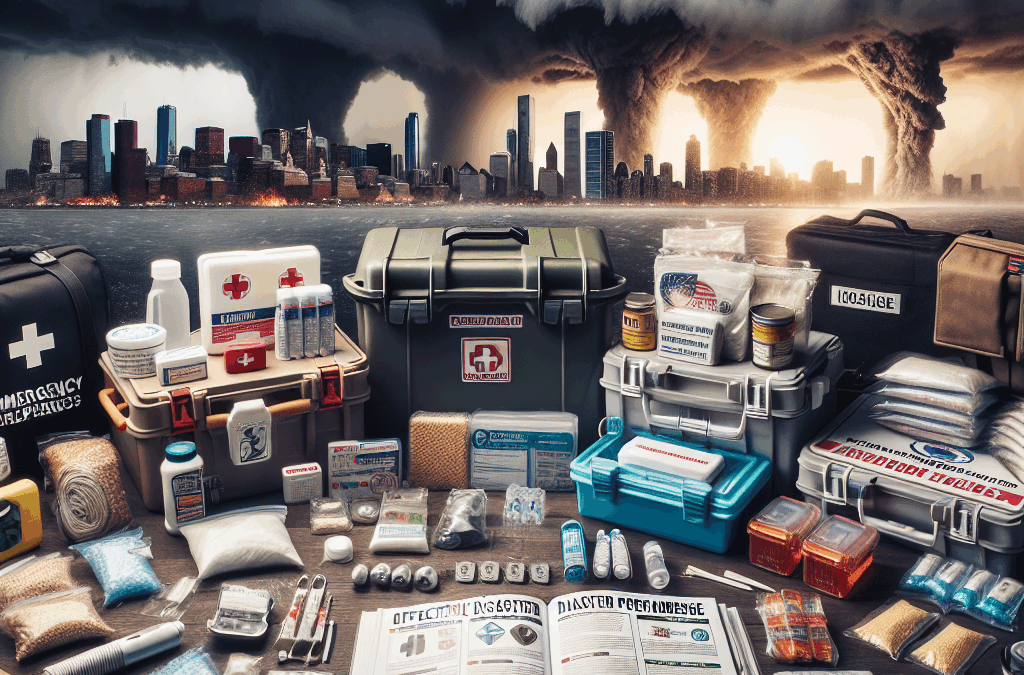
Creating an emergency kit is a core part of preparedness for natural disasters. An effective kit should contain essentials like water, non-perishable food, first aid supplies, batteries, flashlights, and necessary medications. In 2025, many families are augmenting their kits with additional items like portable chargers, multi-purpose tools, and hygiene products to handle prolonged disruptions.
Make sure your emergency supplies are accessible and stored in a designated location so your family can quickly grab the kit during an evacuation. Itâs recommended to review and update your supplies bi-annually to account for changing needs or expiration dates.
Practical advice includes labeling kits for different family membersâ needs and including important documents, such as copies of IDs and insurance papers, in waterproof containers. Investing in compact, lightweight gear ensures mobility if evacuation is necessary.
3. Creating a Family Communication Plan
Developing Clear Communication Strategies
Effective communication can make all the difference during a natural disaster. Developing a family communication plan ensures everyone knows how to reach each other, where to meet, and what to do if unplanned disruptions occur. In 2025, apps and online platforms facilitate quick information sharing, but traditional methods, like designated meeting points and written contact plans, remain essential.
Discuss and practice your plan regularly, especially with children and elderly family members. Use a shared document or a printed sheet kept in multiple locations to prevent loss of information.
Including out-of-area contacts in your plan can help coordinate efforts if local circumstances prevent communication. This layered approach ensures your preparedness for natural disasters is thorough and effective.
4. Structural Hazard Mitigation
Strengthening Building Foundations
One of the long-term strategies in preparedness for natural disasters is ensuring that your home and structures are built or retrofitted to withstand local hazards. For instance, in earthquake-prone areas, seismic reinforcements and flexible foundations are crucial. In 2025, building codes are increasingly emphasizing disaster-resilient construction techniques.
Retrofitting older buildings can significantly reduce potential damage and ensure safety for occupants. Simple improvements include installing hurricane shutters, reinforcing roofs, or adding sump pumps to prevent flood damage.
Consulting with structural engineers or contractors knowledgeable in disaster-resistant design can help identify vulnerabilities and implement cost-effective solutions. Proactive mitigation minimizes risks and accelerates recovery after a natural disaster.
Conclusion
In 2025, effective preparedness for natural disasters requires a comprehensive approach that combines technology, planning, community engagement, and resilience strategies. By implementing these 10 effective strategies â from early warning systems to mental health support â you can significantly increase your safety and ability to recover quickly. Staying proactive and informed ensures you’re ready for whatever natural events may come. Remember, preparedness for natural disasters is an ongoing process that empowers you and your loved ones to face future challenges confidently.
Frequently Asked Questions
1. Why is preparedness for natural disasters important in 2025?
As climate change accelerates, the frequency and intensity of natural disasters are increasing. Being prepared helps save lives, reduces property damage, and ensures quicker recovery. In 2025, advanced technology and improved planning make preparedness more accessible and effective than ever.
2. How often should I update my emergency kit?
You should review and update your emergency kit at least twice a year. Check expiration dates, replenish consumables, and adjust supplies based on changes in your family or new risks.
3. What are some common mistakes in preparedness for natural disasters?
Common mistakes include not creating a detailed family plan, failing to regularly maintain emergency supplies, neglecting to consider mental health, and ignoring local hazard assessments. Avoid these pitfalls to improve your overall readiness.
4. How can I improve community resilience in natural disasters?
Engaging with local organizations, participating in community drills, and sharing information with neighbors strengthen collective preparedness. Community resilience relies on proactive collaboration and resource sharing.
5. What are the top trends in preparedness for natural disasters in 2025?
Emerging trends include integrating AI and IoT technology for better early warning, smart home disaster mitigation devices, and increased focus on mental health support. Staying informed about these trends helps you adapt your preparedness strategies effectively.
by Preparation | Aug 24, 2025 | Preparedness
- 1. Mental Preparedness and Situation Awareness
- 2. Urban Navigation and Route Planning
- 3. Communication Techniques and Tech Skills
- 4. Urban First Aid and Medical Response
- 5. Finding and Building Shelter in the City
- 6. Urban Food Sourcing and Water Collection
- 7. Escaping and Securing Closed Spaces
- 8. Navigating Laws, People, and Social Dynamics
- 9. Using Technology and Hybrid Survival Strategies
- 10. Continuous Skill Development and Practice
1. Mental Preparedness and Situation Awareness
Understanding Urban Risks
Mastering urban survival skills begins with a solid foundation of mental preparedness. In 2025, urban environments face evolving threats such as natural disasters, civil unrest, and cyber emergencies. Being aware of your surroundings and understanding potential hazards enables you to react swiftly and effectively. For example, recognize the signs of social unrest or infrastructure failure early.
Developing situational awareness involves paying attention to your environmentâpeople, sounds, and activitiesâso you can anticipate potential dangers. This awareness helps you avoid panic and make smarter decisions during crises. Regular mindfulness exercises can sharpen this skill, allowing you to stay alert without becoming overwhelmed.
Building Psychological Resilience
Urban survival skills are not just physical but mental too. Stress management and resilience are crucial, especially when facing chaos or unpredictability. Cultivating a calm mindset helps you assess threats rationally and act decisively. Techniques like visualization and controlled breathing can keep panic at bay during emergencies.
Moreover, mental preparedness involves knowing your own limits and preparing for worst-case scenarios. Consistent mental drillsâlike imagining evacuation routes or medical responsesâcan boost confidence. Preparing psychologically ensures youâre ready for anything in 2025âs dynamic urban landscape.
2. Urban Navigation and Route Planning
Mastering Urban Map Skills
Effective urban survival skills require excellent navigation abilities. Familiarize yourself with city maps, both digital and paper-based. Know key landmarks, alternate routes, and safe zones. In 2025, with reliance on GPS technology, itâs vital to also have traditional navigation skills in case of tech failure. A good practice is to plan multiple routes from your home to work or other critical locations.
Implementing the “breadcrumb” methodâleaving markers or noting landmarksâcan help retrace your steps. Practicing route planning regularly ensures quick decision-making during an emergency, such as avoiding congested or dangerous areas.
Preparing for Disruptions
Threats like infrastructure breakdowns or cyber attacks can compromise your navigation tools. Always have an offline map app or printed maps ready. Consider designing a personal navigation plan that includes safe shelters, medical stations, and supply points. Staying adaptable is keyâbe ready to alter routes based on changing conditions.
In 2025, integrating AI-driven navigation apps with real-time hazard updates can be a game-changer. However, donât solely rely on technologyâcombine it with traditional skills for maximum safety.
3. Communication Techniques and Tech Skills
Staying Connected in Emergencies
Effective communication is a cornerstone of advanced urban survival skills. In a crisis, maintaining contact with loved ones and authorities can be life-saving. Learn to use multiple devicesâsmartphones, radios, and walkie-talkiesâand understand their ranges and limitations. Consider long-range communication methods for extended scenarios.
Establishing a communication plan with friends or family before an incident ensures everyone knows how to reconnect. Create coded messages for quick, discreet alerts. In 2025, leveraging encrypted messaging apps or satellite devices offers added security against surveillance or hacking.
Learning Signal and Non-verbal Communication
In crowded cities, noise and chaos can hinder verbal communication. Mastering non-verbal signals and signsâlike flashlight Morse code or gesturesâcan help in coordinating with others quietly. Practice clear, universal signals to indicate danger, help needed, or directions.
Building a rapport with neighbors or community groups also enhances collective survival skills. Strong local networks can provide mutual support, resources, and safety during urban emergencies.
4. Urban First Aid and Medical Response
Basic First Aid Skills
Knowing how to administer first aid is essential for urban survival skills. In 2025, urban incidents such as accidents, violence, or fires are common. Learning CPR, wound dressing, and fracture stabilization can make the difference between life and death. Keep a well-stocked first aid kit accessible at all times.
Attend certified first aid courses regularly to stay updated on the latest techniques. Practice scenarios help strengthen your reaction time and confidence in emergencies.
Dealing with City-Specific Medical Challenges
Urban environments pose unique health risks, including exposure to pollutants, communicable diseases, and contaminated water sources. Recognize symptoms of common issues like heatstroke, hypothermia, and infections. Know how to purify water or create makeshift sanitation solutions if municipal services are disrupted.
Building a network with local healthcare providers or rescue teams can also improve your medical response capabilities. Being prepared means not only knowing first aid but also understanding when and how to seek professional medical assistance.
5. Finding and Building Shelter in the City
Identifying Safe Shelter Locations
Urban survival skills include knowing where to find immediate shelterâabandoned buildings, subway stations, or community centers. Prioritize structurally sound sites that offer protection from elements and threats. In 2025, as city infrastructure ages, inspecting potential shelter spaces carefully is critical.
Scout ahead during normal times for hidden or protected areas that could serve as emergency shelters. Building familiarity with your environment boosts response speed when needed.
Improvised Shelter Construction
When traditional shelter isnât available, learn to construct makeshift refuges using available materialsâplastic sheeting, urban debris, or furniture. Techniques like layering and waterproofing increase safety and comfort. For example, creating a small attic hideout or utilizing urban infrastructure can provide temporary safety.
Ensure your shelter offers privacy, protection from weather, and low risk of detection. Practice building quick, safe shelters regularly to enhance your urban survival skills in high-pressure moments.
6. Urban Food Sourcing and Water Collection
Identifying Edible Urban Resources
Secure food and water in the city is vital. Learn to identify safe urban foraging optionsâurban farms, community gardens, and discarded food sources. Some plants and insects can be safely consumed, but always research local regulations and risks.
Over time, establishing contacts with urban farmers or community-supported agriculture (CSA) groups can provide reliable food sources. Stockpiling non-perishable essentials and knowing local produce locations is a good practice for 2025 survival.
Water Collection and Purification Techniques
Water is often overlooked but critical for survival. Urban water sources include rain gutters, manholes, or contaminated streams. Mastering purification methodsâboiling, filtration, chemical tabletsâcan reduce disease risks. In 2025, consider portable filtration devices that are compatible with city water sources.
Incorporating rainwater harvesting or unconventional collection methods ensures a sustainable supply. Safe water management greatly enhances your urban survival skills and resilience.
7. Escaping and Securing Closed Spaces
Strategies for Safe Exits
In emergencies like fires or lockdowns, knowing how to escape from closed spaces is critical. Practice multiple exit strategies for buildings, vehicles, or confined areas. Identify secondary routes and know how to open windows or doors quickly.
For urban survival skills, drills should include scenarios focusing on stealth and speed, minimizing panic and confusion during evacuation.
Securing Your Location
Once inside, securing your space involves locking doors, reinforcing windows, and creating barriers. Use furniture or available materials to fortify entry points. For added security, set up alarms or signals to alert you of intruders.
Maintaining situational awareness even when inside offers peace of mind and better control over your environment during ongoing threats.
8. Navigating Laws, People, and Social Dynamics
Understanding Local Laws and Regulations
Urban survival skills extend into understanding your cityâs laws, especially in crisis situations. Knowing what you can or cannot do avoids legal complications while maintaining safety. For example, some cities have strict looting laws or curfews during emergencies.
Stay informed through official channels and community groups about legal updates and safety advisories. Respecting legal boundaries enhances your chances of survival without unnecessary conflicts.
Building Trust and Alliances
Social dynamics play a significant role in urban survival. Building trust within your community can lead to mutual aid, resource sharing, and protection. Establishing rapport with neighbors or local groups creates a support network.
Practice effective communication, fairness, and leadership to foster cooperation. In 2025, community resilience is increasingly recognized as a key component of urban survival skills.
9. Using Technology and Hybrid Survival Strategies
Leveraging Digital Tools
In 2025, technologyâs role in urban survival is more prominent than ever. Apps for emergency alerts, GPS tracking, and offline maps are invaluable resources. Also, battery backups and solar chargers ensure your devices stay powered when city supplies are disrupted.
Additionally, using drones or surveillance devices can assist in reconnaissance and assessing hazards remotely. Hybrid strategiesâcombining high-tech and traditional skillsâmaximize your survival potential.
Practical Off-grid and Low-tech Alternatives
Technology isnât always reliable, so have low-tech alternatives ready. Paper maps, compasses, and physical emergency kits form the backbone of resilient urban survival skills. Practice troubleshooting tech failures and fallback plans.
Adapting to both digital and manual methods allows you to respond dynamically to city crises in 2025.
10. Continuous Skill Development and Practice
Regular Drills and Simulations
Learning urban survival skills is an ongoing process. Regular drillsâevacuations, medical responses, and resource managementâhelp solidify skills under pressure. Incorporate realistic scenarios to keep your training engaging and effective.
Join community preparedness groups or workshops that simulate urban emergencies. Practice enhances your confidence and preparedness for unpredictable situations in 2025.
Staying Updated and Adapting
The urban landscape continually evolves, with new threats and technologies emerging. Keep yourself informed through credible sourcesâgovernment agencies, survival experts, and urban planners. Adapt your skills accordingly to stay ahead.
Invest in learning new techniques, updating equipment, and reassessing your plans annually. Being proactive ensures your urban survival skills remain relevant and effective in 2025 and beyond.
Frequently Asked Questions
1. What are the most important urban survival skills to learn in 2025?
Key skills include mental preparedness, urban navigation, first aid, shelter building, and tech usage. Combining these with social awareness enhances your overall readiness.
2. How can I improve my urban survival skills today?
Start by attending preparedness courses, practicing drills, and building a reliable kit. Regular practice and staying updated on urban hazards are essential.
3. Why is continuous practice vital for urban survival skills?
Frequent drills ensure skills become second nature, reducing panic during actual emergencies. The urban environment constantly changes, so ongoing training is necessary.
4. How does technology aid urban survival in 2025?
Technology provides real-time information, communication, and navigation tools. However, combining high-tech with manual skills creates a more resilient approach.
5. Where can I learn more about urban survival skills?
Look for local community workshops, online courses, and credible survival organizations. Internal links to resources () can further enhance your preparation.
Conclusion
Mastering these 10 effective urban survival skills is essential for thriving in the unpredictable urban landscape of 2025. From mental resilience to technical prowess, each skill contributes to your overall preparedness. Remember, the key to effective urban survival in 2025 lies in continuous learning, adaptability, and practical application of these skills. By investing in your readiness now, you ensure safety and confidence in any city crisis that may arise.




