
by Preparation | Aug 24, 2025 | Preparedness
Table of Contents
- Introduction to Pandemic Preparedness in 2025
1. Understanding the Current Landscape of Global Pandemics in 2025
The Evolution of Global Health Threats
In 2025, understanding the landscape of pandemics is crucial for effective preparedness. Over the past decade, we’ve seen a surge in emerging infectious diseases, from SARS-CoV-3 to new strains of influenza. Recognizing these threats enables individuals and organizations to stay ahead of potential crises.
Data shows that rapid urbanization and international travel contribute significantly to the spread of diseases. In 2025, health agencies focus on predictive modeling to anticipate outbreak hotspots. Staying informed about these trends enhances your ability to plan and respond proactively.
Global Responses and Success Stories
Many countries have adopted integrated health strategies to contain outbreaks early. For instance, South Korea’s swift testing and contact tracing in 2025 have been exemplary. Such success stories highlight the importance of well-coordinated public health responses, which are central to preparedness for pandemics.
Implementing lessons learned from recent emergencies, communities now emphasize resilience and cooperation. As an individual, understanding these efforts helps you participate in localized preparedness initiatives and support public health measures.
2. Developing a Personal Pandemic Preparedness Plan
Assessing Your Personal Risk Level
Start by evaluating your health status, age, and occupation to determine your risk of severe illness. People with underlying health conditions or frontline workers should prioritize specific strategies. Knowing your risk helps tailor your preparedness effectively.
Tracking your potential exposure sources, such as frequent travel or large gatherings, allows you to adapt your plans accordingly. Consider your household’s needs and vulnerabilities for a comprehensive approach.
Creating Actionable Response Steps
Outline clear steps, including when to seek medical care, how to isolate if symptomatic, and whom to contact. Keep digital and physical copies of your plan accessible. Regularly review and update it to reflect changing circumstances and new information.
Practice drills periodically with family or roommates to ensure everyone understands their roles. An action plan enhances confidence and reduces panic during an actual health emergency.
3. Stockpiling Essential Supplies for 2025
Food and Water Resources
Stockpiling non-perishable food items and water supplies is foundational to pandemic preparedness. Aim to gather at least a two-week supply, considering potential disruptions in supply chains. Items like canned foods, dried grains, and bottled water are practical choices.
In 2025, innovations in packaging aim to extend shelf life and reduce waste, making stockpiling more efficient. Store supplies in a cool, dry, and accessible location for emergencies.
Protective Equipment and Medical Supplies
Ensure you have adequate masks, gloves, disinfectants, and basic medical supplies like thermometers and first-aid kits. Consider the increased importance of PPE following recent pandemic experiences. Maintain a rotation system to keep supplies current and usable.
Many organizations now offer bulk purchasing options to facilitate stockpiling at home. Properly storing these supplies ensures readiness without waste or spoilage.
4. Enhancing Home and Community Hygiene Practices
Implementing Routine Cleaning Protocols
Regular cleaning of high-touch surfaces reduces the risk of contagion. Use EPA-approved disinfectants and establish daily cleaning routines for doorknobs, light switches, and electronic devices.
In 2025, new cleaning technologies such as UV sterilizers are gaining popularity. Adopting these methods can further enhance sanitation efforts at home and in community spaces.
Promoting Hand Hygiene and Respiratory Etiquette
Consistent handwashing with soap and water remains a key preventative measure. Teach family members proper techniques and encourage their frequent use, especially before eating or touching faces.
Covering coughs and sneezes and wearing masks in crowded areas significantly reduce transmission. These habits, established in 2025, contribute to a healthier community overall.
5. Leveraging Technology for Pandemic Detection and Monitoring
Using Apps and Digital Tools
Many apps now provide real-time updates on outbreaks, vaccination clinics, and health guidelines. Download and utilize trusted sources from health authorities to stay informed.
Some platforms leverage AI to predict potential hotspots, allowing you to adjust travel plans or activities accordingly. Technology is instrumental in proactive preparedness for pandemics in 2025.
Remote Healthcare and Telemedicine
Telemedicine services have expanded significantly, offering remote consultations to minimize exposure. Investing in reliable internet and devices ensures you can access healthcare when needed.
Emergencies can be managed effectively with the proper use of digital health tools, reducing the strain on hospitals and clinics during outbreaks.
25. Establishing Effective Communication Channels During a Pandemic
Ensuring Accurate Information Dissemination
Clear and truthful communication is vital during a health crisis. Governments, health organizations, and local communities should use multiple platforms like social media, SMS alerts, and traditional media to reach diverse populations.
In 2025, misinformation remains a threat, making it crucial to rely on verified sources. Educating your circle about checking facts prevents the spread of false information and panic.
Building Trust and Community Resilience
Open dialogue fosters trust between public health officials and communities. This trust encourages compliance with recommended guidelines and vaccination drives.
Participate in local forums or neighborhood groups to stay updated and support collective efforts toward pandemic preparedness.
Conclusion
As we navigate 2025, the importance of comprehensive preparedness for pandemics cannot be overstated. From understanding the latest trends to stockpiling supplies and leveraging technology, each of these 10 strategies contributes to resilience. Remember, effective preparedness for pandemics empowers you and your community to face health emergencies confidently and calmly.
Stay informed, stay safe, and review your preparedness plan regularly to adapt to evolving circumstances. In 2025, being proactive is your best defense against the unpredictable world of pandemics.
Frequently Asked Questions
1. Why is preparedness for pandemics important in 2025?
With the increasing frequency of infectious outbreaks, being prepared helps reduce health risks, minimize disruptions, and protect loved ones. 2025’s advanced response strategies make preparedness even more effective.
2. How can I create an effective pandemic preparedness plan?
Assess your risks, outline response steps, stockpile essentials, and practice your plan regularly. Staying informed about current health guidelines is key to tailoring your preparedness for pandemics.
3. What supplies are most critical to stockpile in 2025?
Basic medical supplies, PPE, non-perishable food, water, and hygiene products are essential. Consider updates like new disinfectants or tech-enabled health tools available in 2025.
4. How does technology support preparedness for pandemics?
Technology helps monitor outbreaks, provides telehealth options, and disseminates real-time information. Using apps and digital platforms enhances your ability to respond swiftly and effectively.
5. What role does community communication play in pandemic preparedness?
Effective communication builds trust, dispels misinformation, and encourages adherence to health guidelines. Open, transparent channels are crucial in managing health crises successfully.
by Preparation | Aug 24, 2025 | Preparedness
In a world where natural disasters seem to be on the rise, being prepared is no longer just an option; it’s a necessity. From hurricanes and earthquakes to wildfires and floods, understanding the types of disasters that could impact your area is the first step in creating a robust disaster preparedness plan.
*Understanding the Types of Disasters: Know Your Risks**
Every region has its unique set of risks. If you live near coastal areas, hurricanes might be your primary concern. Conversely, those in tectonically active zones may face earthquakes. Familiarize yourself with local hazards by consulting government resources or community groups focused on disaster preparedness. Knowing what you’re up against allows you to tailor your planning effectively.
*Creating a Comprehensive Emergency Plan**
Once you’ve identified potential threats, it’s time to create an emergency plan. Involve every member of your household in this process so that everyone knows their roles during a crisis. Outline evacuation routes, establish communication methods (like designated meeting points), and include important contact information for family members as well as local emergency services. Regularly review and rehearse this plan; practice makes perfect when adrenaline is high.
*Building a Survival Kit: Essential Items to Include**
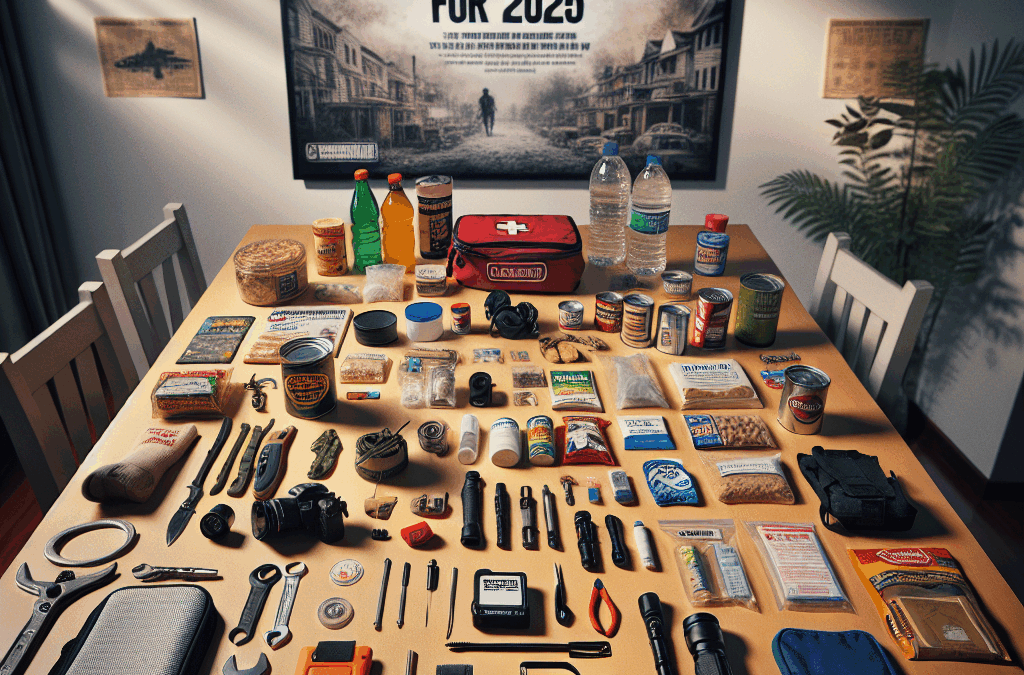
An essential part of disaster readiness is assembling a survival kit packed with vital supplies. Start with basics such as water (at least one gallon per person per day for three days), non-perishable food items, and manual can openers. Don’t forget personal hygiene products, flashlights with extra batteries, and first aid supplies! A multi-tool can also prove invaluable in various scenarios. Importantly, consider including documents like insurance papers stored in waterproof containers—these can be lifesavers after a disaster strikes.
*Staying Informed: The Importance of Communication**
Communication channels are crucial during emergencies. Stay updated through reliable sources like weather apps or local news outlets that provide timely alerts about impending disasters or necessary evacuations. Consider investing in battery-operated radios that can receive broadcasts even when power goes out. Establishing group chats with neighbors or family members ensures everyone stays connected during critical moments.
*Preparing Your Home: Safety Measures and Precautions**
Your home should serve as a fortress during emergencies rather than become another hazard zone. Assess your property for vulnerabilities like overhanging branches or weak roofing materials that might pose risks during storms or earthquakes. Reinforce doors and windows if necessary and think about installing smoke detectors and carbon monoxide alarms for added safety assurance.
Additionally, creating defensible space around your property can prevent wildfires from spreading near your home—clear away debris and maintain landscaping regularly.
*Community Involvement: Preparing Together for Resilience**
When it comes to disaster preparedness, community involvement cannot be overstated! Join local organizations focused on emergency readiness or volunteer for neighborhood watch programs that enhance collective resilience against disasters. Building strong relationships within your community fosters support networks crucial during emergencies—after all, teamwork often leads to better outcomes when facing adversity.
In conclusion, while we can’t predict every storm life throws our way, we can certainly prepare ourselves to weather them better! By understanding risks specific to our area, crafting thorough plans, assembling survival kits filled with essential items, staying informed through effective communication strategies, securing homes against potential threats—and most importantly—fostering community engagement—we stand stronger together ready to face whatever nature may unleash upon us!

by Preparation | Aug 24, 2025 | Preparedness
- Preparing Emergency Supplies
- Securing Your Home
- Creating an Emergency Plan
- Educating Yourself and Family
- Staying Informed During an Earthquake
- Mental and Physical Preparedness
- Recovering and Rebuilding Post-Earthquake
1. Preparing Emergency Supplies
Assembling a Comprehensive Emergency Kit
One of the most vital components of preparedness for earthquakes is having an emergency supplies kit ready to go. In 2025, experts recommend assembling a kit that can sustain your family for at least 72 hours. Items should include water, non-perishable food, first aid supplies, medications, and sanitation products. Remember, during an earthquake, access to stores may be limited or cut off entirely, so stockpiling ensures your safety and comfort.
When selecting supplies, opt for lightweight, durable containers and consider special needs such as pet food or baby supplies. To stay ahead of future emergencies, review and update your kit annually, replacing expired medications and perishable items. This preparation not only enhances your readiness for earthquakes but also prepares you for other emergencies.
For practical tips, store your emergency supplies in an accessible yet secure location. Consider using backpack-style containers for easy portability, especially if evacuation becomes necessary. Well-prepared supplies are fundamental for effective preparedness for earthquakes and can significantly reduce stress during an actual event.
2. Securing Your Home
Fastening Heavy Furniture and Items
Unsafe furniture and unsecured objects are common hazards during earthquakes. In 2025, it’s crucial to secure heavy furniture such as bookshelves, cabinets, and appliances to walls. Using brackets, straps, or latches can prevent these items from toppling and causing injury. An easy way to minimize injury risk is to secure items to prevent them from falling during tremors.
Big or small, all items that can be knocked over should be anchored. For instance, securing picture frames with museum putty and tightening loose fixtures can make a significant difference. Keep in mind, over 50% of earthquake-related injuries are caused by falling objects, so securing your home remains a top priority in preparedness for earthquakes.
Additionally, consider installing latches on cabinets to prevent contents from spilling out. Many home improvement stores now offer easy-to-install safety kits specifically designed for earthquake preparedness. By taking these steps, you create a safer living environment and reduce risk during seismic events.
3. Creating an Emergency Plan
Developing a Family Communication Strategy
Having a well-thought-out emergency plan is essential for effective preparedness for earthquakes. In 2025, I recommend establishing a family communication plan that includes designated meeting points and emergency contacts outside your local area. During an earthquake, cell phone networks can become overwhelmed, so having a plan ensures everyone knows what to do and where to go.
Practice your plan regularly with family members to ensure everyone understands their roles. Assign responsibilities, such as who will evacuate pets or gather emergency supplies. Clear communication reduces panic and confusion, making your response more effective during real seismic events.
It’s also wise to identify safe spots in each roomâsuch as under sturdy furniture or against interior wallsâand teach your family how to “Drop, Cover, and Hold On” during the shaking. This routine preparation can save lives and minimize injuries, reinforcing the importance of preparedness for earthquakes in 2025.
4. Educating Yourself and Family
Understanding Earthquake Risks and Safety Measures
Knowledge is power, especially when it comes to preparedness for earthquakes. In 2025, I encourage everyone to learn about local earthquake risks and safety practices. Attending community workshops or online courses can provide valuable insights, helping you understand how to react during shaking and aftershocks.
Educating children and adults alike ensures everyone knows the basic safety measures, such as “Drop, Cover, and Hold On.” Plus, understanding the science behind earthquakes can help dispel myths and reduce unnecessary panic. For example, knowing that most injuries happen during falling or flying objects helps you stay cautious and vigilant.
Additionally, stay updated with local authorities’ alerts and advisories. This knowledge ensures you’re prepared for the specific challenges your area might face in 2025 and beyond, making your preparedness for earthquakes more effective and informed.
Using Technology and Alerts Effectively
Real-time information can be lifesaving during an earthquake. In 2025, leveraging modern technologyâincluding emergency alert apps, radio, and social mediaâis crucial for staying informed. Many regions now use advanced warning systems that can give us seconds to prepare before the shaking starts.
Install trusted alert apps that instantly notify you of imminent seismic activity and other hazards. Keep a battery-powered radio accessible, as power outages are common during and after earthquakes. Social media channels often provide rapid updates from official sources, helping you make informed decisions quickly.
Furthermore, familiarize yourself with your community’s emergency notification procedures. During a seismic event, clear communication reduces confusion and enhances safety. Staying informed not only helps you protect yourself but also enables you to assist neighbors or visitors when needed, reinforcing a community-oriented approach to preparedness for earthquakes.
6. Mental and Physical Preparedness
Building Resilience and Physical Strength
Preparedness for earthquakes isn’t just about supplies and safety measures; mental resilience plays a critical role. In 2025, developing mental toughness can help you stay calm and focused during tremors. Regular stress management practices like mindfulness and controlled breathing exercises prepare your mind for emergencies.
Physical preparedness involves maintaining good health, strength, and flexibility. Regular exercise can improve your ability to evacuate quickly and reduce injury risk. Consider including strength and agility routines in your weekly activities to build stamina for emergency scenarios.
Practicing mental and physical readiness creates a comprehensive approach that enhances your ability to respond effectively during an earthquake. Remember, the more prepared your mind and body are, the better you’ll cope with the unpredictable nature of seismic events and their aftermath in 2025 and beyond.
7. Recovering and Rebuilding Post-Earthquake
Planning for Recovery and Community Support
Preparation for earthquakes extends beyond immediate safety; it involves planning for recovery and rebuilding efforts. In 2025, creating a response plan for post-earthquake scenarios helps you access resources, financial aid, and community support structures swiftly.
Establishing connections with local agencies and understanding insurance coverage can streamline recovery efforts. Also, participating in community resilience initiatives fosters stronger neighborhoods capable of bouncing back after seismic events.
Psychological resilience is equally important. After an earthquake, many face trauma and stress. Knowing where to seek mental health support and practicing community solidarity can ease the rebuilding process. A well-rounded approach to preparedness for earthquakes ensures not only survival but also swift recovery and renewal.
Conclusion
Preparedness for earthquakes is a comprehensive process that involves planning, securing your environment, educating your family, and staying informed. With seismic activity remaining a concern in 2025, adopting these seven effective tips can significantly reduce risks and enhance safety. Remember, being prepared is your best defense against the unpredictable nature of earthquakes. By taking proactive steps now, you ensure that you and your loved ones are ready for whatever seismic challenges the future may hold in 2025 and beyond.
FAQs
Q1. Why is preparedness for earthquakes important?
Preparedness for earthquakes is vital because it helps minimize injuries, saves lives, and reduces property damage during seismic events. Being prepared allows you to respond swiftly and calmly, significantly increasing your safety.
Q2. How often should I review my earthquake preparedness plan?
Itâs recommended to review and update your plan at least once a year. In 2025, it’s especially important to check your emergency supplies, secure loose items, and stay updated with local alerts and risk assessments.
Q3. What are the key components of an emergency supplies kit for earthquakes?
Essential items include water, non-perishable food, first aid supplies, medications, sanitation items, flashlights, batteries, personal documents, and clothing. Tailor the kit to your familyâs specific needs.
Q4. How can I make my home more earthquake-resistant in 2025?
Secure heavy furniture, install latches on cabinets, reinforce walls and foundations, and develop a safe spot in each room. These steps reduce hazards and protect your loved ones during seismic activity.




