by Preparation | Jul 31, 2025 | Preparedness
Assessing Your Environment
Looking for Resources
When the situation gets tough, the first thing I do is take a real good look around me. Finding resources in your environment is key to building a solid shelter. I’d recommend checking out the area for any fallen branches, leaves, or even rocks that can help support your structure.
Don’t just scan the surface; dig a little deeper. Look under bushes or trees to see if you can find more usable items. Sometimes, it’s the stuff you wouldn’t normally consider that ends up being gold when you’re building an emergency shelter.
Get creative! If you’re stuck in a more urban environment, materials like cardboard and plastic sheeting could be a lifesaver. Try to think outside the box and use what you’ve got at hand.
Evaluating Shelter Locations
Now that we’ve scoured the environment for materials, let’s find the best spot for our shelter. Honestly, I learned the hard way that not every spot is created equal. Look for level ground—nobody wants to be sleeping on a slope, trust me!
Avoid areas near water sources to keep yourself safe from flooding. Instead, look for natural barriers like hills and rocks which can protect from the wind. This gives you a better chance of staying cozy, especially during colder nights.
Also, consider sunlight exposure. You don’t want to bake in the day nor freeze at night, so finding a balance is crucial. A shaded area is great during the day, but make sure it’s not too far from sunlight come morning!
Safety First
The last major factor when assessing your environment is safety. Always assess any potential hazards; is there a risk of falling branches or wild animals? I like to take a step back and really pay attention to the surroundings.
Make sure your chosen site is away from any unstable grounds, steep cliffs, or flood zones. Keep an eye and ear out for critters too. Sometimes, just a bit of awareness can save you from a wild encounter.
If you’re in an urban area, you’ll want to choose a less trafficked space where your presence won’t attract unwanted attention. Safety in solitude is key here!
Creating Your Shelter Frame
Choosing the Right Materials
The frame is the backbone of your shelter, and honestly, it’s the part that needs the most thought. When I build, I usually look for sturdy branches that can hold up the weight and provide stability. Think of things like fallen trees or strong boughs that can form the structure.
Use thinner branches for cross beams and thicker ones for the main supports. This combination helps ensure that your shelter stands firm against anything the elements might throw at it.
And hey, don’t hesitate to use what you have on hand! If you’re feeling really inventive, even duct tape or rope can come in handy for securing parts together, so keep that in mind if you’re lucky enough to have those tools at your disposal.
Building the Frame
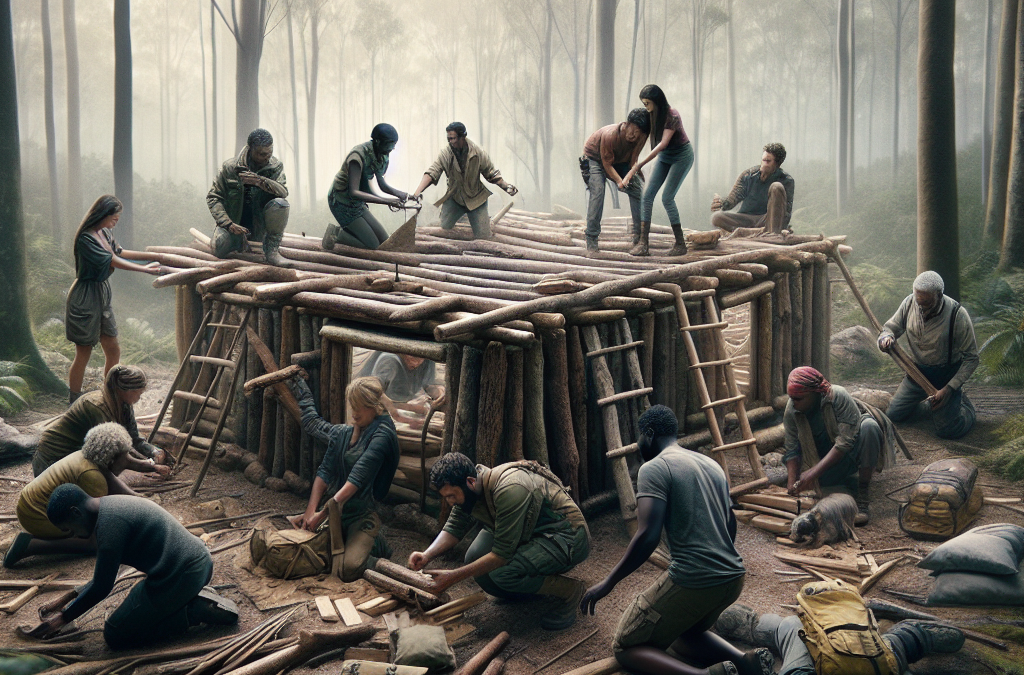
Once you’ve gathered your materials, it’s time to get that frame up! I prefer making a simple lean-to for quick setups. Lean one of your sturdy branches against a tree or a wall if you’re in an urban area; this saves a lot of hassle.
Next, make sure that your frame is stable. You can do this by wedging smaller branches at the base to give it extra support. It’s all about making sure whatever you build can withstand a bit of wind or rain.
For more elaborate shelters, you could form an A-frame using two larger sticks for the sides and cross beams to connect. Just remember: the simpler your design, the easier it’ll be to build with minimal tools.
Securing the Structure
Securing your structure is vital for its longevity. I like to use branches tied at critical junctions for extra strength. If you don’t have rope, some tightly woven vines or even long grass can help secure everything together.
Check your frame’s stability by giving it a bit of a shake. If it feels flimsy, it probably is. You might need to reinforce your points with extra twigs or stones until you’re comfortable.
The goal is to have a solid shelter that can withstand varying weather situations. Don’t skimp on this part—it’s way better to put in the effort now than to deal with a collapsing shelter later!
Building the Roof
Choosing the Right Type of Roof
The roof is your first defense against rain and snow, so picking the right materials is super important. I often use larger leaves, grasses, or even bark to create a makeshift roof that shelters me from the elements.
If you’ve got access to branches or a tarp, those can work wonders, too. Just remember, the goal here is to create a tight, water-resistant surface to keep you dry.
Don’t be afraid to layer your roofing materials. It’s similar to putting a heavy jacket on to stay warm. The more layers you have, the better protection you will get. Just make sure they’re well secured on top!
How to Install the Roof
When I lay out my roof, I always start from the top of the frame and work my way down. This helps ensure that rainwater rolls off instead of pooling on top. Use any spare branches to piece it all together and hold everything in place.
Consider the wind direction too! I once made the mistake of building my roof against the wind. Let’s just say it didn’t hold up well. Make sure your roof is slanted away from where the wind hits the most.
Once your roof structure is up, give it a good shake to see how secure everything feels. Add more materials if it doesn’t feel stable. You want to feel confident as you slip inside your new shelter.
Creating Insulation
Now that your roof is up, let’s talk insulation. Insulating your shelter is crucial for maintaining warmth, especially if you’re stuck out in colder conditions. I like to stuff leaves, moss, or any other natural materials I can find into the roof structure.
Pro Tip: The more stuff you pack in, the better! Start filling in gaps and spaces you find; you’ll be surprised how a little insulation can make a massive difference in comfort.
You can also add some insulation to your walls. If you have any extra foliage around, try to keep that breeze from creeping in by layering it around the edges. Every little bit helps when Mother Nature can be so unpredictable.
Final Touches
Making it Comfortable
Now it’s time to think about comfort! Building a shelter isn’t just about keeping dry; it’s also about making your temporary home feel cozy. I’ll often scavenge around for leaves to create a soft bedding layer—now, that beats lying on the ground any day!
Bring in some extra foliage to help you stay off the ground. Lying on a bed of leaves can help insulate your body from the cold earth, which is a game-changer on chilly nights.
And hey, don’t forget about personal touches! If you’ve got any trinkets or little comforts that can fit in there, throw them in. It’s your space, after all. Make it feel like home!
Setting Up a Fire
If it’s safe to do so, setting up a small fire nearby can really improve your shelter experience. A bit of warmth goes a long way in keeping spirits high, especially when times are tough. Just make sure it’s at a safe distance from your shelter. You don’t want any unnecessary fires going on!
I usually keep some stones around to act as a fire pit and to help shield the fire from the wind. Plus, it helps contain the flames and keep everything safe. Always keep water nearby just in case!
Believe me, a small fire is incredible for cooking or just warming up your cold hands after a long day of building—it’s a literal lifesaver.
Creating an Exit Strategy
Finally, always have an exit plan. This is something I stress every time I build a shelter. If you ever find yourself in an emergency, knowing how to get out quickly can be the difference between a rough night and a safe retreat.
Make sure your shelter entry or exit point is clear and easy to access. I often position my entry away from the prevailing winds and against any threats from wild animals.
Check your surroundings again to ensure your escape routes are safe. Whenever you’re unsure, plan a quick exit strategy that you can remember easily, as it gives you peace of mind.
FAQs
What materials are best for building an emergency shelter?
Look for branches, leaves, rocks, and anything that can provide structure and insulation. Even cardboard works in urban settings!
How long does it take to build a basic shelter?
Depending on your skills and conditions, a basic shelter can take anywhere from a few minutes to a couple of hours. Stay focused!
Is it safe to build a shelter in urban areas?
Yes, just make sure to avoid high-traffic areas and be aware of your surroundings to stay safe and undisturbed.
How can I insulate my shelter effectively?
Pile up leaves, moss, and any natural materials to fill gaps in your shelter. The more layers, the better insulation you’ll have!
What should I do if my shelter collapses?
Stay calm and build a new one if possible. Look for a safer location and gather materials to-construct a sturdier shelter!

by Preparation | Jul 31, 2025 | Preparedness
Preparation is Key
Create an Emergency Kit
Preparing for a flood can feel overwhelming, but having an emergency kit ready to go makes things simpler. I always keep a backpack handy that’s filled with essentials like water, non-perishable food, a flashlight, and extra batteries. Having these basic supplies can really ease your mind when the skies darken and threats of flooding arise.
Don’t forget personal items like medications, important documents, and even a first-aid kit. You’ll want to be able to grab this kit and go at a moment’s notice. I recommend including cash and some comfortable shoes as well—trust me, being on your feet and moving quickly is essential during a flood emergency.
Finally, make sure to check your emergency kit periodically. Items can expire or get damaged, so it’s best to refresh your supplies every few months. This way, you know you’re truly prepared when an actual situation arises.
Know Your Area
Understanding the flood risks in your area is so crucial. I grew up in a region prone to flash floods, so I always pay attention to local news and weather alerts. Knowing your flood zone can empower you to make smarter decisions when warnings are issued.
Take the time to familiarize yourself with the flood maps provided by local authorities. They can indicate not just whether you live in a floodplain, but also what the elevation levels are. This information can be a lifesaver when trying to decide if you should evacuate. Trust me; knowledge is power during a crisis!
Also, it helps to connect with others in your community. Local groups often share tips and experiences that can keep everyone informed about what’s effective in handling flood situations. Community preparedness has helped me feel more secure when dealing with emergencies.
Establish an Evacuation Plan
One of the best things I’ve learned over the years is having an evacuation plan. If you’re in a flood-prone area, you need to figure out where to go if things go sideways. Don’t leave it to chance; map out routes and establish your safe zones ahead of time!
When you create your plan, make sure everyone in your household knows it well. I always sit down with my family and discuss what we’ll do in case of flooding. It really helps everyone feel on the same page and cuts down on chaos when alerts come streaming in.
Make sure to practice your evacuation routes as well. Driving those paths during calmer times will prepare you for the real deal. Knowing which roads are prone to flooding can save you time and frustration during any emergency.
Stay Informed
Use Smartphone Alerts
Let’s be real: our smartphones are lifelines in emergencies. I’ve made huge use of weather apps that provide real-time alerts for severe weather. When storms are heading our way, knowing what’s coming gives me that extra layer of security.
Select settings that notify you about flood warnings or watches, and you’ll feel a lot more in control. It’s also smart to stay connected to local news channels through social media, as they often share updates rapidly compared to regular broadcasts.
And, of course, don’t forget classic flashlights or batteries for a radio. Technology can fail, but having a backup helps ensure that you won’t be left in the dark—physically or metaphorically—when an emergency strikes.
Stay Active on Community Alerts
I always keep an ear to the ground regarding community alerts. Joining local groups on platforms like Facebook or Nextdoor can keep you in the loop about what’s happening in your area. It’s a helpful way to share resources and experiences.
Community engagement doubles as a great support system. A friend of mine once alerted me to a local flood watch that I had missed—just one quick message kept me ahead of the storm. Look out for neighborhood groups where you can share and receive vital information!
Don’t underestimate the power of your neighbors. When you all work together, you create a stronger community that helps protect each other from flooding risks. Plus, it helps build those connections for that “we’re all in this together” village vibe!
Follow Local Guidelines
Every once in a while, you’ll hear programs or emergency plans popping up in your city, and it’s vital to listen to these guidelines. Each locality has unique protocols in place when floods hit—some might suggest temporary evacuations, while others provide shelter options.
Keep an eye on the advice from local authorities. They know the bad spots and what works best for your neighbors during an emergency. Sometimes, it means moving to higher ground or seeking out particular shelters established just for flood events.
Stay informed about what’s being recommended, and don’t hesitate to follow these guidelines. Opinions of neighbors are great, but nothing beats official advice when it comes to your personal safety.
Safety First During a Flood
Evacuate if Necessary
When a flood warning is issued, take it seriously. I learned early on that when they say “evacuate,” they mean it. There were times I hesitated and it just wasn’t worth the risk. The moment you hear that warning, start moving.
As you gather your belongings, remember: don’t be a hero. Just because you think you can ride it out doesn’t mean it’s safe. I once tried to stick around when the water levels began to rise, and let me tell you, that was a stressful decision that nearly cost me time—don’t do it!
Grab your emergency kit, important documents, and any pets, and go to your predetermined evacuation site. Safety should always be the priority, and knowing when to leave is half the battle.
Avoid Floodwaters
If you find yourself in the thick of it, avoiding floodwaters is non-negotiable. Floodwaters can be unpredictable, carrying debris and pollutants that pose serious risks. I can’t express enough how important it is to stay clear.
Always seek higher ground! In the rare event that you get stuck, keep calm and wait for help to come. I’ve seen folks panic, and frankly, it makes things worse. Stay put and find a safe place until it’s possible to get back to safety.
It’s also good to tell someone your plans, if you can. If you’re stuck for too long, you want someone to come looking for you. Safety is a two-way street, so make sure your loved ones know where you’re at!
Protect Your Property
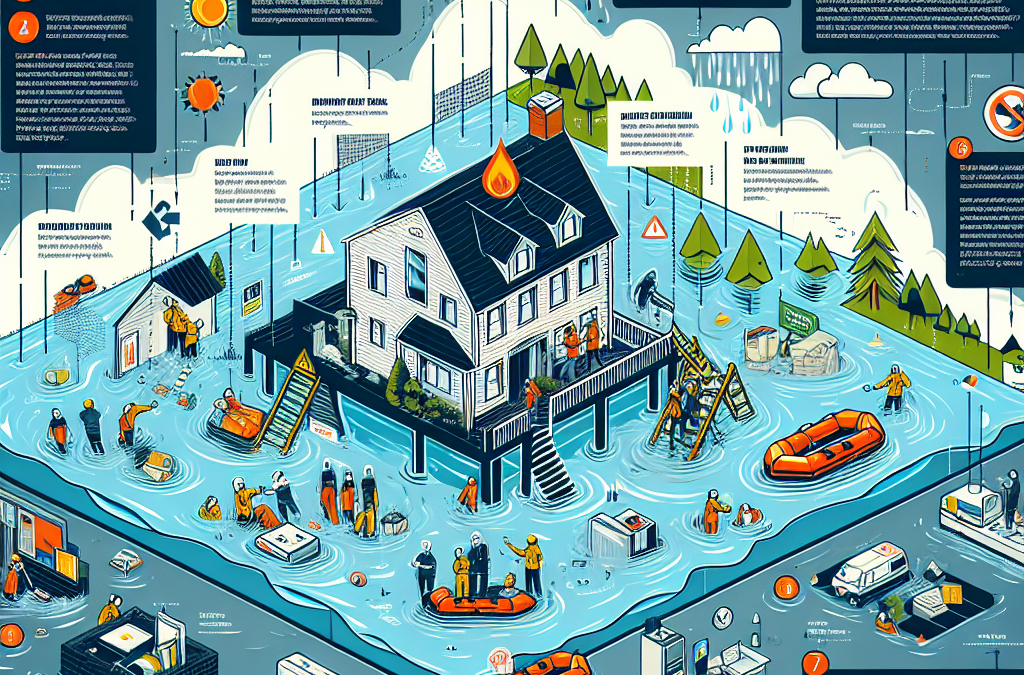
When floods are looming, securing your home is important. I always advise moving valuables to higher ground, plus shutting off electricity and gas to avoid hazards. You won’t want anything silly blowing up while you’re worrying about safety.
If you have time, put sandbags around doors and basement windows to help keep water out. There are tricks to using tarp and plastic sheeting that can provide additional layers of protection. I had a DIY project craft day for prepping just this way before a storm, and it made all the difference!
Remember that protecting your property is helpful, but your life comes first. Focus on your safety first, and deal with damages later. Everything can be repaired, but lives can’t be replaced.
Post-Flood Recovery
Stay Safe During Cleanup
The cleanup after a flood can be tough. I’m not gonna lie; I’ve found myself overwhelmed by the mess left behind. First, make sure you’re safe before diving in. The last thing you want is to get hurt trying to clean up.
Wear protective gear, especially gloves and masks, because floodwaters can carry bacteria and harmful contaminants. Trust me, it’s not worth exposing yourself to unnecessary risks; you need to stay as healthy as possible!
Take your time with the cleanup. Rushing can lead to mistakes and injuries. I pace myself and do little bits at a time while keeping hydrated and taking breaks. It’s a sprint, not a race!
Document Damages
This one can be boring, but trust me—documenting damages is crucial. I’ve helped friends through the claims process, and having those records can speed things up with your insurance company. Take photos or videos of the damages and keep track of everything impacted.
Many folks overlook the little stuff, but it all adds up! Be thorough in your documentation; it helps not just for insurance but for your own records as well. When the storms have cleared, you want to know what you were dealing with.
Once you have everything accounted for, reach out to your insurance company. Follow-up with any necessary claims to ensure you’re supported in the recovery process. Remember, they want to help, but you must keep pushing those communications.
People Need Support
After any disaster, it’s vital to keep communicating with your loved ones and neighbors. Just because the floodwaters recede doesn’t mean the impact is gone. I’ve participated in community recovery efforts, and it’s amazing how much support is available.
Lean on each other for emotional support too. I’ve learned that connecting with others who went through the same experience can help with the mental load. Share stories, experiences—just be there for one another, and it makes the recovery much lighter.
Lastly, don’t shy away from professional help if needed. There’s no shame in reaching out to counselors or local support groups. Remember that asking for help is a sign of strength, especially when it feels like the flood didn’t just wash away homes but emotional well-being too.
Frequently Asked Questions
1. What should I include in my emergency kit for floods?
Your emergency kit should include essentials like water, non-perishable food, medications, first-aid supplies, cash, important documents, and a flashlight with batteries. Don’t forget personal items and comfortable shoes!
2. How can I find out the flood risk in my area?
Check with local authorities or visit government websites that provide flood zone maps. Staying informed about your area helps you understand the risks better.
3. Is it safe to stay in my house during a flood?
Only stay in your house if you’re certain it’s safe. If there’s any recommendation to evacuate, take it seriously and relocate to a safer area.
4. What should I do after a flood?
After a flood, focus on your safety first. Wear protective gear for cleanup, document damages for insurance, and reach out for community support—both emotional and practical.
5. How can I support my community after a flood?
You can support your community by participating in cleanup efforts, donating supplies or funds, and providing emotional support to neighbors who may be struggling. Community unity is crucial!

by Preparation | Jul 31, 2025 | Preparedness
1. Understanding the Basics of Survival Cooking
What is Survival Cooking?
Survival cooking might sound daunting, but when I first got into it, I realized it’s all about adaptability. It’s using what you have at your disposal and transforming it into not just edible, but delicious meals. Whether you’re out camping or facing unexpected challenges at home, the principles remain the same—resourcefulness and creativity are your best allies.
You’ll often hear about different techniques and tools specific to survival situations, but at its core, survival cooking is about keeping it simple. You don’t need fancy gadgets or gourmet ingredients—just some basics and the will to cook, even in less-than-ideal circumstances. Think of it like being a culinary MacGyver!
I’ve learned that focusing on techniques like foraging and preserving can really expand your options. It’s amazing what you can whip up with just a few foraged greens or fish you’ve caught. Trust me, embracing this mindset opens a whole new world of culinary opportunities.
2. Essential Tools and Gear
Must-Have Cooking Equipment
When I first embarked on my survival cooking journey, I quickly realized the importance of having the right tools. A sturdy knife is really a cook’s best friend. From peeling potatoes to slicing meats, it’s essential for nearly every task you’ll face. I always recommend choosing quality over quantity—don’t skimp on your knife.
Another essential is a portable stove or cooking pot. Whether it’s a camp stove, a Dutch oven, or even a foil packet, you need a reliable way to cook your food. I’ve experimented with various types, and they each have their pros and cons depending on your situation. Remember, you can always cook over an open fire if needed, but safety and control are key!
Then there’s the storage side of things. Containers that can handle a bit of heat and make transporting easy are vital. I swear by my resealable bags and reusable food containers! They keep everything fresh while being super lightweight, which is crucial when you’re not lugging around a full kitchen.
3. Food Selection and Preparation
Choosing the Right Ingredients
Now that you’ve got your gear sorted, let’s talk food! The ingredients you choose will make or break your survival meals. You need to think about things that are not only nutritious but also versatile. For me, grains and legumes have been lifesavers. They’re filling, packed with energy, and can be used in countless recipes.
Don’t overlook foraging! Wild greens, berries, and edible plants can complement your meals nicely. I remember my first forage, the thrill of picking my food straight from nature was unforgettable! Just make sure to double-check that what you’re picking is safe to eat; it’s better to be safe than sorry, right?
Protein is also non-negotiable. Fishing, hunting, or trapping can provide essential nutrients. I always advise packing some dried meats or jerky for emergencies. It’s lightweight, lasts long, and is packed with energy. Relying on what’s readily available, combined with what you have stored, is the ultimate survival cooking strategy.
4. Cooking Techniques for Survival
Adapting Methods for Your Situation
Cooking when the situation isn’t ideal can be tricky, but I’ve found that adaptability is my hidden superpower! One of my go-to techniques is ‘hot rock cooking.’ Essentially, you heat rocks in a fire and use them to cook your food. It’s ancient but effective! I’ve made everything from eggs to fish this way, and it’s kind of an adventure in itself.
Simmering in a pot over an open flame is another method I frequently use. Just keep an eye on the temperature and don’t let it boil over. I’ve had plenty of experiences where I learned to use the thermal properties of different cookware. It’s all about experimenting and finding what works best in your environment.
Don’t forget about baking! You can bake bread in a makeshift oven by covering a pot, or try a Dutch oven if you’ve got one available. It’s amazing how flexible cooking techniques can be when you’ve got a little creativity in your back pocket!
5. Creative Recipes for Survival Situations
Simple, Nutritious Meals
Creating meals under survival conditions doesn’t have to lack flavor or creativity. One of my favorites is a one-pot stew packed with whatever veggies and protein I have on hand. Toss everything in, let it simmer, and you’ve got a hearty meal to warm you up. Plus, it’s a fantastic way to use up forage finds, too!
Another tasty option is trail wraps. I often use flatbreads or even large leaves if I’m out in the woods. Stuff them with cooked meat, greens, and a bit of seasoning, and boom—you’ve got a portable meal that’s perfect for on-the-go.
For a sweet treat after your survival meals, I love whipping up berry compote over some warmed oats. Simple but satisfying, and it perks up morale a bit! There’s something special about filling your belly with good food when times are tough, and these recipes prove just that.
Frequently Asked Questions
What are the basics of survival cooking?
The basics of survival cooking include understanding what ingredients you have available, mastering essential cooking techniques, and being adaptable. It’s all about using what you can find and making the most of it!
What tools do I need for survival cooking?
Essential tools include a good knife, a portable cooking method (like a camp stove), and storage containers. These will help you prepare and store food safely in any situation.
How can I select the right ingredients for survival cooking?
Focus on nutritious ingredients that are versatile, such as grains, legumes, and proteins. Also, consider foraging for wild edibles that can complement your meals but always ensure they are safe to eat.
What cooking techniques should I learn for survival situations?
Learn to adapt your cooking methods. This might include hot rock cooking, simmering in a pot over a flame, and baking in a Dutch oven. Flexibility is key to successful survival cooking.
Can you suggest a simple recipe for survival cooking?
A simple recipe is a one-pot stew. Just gather your available veggies and protein, toss them in a pot with some water and spices, and let it simmer until cooked through. It’s easy and can be customized with whatever you have!




