by Preparation | Jul 31, 2025 | Preparedness
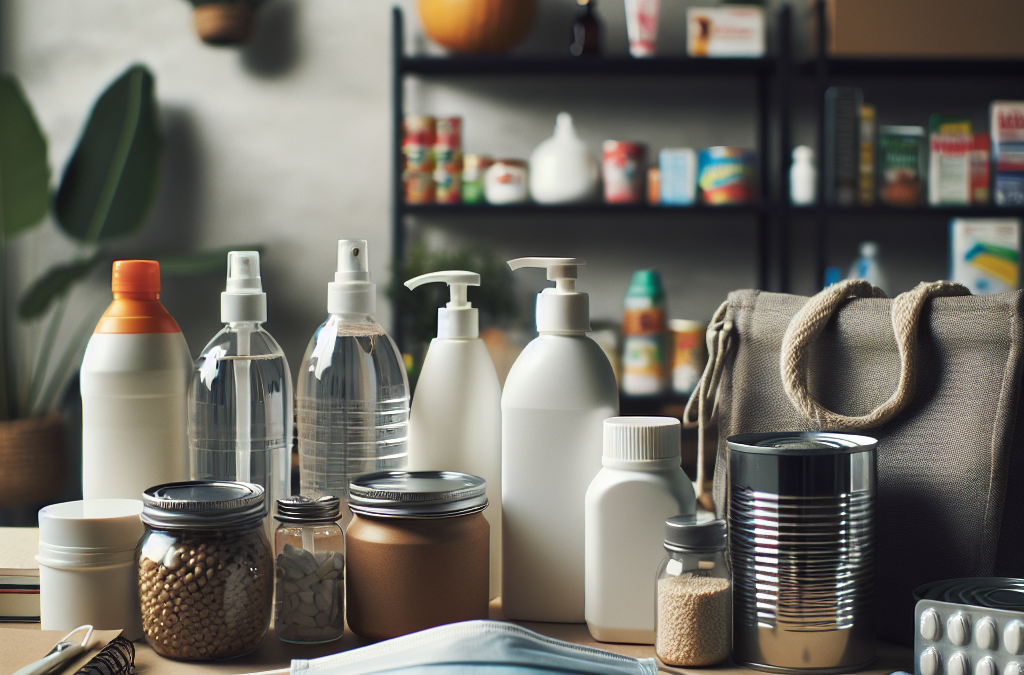
Hey there! As someone who’s been through a few challenges during past pandemics, I’ve come to realize just how crucial it is to be prepared. I remember the initial shock and panic that gripped everyone when the news first broke. It felt overwhelming, but with a little planning and the right supplies, it became a whole lot easier to handle. So, I’ve compiled a quick guide for you on what essential supplies to have at home to weather any future storms. Let’s dive into it!
1. Medical Supplies
First Aid Kit Essentials
First off, you can’t go wrong with a well-stocked first aid kit. It’s sort of like having your own little emergency room right at home. I recommend including items like band-aids, antiseptic wipes, and gauze—these basics can make a huge difference. There’s nothing worse than a scraped knee with no way to treat it!
Don’t forget to personalize it based on your family’s needs. If you or someone in your household takes prescription meds, ensure you have a good stockpile just in case. Trust me, when things get hectic, it’s a huge relief to have everything you need on hand.
Also, it’s wise to include over-the-counter medications. Pain relievers, allergy medications, and antacids can save you a lot of hassle later. Remember, it’s better to be safe than sorry!
Regular Health Monitoring Tools
During any pandemic, health awareness is key. Having a thermometer, a pulse oximeter, or even a blood pressure monitor can help you keep tabs on your loved ones’ health. These tools can be lifesavers if anyone feels unwell.
It’s surprisingly easy to overlook the simple stuff, but trust me, monitoring health can prevent a lot of stress down the line. I remember when I had a fever and having a thermometer handy gave me peace of mind because I could track my symptoms easily.
If your family always has these tools in reach, it’s just one less thing to worry about when you’re feeling under the weather. Plus, it shows you’re taking your health seriously!
Face Masks and Sanitizers
Ah, the infamous face mask! Whether you love them or think they’re a nuisance, having a good supply at home is essential. I like to keep a stash of both cloth and disposable masks. They vary in comfort, and sometimes you just need that extra layer of protection.
And while we’re talking germs, hand sanitizers are a must-have too! I can’t stress how handy they were when I couldn’t wash my hands right away. Just a drop of sanitizer does the trick to keep those pesky viruses away.
So remember, a well-prepared medical supply kit isn’t just about basic first aid—it’s about your overall health and safety readiness!
2. Food and Water Supplies
Non-Perishable Foods
Next on my list is food. Non-perishable foods are a lifesaver during any crisis. Think canned goods, pasta, rice, and dried beans—items with long shelf lives that can be stored easily. I learned the hard way about the importance of stockpiling when my local grocery store was stripped bare.
Having a variety of foods can also help make sure your meals don’t get stale. Mix it up with some spices, sauces, and other flavor enhancers. Trust me, your taste buds will thank you when you’re in lockdown!
Also, don’t forget pet food if you’ve got furry friends at home. They depend on us too, and running out in the middle of a pandemic is definitely not a fun time!
Water Storage
Let’s talk about water. Staying hydrated is absolutely key, especially in stressful times. I suggest keeping at least a week’s worth of water stored. I like to have a mix of bottled water and larger containers that can be filled from the tap.
You might not think it’s necessary until you find yourself without easily accessible water. This past summer, we faced a minor drought, and it reminded me that having extra water on hand is never a bad idea!
Plus, if you ever need to boil water for safety concerns, having some bottled water can help ensure you have something to drink while you wait. Always plan ahead!
Meal Prep and Planning
Meal planning might sound boring, but when you have a well-thought-out grocery list, it makes things so much easier. I love sitting down once a week to plan out my meals and make a shopping list. This helps avoid those annoying last-minute runs to the store.
Try to get creative with what you have stocked and mix up your meals. I follow various recipes that incorporate pantry staples, so I’m never at a loss for meal ideas. Plus, it’s a fun way to keep cooking entertaining!
And with meal prep, you’ll always have something on hand. It can really save time when you’re juggling work or kids at home. Always good to have a strategy!
3. Cleaning Supplies
Disinfectants and Sprays
Keeping a clean environment is crucial, especially during a pandemic! I always stock up on disinfectants and sprays. You can never have too many wipes or cleaning sprays, am I right? It reassures me that my home is a germ-free zone when I’m constantly cleaning high-touch surfaces.
Make a checklist of all the surfaces you need to regularly disinfect—kitchen counters, doorknobs, light switches, and cell phones are top of my list. It’s amazing how quickly germs can spread if we aren’t careful!
And don’t be afraid to get creative! You can make your own disinfectant using household items like vinegar and baking soda. It’s a natural way to keep things clean and fresh.
Basic Cleaning Tools
Once you have your cleaning supplies, don’t forget basic tools! Mops, brooms, and sponges are vital for maintaining cleanliness. I keep an extra set of cleaning rags on hand too—nothing’s worse than realizing you’ve run out in the middle of a deep clean.
It can be super helpful to set up a regular cleaning schedule. I like to designate specific days for different tasks, making it much less overwhelming. Trust me, it makes a huge difference in how I feel about my living space!
So take it from me, get yourself set up with the right tools, and cleaning will feel like a breeze instead of a burden!
Personal Hygiene Supplies
Personal hygiene is super important during uncertain times. You’ll want to make sure you have plenty of toiletries, like soap, shampoo, toothpaste, and toilet paper. I still laugh when I think of all the toilet paper panic from the last pandemic!
Having an abundance of personal care items can ease the stress of running out in the middle of a crisis. Stocking up ahead of time helps you feel prepared and comfortable.
Lastly, consider including some self-care items in your stockpile. Facemasks, bath products, or even scented candles can help lift spirits during trying times. Don’t underestimate the power of a pampering session!
4. Communication Tools
Chargers and Backup Power
In our digital age, staying connected is essential. Make sure to have chargers handy for all your devices! I’ve learned my lesson the hard way about losing power during a storm—let’s just say I had to take a break from my phone and reconnect with the offline world!
Investing in a portable charger can help too. If the power goes out, having that backup can keep you connected to news, friends, and family. I love using mine when I’m on the go too—such a lifesaver!
It’s also good to have a small stash of batteries for any other devices you might need. Radios, flashlights, or even those battery-operated speakers can come in handy when you least expect it!
Social Media and Communication Apps
In times of crisis, staying in touch with people is key. I’ve found that group chats and social media become my lifeline when the world feels a bit too chaotic. It helps to know you’re not alone, and others might share your experiences.
Set up communication channels with your close friends and family—it’ll help you all feel more connected. Plus, sharing tips and updates during a pandemic can help everyone stay informed and safe.
Make sure to also turn off notifications occasionally. Sometimes, a little digital detox can be good for your mental health, especially when your feeds are flooded with pandemic news.
Emergency Contact Lists
Don’t forget to create an emergency contact list. Write down important phone numbers for family, friends, neighbors, and healthcare providers. Keep this list handy in case technology fails.
It’s kind of like your own mini directory, so don’t overlook it. Having these contacts made it so much easier for me when I had to reach out in a hurry.
And remember to update this list regularly as contact information changes. Keeping everything organized helps when you really need to reach someone!
5. Entertainment and Wellness
Books, Movies, and Games
Staying home during a pandemic can lead to some boredom. But it can be a chance to pick up that hobby you’ve been meaning to explore! Stocking up on your favorite books, movies, and games can really help keep morale high.
I remember going through my bookshelf and finding books I’d forgotten about. It was like a treasure hunt! Having a mix of entertainment options can take the edge off long days stuck at home.
Think about doing fun family activities too! Board games, puzzles, or even home movie nights can bring everyone together and create a welcoming atmosphere.
DIY and Hobbies
You might find that this is the perfect time to pick up a new hobby or dive into a DIY project! Whether it’s knitting, gardening, or even learning to cook, creative outlets can be a great escape.
Use supplies you already have around the house to get started! I found some old paint in my garage and turned my patio into a little art area. It became a cool new space to enjoy and reflect, and it keeps the creativity flowing!
Also, don’t forget about online tutorials! There’s a world of knowledge out there, and being able to learn something new from home can really help keep spirits high!
Mental Health and Mindfulness
Finally, don’t forget about your mental health! It’s super important during stressful times. I rely on mindfulness practices such as meditation, journaling, or even simple breathing exercises to stay grounded.
Having supplies like journals or calming essential oils can help create a soothing atmosphere at home. Establish a daily routine that includes time for self-care.
It’s essential to check in with yourself regularly. Make sure you’re processing everything, whether through talking with someone, engaging in creative outlets, or simply taking a break.
FAQ
1. What are the most essential medical supplies to have at home?
It’s crucial to have a stocked first aid kit, regular health monitoring tools like a thermometer, and plenty of face masks and hand sanitizers.
2. How much food and water should I store?
Aim to have at least a week’s supply of non-perishable food items and water. This ensures you’ll stay nourished and hydrated during tough times.
3. Why are cleaning supplies important?
Keeping your living space clean helps prevent the spread of germs and illness. Stock up on disinfectants, basic cleaning tools, and personal hygiene supplies.
4. What communication tools should I prepare?
Ensure you have chargers, backup power sources, and an updated emergency contact list so you can stay connected in any situation!
5. How can I maintain mental wellness during a pandemic?
Engage in hobbies, practice mindfulness, and set up a routine that focuses on self-care to help manage stress and anxiety.
So there you have it! Being prepared doesn’t have to feel daunting. A little planning can go a long way in ensuring you feel comfortable and secure at home. Stay safe, folks!

by Preparation | Jul 31, 2025 | Preparedness
Assess Your Needs
Understanding Your Travel Style
When I think about packing an emergency kit, the first thing I consider is how I travel. Whether you’re a backpacker heading to the wild or someone booking luxury stays, your kit should mirror your journey. Budget trips? You’ll want lightweight, compact options. Luxurious travels might allow for more tools, but think about whether you really need them.
My trips have taught me that being prepared means having things tailored to the situation. For example, if you’re planning a family road trip, your needs will gravitate towards snacks, entertainment, and first-aid options suitable for kids. Solo travel? Focus on compact, versatile items that can work in multiple scenarios.
Lastly, consider your destination. Is it urban or more remote? A city adventurer may need a different set of tools compared to someone trekking through a national park. Taking a moment to assess your own needs makes all the difference when it comes to packing smart.
Gather Essentials
Hygiene and First Aid Supplies
You can’t go wrong with starting your emergency kit with hygiene and first aid supplies. I remember one summer trip where I underestimated the power of hand sanitizer. Trust me, you’ll thank yourself later! A simple pack of wipes, hand sanitizer, and a small toothpaste can aid in a pinch, especially when traveling to places where cleanliness may not be a priority.
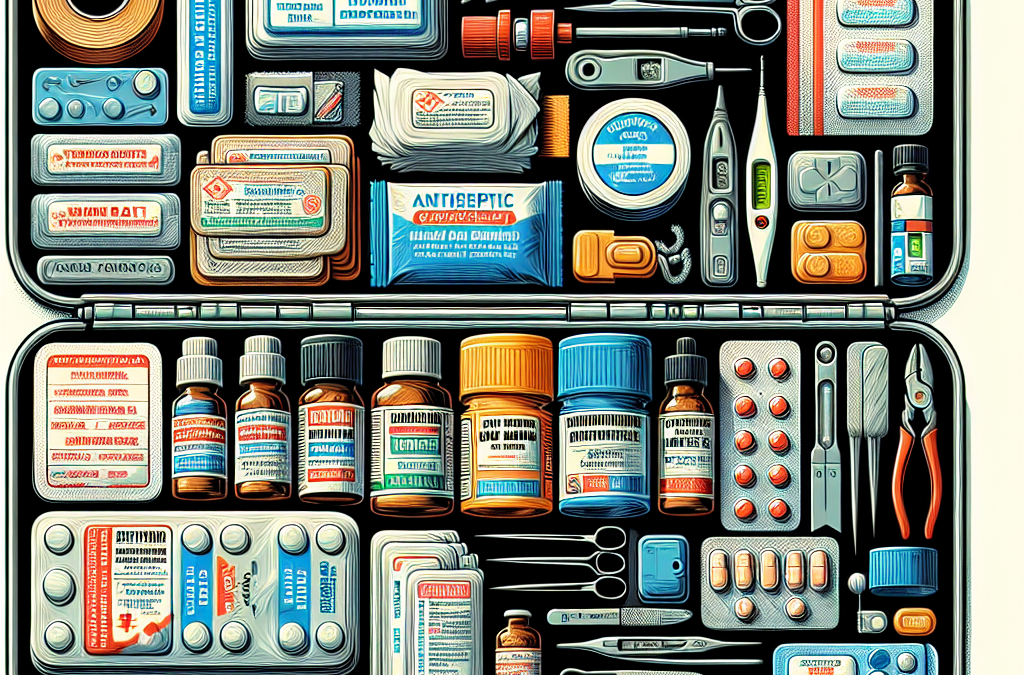
First aid essentials, like band-aids, antiseptic wipes, and pain relievers, are also non-negotiable. I once had a trekking buddy that cut himself while trying to impress us with his climbing skills. Having those supplies made it easy to handle the situation before we could seek professional care. You’d never think you’d need it, but trust me – it can happen!
Don’t forget disease prevention essentials like insect repellent or sunscreen depending on your destination. After a trip to Southeast Asia, where I’d forgotten the bug spray, I learned my lesson the hard way. Being prepared is all about planning for the “what-ifs”!
Pack Smart
Choosing the Right Bag
The bag you pick for your emergency kit is key. I mean, it should be compact yet spacious enough to fit the essentials. I usually opt for a lightweight backpack. It’s easy to carry around, and the best part? I can slide it into a larger suitcase if I need to. Versatility is a must.
Pockets are another thing to think about. I love bags with separate compartments because it keeps everything organized. No one wants to rummage through a jumbled mess when a scrape needs to be cleaned or when it’s time for snack time!
Also, consider the bag’s durability. If you’re trekking through varied terrains, snagging something that can withstand rain or the occasional fall is key. I learned that the hard way on a hike when my bag tore, and I lost important items.
Stay Updated
Regularly Check Your Supplies
One important lesson I’ve learned is to keep your emergency kit fresh. I mean, how many times have I grabbed an old granola bar that was definitely past the expiration date? Yikes! Regularly checking your supplies ensures that nothing’s stale or ineffective.
Plus, situations change! Maybe you’ve added new dietary restrictions or shifted your travel style since the last time you packed your kit. Spend a little time updating your supplies every couple of months – it’s worth the time and effort.
Taking notice of how your needs evolve keeps your emergency kit relevant. A simple check-in can remind you to adjust things, ensuring you’re prepared no matter where you wander off to next!
Know Emergency Protocols
Research Local Regulations and Contacts
Before heading off, I always take the time to look up local emergency protocols and contact information. This isn’t just a good idea; it’s crucial! Each country has different laws and customs, and being well-versed could literally save your life.
Know the number for police, fire, and medical emergencies for every destination. It’s also wise to jot down local embassies’ contact information. Emergencies can arise quicker than anticipated, and having those key contacts saved in your phone can make a big difference.
I also make sure to inform someone back home about my travel plans. Sharing your itinerary and contact information improves your safety net – sometimes I think of it as my own safety whistle. It gives me peace of mind knowing someone’s got my back!
FAQs
1. What should I include in my emergency kit?
Your kit should feature basic first aid supplies, hygiene products, snacks, water, and a few essential tools like a flashlight, multi-tool, and any personal items necessary (medications, etc.).
2. How often should I update my emergency kit?
Try to check and update your kit every few months or before major trips. This way, you can ensure all supplies are fresh and still relevant to your travel needs.
3. What type of bag is best for an emergency kit?
A lightweight backpack with compartments is usually the best choice. It should be easy to carry, durable, and spacious enough to hold all your essentials without being bulky.
4. Is it necessary to know local emergency protocols?
Absolutely! Each location may have different laws, services, and emergency numbers. Being prepared and informed could make a significant difference in a tough situation.
5. Can I include food in my emergency kit?
Yes! Non-perishable snacks like granola bars, nuts, or dried fruits are great options. Just remember to check expiration dates regularly when updating your kit!
by Preparation | Jul 31, 2025 | Preparedness
Stay Hydrated
Importance of Hydration
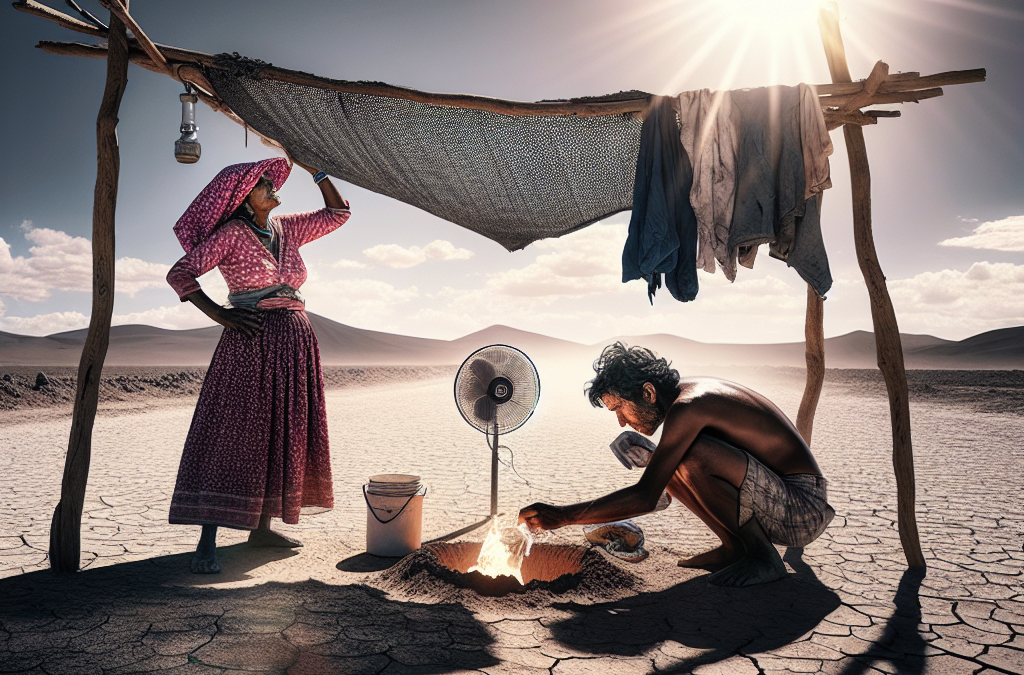
Let me tell you, staying hydrated in extreme heat isn’t just something you should think about—it’s vital. When the temperature soars, our bodies are constantly sweating to cool down. If we’re not drinking enough water, we can become dehydrated quick, which can lead to some serious issues like heat exhaustion or even heat stroke. You’ve got to make hydration your best friend when facing hot conditions.
Water is the best choice, no doubt about it. Avoid sugary drinks and caffeine, as they can actually dehydrate you. I’ve learned the hard way that grabbing a soda might sound refreshing, but it doesn’t do my body any good in the heat. So, stick to plain old water and maybe some electrolyte drinks if you’re sweating a lot—they can really help replenish what you’re losing.
One tip I often share is to set reminders on your phone to drink water, especially if you’re busy. I carry a reusable water bottle everywhere. Just having it within reach makes it way easier to remember to sip throughout the day. Trust me, your body will thank you!
Dress Appropriately
Choosing the Right Fabrics
Okay, let’s talk about what you’re wearing. When it comes to extreme heat, the right clothes can make a world of difference. I swear by light-colored and loose-fitting clothes. Dark colors absorb heat, which is the last thing you want when you’re trying to keep cool. Go for fabrics like cotton and linen; they’re breathable and allow your skin to ventilate.
A tip I picked up over the years is to avoid nylon and polyester. It’s tempting sometimes, but those fabrics trap heat and sweat against the skin, making it feel even hotter. Instead, I opt for materials that wick moisture away. This makes a significant difference in how comfortable I feel when the sun is blazing down.
Lastly, don’t forget about accessories! A wide-brimmed hat and sunglasses can protect your face and eyes from direct sunlight. I always keep my hat handy; it not only adds style but also saves me from roasting in the sun. A little preparation in your wardrobe can save a lot of discomfort!
Avoid Outdoor Activities during Peak Hours
Understanding Heat Patterns
I can’t emphasize this enough: timing is everything when it comes to outdoor activities in extreme heat. The sun is usually at its fiercest between 10 a.m. and 4 p.m. My rule of thumb is to plan my outdoor adventures around these peak hours. If you can, try to get your workout in early morning or later in the evening when the temperature cools down a bit.
By shifting your outdoor activities away from peak sun hours, you can reduce the risk of heat-related illnesses significantly. I’ve seen too many friends underestimate how harsh the midday sun can be, and they end up regretting it. Protecting your skin and staying cool should be your number one priority!
Instead, I often use those peak hours for indoor activities, maybe a gym session or tackling indoor chores. Plus, it’s a great way to stay productive while keeping cool. You’d be surprised how much you can get done in the comfort of your air-conditioned space!
Know the Signs of Heat-Related Illnesses
Recognizing Symptoms
Awareness is key! Understanding the signs of heat exhaustion or heat stroke can literally save your life or someone else’s. Symptoms like heavy sweating, weakness, dizziness, or nausea can be red flags that your body is overheating. I’ve had moments where I just brushed it off, thinking I’d be fine, but I learned the hard way that ignoring these signs can lead to more serious problems.
Heat stroke, in particular, is serious business. Symptoms include a high body temperature, confusion, or even loss of consciousness. If you see someone exhibiting these symptoms, get them to a cooler location immediately and call for medical help. Remember, it doesn’t hurt to be cautious when it comes to heat-related illnesses.
If you find yourself out in the heat, check in with your body regularly. I always ask myself if I’m feeling overheated or dizzy. Staying in tune with what your body is telling you can help you take action before things turn serious.
Stay Informed
Keeping Up with Weather Reports
The last piece of the puzzle is staying informed. I make it a point to check the weather reports regularly during the summer or anytime I know I’ll be exposed to extreme heat. Knowing how hot it’s going to get can help me plan my day better and adjust my activities accordingly.
Plus, if there are any heat advisories or warnings issued, I take them seriously. They’re not just there for decoration! The advice is often based on real risks, and it’s always better to be prepared. There’s no harm in double-checking the forecast before heading out.
I’ve also found social media and weather apps super helpful for real-time updates. If you’re planning an outdoor event, keep checking; it could mean the difference between a fun day and a scorching disaster.
FAQs
1. What should I do if I start feeling dizzy in the heat?
If you start feeling dizzy, it’s important to move to a cooler place immediately and sip on water. Lying down with your legs elevated can also help. Don’t push yourself, and seek medical attention if symptoms persist.
2. How can I keep my home cool without AC?
You can keep your home cool by closing curtains during the hottest parts of the day, using fans, and keeping windows open in the cooler evenings. Also, consider using a damp cloth or cooling towels.
3. Is it safe to exercise outside during hot weather?
It’s best to avoid exercising outside during peak sun hours. If you must, try to keep it short and take plenty of breaks in the shade or indoors. Hydrate well and listen to your body.
4. What are the symptoms of heat exhaustion?
Common symptoms include heavy sweating, weakness, fatigue, dizziness, and nausea. If you experience these, take action quickly to cool down and hydrate.
5. How can children and pets be kept safe in extreme heat?
Keep them indoors during peak heat hours, provide plenty of water, and ensure they have a cool place to rest. Never leave them in a parked car, even for a short time.




