In any emergency, the first step is figuring out what’s going on. Trust me, panic can cloud your judgement and that’s when mistakes happen. I’ve been there—stressed out and not thinking straight. Take a deep breath and try to get the situation under control. Is it a natural disaster, a medical emergency, or perhaps something else entirely? Knowing the nature of the emergency helps determine the local resources you’ll need.
Once you know what’s happening, you can focus your energy on what you need to do next. For instance, if it’s a flood, you might need to consider evacuation routes or local shelters. If it’s a medical emergency, knowing where the nearest hospital is can make all the difference. It can feel overwhelming, but breaking it down into smaller, understandable pieces will help you manage your response effectively.
Also, remember to think about timing. Emergencies can evolve quickly, and the resources available to you might change. Keep assessing the situation as you gather information. Being adaptable during times of crisis might just save the day!
Connecting with Local Authorities
Finding Reliable Information
When you’re in an emergency, local authorities are a crucial lifeline. They can provide vital information regarding evacuations, safety procedures, and resources available to assist you. Never underestimate the power of a quick phone call or a check on local news stations. Even social media can serve as a real-time information source during crises.
I’ve always found that having the contact information for local emergency services saved time when it came to figuring out what needed to be done. Whether it’s the local fire department, police, or emergency management offices, they are well-informed. Reach out to them if you’re unsure of what’s happening or what to do next. It’s like having a compass in a storm; they can guide you back to safety.
And don’t forget about community bulletins or websites. Many local governments have online portals where they post updates during emergencies. Staying connected and informed through these channels can provide insights that are crucial to navigating challenges effectively.
Utilizing Community Resources
Engaging with Local Organizations
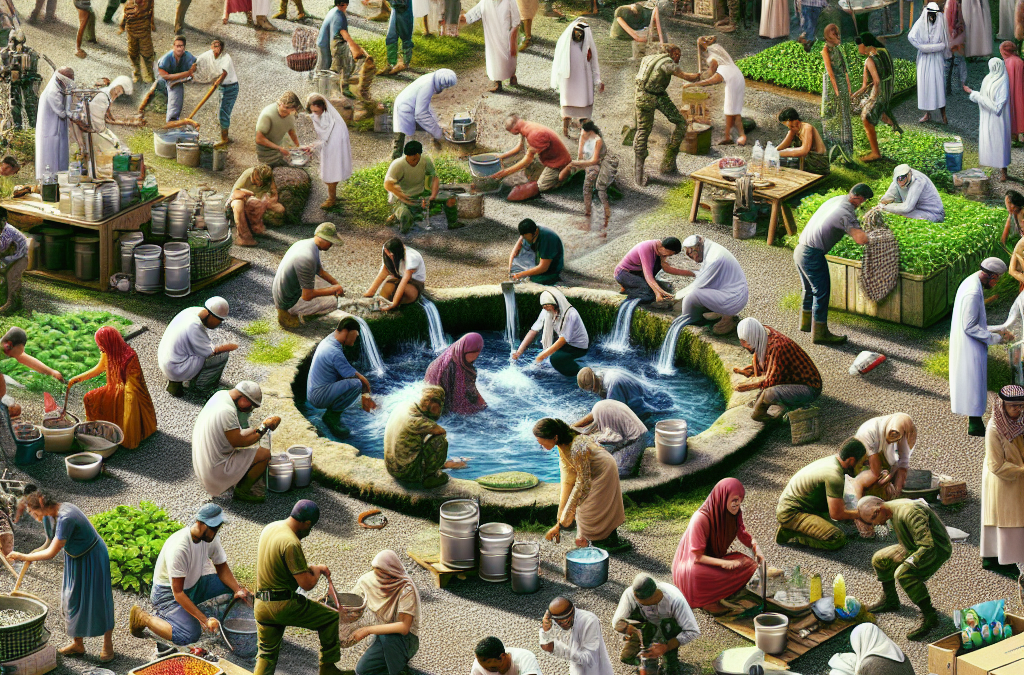
Your community is a treasure trove of resources during emergencies. Local organizations—like Red Cross branches or food banks—often spring into action when crises hit. They come equipped with supplies, food, and emotional support services. I can’t emphasize enough how important it is to know who these organizations are before disaster strikes.
I remember once when there was a major storm in my area, and our local Red Cross set up a shelter. They provided food, blankets, and, most importantly, a safe space for those who were displaced. Don’t hesitate to reach out to nearby organizations; they are ready and willing to lend a helping hand in tough times.
Also, local churches and community centers often have resources or can connect you with those who do. You’d be amazed how people come together during emergencies. They really know how to rally and support each other in times of need, so be proactive in tapping into that network!
Creating a Support Network
Reaching Out to Neighbors
Never underestimate the power of your neighbors. Having a support network can be a lifesaver. I remember during a local crisis, we banded together to share resources like food, water, and even generator power. Just a quick chat or a message can let you know who’s around and ready to help!
Consider forming a neighborhood group to discuss emergency plans. Being proactive about this can ease fears and strengthen bonds. If you know each other’s strengths—like having someone with medical training—you can create plans that maximize everyone’s resources during an emergency.
And let’s not forget about the emotional support. When you’re in a crisis, simply knowing someone else is right there with you can make all the difference in the world. Keep that line of communication open and support one another as best as you can.
Preparing for Future Emergencies
Developing an Action Plan
Once the dust settles, it’s time to reflect on the experience and prepare for the future. Think about how you responded and what resources helped the most. Maybe you discovered that your local organizations were super helpful, or perhaps you found that your network of friends and neighbors was absolutely invaluable. Whatever it is, jot it down!
Creating a solid action plan for future emergencies is essential. Make a checklist of handy contacts, important resources, and a strategy to utilize them effectively. I even keep a “go-bag” with supplies just in case, which I’ve found handy during unexpected emergencies.
Lastly, don’t forget to share your insights with others. Help build a culture of preparedness in your community. When the next emergency strikes, everyone will be better equipped to handle it, and you’ll inspire others to take action, too.
FAQ
1. What should I do first in an emergency?
Assess your situation to understand what kind of emergency you’re facing. This will help in determining the resources and the actions you need to take.
2. How can I find local resources during an emergency?
Reach out to local authorities, check community boards, or browse social media channels where local emergency updates might be posted.
3. Are community organizations really helpful in emergencies?
Absolutely! Local organizations, like the Red Cross, are usually quick to mobilize resources and support during crises. They can offer food, shelter, and essential supplies.
4. How can I strengthen my support network?
Get to know your neighbors and build connections ahead of time. Forming a neighborhood plan can foster cooperation and ensure everyone knows how to support each other.
5. What is the best way to prepare for future emergencies?
Reflect on past emergencies and create a detailed action plan. Include emergency contacts, resources, and keep a well-stocked go-bag ready for any unforeseen situations.
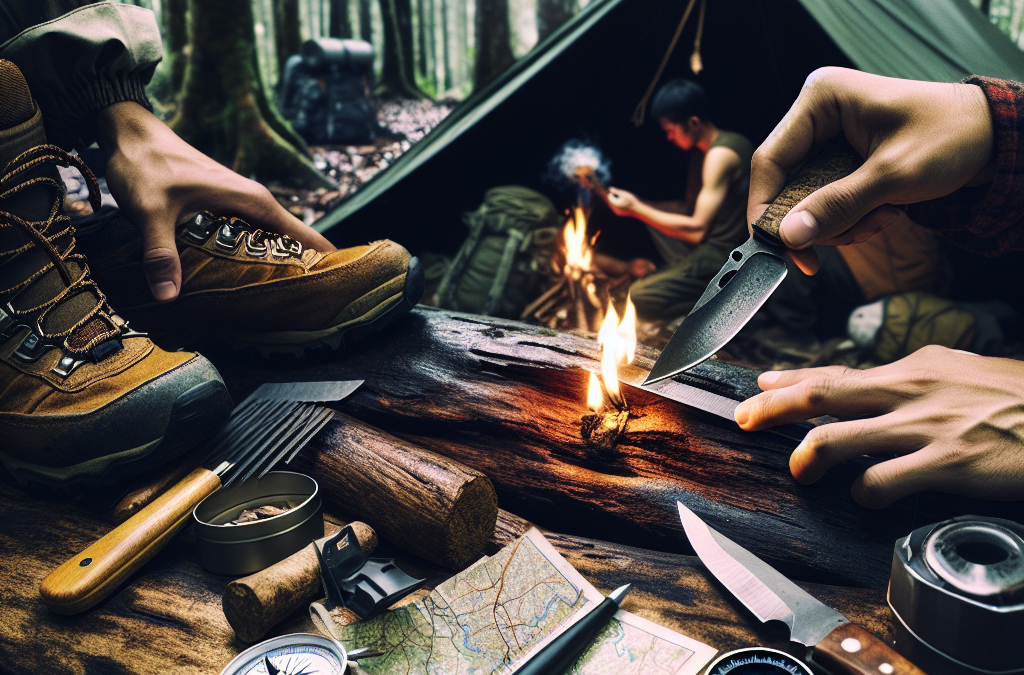
When it comes to sharpening survival skills, consistency is key. Personally, I carved out a chunk of my weekend to practice things like fire-starting or setting up a tent. It doesn’t have to be an all-day affair; even dedicating an hour can make a difference. The more you practice, the more second nature these skills become.
Setting a specific day or time to practice can help solidify this routine. For example, I decided that Sundays are my “Survival Sundays.” Every week, I challenge myself with a new skill or scenario, which keeps it fresh and exciting. Plus, I like to bring a friend along to make it a fun activity rather than a chore.
And let’s be real, it’s not about perfection. It’s about improvement. You’ll stumble and make mistakes, but that’s part of the learning process. Each practice session builds confidence and, ultimately, expertise when you really need it.
Join a Community
Connecting with like-minded folks has been a game-changer for me. Finding a community—whether it’s through online forums, social media groups, or local meetups—gives you a chance to learn from others and share your experiences. I’ve met some incredible people who have expanded my knowledge and pushed me to try things I’d never have tackled alone.
In these groups, I’ve found people of varying skill levels, which means I’m always learning something new. Sometimes, seeing someone else demonstrate a technique can really help it click for me. Plus, they can offer tips from their own experiences, which is often more relatable than a textbook.
Community support also comes in really handy when you’re tackling larger projects or challenges. Teaming up to learn survival skills prepares you for real-world scenarios where collaboration can be essential. It makes it more enjoyable and less daunting.
Create Realistic Scenarios
Bringing real-life situations into your practice can really level up your learning. I often create scenarios at local parks, simulating being lost, or forced to survive with limited resources. This kind of applied learning sticks with me way more than just reading about it.
The beauty of crafting your own scenarios is that you can tailor them to challenge yourself. Maybe it’s trying to build a shelter in under an hour or foraging for edibles during a hike. Whatever it is, make it as real and practical as possible. This not only helps you learn but also boosts your problem-solving skills.
Also, don’t forget to have fun with it! Sometimes, I’ll even turn these scenarios into friendly competitions with friends to see who can complete a task the fastest. It keeps the energy up and makes learning feel like more of an adventure rather than a chore.
Stay Updated with Resources
Read Books and Articles
Books have been my go-to source of survival knowledge. I’ve got a shelf dedicated to survival manuals and adventure stories that not only teach but inspire. They come with diagrams and step-by-step instructions that you can refer back to anytime.
Additionally, online articles and blogs provide more current information, along with personal anecdotes that often fill in the gaps traditional books might miss. I love finding authors who really dive into their personal survival stories—it gives you context and makes the learning more relatable.
There’s also a lot of newer research out there regarding wilderness safety and first-aid techniques that can come in handy. So, keeping up with fresh content keeps my knowledge relevant and sharp, preparing me for any circumstance.
Watch Instructional Videos
These days, there’s no shortage of great survival content online, especially on platforms like YouTube. Watching someone demonstrate a skill can make a huge difference in my understanding. It’s one thing to read about making fire with a bow drill; it’s another to see someone do it successfully.
Instructional videos are often informal and relatable. I’ve picked up tons of tips and tricks I wouldn’t come across in a book just by seeing how others tackle challenges. Plus, many creators have a unique approach that might resonate differently depending on your learning style.
And if you find a channel you really vibe with, you can follow their journey, getting updates on new techniques or gear recommendations. Remember to look for videos that emphasize safety practices, as this is a critical aspect of survival training.
Utilize Mobile Apps
Mobile apps are a lifesaver (pun intended) when it comes to enhancing survival skills. There are countless apps out there for wilderness survival, first-aid, and even navigation. I like to have a few loaded on my phone before heading out, just as a precaution and quick reference guide.
Many of these apps include survival guides, foraging information, and even emergency hacks for when things go awry. They tend to be concise and easy to understand, making it a breeze to get the information you need when you need it. I’ve had moments in the wild where pulling up quick tips made all the difference.
Moreover, some apps also offer interactive features, like quizzes or challenges, which help reinforce what you’ve learned. Staying engaged through a fun format makes it less like studying and more like a game.
Learn from the Experts
Take Classes or Workshops
Attending survival classes has been one of the best investments in my skill-building journey. Learning from professionals who’ve been in tough situations gives you a well-rounded education that’s hard to replicate. They offer hands-on experiences in a safe environment and answer all those questions you have along the way.
I’ve participated in everything from basic wilderness survival to advanced navigation and bushcraft workshops. Each class built on the last, giving me more confidence and deeper knowledge. Plus, the camaraderie and motivation from being with peers is another great reason to participate.
You can often find these classes offered by local outdoor organizations or community colleges, so there’s usually something accessible nearby. Keep an eye out for specialized workshops on topics that interest you personally!
Follow Survivalist Blogs and Podcasts
I’m always on the lookout for blogs and podcasts dedicated to survival skills. It’s such a flexible way to learn because I can absorb the information while I’m on the go—driving, hiking, or even just chilling at home. These platforms often share the latest trends in survival techniques, gear reviews, and inspiring personal stories.
Some of my favorite podcasts feature in-depth interviews with experienced survivalists who share lessons learned from their adventures. Hearing stories from the field can be incredibly motivating and enlightening, revealing what works and what doesn’t in real-life situations.
Plus, many bloggers and podcast hosts encourage community interaction, so you can discuss ideas or ask questions directly. It creates a sense of connection, even though I’m just listening from my couch.
Attend Expos and Conferences
If you ever get the chance to go to a survival expo or conference, jump on it! These events gather an incredible array of experts, enthusiasts, and vendors all in one place. I attended one last year and met folks who’ve got a wealth of knowledge and experience to share. They often conduct live demos, which are super helpful!
Approaching different booths and chatting with various vendors is a unique opportunity to learn about the latest gear and techniques. Many times, you can even try things out firsthand. This kind of exposure can spark new interests or perspectives that you might not have considered.
Plus, being around passionate, skilled individuals instantly raises my motivation. Everyone’s excited about learning and sharing, which creates this awesome atmosphere that’s infectious. It reminds me that we’re all in this together, pushing the envelope of our abilities.
Stay Physically and Mentally Fit
Regular Exercise
It might not seem related at first glance, but being in good shape physically can seriously enhance your survival skills. I’ve noticed that endurance matters when you’re out there; being able to hike long distances or carry gear becomes a breeze when you’re regularly active. I try to incorporate activities like hiking, running, and strength training into my weekly routine.
This doesn’t mean you have to be a professional athlete, but being fit helps you maintain focus and handle stress better. Plus, when you build stamina, it allows you to focus on learning new skills without tiring out too quickly. Every little bit counts!
As I’ve pushed my physical limits, I’ve also felt a boost in my mental resilience. Knowing that I’m capable of handling physically demanding situations makes it easier to believe in my other skills when the going gets tough.
Meditation and Mindfulness
You might think meditation is just for relaxation, but it can be a vital part of your survival toolkit. Practicing mindfulness has helped me enhance my focus, which is crucial in high-pressure situations. Spending a few minutes every day practicing techniques lets me clear my head and remain calm when things get dicey.
In times of stress, it’s easy to feel overwhelmed. Engaging in mindfulness has taught me to take a step back, assess my surroundings, and make logical decisions, rather than reacting instinctively. This skill has helped me significantly in both day-to-day life and during my wilderness adventures.
Plus, the mental discipline gained through dedicated practices positively impacts all facets of survival skills—from the way I tackle obstacles to how I interact with others in a group setting.
Develop Problem-Solving Skills
Survival situations are often unpredictable, which means you’ll need to think on your feet! I’ll often throw myself into unexpected situations to strengthen my problem-solving skills. This could be something simple, like figuring out how to build a shelter with materials on hand, or more complex, like navigating without the aid of a map or GPS.
Incorporating brain games and puzzles into my routine has also sharpened my quick-thinking abilities. The more I practice identifying potential solutions, the more adept I become at applying these strategies outdoors. Engaging with challenging situations keeps my brain agile, preparing me for whatever adventures lie ahead.
Plus, I’ve learned that collaborative problem-solving can offer new insights. When I work with others, I see alternative approaches and solutions that I wouldn’t have thought of on my own, so finding partners for practice is always a good idea!
Frequently Asked Questions
1. What are the best resources for learning survival skills?
Books, online articles, instructional videos, and mobile apps are some of the best resources available. They can provide detailed guidance and real-life applications that make learning easier.
2. How can I practice survival skills at home?
You can set up small challenges or tasks that mimic survival situations, such as starting a fire, building a makeshift shelter, or practicing first aid techniques using materials at home.
3. Is it necessary to take a class for survival skills?
While it’s not absolutely necessary, taking a class can greatly enhance your learning experience. You get hands-on practice and learn from experienced instructors, helping you build confidence in your abilities.
4. How important is physical fitness in survival situations?
Being physically fit can significantly improve your chances in survival scenarios. It enhances stamina, agility, and mental resilience, which are all crucial when you’re in challenging situations.
5. How can I stay motivated to keep learning survival skills?
Joining community groups, setting personal challenges, and keeping the learning fun and varied can help you stay motivated. Engaging with others who share your passion also boosts enthusiasm!
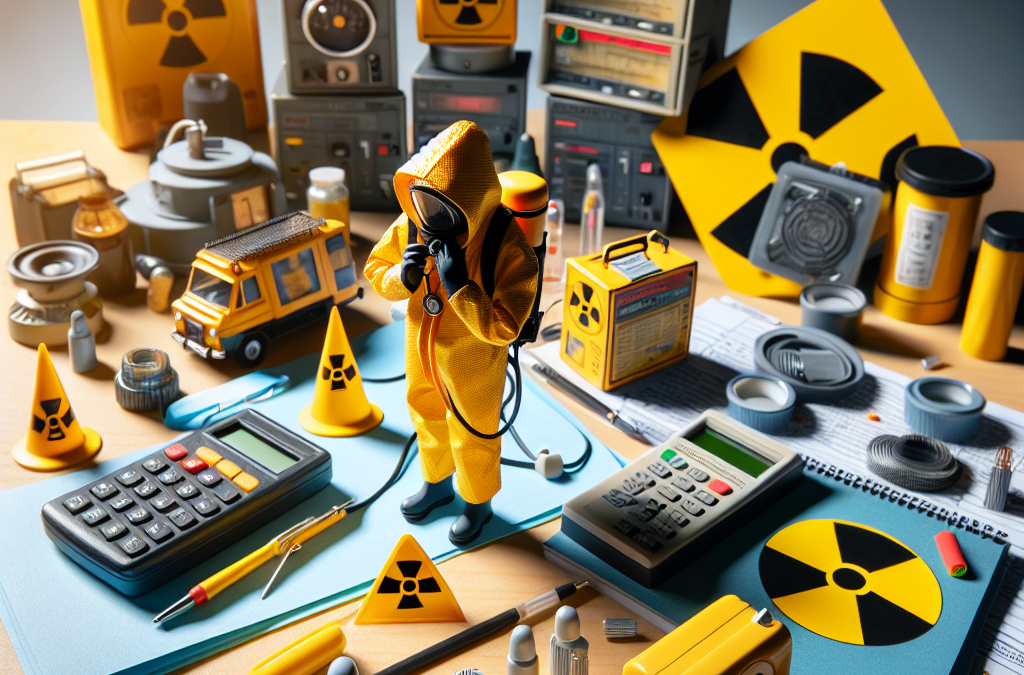
Imagine you’re a firefighter, and suddenly you hear there’s been an incident at a nuclear plant. Understanding radiological hazards is crucial in these situations. Radiological hazards can range from exposure to radioactive materials to contamination of the environment.
It’s all about knowing how these materials behave and the health risks involved. For example, short-lived isotopes dissipate quickly while others can linger for years. A solid grasp of what’s at stake is vital, especially if you ever find yourself in the thick of a radiological event.
Being informed can mean the difference between safety and danger. Familiarize yourself with common terms and concepts in nuclear science. It won’t take long before you feel more confident when discussing these hazards with your colleagues or emergency responders.
Recognizing the Sources
In my journey to understand radiological hazards, I learned that knowing where these hazards might come from is just as important. Be it medical facilities using diagnostic imaging or nuclear power plants—these are hotspots of potential issues.
You should also consider the impact of natural occurrences, like radon exposure in some areas. Understanding these sources helps us prepare our response strategies better. You want your response to be smart, not just a knee-jerk reaction!
Getting to know the industry regulations and safety standards can also guide you in identifying these key sources. Knowledge leads to action, and understanding your environment is a huge part of that.
The Impact of Radiation on Health
Now, let’s dive deeper into why understanding radiological hazards matters—how does radiation impact health? Personally, once I grasped the basics, it completely changed my perspective.
A short dose might cause immediate effects like radiation sickness, but what about long-term consequences? Increased cancer risk or even genetic mutations are serious potential outcomes. This isn’t just theory; it’s reality for people affected by radiological events.
Hence, being knowledgeable about these health risks allows us to communicate effectively with the public and reassure them with facts. We need to educate, not scare people, and that requires a solid understanding ourselves.
Effective Communication Skills
Crafting Clear Messages
Communication is key when it comes to emergencies. I learned this early on in my career. Crafting clear, concise messages can help prevent panic and confusion. You want to make sure your message is understood, not just heard.
One effective way to do this is to avoid using overly technical jargon. Use straightforward language that anyone can understand. If you’re speaking to people who are already stressed, the last thing they need is to be confused.
I’ve practiced this method time and again, especially when I needed to explain complex terms like “radiation exposure” or “contamination.” Keeping it relatable and simple is the way to go!
Building Trust with the Community
Building trust within a community can be an uphill battle, but it’s essential for effective communication. I found that being transparent about potential risks and ongoing actions really helps.
When communities understand that you care and are working with them for safety, they’re more likely to listen and follow guidelines. I always strive to show that I’m on their side. Sharing personal stories or experiences can help humanize the message too.
Trust also comes from consistency. Regularly updating the community with accurate information helps establish that you’re a reliable source during emergencies.
Listening to Feedback
Don’t forget, communication is a two-way street! Actively listening to community feedback is just as important as conveying information. I can’t stress enough how valuable input from others can be. It helps us to adjust our messages for clarity and relevance.
Often, community members have unique insights into their own fears and concerns. Engaging with them allows us to tailor our communication strategies more effectively. It’s all about partnership!
Whenever I’ve hosted community forums or Q&A sessions, I’ve made it a point to really listen. This not only helps improve our response but also shows the community that their voices matter.
Preparedness Training
Creating Training Programs
Training is the backbone of preparedness. If there’s anything my experience taught me, it’s that creating thorough training programs is essential. These programs should cover radiological basics to proper emergency procedures—everything that could come up in a real scenario.
For me, hands-on training works wonders. Simulations can help your team practice their skills under pressure, which can be very different from theoretical knowledge. Have drills and make them as realistic as possible!
Incorporating different learning styles—visual, auditory, and kinesthetic—will help ensure the information sticks. Remember, not everyone learns the same way!
Engaging the Community
Training isn’t just for professionals; engaging the community is equally vital. I love organizing workshops where community members can learn life-saving skills. This not only empowers them but also fosters a culture of preparedness.
Demonstrating personal emergency kits, evacuation routes, and communication methods helps to instill confidence within the community. When they know what to do, they feel more secure.
It’s an amazing feeling to see people take ownership of their safety. Empowerment is a key component of a truly resilient community.
Continuous Learning
Preparedness training mustn’t be a one-off event. Continuous learning is crucial. As you might expect, things change—guidelines, policies, and even potential threats evolve over time.
I’ve made it a habit to stay updated with new research and best practices. This are also great opportunities for further training—for instance, workshops or online courses often provide insights into the latest methodologies.
The more informed we are, the better equipped we’ll be to handle real emergencies. The key takeaway? Stay curious and always look for ways to expand your knowledge!
Collaboration with Agencies
Building Relationships
Collaborating with various agencies can significantly enhance our preparedness efforts. Building relationships with local emergency services, health departments, and even national agencies can be immensely beneficial. These partnerships can lead to better resource sharing and communication during a crisis.
I’ve seen firsthand how effective these relationships can be; when everyone knows their roles and has established connections, the response is much smoother. Regular meetings and joint exercises can solidify these relationships.
Creating a network with diverse agencies means you can tap into various expertise and resources, making your response more comprehensive and efficient.
Resource Sharing
We’ve all heard the saying, “teamwork makes the dream work.” Resource sharing among different agencies can elevate preparedness to a new level. Whether it’s sharing manpower, funding, or even equipment, collaboration can enhance overall efficacy.
From my experience, pooling resources often results in better training initiatives, better equipment for responders, or even public awareness campaigns that reach wider audiences.
In moments of crisis, these partnerships can literally mean saving lives. We must embrace a collaborative mindset if we want our efforts to be as effective as possible.
Joint Training Exercises
Joint training exercises are another fantastic way to prepare—these simulations let different organizations practice how they would work together in an emergency. Playing out various scenarios helps identify strengths and weaknesses in our plans.
Personally, I’ve seen how these trainings can spark creative ideas and solutions. When multiple agencies come together, they can share insights that might not have surfaced otherwise.
These exercises can also help establish trust and understanding between agencies. Ultimately, it lays the groundwork for more fluid coordination when it really matters.
Community Awareness Programs
Educational Workshops
Fostering community awareness about radiological preparedness is something I feel passionate about. Educational workshops are hands-down one of the best ways to get the word out. In my experience, they provide hands-on learning, which people really benefit from.
Workshops can cover a whole range of topics, from basic radiological safety to emergency response actions. Not only does this empower individuals, but it also strengthens the community as a whole.
Seeing participants engage and ask questions reinforces the idea that they take it seriously. It’s vital to ensure everyone leaves with actionable knowledge they can apply.
Community Drills
Drills are another effective tool for increasing community preparedness. I’ve watched as communities come together for these events, feeling that surge of collective responsibility. Practicing evacuation routes, communication plans, and response strategies can really boost confidence.
Creating scenarios that simulate potential radiological incidents helps everyone in the community visualize their roles. It’s like preparing for a play—you wouldn’t go on stage without rehearsals, right?
The more familiar people are with the response procedures, the less anxious they will feel when it’s time to act. Trust me, repetition solidifies knowledge and decreases panic!
Public Information Campaigns
Last but not least, never underestimate the power of public information campaigns! Social media, flyers, or community announcements can be effective ways to disseminate information. I’ve found that creative and engaging content captures attention far better than just plain facts.
Using relatable language and visuals can make your message resonate more with the community. Sharing testimonials or stories can underscore the importance of preparedness without creating fear.
Ultimately, it comes down to fostering a culture of awareness and readiness in the community. The more people know, the better prepared they will be!
This is an informative article on the essential skills for radiological emergency preparedness, presented in clean HTML format with a friendly and personable tone.