
by Preparation | Jul 31, 2025 | Preparedness
Embracing a Positive Mindset
Why Optimism Matters
When I was navigating tough times, I quickly realized that a positive mindset is like armor against life’s challenges. It’s not just about wishing for good things; it’s a proactive approach to dealing with obstacles. When I embraced optimism, I started noticing how much more resilient I became. It’s like flipping a switch in your brain—suddenly, setbacks feel less daunting and more manageable.
By choosing to see the glass half full, I discovered that my problem-solving skills sharpened. Instead of dwelling on what could go wrong, I focused on potential solutions. This shift changed my life. Positivity isn’t unrealistic; it’s a tool that can help us tackle problems from a different angle.
Moreover, optimism helps us connect better with others. I found that when I radiate positivity, it not only lifts my spirits but also lifts those around me. This creates a supportive atmosphere where solutions can flourish. In tough times, it truly pays off to look at the brighter side.
Setting Realistic Goals
Define Your Objectives
One thing I’ve learned about positivity is that action must follow intention. Setting realistic goals is crucial. If you aim for the stars but neglect the groundwork, you might end up feeling overwhelmed. I like to break my grand ambitions into bite-sized tasks. This way, each small victory fuels my optimism, pushing me along the journey.
It’s also important to write these goals down. When I have my objectives laid out, I can visualize them better. This not only keeps me focused but also serves as a reminder of why I initiated this journey. When I achieve a small goal, I celebrate it. This can really rev up your motivation levels!
Lastly, I think it’s important to keep adjusting your goals. Life is dynamic, and so are our dreams. Whenever I feel the need to pivot, I evaluate my goals and make sure they’re still aligned with my vision. Flexibility alongside optimism is key to success.
Building a Supportive Network
Surround Yourself with Positivity
I’ve always believed in the saying, “You are the average of the five people you spend the most time with.” Over the years, I have learned how powerful a supportive network can be. When I surround myself with positive, uplifting people, their energy rubs off on me. This community becomes a bedrock of strength during difficult times.
Engaging with others who share your optimistic outlook can lead to inspiring discussions. Lately, I’ve joined a local group focusing on personal development. The conversations we have and the encouragement we exchange are invaluable. It’s like this collective optimism pushes us all further, and we hold each other accountable to our goals.
Together, we celebrate successes—big and small. It’s essential to have that cheering squad, especially when the road gets rocky. I always feel more empowered knowing I have people in my corner, ready to lend their support and share their insights.
Practicing Gratitude
Daily Reflections
This one’s a game changer! I started keeping a gratitude journal, and it’s made all the difference in my outlook on life. Reflecting on the good things that happen every day, no matter how small, keeps negativity at bay. It reminds me to appreciate the little wins, and boy, does that boost my optimism!
At the end of each day, I jot down at least three things I’m grateful for. This practice has allowed me to shift my focus from what’s lacking to what I have. It’s amazing how changing your mindset can change your life! Some days I cheer for something as simple as a sunny morning or a good cup of coffee, and you know what? It works wonders.
By routinely practicing gratitude, I’ve become much more resilient. No matter how tough my day is, I can always find something to be thankful for. And that, in itself, is a huge win. This focus on gratitude reinforces my optimism, setting me up for future successes.
Taking Action Towards Change
Start Small and Build Momentum
For a long time, I took a backseat in my own life, waiting for changes to happen rather than making them. Taking action is crucial if you want to harness optimism into something tangible. I started with small steps. When I wanted to get fit, for instance, I didn’t pressure myself to run a marathon. Instead, I committed to walking for 20 minutes a day.
As I gained confidence, I naturally pushed my limits further. The best part? Every small step reinforced my belief that I could create change. It was this build-up of little victories that propelled me forward. Instead of fear holding me back, my optimism became the driving force behind my actions.
I always remind myself that even the mightiest oak was once just a tiny acorn. It might take time, but each step counts. By embracing action and optimism, I feel more in control of my life and my future.
Frequently Asked Questions
1. What is positive preparedness?
Positive preparedness is a mindset that combines optimism with practical action steps to deal with challenges. It’s about being ready for whatever life throws at you while maintaining a positive outlook.
2. Can optimism really affect my problem-solving skills?
Absolutely! When you approach problems with an optimistic mindset, you’re more likely to think creatively and find solutions, rather than getting stuck in negative thoughts.
3. How do I start practicing gratitude?
Start by keeping a daily gratitude journal. Write down a few things you’re thankful for each day. Over time, this practice will help retrain your mind to focus on the positives.
4. What if I don’t have a supportive network?
If your immediate circle isn’t supportive, try joining groups or communities that share your interests. Surrounding yourself with positive people can transform your outlook on life.
5. Can optimism help in overcoming anxiety?
Yes! Cultivating an optimistic mindset can help reduce anxiety levels. By focusing on solutions and maintaining a positive outlook, you can better manage anxious thoughts and feelings.


by Preparation | Jul 31, 2025 | Preparedness
Preparation is Key
Gathering Essential Supplies
Let me tell ya, preparing for a power outage is like getting ready for a mini-adventure, and honestly, it’s a lot more fun than it sounds! First off, you’ve gotta gather your essential supplies. Think about it: candles, flashlights, batteries, and a first-aid kit. If you haven’t stocked up on water, make sure you hit the store as soon as you can. For my family, we always keep at least a few gallons of water handy because you never know how long you’ll be in the dark.
Trust me, during my first experience with a blackout, I learned the hard way about the importance of having those supplies. I was left fumbling around my house, trying to find anything that could help illuminate the darkness. Flashlights aren’t just for camping—they’re a game changer during outages!
And lest I forget, a backup phone charger is a lifesaver! When your phone dies and you lose connection to the outside world, it’s like you’re living in a 90s movie. Keep your devices juiced up so you can check for updates or send a funny meme to your friends about the experience!
Creating an Emergency Plan
Discussing the Scenario
Having an emergency plan in place is like having a roadmap for those unexpected bumps in the road. Sit down with your family and discuss what you’ll do if the power goes out. It sounds a bit dramatic, but trust me, it’s crucial! You need to know who’s responsible for which tasks, whether it’s getting the kids or making sure the pets are comfortable.
And don’t forget to consider the kiddos—they might not react well to the sudden loss of a toy or movie. In my house, we came up with fun games and storytelling sessions. Turn it into a bonding experience instead of a panic!
Have a meeting point if you live in a bigger house or complex. It’s super helpful to know where everyone will go if you get separated during the chaos. Plus, it minimizes unnecessary anxiety. A simple chat can make such a difference!
Staying Informed
Using Battery-Powered Devices
What’s scarier than being in the dark? Not knowing what’s causing the blackout! I can’t stress enough the importance of having a battery-powered radio on hand. Check the weather channel for updates, or good old-fashioned radio news. You’ll be pleasantly surprised by just how much you can stay informed with this simple device.
Make it part of your routine to check the charge on your emergency devices regularly. I’ve gotten caught off guard because I assumed my radio was charged up, only to find it dead when I needed it the most. Ugh, total bummer!
In this tech-savvy world, it’s great to have apps that track outages, but don’t rely on your phone if it runs out of battery! Old school can save the day—don’t underestimate it!
Adapting to the Dark
Making Your Home Comfortable
As much as I love the idea of embracing the minimalist lifestyle, nothing screams discomfort like a cold, dark house! In the event of a power failure, I break out the blankets and huddle up in some cozy corners. Everyone loves a little warmth, both physically and emotionally, and it can really lighten the mood!
Set the vibe with candles and soft music. Yes, I know that’s unconventional with no power, but using battery-operated fairy lights can add a touch of magic! It really does wonders for making everyone feel a bit more at home.
And hey, also think about preparing no-cook meals. Foods that don’t require a stove can save you from stress and hunger. Some of my go-to favorites include canned beans, dried fruits, and trail mix! Who said power outages have to be bland?
Maintain a Positive Attitude
Finding the Bright Side
Seriously, staying positive is half the battle. I’ve seen it all—meltdowns, fear, and sheer boredom, but it’s all about perspective! Use this time to bond with your family. Make silly faces, tell jokes, or even have a pretend camp-out in your living room.
Another cool idea is to use this opportunity to get creative. Work on drawing or making crafts using whatever supplies you’ve got around the house. You might discover a hidden artist in your family! It’s amazing how creativity can blossom even when the lights are out.
Lastly, remind your loved ones that it’s just a temporary situation. Power will be back on, but these memories can last a lifetime! You’d be surprised how many laughs can come from a little chaos!
FAQ
What supplies should I keep for a power outage?
Always have essentials like flashlights, batteries, candles, a radio, water, and non-perishable food items. A first-aid kit is also a must-have!
How can I keep my family entertained during an outage?
Try storytelling, playing board games, or turning it into a fun camping experience at home. Get creative with whatever’s available!
Is it important to have a backup phone charger?
Absolutely! You want to ensure you can stay connected for updates or help if needed. Battery-powered chargers are especially beneficial!
What should I do with perishables in my fridge?
Keep the refrigerator and freezer closed to maintain cold temperatures as long as possible. Check for food safety after the outage ends.
How can I ensure the safety of my home during a power outage?
Make sure to use flashlights instead of candles to avoid fire hazards. For longer outages, be cautious with generators, keeping them away from living areas for safety.
by Preparation | Jul 31, 2025 | Preparedness
Choose the Right Type of Fuel
Understand the Different Fuel Types
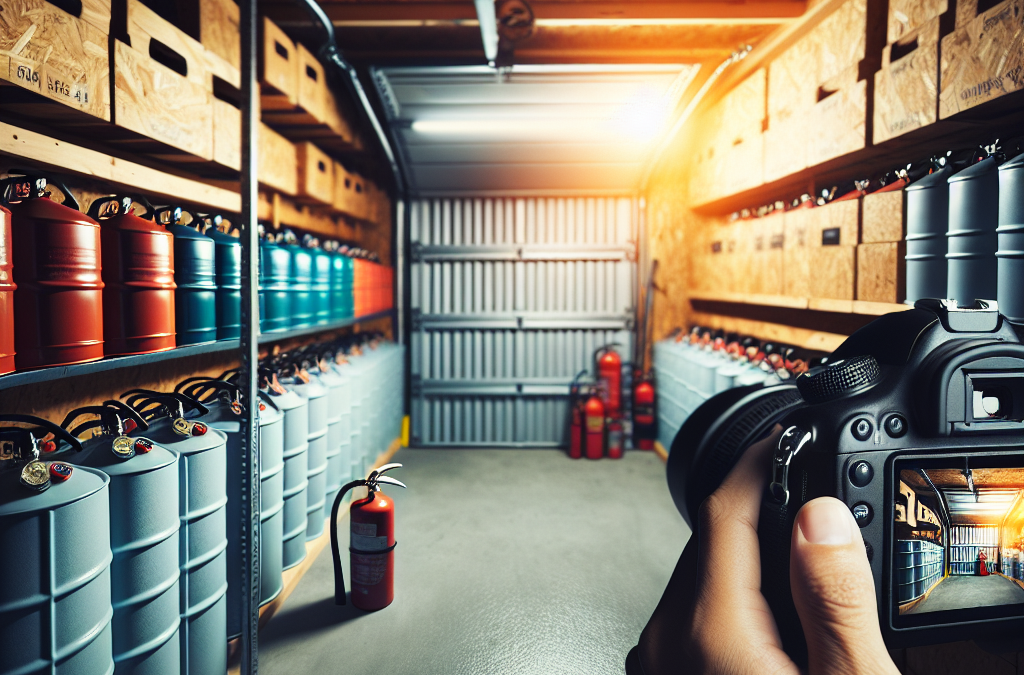
When it comes to storing fuel for emergency use, it’s crucial to know what type you’re dealing with. Gasoline, diesel, propane – each has its unique properties and storage requirements. From my own experience, picking the right fuel type can make all the difference during a crisis.
For instance, gasoline is readily available, but it has a short shelf life. If you’re planning to store it for emergencies, you might want to invest in some fuel stabilizers; they really help extend its usability. Diesel on the other hand lasts longer and can be a better option if you have the means to store it correctly.
Don’t ignore propane! It’s efficient and has an indefinite shelf life. Plus, if you have a grill or a generator that runs on propane, you’ll want to stock up. Understanding these types helps you make informed decisions that are specific to your needs.
Evaluate Your Energy Needs
Before diving into storage, take a moment to assess your actual energy needs. For instance, consider how often you rely on fuel-guzzling machinery. In my case, I realized my demands fluctuated based on seasons, especially in winter when I needed more heating supplies.
By mapping out my expected fuel consumption, I could determine how much fuel I needed to keep on hand to last during a power outage or emergency situation. This also allowed me to plan for the long term, ensuring I wasn’t left high and dry when the unexpected happened.
Taking stock of your energy needs prevents over-purchasing, which, let me tell you, can be overwhelming and costly. Plus, it’s easier to find a proper storage solution when you have a clear idea of what you’re working with.
Research Local Regulations
This might seem like a hassle, but trust me, it’s worth your time! Different regions have different rules for storing fuel. I’ve bumped heads with legalities before, but now I make it a priority to check local laws before I store any substantial amount of fuel.
For example, certain areas may have restrictions on the amount of gasoline you can maintain at home. Knowing these regulations upfront means you avoid the stress of potentially facing penalties later. I often visit my local fire department’s website, which provides a load of helpful guidelines!
Understanding these regulations can also guide your choice of storage containers and safety measures. It keeps your operation above board while ensuring your family’s safety.
Proper Storage Techniques
Select the Right Containers
In my experience, the type of container can make or break your fuel storage efforts. When I started, I learned the hard way that cheap plastic containers were not a great idea for storing gasoline. Instead, investing in high-quality, approved fuel containers makes a world of difference.
You want durable materials that can withstand temperature fluctuations and other outside elements. My go-to now is using metal containers designed specifically for fuel storage – they’re sturdy, and I feel that they provide safety against leaks.
Just remember, always check for labels that indicate the container is “approved for fuel storage.” It’s a simple check that can save you loads of headaches down the line.
Optimize Your Location
Have you ever thought about where you store your fuel? I initially had my storage container over by the garage, but shifting it to a well-ventilated area far from sources of ignition made me breathe a little easier. Choosing the location is critical to ensure safety!
Look for a cool, shaded area away from direct sunlight and heat sources. I’ve found that keeping it in an enclosed shed is great because it adds an extra layer of protection – just remember to ventilate it! It’s such a simple step, but it really helps maintain safe conditions.
Always ensure that there are no flammable materials nearby. I learned this after an accidental small fire on my patio – let’s just say it was quite the learning experience. Putting a safe distance between your fuel and other potential hazards is super important.
Maintain Regular Checks
Yes, regular maintenance checks should become part of your routine! I know it sounds a bit tedious, but inspecting your stored fuel can prevent many problems down the line. For instance, keeping an eye on the container’s integrity ensures there are no leaks or deformities.
One of my favorite tips is to rotate my fuel every season. This way, I ensure nothing is sitting around longer than it should, while also allowing me to restock with fresh supplies. You wouldn’t believe how quickly I learned this is a great way to maximize storage efficiency.
Additionally, do not forget to clean your storage areas. Dust and debris can be a fire hazard, so routinely ensure that everything stays tidy and in its proper place. Creating a maintenance schedule helps ensure I don’t overlook these important checks.
Safety Measures to Consider
Invest in Protective Gear
Now, I know this sounds excessive, but having protective gear is a must when handling fuel. I was once careless and ended up with some nasty splashes that could have been easily avoided. Simple items like gloves and goggles go a long way in ensuring safety.
Think about having a fire extinguisher nearby, specifically one that’s rated for flammable liquids. It’s an investment that brings peace of mind! I make it a point to check its expiry date regularly to avoid any surprises in case of an emergency.
Another piece of gear that’s saved me many headaches is having a simple first aid kit nearby. Accidents happen, so being prepared is always a smart idea. You’ll thank yourself later!
Develop an Emergency Plan
Okay, this one is a total game changer! Having a fuel storage plan is excellent, but what if something goes wrong? My family and I have sat down a few times to create an emergency plan in case we need to evacuate or there’s a serious fuel-related incident. That’s right; I believe in a proactive approach!
Include routes, procedures, and essential contacts in your emergency plan. Trust me, panic can lead to poor decisions! Also, practicing the plan helps everyone understand what to do when the real deal hits. I’ve practiced evacuation routes with my kids, and it’s actually become a fun family activity.
Don’t forget to keep a copy of your emergency plan accessible. I’ve put mine on the fridge and in a digital folder. People might think I’m a bit paranoid, but I believe that preparation is key!
Stay Educated
Knowledge is power, right? Staying informed about the best practices for fuel storage keeps me on my toes! Whenever I handle fuel, I make sure to read up on safety, new technologies, and regulations. This has helped me adapt my strategies over time.
There are plenty of online resources and courses that provide valuable information! I’ve signed up for a few webinars, and honestly, they were eye-opening. I love sharing what I learn with family and friends – knowledge really is better when it’s shared!
Also, don’t underestimate the value of community experience. Chatting with local experts and neighbors about their fuel storage practices has given me new insights. They’ve shared their stories and lessons learned, and that real-life insight is priceless.
Frequently Asked Questions
- 1. What is the best fuel for emergency storage?
- The most common fuels are gasoline, diesel, and propane. Gasoline is easy to access but may require stabilizers due to its shorter shelf life. Diesel lasts longer, making it a solid choice, while propane is very versatile and has an indefinite shelf life.
- 2. How often should I check my stored fuel?
- I recommend routine checks every season. This means inspecting containers for leaks or damage and ensuring everything is cleaned up and in order.
- 3. Where is the safest place to store fuel?
- The best location for fuel storage is in a cool, well-ventilated area, away from any heat sources or flammable materials. A sturdy shed can often be a great choice!
- 4. Should I rotate my fuel stocks?
- Absolutely! Rotating your fuel every season helps ensure you use the oldest fuel first, allowing you to maintain freshness while avoiding potential spoilage.
- 5. Why is it important to have protective gear when handling fuel?
- Protective gear, like gloves and goggles, can prevent accidents and injuries. Fuel is hazardous, and it’s better to be safe than sorry. Plus, having gear nearby adds an extra layer of safety for those unforeseen moments.




