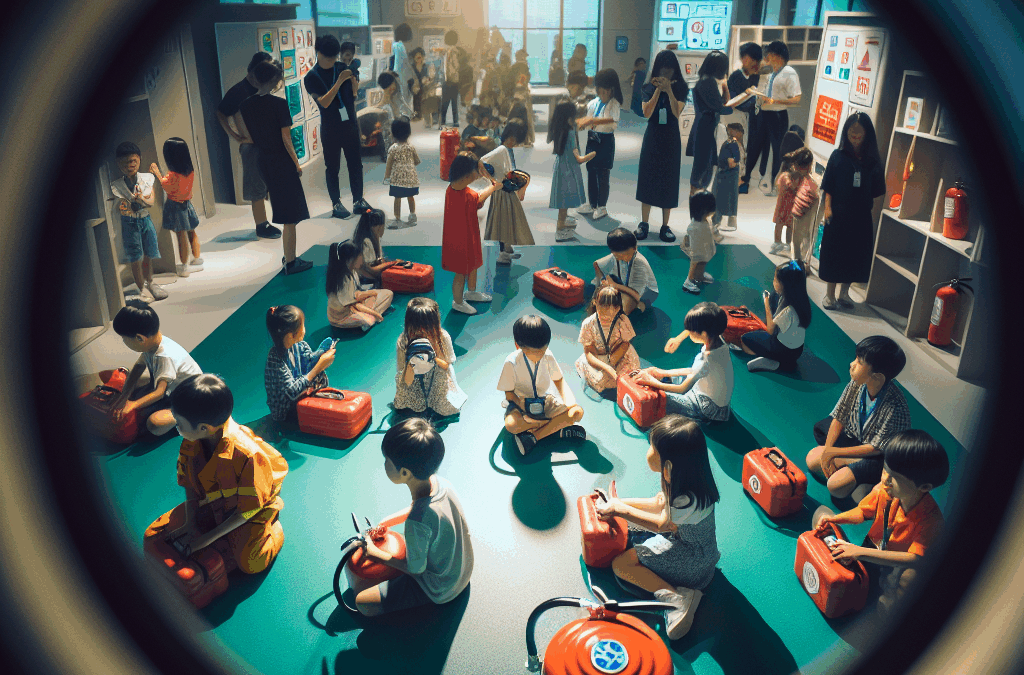
In a world filled with unexpected twists and turns, the importance of emergency preparedness cannot be overstated. Natural disasters, health crises, or unforeseen accidents can strike without warning. By taking proactive measures now, you ensure the safety of yourself and your loved ones when it matters most. Here’s how to master emergency preparedness in ten essential steps.
*1. Understanding the Importance of Emergency Preparedness**
Emergency preparedness is not merely a precaution; it’s a commitment to safeguarding your life and those around you. When disaster strikes, having a plan can mean the difference between chaos and control. It allows you to respond swiftly rather than react impulsively, ensuring that everyone knows their role in an emergency situation.
*2. Assessing Your Risks: Know Your Threats**
Every region has its unique set of potential threats – from hurricanes and earthquakes to wildfires and floods. Begin by evaluating the risks specific to your area. Consult local emergency management agencies for insights on prevalent hazards, which will help you tailor your plans effectively.
*3. Creating a Comprehensive Emergency Plan**
An effective emergency plan outlines clear steps for various scenarios—what actions to take during an evacuation or how to shelter in place during severe storms. Include details on escape routes, designated meeting spots, and critical information such as medical needs or pet care instructions.
*4. Building Your Emergency Supply Kit**
Your emergency supply kit is your lifeline when disaster looms. Aim for at least 72 hours’ worth of essentials: water (one gallon per person per day), non-perishable food items, flashlights, batteries, first aid supplies, medications, and important documents. Don’t forget personal hygiene items and comfort items like blankets—these could make all the difference in stressful times.
*5. Establishing Communication Strategies**
In emergencies, communication can break down rapidly due to power outages or network failures. Designate a family contact outside your immediate area who can relay messages if local communications fail. Ensure everyone knows how to reach this person and share other vital contact information.
*6. Training and Drills: Practice Makes Perfect**
Once you’ve developed your plan, practice it! Regular drills reinforce procedures so that everyone knows what to do under pressure—whether it’s evacuating quickly or adhering to safety protocols at home or school.
*7. Incorporating Technology in Preparedness**
Leverage technology for enhanced preparedness! Download weather apps for real-time alerts about approaching storms or emergencies in your vicinity. Familiarize yourself with social media platforms where local authorities share updates rapidly during crises.
*8. Staying Informed: Weather Alerts and Emergency Updates**
Staying informed is crucial before and during an emergency situation. Sign up for community alert systems that provide timely notifications regarding severe weather warnings or public safety announcements—knowledge is power!
*9. Community Resources and Support Networks**
Engaging with community resources strengthens collective resilience against disasters.
Connect with local organizations focused on disaster response; they often offer training workshops or distribute resources that bolster individual preparedness efforts.
*10. Regularly Reviewing and Updating Your Emergency Plan**
Lastly—and perhaps most importantly—your emergency plan should evolve as circumstances change over time (new family members, changes in residence). Set reminders to review your plan annually; this ensures that it remains relevant and effective.
By embracing these ten essential steps toward mastering emergency preparedness, you’re not just preparing for potential disasters—you’re creating peace of mind amidst uncertainty! Stay safe out there!
In a world where unpredictable events can strike at any moment, being prepared for a disaster is not just smart—it’s essential. Understanding the risks associated with natural disasters, emergencies, or even man-made crises can mean the difference between life and death. So, what could happen? From hurricanes and earthquakes to floods and wildfires, each region has its unique set of threats. Knowing your specific vulnerabilities allows you to tailor your preparedness efforts effectively.
Once you’ve identified potential risks, it’s crucial to build an emergency kit filled with essential supplies. Start by gathering non-perishable food items such as canned goods, dried fruits, and granola bars—foods that require minimal preparation and offer sustenance during tough times. Don’t forget water; experts recommend one gallon per person per day for at least three days. First-aid kits, flashlights with extra batteries, blankets, and hygiene products should also make the cut. Consider including essentials like medications, pet supplies if you have animals, and important documents stored in waterproof containers. An adequately stocked emergency kit can be a lifesaver when access to resources becomes limited.
Creating a response plan is another fundamental step in disaster preparedness. This plan should outline clear steps for you and your family to follow during an emergency. Identify safe locations where everyone can meet if separated—this might be a neighbor’s house or a designated community center. Discuss how you’ll communicate; text messages may work better than phone calls due to network overloads during disasters. Additionally, review evacuation routes ahead of time so that when the moment arrives, you won’t waste precious time figuring out where to go.
Staying informed is paramount in any crisis situation. Leverage technology by downloading weather apps or signing up for local alerts that provide real-time updates about impending threats in your area. Social media platforms often serve as valuable resources for immediate information sharing amongst communities during emergencies too. Don’t underestimate the power of traditional media; television and radio broadcasts are still effective ways to stay updated on developing situations.
Moreover, community awareness significantly enhances disaster preparedness efforts; there’s strength in numbers! Engage with local organizations that focus on emergency readiness—they often host workshops or drills that equip residents with vital skills ranging from basic first aid to search-and-rescue techniques. Create neighborhood groups focused on sharing information regarding local hazards or resources available within your community—having established relationships with those around you will foster trust and cooperation in times of crisis.
Ultimately, preparing today means increasing your chances of survival tomorrow. It takes time and effort to create an effective disaster preparedness plan but consider it an investment in safety—not only for yourself but also for those living around you. By understanding risks specific to your area, building comprehensive emergency kits filled with essentials, crafting detailed response plans tailored to your family’s needs while utilizing technological advancements alongside fostering community connections—you’re laying down the groundwork for resilience amidst adversity.
So don’t wait until it’s too late; start preparing now! Your future self will thank you when faced with unforeseen circumstances—and together we can build stronger communities ready to face whatever challenges lie ahead.
Let’s kick things off by talking about what exactly an emergency is. In simple terms, it’s any situation that poses an immediate risk to health, life, property, or environment. Some common examples include natural disasters, house fires, and health issues. When I first started explaining this to my kids, I realized I needed to use scenarios they could relate to. Recognizing what constitutes an emergency helps them stay alert and prepared.
Not every unexpected situation is an emergency, so it’s essential to break them down. For instance, a minor scrape on the knee isn’t the same as a fire in the kitchen. I often use examples from our daily life—like that thunderstorm that knocked out the power. Teaching them how to differentiate these situations empowers them to act wisely when something serious happens.
Lastly, there are many types of emergencies. Kids will usually relate well to physical examples, like storms and accidents. Still, don’t forget about emotional emergencies like sudden loss or bullying. They’re just as important and require just as much attention in our discussions.
Building Awareness and Preparedness
Creating a Family Emergency Plan
On my journey to prepare my kids for emergencies, I found that having a solid family emergency plan is key. We gathered around the table one weekend and mapped out what our action steps would be. Having a plan creates a sense of security in kids, knowing that there are set procedures to follow when things go south.
Include specific routes for exiting the house in case of fire or designated meeting spots after a natural disaster. My kids loved using markers to draw the house layout and mark escape routes. It’s amazing how a little creativity went a long way in making them feel invested in the whole process.
Finally, remember to involve them in regular discussions about this plan. Don’t treat it as a one-and-done task. We often revisit our emergency plan during dinner discussions or car rides. Keeping it fresh in their minds ensures that they’re more likely to recall it during an emergency.
Developing Safety Skills
Basic Life Skills
This part is super important! I wanted my kids to know some basic life skills that could help them in emergencies. Things like showing them how to call 911 was a top priority for me. I made it a game at first, having them practice dialing with a toy phone. It eased their anxiety and made the process fun!
Next up, I taught them basic first aid. We had a little first-aid kit at home, so I showed them how to clean a cut and apply a bandage. We watched some kid-friendly videos together, which made a huge difference in their understanding.
Finally, role-playing various scenarios can really drive the point home. We created fun scenarios like “What if we hear a loud bang?” or “What if we get separated in a crowd?” and acted out the responses. Not only did this build their confidence, but it also promoted critical thinking about how to handle various situations.
Practicing Responding to Emergencies
Simulated Drills
Drilling emergency responses has been one of the most engaging parts of our preparation. We periodically run through fire drill routines at home. It’s just like when we practiced tornado drills back in school. The kids giggle but take it seriously. I often mention how serious the situations can be, and that keeps them focused.
In addition to fire drills, we simulate other emergencies, like an earthquake. We all huddle under the dining table and wait for a moment before “emerging.” It makes them feel a sense of urgency—plus, it’s a fun way to bond over something that can be quite unsettling.
Make sure to mix up the scenarios each time so they don’t get too comfortable with any one routine. The unexpectedness encourages them to think on their feet and prepare for any situation that could arise.
Encouraging Open Communication
Discussing Feelings and Reactions
Let’s be real—talking about emergencies can be scary. I had to instill an open environment in our home where my kids could express their thoughts and feelings around these topics. We often talk about their feelings during or after practicing drills. I want them to know it’s totally okay to be anxious about emergencies, but we have tools to handle those emotions.
To promote open communication, I make sure to ask questions and encourage them to share their thoughts. “How did that make you feel?” or “What do you think we should do next time?” This helps them process what they’ve learned and prepares them for future discussions.
Lastly, I introduced the concept of resilience. Instead of fearing emergencies, I teach them how to bounce back. Sharing stories of real-life problems and how they were solved—whether ones from the news or personal experiences—keeps them grounded in reality and helps them understand there’s always a way to overcome challenges.
FAQ
1. What is the most important thing to teach kids about emergencies?
The most crucial thing is teaching them to recognize what an emergency is. Once they understand that, they can learn the appropriate responses and safety skills necessary for those situations.
2. How often should we practice emergency drills?
I recommend practicing drills at least once every couple of months. It keeps everyone fresh on the procedures and can even bring some excitement to routine home life!
3. Should we involve kids in creating our family emergency plan?
Absolutely! Involving them makes the plan feel more engaging and personal. It also ensures they remember the plan better because they played a role in creating it.
4. What are some fun ways to teach first aid?
Using games and role-playing scenarios can make learning first aid fun. Additionally, using a stuffed animal or dolls for practice can make it more relatable and less intimidating for kids.
5. Why is open communication important when discussing emergencies?
Open communication allows kids to express their fears and uncertainties. It encourages them to ask questions and feel supported, which is essential for building confidence and resilience during such talks.