In a world where natural and man-made disasters can strike without warning, being prepared is not just wise; it’s essential. Understanding the risks that loom in your area is the first step toward fortifying yourself and your loved ones against the unexpected.
*Understanding the Risks: Identify Potential Disasters in Your Area**
Every region has its unique set of hazards. From hurricanes and earthquakes to floods and wildfires, knowing what you’re up against is crucial. Start by researching local history—what types of disasters have occurred in your community before? Engage with local emergency management agencies or visit their websites for insights on prevalent threats. This knowledge empowers you to take specific actions tailored to your environment, helping you anticipate challenges before they arise.
*Creating a Comprehensive Emergency Plan**
Once you’ve identified potential risks, it’s time to craft an effective emergency plan. Involve every member of your household to ensure everyone knows their role during a crisis. Establish meeting points both near home and outside your neighborhood where you can regroup if separated. Discuss evacuation routes and practice them regularly. Importantly, designate a point of contact outside your area who can help coordinate communication if local lines are down. Remember, clear plans minimize panic when disaster strikes.
*Building a Preparedness Kit: Essential Supplies You Must Have**
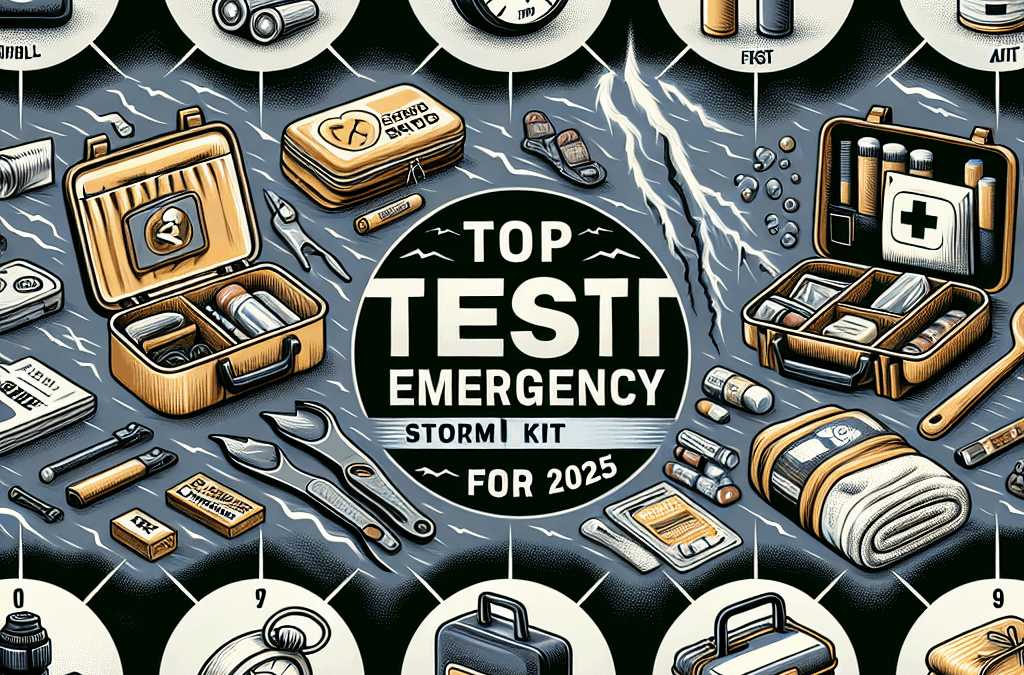
A well-stocked preparedness kit is your lifeline during emergencies. Gather essential supplies that cater to various scenarios: food and water that can sustain each individual for at least three days, first aid items, flashlights with extra batteries, sanitation products, and any necessary medications should be at the forefront of your collection efforts. Don’t forget important documents—insurance papers, identification cards—and consider including cash since ATMs may be non-operational during crises.
Additionally, think about incorporating specialized items like pet food if you have furry friends or baby supplies if there are young children involved in your household. Customizing kits based on individual needs ensures everyone will be adequately taken care of when faced with adversity.
*Communication Strategies: Staying Connected During a Crisis**
Effective communication during an emergency can save lives. Consider using group texting apps or social media platforms as alternative means to stay connected if traditional telephone services fail. Moreover, familiarize yourself with two-way radios as they often provide reliable communication when cell networks are overwhelmed or out-of-service entirely.
Encourage family members to keep charged power banks handy for their devices; this small effort could make all the difference when trying to reach loved ones amidst chaos.
*Regular Drills and Updates: The Importance of Training and Preparedness Reviews**
Preparedness isn’t a one-time task; it requires ongoing commitment through regular drills and updates. Schedule periodic practice sessions to ensure everyone remembers protocols clearly—rehearsing will help solidify roles within the family unit while building confidence in handling real-life situations efficiently.
Moreover, review and update your emergency plan annually or whenever life circumstances change—new family members arrive or kids grow older may necessitate adjustments in responsibilities or supplies required.
In conclusion, disaster preparedness hinges on awareness and proactive measures tailored specifically to individual needs and environmental realities. By understanding risks, creating robust plans, assembling thorough kits, maintaining open lines of communication, and committing to regular training exercises—all these steps culminate into effective strategies that empower individuals facing the unpredictable storms of life!
When life throws a curveball, being prepared can make all the difference. Emergencies come in various forms—from natural disasters like hurricanes and earthquakes to unforeseen events such as fires or medical crises. Understanding these risks is your first step in crafting a solid emergency preparedness plan.
## Understanding the Risks: Identifying Potential Emergencies in Your Area
Every region has its unique set of risks. Start by researching the types of emergencies that are prevalent where you live. For instance, coastal areas may face hurricanes, while those in the Midwest might be more concerned about tornadoes. Local government websites often provide helpful resources detailing historical data on natural disasters and other emergencies that could affect your community.
Additionally, consider personal risks—do you have family members with medical conditions? Are there particular hazards in your home environment? By identifying these potential threats early on, you can tailor your emergency response efforts effectively.
## Building Your Emergency Kit: Essential Supplies for Every Household
Next up is assembling an emergency kit—a crucial component of any preparedness strategy. This kit should contain essential supplies to sustain you and your family for at least 72 hours following an emergency.
Start with the basics: plenty of water (one gallon per person per day), non-perishable food items like canned goods or energy bars, a flashlight with extra batteries, a first-aid kit, and any necessary medications. Don’t forget items that cater to specific needs; these might include baby formula if you have infants or pet supplies for furry family members.
Also, consider adding important documents (like IDs and insurance papers) stored in waterproof bags, a multi-tool for various tasks, and cash since ATMs may not be operational during emergencies.
## Creating a Family Emergency Plan: Communication and Evacuation Strategies
Once you’ve identified risks and built your kit, it’s time to create an actionable family emergency plan. This blueprint should encompass communication strategies to ensure everyone knows how to reach one another during chaos. Designate an out-of-town contact who can act as a central point for information exchange.
In addition to communication protocols, outline clear evacuation routes from your home and identify safe meeting spots outside your neighborhood or town. Regularly practice this plan through drills so each family member feels confident navigating it when the time comes.
## Staying Informed: Resources for Ongoing Preparedness and Response
Preparedness doesn’t end once your kit is packed and plans are laid out; staying informed is paramount. Subscribe to local news alerts or download apps that provide real-time updates about emergencies in your area. The Federal Emergency Management Agency (FEMA) offers preparedness resources that can keep you ahead of potential threats.
Engage with community preparedness programs or workshops—they’re often free or low-cost—and connect with neighbors so that everyone can contribute towards collective safety efforts. Sharing knowledge strengthens resilience within communities, making it easier for everyone to bounce back when disaster strikes.
Ultimately, embracing an attitude of calm preparedness allows you to navigate uncertainties with confidence. By understanding risks specific to your area, building comprehensive kits, formulating effective plans, and staying educated about ongoing developments—you not only safeguard yourself but also empower those around you during times of crisis. So take action today—because tomorrow may just depend on it!
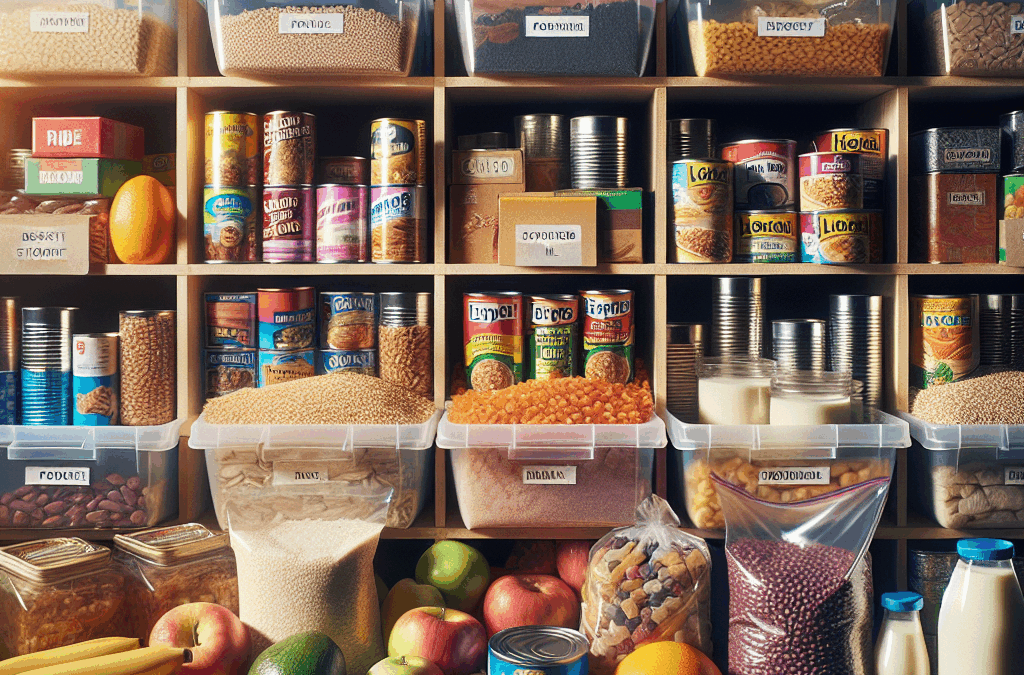
First off, let’s talk canned goods. These are a game changer when it comes to emergency stockpiling. I mean, who doesn’t love the convenience of just cracking open a can and having a meal ready to go? Canned meats, vegetables, and soups are great staples to have. They last indefinitely, especially if stored properly, and can provide essential nutrients when fresh foods aren’t available.
Additionally, let’s not forget about variety. You can choose different types of beans, tomatoes, or even some hearty stews. The key is to rotate them regularly to maintain freshness, but trust me, with the right planning, you won’t end up with a bunch of expired cans on your shelf.
And if you’re into cooking, think about how you can turn those canned goods into quick and tasty meals—like a chili or a stew. It’s all about being resourceful and making the most out of the situation, right?
Dried Grains and Pasta
Next up, we’ve got dried grains and pasta. Rice, quinoa, and pasta are absolute staples in my pantry. They’re not just versatile but they’re also filling and provide energy-dense nutrition. Store them in airtight containers for longevity, and you’re set!
I often cook up a big batch of rice and then use it throughout the week in various meals. It’s a great base for stir-fries, salads, or even a quick side dish with some canned vegetables. Plus, they usually have a long shelf-life, often lasting years if kept dry.
And let’s be real—who doesn’t love a good pasta dish? You can whip up everything from pasta salad to classic spaghetti. It’s comforting food when you need it the most, and honestly super easy to cook!
Freeze-Dried Foods
Don’t overlook freeze-dried foods, my friends. These beauties can last for decades if stored correctly. I remember my first camping trip where I packed some freeze-dried meals. They were lightweight and super easy to prepare! You just add hot water, and boom, you’ve got yourself a meal.
They offer a range of options, from fruits to full meals, and can be a lifesaver when fresh options are out of the question. Plus, they retain great flavors and nutrients—definitely a win-win!
So, if you’re thinking of stockpiling, make sure to grab some freeze-dried options. They’re compact too, which makes them perfect for tight spaces in your pantry.
Healthy Snacks
Nuts and Seeds
Moving on to healthy snacks—let’s talk about nuts and seeds. They’re my go-to for a quick energy boost. Rich in proteins and healthy fats, they can help keep you satiated during tough times. I always like to have a mix on hand, whether it’s almonds, walnuts, sunflower seeds, or pumpkin seeds.
They also have a decent shelf-life, especially if you store them in a cool, dry place. I often toss them into salads or yogurt for added crunch, and they make great toppings for various dishes.
Plus, if you’re feeling a bit creative, you can make your own nut butter or energy bars. It’s fun and a great way to use up whatever you have in your stock!
Granola and Energy Bars
Granola and energy bars are another fantastic idea for stocking up. They’re easy to grab on the go, and a quick snack choice that feels a bit indulgent, yet nutritious. I often rely on them during busy days when I need something quick between meals.
Look for bars with minimal ingredients—less sugar is always better. And they’re perfect for keeping in your emergency stash, so you have something to nibble on that keeps your strength up.
If you’re feeling adventurous, consider making homemade bars! You can customize them to your taste and pack them full of whatever you desire. It’s a fun project, and you can feel good knowing what’s in your snacks.
Jerky and Other Protein Snacks
Protein is crucial during any emergency, and jerky is a classic choice. It’s lightweight, doesn’t need refrigeration, and can last for ages. I’ve enjoyed all sorts of jerky—from beef to turkey to even vegan options. It’s a great source of protein and can help stave off hunger when times get tough.
Similar to nuts, they are also a handy snack for when you’re out and about. Plus, they are super satisfying. Just a few pieces can really keep you going!
And if you’re inclined, you can try making your own at home. It’s surprisingly easy and opens up a world of flavors you might not find in store-bought options.
Fruits and Vegetables
Canned and Jarred Fruits
Fresh fruits might not last long, but canned and jarred fruits can be a delightful addition to your stockpile. They come in handy whenever you’re craving something sweet or need that vitamin boost. Just be sure to check for options without added sugars or preservatives if you can!
These fruits can spice up your meals or just be eaten as is. And hey, they often have a longer shelf life than fresh fruit—an important aspect during emergencies.
Every once in a while, I’ll throw some canned peaches into my oatmeal for breakfast. It’s a simple way to elevate a bland dish!
Frozen Vegetables
Don’t forget about frozen vegetables, folks! They can take a little effort to stockpile since you need a freezer, but having a stash of frozen veggies is incredible for thrown-together meals. They keep their nutritional value really well and can be added to just about anything.
Think stir-fries, soups, or casseroles. Whenever I’m in doubt about what to make for dinner, I go for frozen veggies. Healthy, easy, and so versatile!
Also, they don’t spoil quickly, giving you peace of mind when the grocery store is far from your mind!
Dried Fruits
When it comes to fruits, don’t sleep on dried options! They are super portable and make for a fantastic snack or addition to meals. Dates, raisins, and apricots are just a few favorites of mine that pack a punch in flavor.
The high natural sugar content gives you a quick energy boost, which is essential during stressful times. Plus, they can easily jazz up your oatmeal, yogurt, or trail mixes.
Pro tip: keep some on hand for sweet cravings that hit out of nowhere. It’ll help satisfy your sweet tooth without the guilt!
Cooking Essentials
Cooking Oils
Next in line are cooking oils. It’s easy to overlook, but oils are essential for cooking and flavoring your meals. Stocking up on olive oil, coconut oil, or vegetable oil is a smart move. They are shelf-stable and can make a world of difference in how your meals taste!
I personally love cooking with olive oil because it’s versatile. You can use it in salads, marinades, or just to sauté some veggies. Honestly, the options are endless!
Plus, getting your hands on various oils can help you prepare different cuisines, making your meals way more enjoyable during stressful times.
Spices and Seasonings
Now let’s talk spices. Having a variety of spices and seasonings makes dull meals burst with flavor. It’s like a magic trick in your kitchen! I always keep basics like salt, pepper, garlic powder, and a few unique spices for diversity.
You’d be surprised how much a sprinkle of some spice can elevate a simple dish, turning it from boring to something special. In any emergency, having ready-to-use spices can help turn that canned food into a home-cooked delight.
And remember, many spices have a long shelf life. This means you can stock up without worrying about periodic waste!
Baking Essentials
Baking essentials aren’t just for those who love to bake cookies! Flour, sugar, baking powder, and yeast can come in handy whenever cooking from scratch. I love the idea of having these on hand for those moments when you feel a bit creative.
Lately, I’ve been enjoying homemade bread, and while it’s a bit of work, it’s definitely worth it. If you have these basic ingredients, you can make all sorts of comforting foods.
So, stock your pantry with some baking essentials. You never know when you might want a fresh loaf of bread or some cookies to ease the mind during tricky times!
Water and Beverages
Store-Bought Water
Alright, folks, water! It’s easy to overlook, but hydration is crucial, especially during emergencies. I always keep a few cases of bottled water on hand. It’s something that might seem simple, but water is life! Make sure you get enough for everyone in your household.
When the power’s out or if you lose access to clean water, having bottled water will provide you with peace of mind. It’s such a simple necessity that can mean the difference between feeling good and feeling awful.
Make it a habit to check your water supply every few months. Replace bottles that are getting old to ensure you always have a fresh supply.
Electrolyte Drinks
Don’t forget about electrolyte drinks—especially if you might be dealing with heat or exertion. I love having some powdered electrolyte mixes on hand. They can help keep you hydrated and feeling your best when water alone doesn’t cut it.
For some extra flavor, having a few sports drinks is handy too. They can refresh you and provide energy when you’re in need. When times are tough, it’s essential to keep your body functioning well.
And let’s be honest, they’re usually pretty tasty too! It’s a nice way to break the mundanity of plain water.
Tea and Coffee
Last but definitely not least, let’s talk about tea and coffee. Maintaining a sense of normalcy can be comforting in chaotic times, and for many of us, a warm drink can do just that. I personally can’t start my day without my morning cup of coffee!
Tea can also be relaxing, with lots of options available, from herbal teas to stronger blends. You can stock your pantry with both so you have options based on your mood.
<pHaving these beverages on hand can lift your spirits during hard times. So make sure to have a nice stash of your favorites ready for whenever you need that little pick-me-up!
Frequently Asked Questions
1. What are the essential food items I should stockpile for emergencies?
The essentials include non-perishable foods like canned goods, dried grains and pasta, freeze-dried foods, healthy snacks such as nuts and seeds, and more. It’s all about what lasts and what you enjoy eating.
2. How long can canned foods last when stockpiling?
Canned foods can last for years if stored in a cool, dry place. Just keep an eye on expiration dates, and try to rotate your stock!
3. What should I do if the power goes out and I have frozen food?
If the power goes out, keep your freezer closed to maintain the temperature as long as possible. Most frozen foods can last for 24-48 hours, but it’s best to check for ice crystals or an unusual smell before deciding to eat them.
4. Can I create my own emergency food stockpile?
Definitely! You can customize your stockpile based on your dietary preferences and what you enjoy eating. Just ensure that you include items that are nutrient-dense and have a long shelf life.
5. How can I store these foods properly to ensure they last longer?
Store them in airtight, moisture-proof containers, in a cool and dark place to extend their shelf life. Keeping everything organized can also help you keep track of items that need to be used soon!