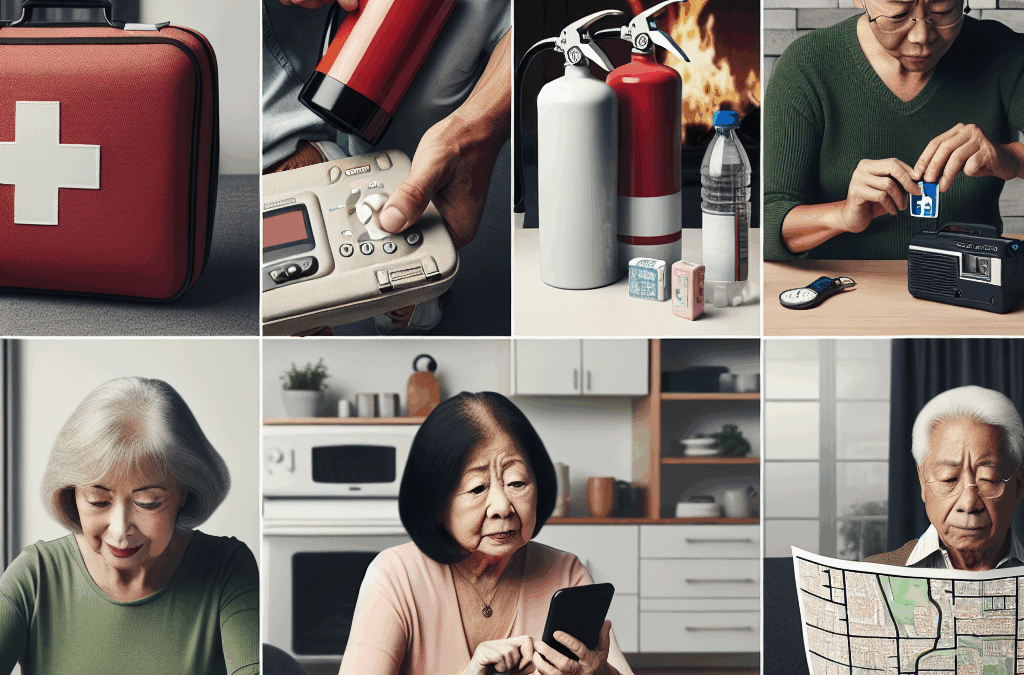
Emergencies can come in all shapes and sizes. From natural disasters like hurricanes and earthquakes to unexpected health crises, identifying what qualifies as an emergency is the first step in getting prepared. In my experience, it’s better to over-prepare than under, especially when it comes to our beloved seniors.
Think about the types of emergencies that might occur in your area. Maybe it’s wildfires in California, or perhaps tornadoes are more common where you live. Knowing these can help you create a focused plan.
It’s not just about natural disasters, though. Medical emergencies such as heart attacks or falls can happen at any time. Every senior should have a clear understanding of what emergencies might be relevant to them.
Why Seniors Are at Risk
Seniors may face unique vulnerabilities during emergencies, given factors like mobility limitations, chronic health conditions, and social isolation. I’ve seen how a simple task can become monumental for an elderly person in a crisis.
Physical limitations can affect their ability to evacuate quickly. A friend of mine struggled to get out of her house during a storm simply because she couldn’t move fast enough. Planning can mitigate such risks significantly.
Moreover, social isolation can prevent seniors from having immediate assistance or help during emergencies, particularly if friends or family are not nearby. Establishing a network can make a real difference here.
Recognizing Personal Needs
No two seniors are identical, so it’s crucial to recognize the unique needs of each person when preparing for emergencies. I encourage folks to sit down and think through their specific requirements—like medications, mobility aids, or even personal items that bring comfort.
This is the time to take stock of any medical supplies that might be essential during an emergency. Do you need extra inhalers, hearing aid batteries, or mobility devices? Jot these down; it can literally save someone’s life.
Take into account emotional needs too. Having a familiar quilt or family pictures can be a huge comfort during an unsettling time.
Creating an Emergency Plan
Formulate a Family Communication Strategy
First things first, a solid emergency plan starts with how you communicate. Have you ever tried getting in touch with family during a crisis? Trust me, it can be chaos. Setting up a dedicated tree or group chat can keep everyone informed.
Moreover, having a designated meeting spot is key. Maybe it’s the local library or the big oak tree at the corner park—just somewhere everyone knows to go, no matter the situation.
Also, have that family meeting! Get everyone on board with the plan and ensure that even the littlest family members know what to do. It’s teamwork that can pull a family through tough times!
Gather Emergency Supplies
When it comes to emergency supplies, it’s like prepping for a camping trip. It’s not all about canned beans, but you want to gather a range of essential items. Think about non-perishable food, water sources, and first-aid supplies.
One thing I’ve learned is that having a portable charger can be a lifesaver—not only for keeping in touch with loved ones but also for charging medical devices. So, stash one in your emergency kit!
Don’t forget about getting a battery-operated radio. During emergencies, mobile networks can go down, and traditional news channels might be shaky. A radio keeps you informed without needing power.
Know Your Evacuation Routes
Being aware of your local evacuation routes can save precious time in an emergency. I once had a tiny panic moment when a wildfire was approaching, and I didn’t even know where to go. Trust me, you won’t want to be in that situation.
Study the maps of your area, and if possible, do a little drive to scout out the routes. Knowing these paths allows for quick decisions when time is critical.
Practice the routes as a family too. This familiarity will bring confidence—and confidence can be the difference between a stressful evacuation and a smooth one.
Building a Support Network
Connecting with Neighbors
Your neighbors can be your first line of defense during an emergency. I’ve made some great friends on my block by merely stopping to say hello. Establish a rapport with them, and you might be surprised by how quickly they become your circle of support.
Having a buddy system can also be a partnership of sorts. Pair up with a neighbor who checks in on each other regularly, ensuring you both know that you’re never alone.
And don’t hesitate to find community programs that focus on senior safety. Many local organizations offer resources to help you stay connected and prepared!
Utilizing Local Resources
Don’t overlook the organizations in your community. Many places have resources, whether it’s the local fire department doing prevention workshops or senior centers offering classes on emergency preparedness.
Check in with your local services like Meals on Wheels or senior advocacy groups, as many of these organizations are committed to helping seniors through emergencies.
They can provide tailored advice too! I’ve learned so much from attending community seminars. Don’t think of it as just a class; it could be a life-saving investment.
Staying Informed about Emergencies
In our age of technology, staying informed about potential emergencies is easier than ever. Most communities have alert systems that keep you updated. Sign up for notifications if you can—it’s as simple as filling out a form online.
Also, look into social media groups or community boards where locals share timely information. Being privy to these discussions keeps you one step ahead.
Lastly, encourage family members to help set up alerts on smartphones or tablets, ensuring that communication is ever-present, especially in a crisis situation.
Executing Your Emergency Plan
Regular Drills
Like any good plan, practice makes perfect! Conducting regular drills can help you and your family feel more comfortable executing your emergency plan. And believe me—sometimes, you’ll realize a few adjustments need to be made.
It can be as simple as timing how long it takes to gather supplies or to get to your meeting spot! The first time we did a drill, it was eye-opening. There were lots of things I hadn’t even thought about.
These exercises can offer peace of mind too. Knowing you have a game plan helps quell anxiety when faced with unexpected situations.
Keeping Your Supplies Updated
When was the last time you checked your emergency supplies? It’s easy to forget, but it’s super important to ensure everything is up to date—especially perishables! Months can fly by, so make it a point to review your stash regularly.
Consider setting a calendar reminder every few months to check the dates on all items. If something is nearing expiration, just use it up or donate it if viable!
It’s also wise to stay informed about new tools or products that can benefit your emergency kit. Maybe a new water filtration system has hit the market that is much more efficient than what you have. Staying informed helps you keep the best items on hand.
Communication During an Emergency
When the time has come to execute your plan, stay calm and stick to your communications plan. I’ve learned that panic can lead to confusion, so trying to be a steady hand can help keep everyone focused.
If you’ve set communication channels in place, use them! Text messages, phone calls, or established meeting spots should all be utilized as the plan goes into action.
And remember, sometimes things don’t go as planned. Flexibility is key. If circumstances change, adapt as necessary and lean on your support network for guidance. Together, you’re a fortified system of assisted care!
Conclusion
Preparing for emergencies is an essential task for seniors and their caregivers. With the right knowledge, planning, and support, we can navigate crises more effectively. I hope this guide helps inspire you to take the necessary steps toward a safer, more prepared life.
FAQ
1. Why is emergency preparedness particularly important for seniors?
Seniors often face unique challenges such as mobility limitations and chronic health issues. Proper preparedness can help ensure their safety and well-being during unexpected situations.
2. What should I include in an emergency supply kit?
An emergency supply kit should include non-perishable food, water, medical supplies, necessary medications, a battery-operated radio, and a portable charger, among other essentials.
3. How often should I update or review my emergency plan?
It’s a good idea to review and update your emergency plan and supplies every six months to one year. This way, you can catch any expired items and adjust your plan as necessary.
4. What role do neighbors play in emergency preparedness?
Neighbors can be vital in emergencies, providing immediate assistance or checking in on each other. Establishing a strong network can foster support and security for everyone involved.
5. How can I stay informed about local emergencies?
Stay informed through community alert systems, social media groups, and local news. It can be helpful to sign up for notifications regarding hazards specific to your area.
Hey there, fellow adventurers! If you’re anything like me, the thrill of the great outdoors is always calling. Whether it’s hiking, camping, or just getting away from it all, being prepared is essential. One of the most crucial parts of preparing for any adventure is knowing how to choose the right survival tools for your kit. I want to share my experience with you, breaking it down into five key areas that will help you pack the essentials. Let’s dive in!
Understanding Your Needs
Assessing Your Environment
First things first, you gotta consider where you’re heading. Each environment has its own set of challenges. For instance, if you’re trekking through a dense forest, your priorities might be different than if you were hitting the desert. I remember planning a camping trip in the Rockies one summer, and the weather turned unpredictable. Having the right gear could’ve saved me from some wet nights!
Evaluate the terrain. Are you facing rocky paths, muddy hills, or maybe coastal cliffs? It helps to do a little reconnaissance about where you’re going so you can tailor your toolset accordingly. Different tools can tackle different environments better than others.
Lastly, don’t forget about the season! Winter survival is a whole different ball game compared to summer camping. Knowing the weather patterns, what critters are out and about, and what plants are around can make your selection a lot more effective.
Essential Survival Tools
Multi-Tool Magic
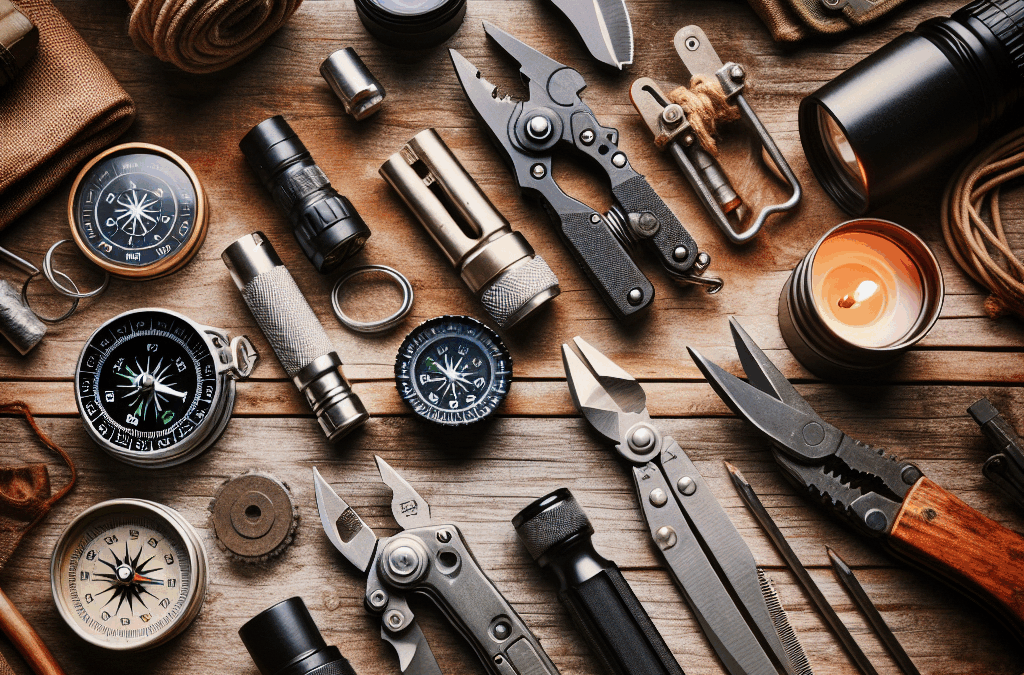
You can’t go wrong with a good multi-tool. Trust me, I’ve tried to go without one, and it just made life way harder than it needed to be. A multi-tool combines several tools into one handy gadget—think knives, screwdrivers, and even pliers all packed into a neat little unit.
When I’m out and about, I find that having a multi-tool can tackle unexpected situations. Need to cut rope? Boom! You got a knife. Fixing gear? There’s a screwdriver for that. It just simplifies everything. Plus, my multi-tool has helped out various campmates too. Sharing is caring, right?
So, figure out which multi-tool suits your needs best. Some have built-in features like can openers or mini saws. Read reviews and find one that’s durable but doesn’t break the bank. Remember, you want something that you can rely on!
Navigation Gear
Map and Compass Basics
Oh man, I can’t stress this enough—being able to navigate is key. Technology is great, but you never know when your phone battery might die or when you lose signal. Having a physical map and a compass can be a lifesaver.
It’s a good idea to practice using them before your trip. I recall getting lost on a hiking trail because I thought I could wing it. That was a humbling experience. Being familiar with how to read a map and use a compass in different terrains makes it way less daunting.
Additionally, take the time to mark out your route and potential hazards or important landmarks. You’ll feel much more secure on your journey, and it could even save you some time!
First Aid Essentials
Organizing Your Kit
Having a first aid kit is non-negotiable. But let’s be real: not all first aid kits are created equal. I’ve had my fair share of duds, and trust me, it’s a bummer to find out you’re missing key supplies when you actually need them.
I recommend customizing my first aid kit to suit my needs, depending on the length and type of my trip. Basic supplies like band-aids, antiseptic wipes, and gauze are a start, but you might also want to consider including unique items like blister packs or allergy medications.
Stay organized—label sections and use small containers if needed. This way, you can quickly find what you need when things get urgent. I can’t tell you how crucial it is to grab the right stuff without fumbling around.
Emergency Preparedness Tools
Signaling Devices
Okay, let’s talk about how to be seen when things go south. Having signaling devices like whistles, mirrors, or flares can make a big difference in emergencies. I once got separated from my group, and thank goodness I had a whistle on me. It’s a simple tool, but it cuts through the noise in a way that shouting just can’t.
Consider adding a flashlight or headlamp to your kit as well. A night hike can turn into a panic attack if you don’t have enough light. Plus, some headlamps have safety features that can signal for help too.
Building a small fire can attract attention, but it’s good practice to have those signaling tools handy. Nature isn’t always forgiving, and being prepared can lead to a speedier rescue if the situation turns dire.
FAQ
1. What should I prioritize when choosing survival tools?
Always start with understanding your environment and needs. Tailor your kit to what you’re facing—be it weather, terrain, or duration of your trip. Essentials should always include navigation tools, first aid supplies, and a reliable multi-tool.
2. How do I know if my multi-tool is good quality?
Look for reviews and consider the warranty. A solid multi-tool should feel sturdy in your hand, come with a good range of tools, and be something you can rely on for multiple scenarios, not just one.
3. Is it necessary to carry a map and compass even if I have GPS?
Absolutely, yes! GPS devices can fail, especially when you’re out in the wild. A map and compass are reliable and have no battery issues. Plus, they’re great to practice with and can enhance your navigation skills.
4. How often should I check my first aid kit?
I advise checking your kit before every trip. Ensure items aren’t expired and replace anything you’ve used. Keeping it organized will save you time and trouble when you’re in a pinch.
5. What’s the best way to signal for help?
Using a whistle is highly effective because it can be heard over long distances. Additionally, having a bright flashlight or reflective surface can help, especially during the day. Carry various signaling devices for redundancy!
So there you have it! Picking the right survival tools isn’t rocket science, but it does take some thought and planning. I hope my experiences help you gear up for your own adventures. Happy exploring!
In an unpredictable world, being prepared for emergencies is not just wise—it’s essential. Whether you’re facing natural disasters like hurricanes and floods or health crises such as pandemics, having a solid plan can make all the difference. This guide will walk you through the key components of emergency preparedness.
*Understanding the Risks: Identifying Potential Emergencies in Your Area**
Every region has its unique set of risks. Start by assessing your local environment. Are you near coastal areas prone to hurricanes? Or perhaps you’re in a region susceptible to wildfires or earthquakes? Understanding these threats is crucial. Consult local emergency management agencies, listen to community alerts, and engage with neighbors about their experiences. Additionally, consider broader risks like pandemics or industrial accidents that might affect your area too. By identifying potential emergencies specific to your location, you can tailor your preparedness plan accordingly.
*Building Your Emergency Kit: Essential Supplies for Every Situation**
Once you’ve identified the risks, it’s time to build an emergency kit—a lifeline when disaster strikes. Start with the basics: water (at least one gallon per person per day), non-perishable food items (think canned goods and energy bars), and a flashlight with extra batteries. Don’t forget a first-aid kit complete with medications, antiseptics, and bandages.
But that’s just scratching the surface! Include necessary personal documents like identification and insurance papers in a waterproof bag. Consider adding multipurpose tools, blankets for warmth, hygiene products, and even entertainment items like books or games for morale during stressful times.
For families with pets, ensure your furry friends are accounted for—include pet food and supplies as well! Regularly check expiration dates on food items and update your kit every six months to keep everything fresh.
*Creating a Family Emergency Plan: Communication and Evacuation Strategies**
An emergency plan isn’t just about supplies; it’s about strategy too. Gather your family to discuss potential scenarios that could arise in various emergencies—whether it’s a need for evacuation or sheltering in place.
Establish clear communication channels. Designate an out-of-town contact who can relay information if local communication systems fail. Map out meeting points where everyone knows they should go if separated during an event.
In addition to communication strategies, outline evacuation routes from home or work locations. Familiarize yourselves with alternative paths should primary routes be blocked during an emergency.
Lastly, practice makes perfect! Conduct regular drills so everyone knows what steps to take when faced with real-life situations.
*Staying Informed: Utilizing Resources for Real-Time Updates and Guidance**
In today’s digital age, staying informed is easier than ever before—but it requires some effort on your part! Subscribe to weather alerts via apps or government websites specific to your area; these notifications can provide life-saving updates during severe weather events.
Also consider following local news outlets on social media platforms—they often share timely information regarding emergencies affecting your community. Don’t overlook radio broadcasts either; they remain reliable sources during power outages when other forms of communication may fail.
Ultimately, staying alert means being proactive rather than reactive when emergencies arise. Combine knowledge of risks with effective planning techniques outlined above; you’ll empower yourself—and those around you—to navigate any crisis successfully!
By understanding potential threats in your area, assembling comprehensive kits tailored for different scenarios, devising family plans encompassing communication strategies along with practicing them regularly—and utilizing resources efficiently—you’ll transform uncertainty into confidence amidst chaos! Let this guide serve as a beacon toward safety readiness no matter what comes knocking at our doors next!